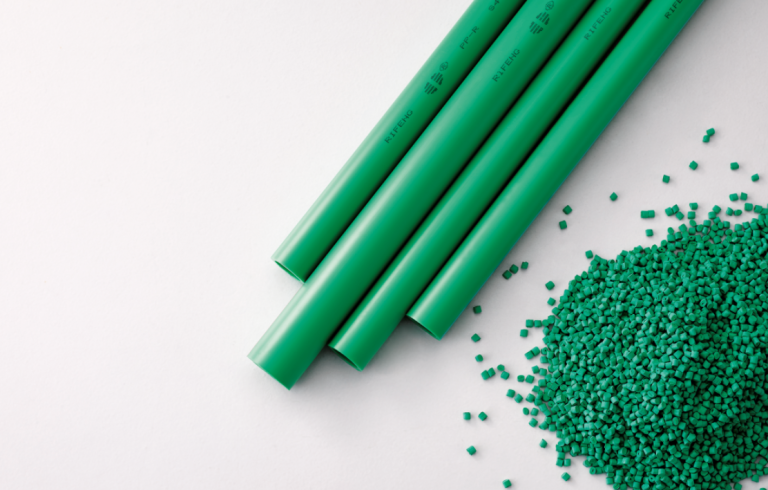
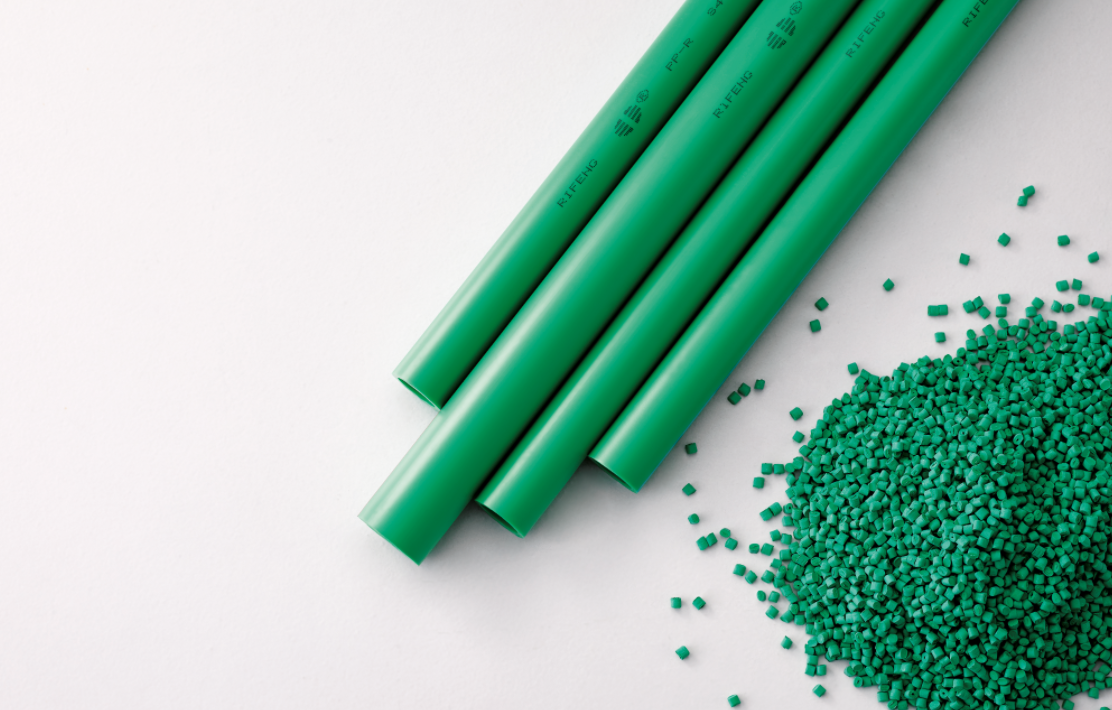
PPR plumbing materials include standard PPR, PPR CT, and PPR fiber reinforced types, each exhibiting eco-friendly characteristics. Standard PPR offers excellent recyclability and resource efficiency. PPR CT, designed for high temperatures, enhances durability, while fiber reinforced versions provide superior strength with additional environmental benefits. Overall, the eco-friendliness of each type arises from factors such as material lifecycle, recyclability, and reduced environmental impact. Further exploration reveals insights into their applications and broader implications in sustainable plumbing practices.
Key Takeaways
- PPR pipes, particularly those made from recyclable thermoplastics, significantly reduce environmental impact compared to traditional plumbing materials.
- PPR Fiber Reinforced pipes combine strength with eco-friendly properties, enhancing durability and reducing resource consumption.
- PPR CT pipes are designed for high-temperature applications while maintaining low greenhouse gas emissions during production and usage.
- The recyclable nature of PPR materials promotes responsible waste management and supports a circular economy.
- Riifo’s commitment to sustainable practices in PPR production exemplifies industry leadership in eco-friendly plumbing solutions.
Building a Sustainable Future with PPR Pipes
The adoption of eco-friendly plumbing materials, particularly PPR pipes, represents a strategic move toward sustainability in the construction industry.
Riifo’s leadership in this sector highlights the importance of utilizing advanced materials that not only reduce environmental impact but also enhance system durability and efficiency.
Why Choose Eco-Friendly Plumbing Materials?
How can the choice of plumbing materials greatly impact environmental sustainability? The selection of eco-friendly options, such as PPR pipes, exemplifies a commitment to sustainability practices that prioritize waste reduction and efficient material sourcing.
Plumbing innovations in this domain minimize resource consumption by utilizing recyclable thermoplastics, greatly lowering greenhouse gas emissions during production. This not only extends the lifespan of plumbing systems but also reduces the frequency of replacements, thereby mitigating environmental strain.
Adopting eco-friendly plumbing materials aligns with broader ecological objectives, fostering a construction landscape that emphasizes resilience and responsibility.
Professionals must recognize the inherent advantages of these materials to contribute meaningfully to a sustainable future while enhancing the performance and reliability of plumbing installations.
Riifo’s Leadership in the Plumbing Industry
Recognized for its commitment to sustainability, Riifo has emerged as a leader in the plumbing industry by championing the use of PPR pipes. The company integrates sustainable practices into its operations, utilizing innovative technologies that enhance the durability and efficiency of its products.
By aligning with market trends that prioritize eco-friendly solutions, Riifo addresses growing consumer awareness regarding environmental impact. Its advocacy for environmental stewardship underscores the importance of using recyclable materials, thereby reducing the carbon footprint associated with plumbing systems.
Additionally, Riifo’s emphasis on long-lasting, low-maintenance PPR pipes contributes to a circular economy, reinforcing its role as a pioneer in sustainable plumbing solutions that meet modern demands while preserving ecological integrity.
About PPR Pipes and Their Types
PPR pipes, composed of random polypropylene, exhibit exceptional durability and resistance to both corrosion and high temperatures, making them suitable for various plumbing applications.
The categorization of PPR materials includes standard PPR, which is widely used for general plumbing, and PPR CT, designed for enhanced thermal resistance and high-pressure systems.
Understanding the distinct types of PPR pipes is essential for selecting the appropriate material for specific installation requirements.
What Are PPR Pipes?
In contemporary plumbing applications, Random Polypropylene (PPR) pipes have emerged as a preferred choice due to their outstanding durability and versatility.
Engineered for a variety of PPR pipe applications, these pipes demonstrate remarkable resistance to corrosion and high temperatures, making them suitable for both residential and industrial settings.
PPR pipe maintenance is minimal, considerably reducing long-term costs. The advantages of PPR fittings include lightweight properties and ease of installation, which enhance efficiency.
Advanced PPR installation techniques, such as thermofusion, guarantee robust and leak-proof connections.
In addition, ongoing PPR pipe innovations continue to improve performance and sustainability, affirming their position as a leading solution in modern plumbing infrastructure.
Different Types of PPR Materials
While exploring the various types of PPR materials, it becomes evident that these pipes can be categorized based on their specific formulations and intended applications.
The primary PPR pipe types include PPR Standard, PPR CT, and PPR Fiber Reinforced, each offering distinct advantages in various plumbing innovations.
PPR Standard is suitable for general plumbing tasks, while PPR CT excels in high-temperature applications due to its enhanced thermal resistance.
PPR Fiber Reinforced combines polypropylene with fibers, providing superior strength for challenging environments.
These sustainable materials contribute to eco-friendly solutions in construction, minimizing environmental impact compared to traditional options.
Material comparisons reveal that PPR pipes not only reduce resource consumption but also enhance efficiency and longevity, making them a preferred choice in modern plumbing systems.
Environmental Benefits of PPR Plumbing Materials
PPR plumbing materials exhibit significant environmental benefits through their eco-friendly composition, energy efficiency, and durability.
The recyclable nature of these materials reduces waste and aligns with sustainable construction practices, while their inherent longevity decreases the frequency of replacements, further minimizing environmental impact.
Additionally, the energy-efficient properties of PPR contribute to lower energy consumption in heating and cooling applications, reinforcing its role in promoting responsible resource use.
Eco-Friendly Composition
Although the construction industry faces increasing scrutiny regarding environmental sustainability, PPR plumbing materials offer a compelling eco-friendly alternative.
Composed of recyclable thermoplastic, these materials are produced through sustainable sourcing practices that minimize their environmental impact. The manufacturing processes yield lower greenhouse gas emissions, aligning with the principles of green technology.
PPR materials often achieve eco-friendly certifications, further validating their commitment to sustainable practices. Their material lifecycle demonstrates resilience and durability, contributing to reduced waste and resource consumption compared to traditional plumbing options.
Energy Efficiency
As energy efficiency becomes increasingly paramount in modern construction, PPR plumbing materials demonstrate significant advantages in maintaining ideal thermal performance. Their low thermal conductivity contributes to effective energy conservation strategies, allowing systems to retain heat without excessive energy loss. This characteristic aligns with sustainable manufacturing practices and promotes eco-conscious consumer choices.
Key benefits of PPR plumbing materials include:
Enhanced insulation properties reducing energy demands.
Compatibility with green plumbing innovations for improved system efficiency.
Lower operational costs through minimized energy consumption.
Long-term cost savings attributed to reduced heating needs.
Contribution to overall sustainability in construction practices.
These attributes render PPR a compelling option for environmentally responsible plumbing solutions, underscoring its role in energy efficiency and sustainable development.
Durability and Longevity
Energy efficiency in plumbing systems naturally leads to reflections on durability and longevity, factors that greatly enhance the environmental benefits of PPR plumbing materials.
Durability factors such as superior corrosion resistance and high-temperature tolerance contribute to the extended service life of PPR systems, resulting in significant longevity benefits. Unlike traditional materials, PPR demonstrates minimal degradation, thereby reducing maintenance considerations and the frequency of replacements.
Performance comparison reveals that PPR outperforms many alternatives, ensuring reliability over time. In addition, installation efficiency is optimized through thermofusion technology, which fosters strong, leak-proof connections.
Collectively, these attributes position PPR as a sustainable choice, minimizing environmental impact while maximizing operational effectiveness in plumbing applications.
The Recyclability of PPR Pipes
The recyclability of PPR pipes plays an important role in reducing environmental impact and promoting sustainability in the plumbing industry.
Understanding the recycling process and how companies like Riifo facilitate a circular economy is essential for evaluating the long-term benefits of these materials.
This discussion will explore the significance of recyclability, the methods involved, and the tangible effects on waste reduction in real-world applications.
Why Recyclability Matters
Although many plumbing materials contribute to environmental degradation, PPR pipes present a compelling case for recyclability, markedly enhancing their sustainability profile. The recyclability of PPR supports critical aspects of eco-friendly practices:
Recycling technologies facilitate the efficient processing of PPR waste, minimizing landfill contributions.
Waste management systems can effectively integrate PPR, promoting responsible disposal and reuse.
Eco certifications validate PPR’s environmental credentials, fostering consumer trust.
Sustainable sourcing of raw materials for PPR aligns with ecological principles, ensuring minimal resource depletion.
A thriving circular economy is bolstered through the continuous reuse of PPR, reducing the need for virgin materials.
These factors underscore the importance of PPR’s recyclability in advancing sustainable plumbing solutions and mitigating environmental impact.
Recycling Process
Recyclability considerably enhances the sustainability profile of PPR pipes, largely attributed to their efficient recycling process.
Various recycling methods, including mechanical and chemical recycling, guarantee that discarded PPR materials are transformed into reusable resources. This process mitigates the environmental impact associated with waste management, as it reduces landfill contributions and conserves natural resources through effective material sourcing.
By reclaiming PPR, manufacturers can minimize reliance on virgin materials, fostering sustainable practices within the industry. The ability to recycle PPR pipes not only extends their lifecycle but also promotes a circular economy, aligning with global initiatives aimed at reducing carbon footprints and enhancing resource efficiency.
How Riifo Promotes a Circular Economy
Riifo actively fosters a circular economy through its commitment to the recyclability of PPR pipes. By implementing innovative recycling techniques, Riifo guarantees that PPR materials can be efficiently processed and repurposed, minimizing waste and resource consumption.
This approach aligns with sustainable material sourcing and contributes to various circular economy benefits, such as:
Reduced environmental impact assessments through lifecycle analysis.
Enhanced resource conservation by utilizing recycled materials.
Lower greenhouse gas emissions during production.
Promotion of eco-friendly manufacturing processes.
Increased lifespan of materials through effective reuse.
Through these practices, Riifo exemplifies how the plumbing industry can support sustainability while meeting the demands of modern construction and infrastructure needs.
Real-World Impact
The recyclability of PPR pipes greatly contributes to sustainable practices within the plumbing industry. By integrating recycled materials into production, manufacturers meet evolving consumer preferences for eco-friendly solutions.
Real-world applications of PPR highlight its alignment with stringent environmental regulations, showcasing a commitment to reducing plastic waste. Industry innovations in PPR technology enhance its lifespan and performance, further promoting sustainability metrics that evaluate material impact.
The lightweight nature and durability of PPR reduce resource consumption during installation and maintenance, reinforcing its status as a preferred choice for environmentally conscious projects.
As recycling processes improve, PPR pipes exemplify a proactive approach to mitigating ecological footprints, ultimately fostering a circular economy within the plumbing sector.
Comparative Analysis: Which PPR Material Is the Most Eco-Friendly?
A comparative analysis of PPR materials requires an examination of key criteria such as environmental impact, recyclability, and performance characteristics.
Significantly, the performance of Riifo PPR pipes is contrasted with those of other brands to evaluate their eco-friendliness.
Future trends indicate a growing emphasis on sustainable production practices that further enhance the environmental benefits of PPR materials.
Key Comparison Criteria
How can one determine the most eco-friendly option among various PPR materials? A thorough PPR material comparison is essential, focusing on criteria that directly influence sustainability and environmental impact.
This evaluation can be structured around the following key factors:
PPR Manufacturing Processes: Evaluating energy consumption and waste generation during production.
Materials Recyclability: Exploring the potential for materials to be reused or repurposed.
Longevity and Durability: Assessing lifespan to reduce the frequency of replacements.
Environmental Impact Assessment: Analyzing emissions and ecological consequences throughout the product lifecycle.
Support for Sustainable Plumbing Practices: Investigating the alignment of materials with eco-friendly alternatives in construction.
These criteria provide a robust framework for individuals and organizations committed to making environmentally responsible choices in plumbing systems.
Riifo vs. Other Brands
When evaluating the eco-friendliness of PPR materials, Riifo emerges as a notable contender against other brands in the market.
Riifo advantages include superior recyclability and reduced resource consumption during production, positioning it favorably in PPR sustainability discussions. Unlike traditional materials, Riifo emphasizes eco-friendly innovations that minimize environmental impact while ensuring durability and longevity.
Brand comparisons reveal that while competitors may offer similar functionality, Riifo’s commitment to sustainability and lower greenhouse gas emissions during manufacturing sets it apart.
Moreover, ongoing future developments in Riifo’s product line continue to prioritize ecological responsibility, showcasing a proactive approach to environmental challenges.
This analysis underscores Riifo’s role in advancing eco-friendly plumbing solutions within the industry.
Future Trends in Eco-Friendly PPR Materials
As the demand for sustainable construction materials increases, future trends in eco-friendly PPR materials are poised to shape the plumbing industry greatly.
Innovative approaches will focus on several key aspects:
Future Innovations: Development of advanced PPR formulations that enhance recyclability and reduce carbon footprints.
Sustainable Practices: Adoption of eco-conscious manufacturing processes that minimize waste and emissions.
Material Sourcing: Utilization of renewable resources and recycled materials to produce PPR products.
Market Trends: Growing consumer preference for eco-friendly plumbing solutions driving market evolution.
Environmental Regulations: Stricter compliance measures influencing material choices and production methods.
These trends will collectively redefine the landscape of PPR plumbing materials, promoting sustainability while adhering to stringent environmental regulations.
Applications of Eco-Friendly PPR Pipes in Modern Plumbing
Eco-friendly PPR pipes are increasingly utilized in modern plumbing applications across residential, commercial, and industrial sectors due to their durability and sustainability.
Their compatibility with green building certifications further enhances their appeal, aligning with contemporary environmental standards.
This versatility positions PPR pipes as a preferred choice for efficient plumbing systems that prioritize both performance and ecological responsibility.
Residential Plumbing
The integration of PPR pipes into residential plumbing systems represents a significant advancement in sustainable construction practices.
These installations exemplify eco-friendly solutions that align with modern plumbing innovations while promoting water conservation.
The benefits of PPR pipes in residential applications include:
Enhanced durability, reducing the need for frequent replacements
Resistance to corrosion, ensuring water purity and quality
Lightweight design, facilitating easier handling and installation
Compatibility with green certifications, promoting eco-friendly installations
Energy efficiency through low thermal conductivity, maintaining temperature effectively
As homeowners increasingly prioritize sustainable plumbing solutions, PPR pipes offer an ideal choice that combines performance, longevity, and environmental responsibility, paving the way for a greener future in residential plumbing.
Commercial and Industrial Plumbing
Utilizing PPR pipes for commercial and industrial plumbing applications presents a strategic advantage in achieving both efficiency and sustainability.
These pipes are pivotal in implementing sustainable practices that enhance industrial efficiency while ensuring robust resource management. Their lightweight nature and high resistance to corrosion contribute to eco-friendly innovations, facilitating seamless integration into various systems, including heating and compressed air networks.
Additionally, PPR pipes comply with environmental regulations, promoting environmental compliance in industrial settings. Their longevity and low maintenance requirements further reduce resource consumption, aligning with the principles of sustainability.
Consequently, the adoption of PPR pipes not only optimizes operational performance but also fosters a commitment to ecological stewardship in the commercial and industrial plumbing landscape.
Green Building Certifications
Green building certifications play a significant role in promoting sustainable practices within modern plumbing systems, where the integration of eco-friendly materials such as PPR pipes is increasingly recognized.
These certifications guarantee compliance with stringent construction standards and environmental policies, which foster sustainable design. PPR pipes, with their recyclable composition and low environmental impact, align well with these green certifications.
Key benefits include:
Reduced greenhouse gas emissions during production
Longevity and low maintenance requirements
Corrosion resistance enhancing durability
Safe application for potable water systems
Flexibility in design and installation
Challenges and Opportunities in the PPR Industry
Numerous challenges and opportunities exist within the PPR industry, shaped by evolving market demands and technological advancements. The challenges faced include fluctuating raw material costs, stringent regulatory impacts, and competition from alternative materials. These factors can hinder production efficiency and innovation.
However, opportunities arising from increased awareness of eco-friendly plumbing solutions present a favorable market demand. Technological advancements, particularly in thermofusion techniques, enhance installation reliability and reduce labor costs, allowing for broader adoption across various sectors.
In addition, the push for sustainable practices creates a niche for PPR products, as they offer significant environmental benefits. By leveraging these opportunities while addressing challenges, stakeholders can position themselves advantageously within the competitive landscape of the plumbing industry.
Frequently Asked Questions
How Do PPR Materials Impact Indoor Air Quality?
Like a guardian of health, PPR materials minimize indoor pollutants through superior moisture control and reduced chemical off-gassing. Their contribution to ventilation efficiency upholds health standards, ensuring a safer environment within residential and commercial spaces.
Are There Any Harmful Chemicals in PPR Pipes?
The chemical composition of PPR pipes typically adheres to safety regulations, minimizing health risks. Their manufacturing process emphasizes environmentally responsible practices, greatly reducing potential harmful substances, consequently ensuring a favorable environmental impact in plumbing applications.
What Is the Lifespan of PPR Plumbing Materials?
PPR pipe longevity promises impressive installation lifespans due to minimal maintenance requirements. Its environmental durability enhances overall usage lifespan, ensuring reliable performance and reduced replacement frequency, making it a preferred choice for sustainable plumbing solutions.
How Are PPR Pipes Disposed of at the End of Life?
PPR pipe disposal necessitates adherence to sustainable practices, emphasizing end-of-life recycling. This mitigates environmental impact, enhances waste management efficiency, and promotes circular economy principles, thereby ensuring responsible handling of materials and reducing landfill contributions.
Can PPR Pipes Be Recycled Locally?
PPR pipes can often be recycled locally, contributing to environmental benefits and effective waste management. However, community initiatives face recycling challenges, such as limited facilities and awareness, impacting the overall efficiency of local recycling efforts.
Conclusion
To summarize, the evaluation of various PPR plumbing materials reveals significant differences in their environmental impact. Among them, PPR-CT (Cross-Linked Polypropylene) demonstrates superior recyclability and longevity, making it a standout choice for sustainable construction. For instance, a hypothetical case study of a green building project utilizing PPR-CT pipes could showcase reduced resource consumption and waste generation, ultimately contributing to a lower carbon footprint. As the plumbing industry evolves, such informed choices will play a pivotal role in fostering eco-friendly practices.