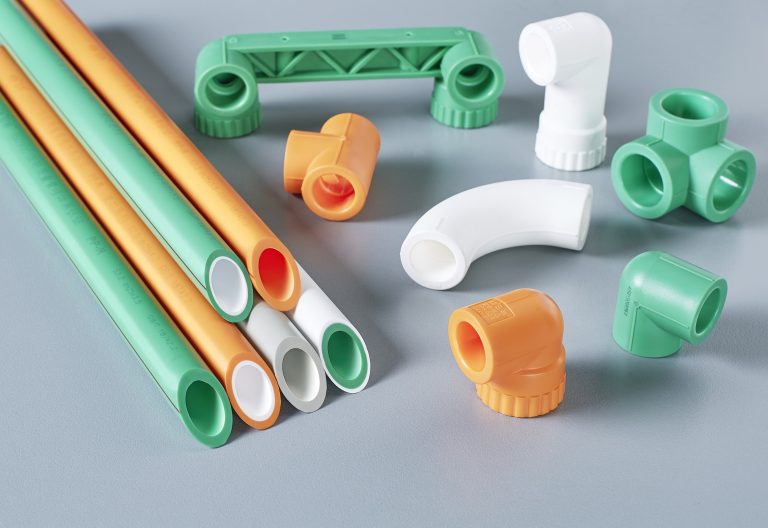
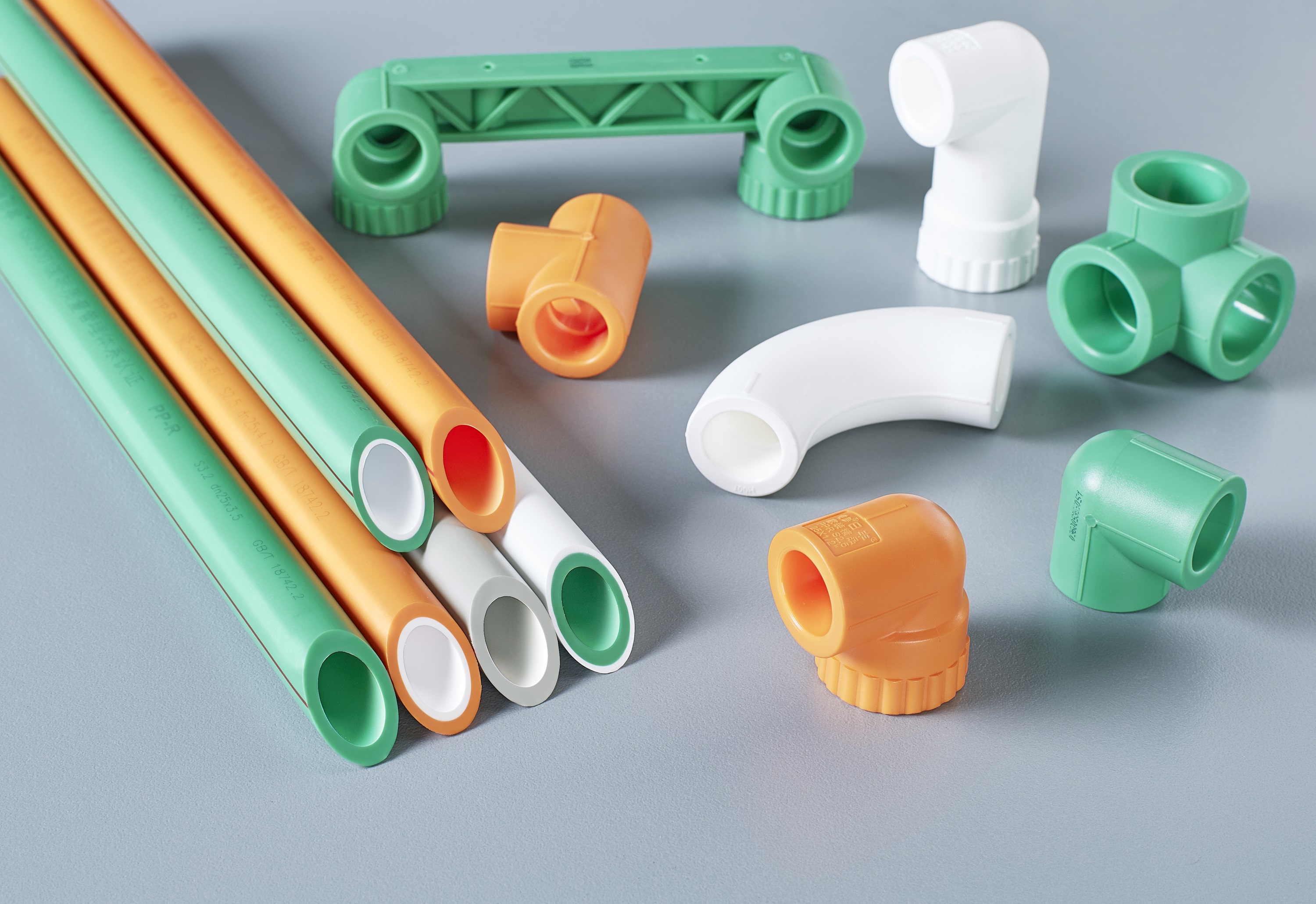
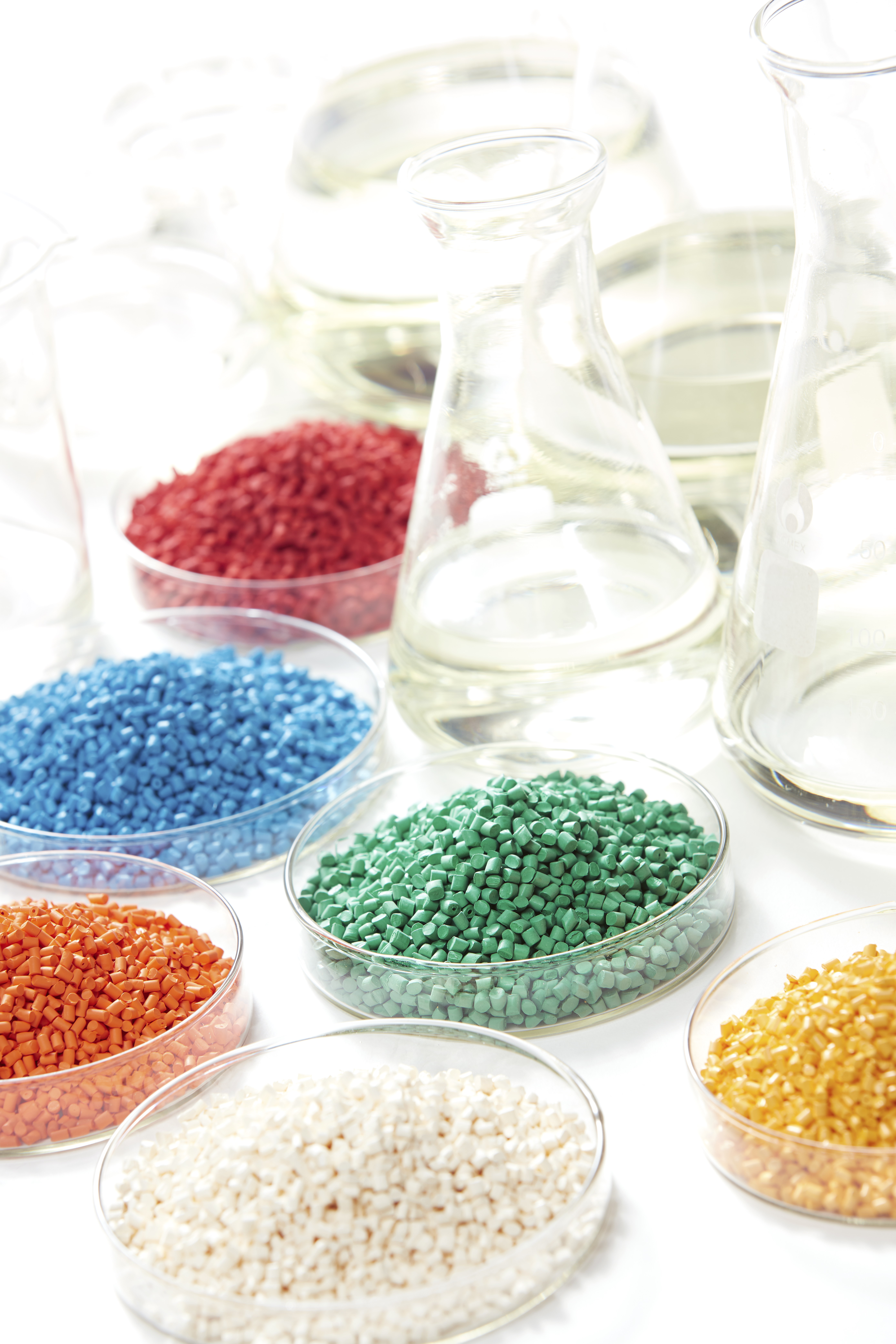
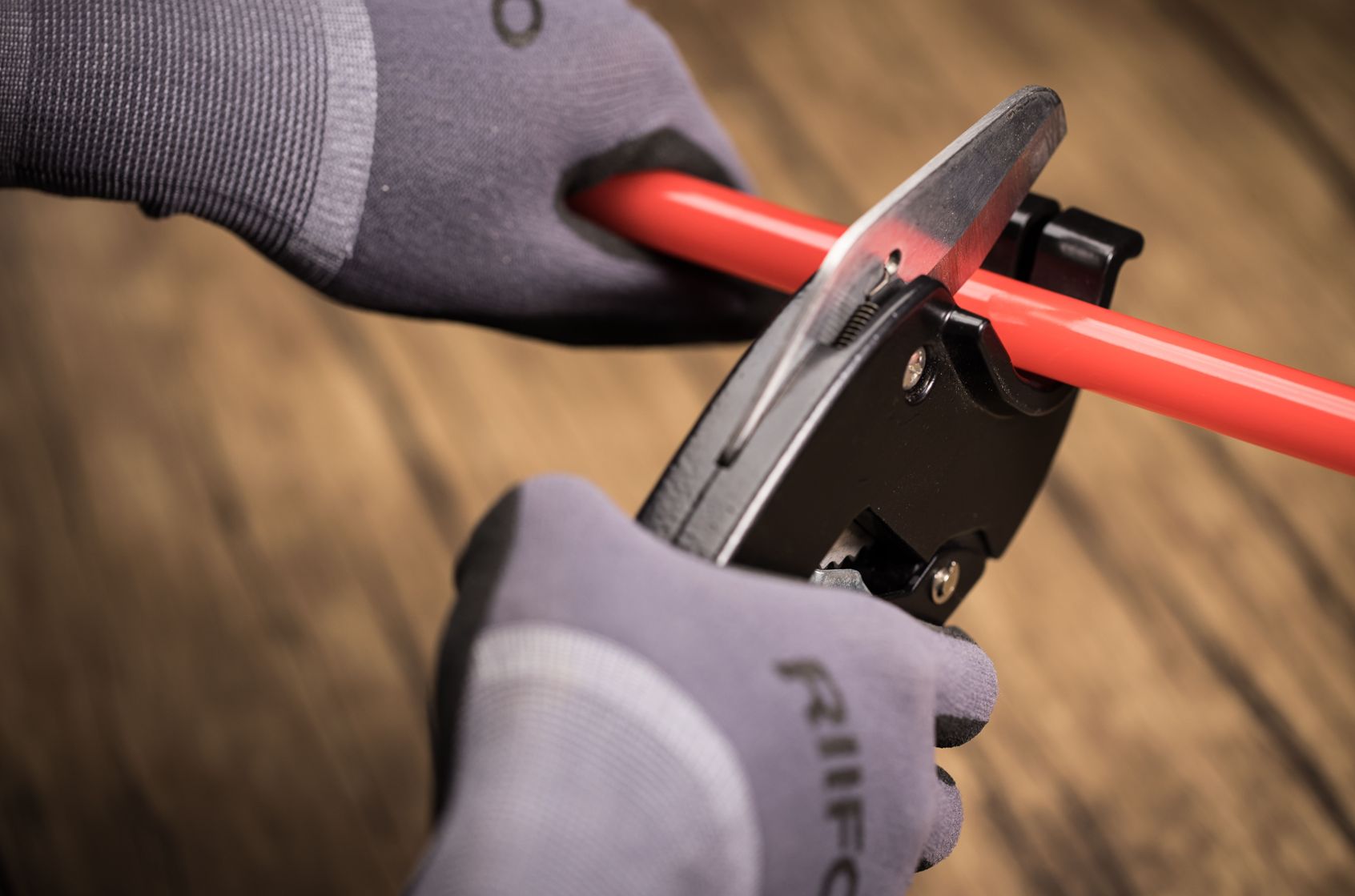
PPR pipes are utilized in various systems due to their high durability, chemical resistance, and low thermal conductivity. They are essential in plumbing for hot water distribution, industrial pipelines for transporting chemicals, radiant floor heating systems for efficient heat distribution, and furniture design for enhanced longevity. Their applications also extend to specialized installations, such as swimming pools and fluid management systems. Understanding their versatility reveals further insights into the advantages they offer across multiple sectors.
Key Takeaways
- PPR pipes efficiently distribute hot water in plumbing systems, optimizing performance with low thermal conductivity.
- They are essential in industrial pipeline systems for transporting chemicals, providing corrosion resistance and safety compliance.
- In radiant floor heating systems, PPR pipes ensure effective heat distribution and minimal heat loss due to their high-temperature resistance.
- PPR pipes are increasingly used in furniture design, offering lightweight, durable options that enhance aesthetic appeal and functionality.
- Their versatility extends to swimming pools and sewage systems, demonstrating superior thermal resistance and low maintenance requirements.
Introduction
In recent years, the adoption of Polypropylene Random Copolymer (PPR) pipes has gained significant momentum in the construction industry due to their superior properties and versatility.
- The PPR pipe benefits include high durability, chemical resistance, and low thermal conductivity, making them ideal for various applications.
- PPR pipes offer exceptional durability, chemical resistance, and low thermal conductivity, making them suitable for diverse applications.
- Installation techniques have evolved, allowing for efficient fusion welding, which enhances the integrity of joints while minimizing potential leaks.
- A thorough cost comparison reveals that, despite higher initial costs, PPR pipes offer long-term savings through reduced maintenance and longevity.
As global market trends favor eco-friendly solutions, future innovations in PPR technology are anticipated to further enhance performance and sustainability, solidifying their position as a preferred choice in modern construction practices.
Key Characteristics of PPR Pipes
PPR pipes exhibit several key characteristics that enhance their applicability across various systems.
Their high-temperature and pressure resistance, coupled with exceptional corrosion resistance, make them suitable for demanding environments.
Additionally, their environmental friendliness and ease of installation contribute to their growing popularity in modern construction and plumbing applications.
High Temperature Resistance
While many piping materials struggle under extreme temperatures, PPR pipes exhibit remarkable high-temperature resistance, allowing them to function effectively in applications involving hot water systems.
Capable of withstanding temperatures up to 95°C, PPR pipes are particularly advantageous in high temperature applications. Their low thermal conductivity contributes to significant thermal efficiency benefits, minimizing heat loss during fluid transfer.
This characteristic guarantees reliable long-term performance, reducing the risk of failure in demanding environments. Furthermore, the ease of installation methods associated with PPR pipes further enhances their appeal, as they can be joined without complex techniques.
Ultimately, the combination of high-temperature resilience and reliability factors positions PPR pipes as a superior choice for various plumbing and heating systems.
Pressure Resistance
Pressure resistance is a critical characteristic of PPR pipes, underscoring their suitability for various applications.
These pipes are rigorously pressure tested to guarantee they meet established pressure ratings, which are essential for maintaining structural integrity under operational conditions. Proper pressure maintenance is crucial to prevent failures that could compromise system safety and functionality.
PPR pipes are designed to handle a range of pressure applications, including water supply systems and heating installations, where fluctuations in pressure are common. Their robust construction contributes to pressure safety, allowing them to withstand high-pressure scenarios without deformation or leakage.
This makes PPR pipes a superior choice for engineers seeking reliable solutions in demanding environments.
Corrosion Resistance
Corrosion resistance is a defining attribute of PPR pipes, ensuring their longevity and reliability in diverse applications. Unlike traditional materials, PPR pipes are impervious to various corrosion mechanisms, which greatly enhances their durability.
The inherent properties of polypropylene random copolymer prevent degradation from acidic and alkaline environments, mitigating risks associated with chemical corrosion. Effective corrosion prevention is further supported by low maintenance practices, as PPR pipes require minimal intervention to maintain their integrity.
Additionally, their resilience against environmental factors, such as humidity and temperature fluctuations, contributes to long-term durability. Consequently, PPR pipes provide a sustainable solution for fluid transport in both residential and industrial settings, offering a dependable alternative to conventional piping materials.
Environmental Friendliness
Given their composition and manufacturing process, PPR pipes exhibit significant environmental friendliness, making them a sustainable choice for various applications.
Constructed from eco-friendly materials, these pipes align with modern sustainability practices and comply with stringent environmental regulations. Their recyclable nature supports recycling initiatives, thereby reducing landfill waste and promoting a circular economy.
Moreover, PPR pipes contribute to green construction methodologies by minimizing the carbon footprint associated with traditional piping systems. Their non-toxic properties guarantee safety in potable water applications, enhancing overall public health.
The longevity and durability of PPR pipes additionally amplify their environmental benefits, as they reduce the frequency of replacements, ultimately conserving resources and energy in the long term.
Ease of Installation
The environmental benefits of PPR pipes extend beyond their sustainable composition to include significant advantages in installation. Their lightweight nature facilitates efficient handling and reduces labor costs associated with installation techniques.
PPR pipes are available in various pipe sizing options, allowing for flexibility in design and layout. The use of fusion welding for joint types enhances the reliability of connections, ensuring a leak-proof system that minimizes future maintenance practices.
Furthermore, the simplicity of installation contributes to overall cost considerations, as reduced installation time translates to lower project expenses. Consequently, the combination of these factors positions PPR pipes as an excellent choice for modern plumbing applications, streamlining the installation process without compromising performance or safety.
Applications of PPR Pipes in Various Systems
PPR pipes demonstrate versatile applications across various systems, including hot and cold water supply, industrial pipelines, and radiant floor heating.
Their durability and resistance to corrosion make them suitable for specialized applications, ranging from furniture design to intricate infrastructure projects.
This adaptability positions PPR pipes as a preferred choice in both residential and industrial settings.
Water Pipe Systems (Hot and Cold Water)
PPR pipes are increasingly utilized in both cold and hot water pipeline systems due to their high thermal resistance and corrosion resistance properties.
Their ability to maintain water quality while withstanding varying temperatures up to 95°C makes them suitable for diverse applications in residential, commercial, and industrial settings.
An analysis of their advantages reveals significant long-term benefits, including durability, low maintenance costs, and environmentally friendly characteristics.
Cold Water Pipelines
Cold water pipelines play an essential role in modern plumbing systems, particularly in residential, commercial, and industrial applications. PPR pipes offer several cold water benefits, including durability and corrosion resistance. Effective installation techniques guarantee compliance with regulatory standards, while maintenance tips enhance longevity. They typically feature pressure ratings suited for varying environments, making them a reliable choice for cold water distribution.
| Feature | Benefits | Considerations |
| Cold Water Benefits | Durability, Corrosion Resistance | Installation Techniques |
| Pressure Ratings | High Pressure Tolerance | Maintenance Tips |
| Regulatory Standards | Compliance Assurance | Installation Techniques |
Hot Water Pipelines
Hot water pipelines are essential components in modern plumbing systems, facilitating the efficient distribution of heated water in residential and commercial settings.
PPR pipes optimize hot water efficiency through low thermal conductivity and effective thermal insulation.
However, installation challenges, including proper fitting methods, must be addressed.
Maintenance considerations are crucial to guarantee longevity and performance, mitigating potential issues in high-temperature environments.
Summary of Advantages
While various piping materials are available for water supply systems, the advantages of utilizing PPR pipes in both hot and cold water applications are significant.
PPR pipe benefits include durability, corrosion resistance, and low thermal conductivity, aligning with industry standards.
Efficient installation techniques contribute to market growth, while their environmentally friendly properties enhance sustainability, minimizing overall environmental impact in diverse applications.
Industrial Pipeline Systems
PPR pipes serve a critical role in industrial pipeline systems, particularly within chemical and pharmaceutical sectors, where resistance to corrosion and chemical degradation is essential.
Their ability to maintain integrity under varying pressures and temperatures makes them suitable for transporting a wide range of fluids and chemicals.
Case studies highlight their effectiveness in ensuring safety and efficiency in demanding industrial applications.
Chemical, Pharmaceutical, and Other Industries
Chemical and pharmaceutical industries extensively rely on high-performance piping solutions to guarantee the safe and efficient transport of various fluids.
PPR pipes are integral in chemical transport and pharmaceutical storage, meeting stringent safety standards and regulatory compliance. Their corrosion resistance and durability make them suitable for industrial manufacturing environments, ensuring reliable performance while adhering to the rigorous requirements of these critical sectors.
Application Examples
Industries increasingly prioritize high-performance piping systems for the transportation of fluids in various applications.
PPR pipe advantages, such as corrosion resistance and durability, enhance operational efficiency. These pipes require minimal PPR pipe maintenance throughout their lifecycle, facilitated by reliable PPR pipe fittings.
Recent PPR pipe innovations further optimize performance, making them indispensable in sectors like chemicals, pharmaceuticals, and food processing, ensuring safe and efficient fluid management.
Radiant Floor Heating Systems
Radiant floor heating systems leverage PPR pipes for efficient heat distribution across surfaces.
The low thermal conductivity of PPR minimizes heat loss, while its high-temperature resistance guarantees peak performance in heated environments.
Additionally, the long lifespan of PPR pipes contributes to the reliability and sustainability of these heating applications.
Floor Heating Pipes
When considering efficient heating solutions for modern buildings, PPR pipes serve as a reliable choice for floor heating applications.
Their low thermal conductivity enhances thermal efficiency, while advanced installation techniques streamline the setup process.
PPR pipes contribute to significant energy savings and require minimal system maintenance, making them an ideal selection for underfloor heating systems in both residential and commercial environments.
Advantages
Numerous advantages characterize the use of PPR pipes in radiant floor heating systems, making them a preferred material in modern construction.
Key benefits include enhanced PPR pipe safety against high temperatures, minimal PPR pipe maintenance due to durability, and compliance with stringent PPR pipe regulations.
These factors contribute to a robust PPR pipe market, driven by ongoing PPR pipe innovations that optimize thermal efficiency and reliability.
Furniture Applications
PPR pipes are increasingly being utilized in furniture design due to their lightweight, durable, and corrosion-resistant properties.
Compared to traditional materials such as wood and metal, PPR offers enhanced longevity and lower maintenance requirements, making it an appealing option for modern furniture applications.
This shift towards PPR in furniture manufacturing reflects a broader trend towards sustainable and efficient material usage in design.
Use in Furniture
The application of PPR pipes in furniture design reflects an innovative approach to combining functionality with aesthetic appeal.
PPR pipe designs offer versatility through PPR furniture fittings, enabling custom configurations. The lightweight nature of PPR facilitates unique PPR furniture applications, while the sleek PPR pipe aesthetics enhance visual appeal.
Moreover, PPR pipe customization allows for tailored solutions, meeting diverse consumer preferences in modern furniture design.
Comparison to Traditional Materials
When evaluating furniture materials, a notable distinction arises between PPR pipes and traditional materials like wood and metal.
PPR pipe benefits include superior durability and corrosion resistance, minimizing maintenance costs.
Installation techniques for PPR are streamlined, enhancing efficiency.
Cost comparison reveals long-term savings due to longevity.
Current market trends favor such material innovations, positioning PPR as a viable alternative in furniture applications.
Other Specialized Applications
PPR pipes demonstrate versatility beyond conventional plumbing applications, finding specialized use in swimming pools and hot springs due to their corrosion resistance and ability to handle varying temperatures.
Additionally, they serve effectively in sewage and stormwater systems, providing reliable solutions for fluid management in challenging environments.
Their properties also make them a preferred alternative to stainless steel and non-metallic pipes in various industrial contexts, offering a blend of durability and cost efficiency.
Swimming Pools and Hot Springs
Utilization of PPR pipes in swimming pools and hot springs represents a significant advancement in plumbing solutions for recreational and therapeutic water systems.
Key benefits include:
Enhanced water circulation ensuring ideal temperature control.
Superior resistance to thermal fluctuations, maintaining system efficiency.
Low maintenance requirements, promoting long-term operational reliability.
These features collectively contribute to an effective and efficient management of aquatic environments.
Sewage and Storm Water Systems
The application of PPR pipes extends beyond recreational uses, finding significant relevance in sewage and storm water systems. PPR’s corrosion resistance and durability enhance sewage system integration and storm water management. Effective installation techniques and maintenance practices guarantee longevity and reliability, showcasing the PPR pipe benefits in challenging environments.
| Application | Benefits | Techniques |
| Sewage Systems | Corrosion-resistant, durable | Fusion welding |
| Storm Water Systems | Efficient flow management | Proper slope installation |
| Maintenance | Low upkeep requirements | Regular inspections |
| Integration | Seamless connections | Jointing methods |
Alternative to Stainless Steel and Non-Metallic Pipes
When considering alternatives to stainless steel and non-metallic pipes, PPR pipes emerge as a formidable option due to their superior performance characteristics and versatility across various specialized applications.
Key advantages include:
Cost Analysis: Reduced lifetime costs due to durability.
Installation Techniques: Simplified fusion welding for leak-proof joints.
Market Trends: Increasing adoption driven by PPR Pipe Innovations and adherence to Quality Standards.
Future Trends for PPR Pipes
As the demand for sustainable building materials increases, future trends for PPR pipes are poised to reflect advancements in technology and environmental consciousness.
Future innovations in PPR pipe manufacturing are expected to focus on material enhancements that improve durability and resistance to extreme conditions, thereby elevating their utility across various applications.
Market expansion is anticipated as industries prioritize eco-friendly solutions, aligning with global sustainability initiatives.
Technological advancements will likely facilitate the integration of smart systems within PPR infrastructure, optimizing fluid management.
Additionally, the development of new fusion techniques could further enhance installation efficiency and joint integrity, reinforcing the competitive edge of PPR pipes in the evolving construction landscape.
Frequently Asked Questions
Are PPR Pipes Suitable for Outdoor Installations?
PPR pipes exhibit notable advantages for outdoor installations, including exceptional weather resistance and durability. However, potential disadvantages arise from UV exposure, necessitating adherence to installation guidelines to mitigate degradation and guarantee longevity in harsh environments.
How Do PPR Pipes Compare to PVC Pipes?
In a city’s plumbing overhaul, PPR pipe advantages, such as superior material durability and cost efficiency, contrast sharply with PVC pipe disadvantages, particularly installation complexity and reduced longevity, illustrating the benefits of choosing PPR for modern infrastructure.
Can PPR Pipes Be Recycled After Use?
PPR pipe disposal emphasizes environmental impact, as PPR pipe durability allows for effective recycling processes. Through proper recycling, PPR pipes can be reused, minimizing waste and promoting sustainable practices within construction and plumbing industries.
What Is the Average Lifespan of PPR Pipes?
The average lifespan of PPR pipes, akin to a steadfast sentinel, exceeds 50 years. Their durability minimizes maintenance, reducing overall costs while ensuring advantages in installation efficiency, making them a premier choice in plumbing systems.
Do PPR Pipes Require Special Tools for Installation?
PPR pipes require minimal tool requirements for installation, primarily utilizing heat fusion techniques. Proper joint connections and pipe fittings are essential, ensuring a secure and durable assembly without the need for additional adhesives or chemical agents.
Conclusion
In conclusion, PPR pipes serve as the backbone of modern infrastructure, akin to the circulatory system in a living organism, transporting essential resources with efficiency and reliability. Their durability, chemical resistance, and eco-friendliness position them as a superior choice across diverse applications, from residential plumbing to industrial processes. As technology evolves, the continued integration of PPR pipes will likely enhance their performance and adaptability, ensuring they remain a cornerstone of sustainable construction practices for years to come.