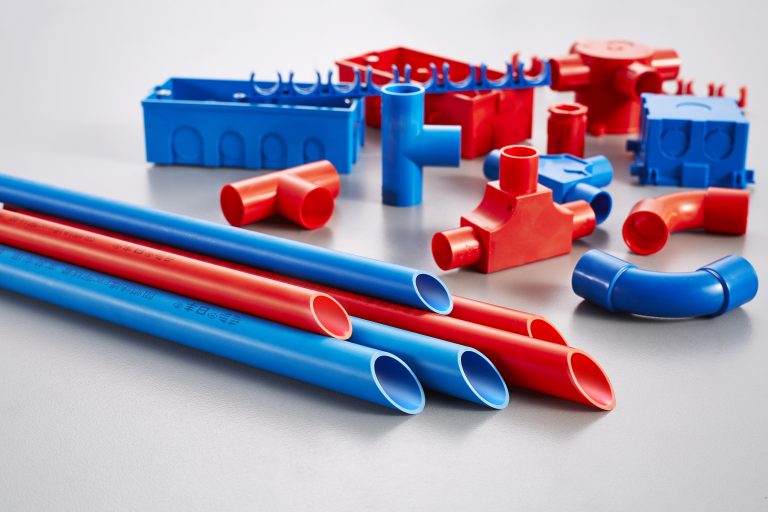
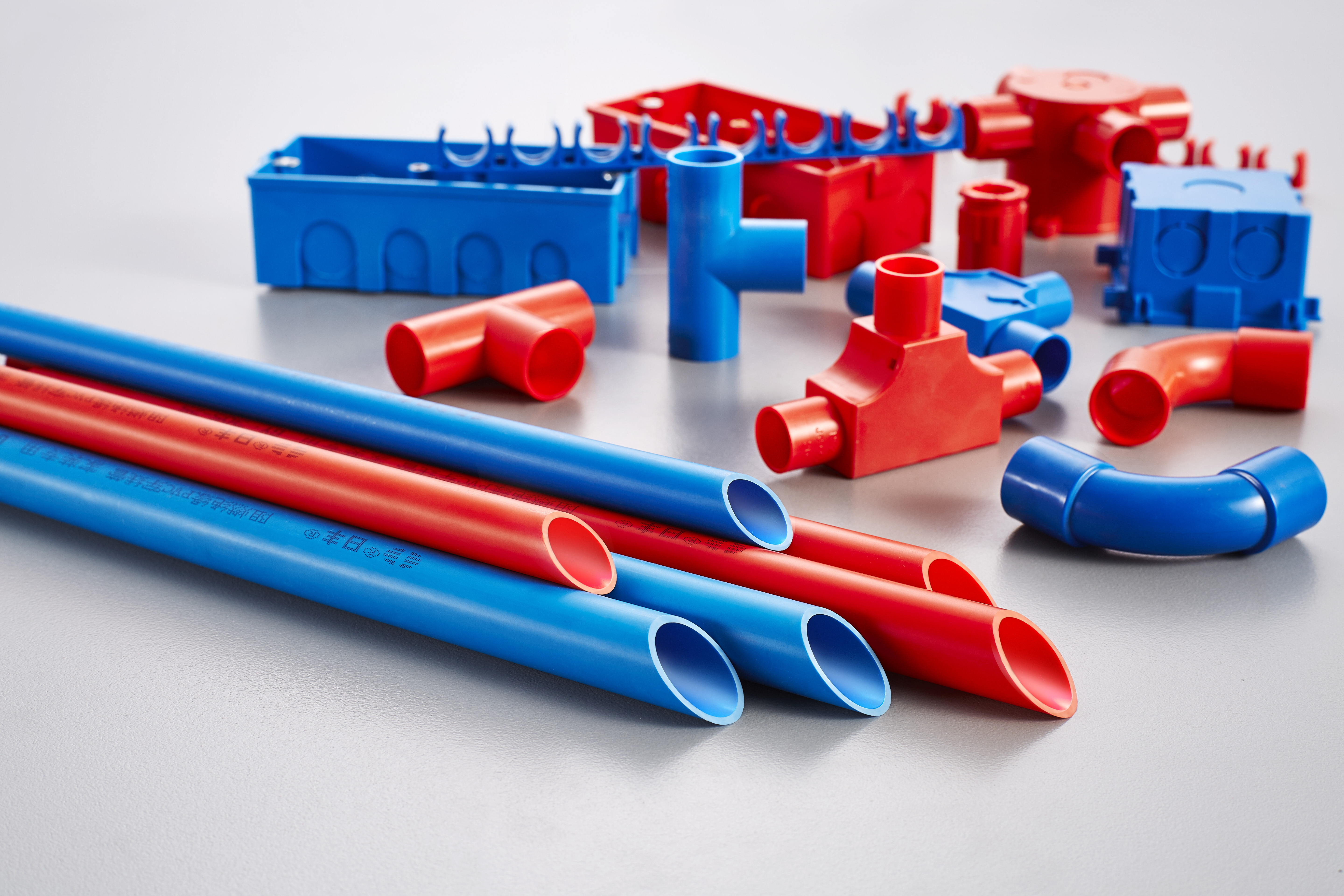


A PVC conduit system is a durable framework made of rigid polyvinyl chloride, designed to protect and route electrical wiring. It includes various types such as Schedule 40 and Schedule 80 conduits, each suited for different environments. Benefits include corrosion resistance, lightweight installation, and safety compliance. These systems adhere to strict standards and certifications ensuring performance and reliability. Applications range from residential to industrial settings, addressing specific wiring needs. Further exploration reveals additional insights into its components and installation best practices.
Key Takeaways
- PVC conduit systems are rigid structures made from polyvinyl chloride, designed to protect and route electrical wiring safely.
- Types include rigid conduits like Schedule 40 and Schedule 80, along with flexible ENT and specialized underground ducts.
- Benefits include electrical insulation, UV and chemical resistance, cost-effectiveness, and ease of installation, enhancing overall safety and durability.
- Various industry standards, such as NEC and UL 651, ensure compliance, safety, and performance of PVC conduit systems.
- Common applications encompass residential, commercial, and industrial settings, providing reliable wiring solutions in diverse environments.
Why Conduit Systems Matter?
Electrical conduit systems serve as critical components in the safe and efficient management of electrical wiring within structures. The importance of PVC conduit in construction is underscored by its protective properties against environmental factors. These properties help in reducing risks of electrical hazards.
What is an Electrical Conduit System?
An electrical conduit system serves as an essential infrastructure component in the design and implementation of safe electrical installations. This system facilitates the routing and protection of electrical wiring, utilizing various PVC color variations to indicate different applications and environments.
The selection of conduit pipe diameter is critical, as it must accommodate the number of conductors while ensuring compliance with electrical codes. Effective conduit installation tools enhance the efficiency and accuracy of assembly, while advanced weatherproofing techniques safeguard against environmental impacts such as moisture and UV exposure.
Ultimately, an electrical conduit system not only promotes safety and reliability but also minimizes the environmental impact associated with electrical installations, demonstrating its indispensable role in modern construction.
Importance of PVC Conduit in Construction
Why is the role of PVC conduit systems pivotal in construction? PVC conduit serves as a crucial component in electrical systems, offering protection for wiring against environmental hazards.
The choice of PVC pipe as a conduit material ensures durability, chemical resistance, and lightweight handling, making it optimal for various conduit designs.
Proper conduit installation adheres to regulatory standards, such as NEC guidelines, ensuring safety and reliability in electrical infrastructure.
Additionally, PVC conduits are non-conductive, mitigating electrical hazards while providing flexibility for installation in diverse settings.
Their resistance to corrosion, moisture, and UV exposure enhances longevity, making them indispensable in both residential and industrial applications.
Thus, PVC conduit systems significantly contribute to the effectiveness and safety of modern construction projects.
What Is a PVC Conduit System?
A PVC conduit system is comprised of rigid tubes made from polyvinyl chloride, designed specifically for the protection and routing of electrical wiring.
Distinct from plumbing PVC, electrical PVC conduits feature thinner walls and are not pressure-rated, making them more suitable for electrical applications.
Common components of these systems include various fittings, couplings, and junction boxes, which facilitate secure connections and accessibility within electrical installations.
Properties of PVC as a Material
How does the composition of PVC contribute to its effectiveness as a conduit material? PVC, or polyvinyl chloride, exhibits remarkable chemical properties, including resistance to corrosion, moisture, and UV degradation, making it ideal for diverse environments.
Its lightweight nature facilitates ease of installation while ensuring structural integrity. The typical conduit color, often grey for electrical applications, enhances visibility and aids in compliance with industry standards.
Additionally, the environmental impact of PVC is mitigated through ongoing advancements in PVC recycling, although challenges remain regarding the quality of recycled materials.
Ultimately, the unique properties of PVC, combined with innovative recycling methods, position it as a preferred choice for durable and effective conduit systems in both residential and industrial applications.
Differences Between Plumbing PVC and Electrical PVC
The distinctions between plumbing PVC and electrical PVC are essential for ensuring the appropriate application of each type within their respective fields. Plumbing PVC pipe, typically white, is designed with thicker walls and is pressure-rated for transporting fluids.
In contrast, electrical PVC, often characterized by its grey color, features thinner walls optimized for wire protection and is not pressure-tested. Additionally, electrical PVC conduit possesses inherent UV resistance, safeguarding it against degradation from sunlight exposure.
While plumbing PVC is less resistant to UV impact, these plumbing differences underscore the necessity for correct material selection to maintain integrity and safety within plumbing and electrical systems. Ensuring compliance with relevant standards and enhancing overall performance are critical considerations when choosing between these materials.
Common Components of a PVC Conduit System
Within a PVC conduit system, several key components work collaboratively to guarantee the effective routing and protection of electrical wiring. The primary element, the PVC pipe, is typically grey in color, distinguishing it from plumbing PVC, which is white.
Essential fittings such as couplings, elbows, and junction boxes facilitate various installation methods while ensuring compliance with regulatory standards like NEC guidelines. Additionally, conduit bodies provide access for maintenance and wire management.
Considerations for material recycling are also essential, as the industry increasingly emphasizes sustainability. High-quality new materials are preferred over recycled options to maintain structural integrity and performance, especially in applications demanding robustness and longevity.
Understanding these components is crucial for professionals in electrical installation and design.
Types of PVC Conduit Systems
The types of PVC conduit systems include rigid conduits such as Schedule 40 and Schedule 80, flexible Electrical Nonmetallic Tubing (ENT), and specialized underground ducts like DB60, DB100, and EB35. Each type is designed to meet specific installation requirements and environmental conditions, providing varying levels of protection and flexibility.
Additionally, comparisons between PVC and metal conduits highlight differences in performance, cost, and application suitability.
Rigid Conduit: Schedule 40 & 80
Rigid conduit systems, specifically Schedule 40 and Schedule 80 PVC conduits, serve critical roles in electrical installations by providing robust protection for wiring in various environments. Schedule 40 is designed for less demanding applications, while Schedule 80 offers enhanced strength for industrial and hazardous conditions.
Conduit color coding typically distinguishes these schedules, aiding in proper selection and installation.
Both schedules facilitate conduit installation safety, reducing risks associated with electrical hazards.
A detailed pipe material comparison reveals that PVC conduits are lightweight and corrosion-resistant, making them a sustainable choice with a lower environmental impact than metal alternatives.
Moreover, understanding PVC conduit recycling remains essential for maximizing sustainability in electrical projects.
Flexible ENT Conduit
Flexible ENT (Electrical Nonmetallic Tubing) conduit represents a specialized variant of PVC conduit systems, designed to provide a lightweight and highly flexible option for electrical wiring installations. This type of flexible conduit is particularly advantageous in environments requiring intricate routing and bends, allowing for ease of installation.
Conduit connectors and accessories enhance the versatility of ENT systems, facilitating secure connections and passages between conduit segments.
The installation process involves minimal tools and techniques, making it accessible for various applications, including residential and commercial projects.
Regular conduit maintenance is essential to guarantee long-term performance and compliance with safety standards.
Underground Ducts: DB60 / DB100 / EB35
Underground ducts, specifically DB60, DB100, and EB35 types, represent essential components within PVC conduit systems designed for subterranean electrical installations. These ducts provide robust protection for electrical wiring against environmental impacts, making certain of safety and reliability in various applications.
DB60: Ideal for light-duty underground installations, offering durability and flexibility.
DB100: Engineered for heavy-duty applications, ensuring superior strength and resistance to external pressures.
EB35: A specialized option for areas requiring enhanced moisture resistance.
Despite their advantages, these ducts face recycling challenges and environmental impacts stemming from raw material sourcing and manufacturing processes. The quality of materials used is critical, as inferior materials can compromise system integrity and sustainability, necessitating careful selection to ensure long-term performance.
PVC vs. Metal Conduits
The choice between PVC and metal conduits substantially impacts the performance and safety of electrical systems. PVC conduits offer diverse color options for color coding, facilitating easier identification of circuits. Their manufacturing process emphasizes lightweight, corrosion-resistant properties, making them suitable for various environments.
In contrast, metal conduits provide robust mechanical protection but can be heavy and prone to corrosion without proper treatment. The environmental impact of PVC is significant; while it is recyclable, the challenge remains in processing and ensuring quality. Metal conduits, although recyclable, often require more energy-intensive processes.
Ultimately, the decision requires careful consideration of factors such as installation conditions, long-term durability, and environmental sustainability, aligning with industry standards and project requirements.
Key Advantages of PVC Conduit Systems
PVC conduit systems offer significant advantages in electrical applications, primarily due to their inherent electrical insulation and safety features.
Additionally, their resistance to weather and chemical exposure enhances durability, making them suitable for various environments.
Cost-effectiveness and a long service life further contribute to their appeal, alongside ease of installation that streamlines project execution.
Electrical Insulation & Safety
How does electrical insulation contribute to the safety of conduit systems? The insulation properties of PVC conduits markedly reduce electrical conductivity, mitigating the risk of shocks and short circuits. Their dielectric strength ensures that high voltage ratings are safely sustained, making them suitable for various applications.
Moreover, PVC conduits exhibit fire resistance, providing additional protection against potential fire hazards.
Prevents electrical leaks and hazards, enhancing system reliability.
Resists environmental factors, ensuring consistent performance in harsh conditions.
Complies with industry standards, ensuring adherence to safety regulations.
Weather and Chemical Resistance
Weather and chemical resistance are significant advantages of PVC conduit systems, enhancing their suitability for various applications. These conduits exhibit exceptional UV resistance, ensuring long-lasting performance in sunlight-exposed environments. Their robust chemical resistance provides corrosion protection against numerous harsh substances, making them ideal for industrial and outdoor settings. The weather durability of PVC conduits contributes to their reliability, allowing safe and effective electrical installations in diverse climates.
| Property | Characteristic | Benefit |
| UV Resistance | High | Prevents degradation |
| Chemical Resistance | Excellent | Protects from corrosive agents |
| Weather Durability | Superior | Ensures long-term reliability |
| Corrosion Protection | Robust | Extends lifespan of installations |
Cost-Effectiveness and Long Service Life
While evaluating electrical conduit systems, the cost-effectiveness and long service life of PVC conduits emerge as key advantages in comparison to alternative materials. PVC conduits, typically grey in color, offer a durable solution that minimizes maintenance costs over time, thereby enhancing overall project affordability.
Key aspects include:
Material Standards: Compliance with stringent regulations ensures reliability and safety.
PVC Recycling: As demand for sustainable practices grows, the potential for recycling PVC contributes to reduced environmental impact.
Installation Safety: Non-conductive properties enhance safety during installation, mitigating risks associated with electrical hazards.
These factors collectively reinforce the position of PVC conduits as a financially prudent choice without compromising on performance or longevity, making them suitable for various applications across industries.
Ease of Installation
The ease of installation presents a significant advantage of PVC conduit systems, making them a preferred choice among electrical professionals. Their lightweight nature and conduit flexibility facilitate swift handling and maneuvering, optimizing cable management in various configurations.
The color coding of conduits aids in the systematic organization of electrical systems, enhancing identification and troubleshooting processes.
Moreover, the inherent corrosion resistance of PVC ensures durability in diverse environments, minimizing the need for frequent replacements.
Compliance with fire safety standards is also a notable aspect, as PVC’s non-combustible properties contribute to reduced fire hazards.
Collectively, these factors streamline installation procedures, resulting in efficient project timelines and reliable performance in electrical applications.
Standards and Certifications
The integrity and safety of PVC conduit systems are fundamentally governed by standards such as CSA C22.2, UL 651, and NEMA guidelines. These certifications ensure that products undergo rigorous testing for vital performance metrics, including impact resistance and flame spread.
Compliance with these standards is particularly essential for large-scale projects, as it directly influences the longevity and reliability of electrical installations.
Overview of CSA C22.2, UL 651, NEMA Standards
Adhering to industry standards is essential for ensuring the safety and reliability of PVC conduit systems. Standards such as CSA C22.2, UL 651, and NEMA provide critical guidelines for material properties, including UV resistance and joint fittings. Compliance with these standards guarantees that installations perform ideally while minimizing environmental impact.
Material Recycling: Promotes sustainable practices in conduit manufacturing.
Color Coding: Facilitates easy identification and compliance in installations.
Performance Standards: Guarantee durability and safety in various environmental conditions.
These regulations not only enhance the integrity of electrical systems but also address concerns related to environmental impact, ensuring that PVC conduit systems meet rigorous safety and performance criteria.
Why Certification Matters for Large Projects
Certification holds significant importance in large projects involving PVC conduit systems, as it guarantees compliance with established safety and performance standards. Adherence to recognized certifications ensures conduit durability, enhancing its resistance to environmental factors such as UV exposure and extreme temperatures.
This is essential for maintaining fire safety, as certified conduits are designed to mitigate fire risks effectively. Additionally, certified products often adhere to guidelines for PVC recycling, promoting sustainable practices within the industry.
Typical Tests (Impact, Flame Spread, etc.)
Testing protocols for PVC conduit systems are integral to ensuring compliance with safety and performance standards. These evaluations assess various properties critical for effective application in electrical installations.
Key tests include:
Impact Testing: Measures the material’s ability to withstand mechanical shocks without structural failure.
Flame Spread: Evaluates the conduit’s propensity to support combustion, ensuring it meets fire safety regulations.
Chemical Resistance: Assesses the material’s durability against corrosive substances, essential for environments with potential chemical exposure.
Additional considerations involve UV durability, which determines the conduit’s resilience to sunlight over prolonged periods, and thermal expansion, which impacts structural integrity under temperature variations.
Adherence to these testing protocols ensures excellent performance and safety in diverse applications.
Installation Guidelines and Best Practices
While installing PVC conduit, it is essential to follow specific guidelines to guarantee peak performance and safety. Conduit material selection must prioritize high-quality, certified products to ensure compliance with standards, mitigating potential hazards.
Fittings installation tips include ensuring secure connections and using appropriate adhesives to prevent leaks and maintain structural integrity.
The environmental impact of installation practices should be considered, particularly regarding the use of recycled PVC, which may have compromised physical properties.
Certification importance cannot be overstated; adherence to established standards ensures reliability and safety in electrical systems.
Moreover, understanding the limitations of recycled materials is vital, as they may not be suitable for all applications, reinforcing the need for conscientious material choices.
PVC Conduit Fittings and Accessories
Following the installation guidelines and best practices guarantees the best performance of PVC conduits, yet the role of fittings and accessories is equally significant in achieving a reliable electrical system. These components provide essential connections and protections, ensuring durability and compliance with industry standards.
Material Certifications: All fittings must adhere to stringent certifications for quality assurance.
Conduit Color: Typically grey, PVC conduits offer UV resistance, ensuring longevity even in outdoor applications.
Environmental Impact: The use of fittings made from recyclable PVC contributes to sustainability efforts, although challenges in PVC recycling remain.
Real-World Applications
PVC conduit systems are integral to various sectors, including residential, industrial, and commercial applications, where they provide essential protection for electrical wiring.
In residential settings, PVC conduits facilitate safe wiring installations, while industrial facilities utilize them for robust electrical management in corrosive environments.
Additionally, their usage in commercial projects and infrastructure ensures reliable performance in outdoor systems, highlighting their versatility and adherence to safety standards.
Residential Applications
How can homeowners guarantee the safety and efficiency of their electrical systems? Utilizing a PVC conduit system is essential in residential applications, ensuring compliance with fire safety regulations while mitigating environmental impact.
PVC conduits offer superior durability and resistance to corrosion, making them ideal for various indoor and outdoor installations.
Aesthetic design: PVC conduits can be painted or concealed, enhancing visual appeal.
Material recycling: The use of recyclable materials aligns with sustainable practices, reducing waste.
Historical development: PVC technology has evolved since the 1930s, continuously improving safety standards and efficiency.
Incorporating PVC conduits not only enhances safety but also promotes a sustainable approach to electrical installations, ensuring long-lasting performance and compliance with current standards.
Industrial Facilities
In industrial facilities, the application of PVC conduit systems plays a significant role in ensuring the safe and efficient management of electrical wiring. The conduit’s chemical properties provide resistance to corrosion and UV degradation, making it suitable for diverse environments.
Typically available in grey, the conduit color aids in easy identification of electrical systems.
The integration of PVC recycling initiatives is essential, as it mitigates the environmental impact associated with disposal and promotes sustainability. However, the quality of recycled PVC may limit its use in high-demand applications.
Commercial Projects
What makes PVC conduit systems an ideal choice for commercial projects? Their inherent properties—lightweight, corrosion-resistant, and non-conductive—make them suitable for various applications. Commercial environments benefit from the durability and cost-effectiveness of PVC conduits, particularly in compliance with regulatory standards.
Key advantages include:
Environmental Impact: PVC recycling initiatives minimize waste while maintaining performance standards.
Conduit Color: The grey hue of PVC conduits aids in easy identification during installation and maintenance.
Material Testing: Adherence to strict testing protocols guarantees reliability in demanding commercial settings.
These factors contribute to the growing preference for PVC conduits in commercial installations, where safety and efficiency are paramount.
Infrastructure & Outdoor Systems
The application of PVC conduit systems in infrastructure and outdoor systems demonstrates their versatility and resilience in various environmental conditions. These conduits, typically grey in color, are compatible with a range of materials, ensuring reliable performance across diverse applications. Their manufacturing process emphasizes durability, making them resistant to moisture, UV rays, and chemicals. Additionally, the environmental impact of PVC recycling remains a significant consideration, with new technologies emerging to enhance sustainability without compromising integrity.
| Application Type | Key Benefits | Considerations |
| Underground Wiring | Corrosion resistance | Depth and burial requirements |
| Outdoor Installations | UV stability | Temperature extremes |
| Infrastructure | Impact resistance | Material compatibility |
Common Misconceptions & Troubleshooting
Common misconceptions regarding PVC conduit often arise from the inappropriate use of plumbing PVC, which lacks the necessary properties for electrical applications.
Additionally, failure to account for thermal expansion during installation can lead to operational issues, including damage and increased wear over time.
Understanding these factors is essential for ensuring the longevity and reliability of the conduit system.
Plumbing PVC Misuse
Misunderstandings concerning plumbing PVC often lead to significant installation issues and system failures. Common misconceptions include the inappropriate use of PVC pipes in high-temperature water supply applications, which can compromise structural integrity.
Additionally, failure to adhere to the plumbing code may result in non-compliant drainage systems, leading to leaks or blockages.
Using PVC for potable water supply without confirming suitability
Overlooking the importance of proper pipe fittings in joint connections
Misapplying pressure-rated PVC pipes in non-pressure applications
These misconceptions underscore the necessity for thorough knowledge of standards and regulations, ensuring that the correct materials and methods are employed in plumbing systems.
Mastery of these principles is essential for successful installation and long-term system reliability.
Ignoring Expansion Design
Ignoring expansion design in PVC conduit installations can lead to significant operational challenges and structural failures. Thermal expansion, a critical factor in conduit integrity, necessitates proper planning to accommodate material movement. Failure to account for this can result in conduit deformation or disconnection, jeopardizing electrical safety.
Conduit color coding and labeling are essential for identifying specific applications and ensuring compliance with regulations, yet they must also consider expansion allowances.
Regular conduit cleaning is vital for maintaining performance, particularly in environments with high pollutant exposure.
Furthermore, neglecting expansion design has broader environmental impacts, as damaged conduits may require replacement, generating unnecessary waste.
Therefore, a comprehensive approach to thermal expansion is crucial for ideal conduit system functionality and sustainability.
Installation Damage & Aging
Installation damage and aging of PVC conduits can substantially compromise their performance and efficacy in electrical systems. Common misconceptions regarding these issues can lead to improper maintenance and premature failures.
Conduit aging can exacerbate material fatigue, leading to cracks.
Weather impact, including UV degradation, weakens the conduit, making it susceptible to environmental stressors.
Installation damage, often overlooked during setup, can create vulnerabilities that manifest as significant failures over time.
Understanding these factors is critical for troubleshooting and ensuring longevity in conduit systems.
Choosing the Right Supplier
Selecting an appropriate supplier for PVC conduit systems is a critical decision that directly impacts project quality and safety. A supplier’s adherence to standards regarding PVC recycling, UV resistance, and chemical properties guarantees that products meet rigorous performance benchmarks while minimizing environmental impact. Evaluating conduit color also helps in maintaining compliance with industry regulations.
| Criteria | Importance | Considerations |
| Supplier Reputation | Quality assurance | Reviews and certifications |
| Material Standards | Durability and safety | Compliance with ASTM and NEC |
| Environmental Policies | Sustainability practices | Commitment to PVC recycling efforts |
Choosing a supplier that prioritizes these factors will enhance project integrity and reduce potential liabilities.
Frequently Asked Questions
How Can I Recycle Old PVC Conduit?
Recycling old PVC conduit involves identifying eco-friendly alternatives, employing proper disposal procedures, and utilizing recycling methods that focus on material reuse. This approach mitigates environmental impact and promotes sustainable practices in plastic waste management.
Is PVC Conduit Suitable for Extreme Temperatures?
PVC conduit exhibits limited heat resistance, leading to potential brittleness issues under extreme temperatures. Although its insulation properties and low thermal conductivity provide benefits, thermal expansion can compromise structural integrity, necessitating careful consideration in harsh environments.
Can PVC Conduit Be Used Underground Without Additional Protection?
Beneath the earth’s surface, PVC conduit thrives, demonstrating remarkable corrosion resistance and adequate load capacity. However, proper installation methods are vital to mitigate environmental impact, ensuring durability during underground installations without additional protection.
What Is the Lifespan of PVC Conduit in Outdoor Applications?
The lifespan of PVC conduit in outdoor applications is influenced by UV resistance, thermal expansion, and impact durability. Over time, color fading may occur, potentially affecting structural integrity, particularly in harsh environmental conditions.
Are There Any Alternatives to PVC Conduit?
Alternatives to PVC conduit include metal and flexible conduits, each presenting unique installation challenges and cost comparisons. Environmental impact and adherence to regulatory standards further differentiate these materials, influencing their suitability for specific applications.
Conclusion
In conclusion, PVC conduit systems serve as the backbone of electrical installations, seamlessly safeguarding wiring in diverse environments. Their lightweight and resilient nature, akin to a shield against the elements, underscores their pivotal role in modern infrastructure. By understanding their types, benefits, and standards, professionals can make informed decisions that enhance safety and efficiency. Ultimately, selecting the right PVC conduit solution not only guarantees compliance but also fortifies the reliability of electrical systems for years to come.