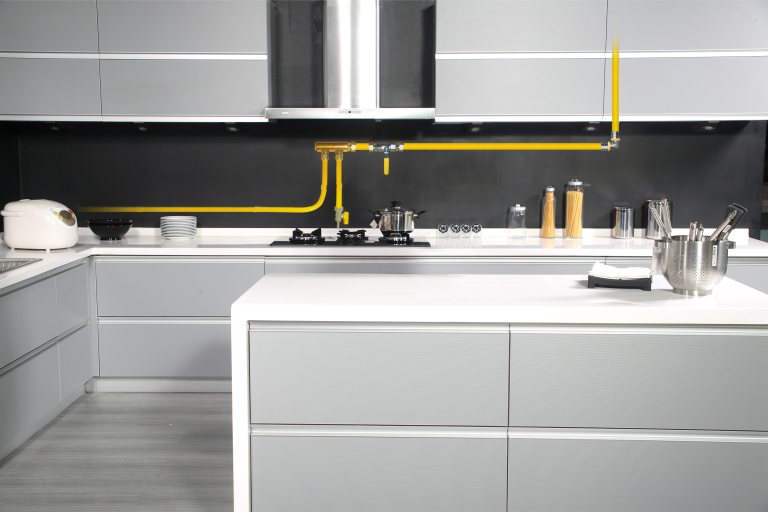
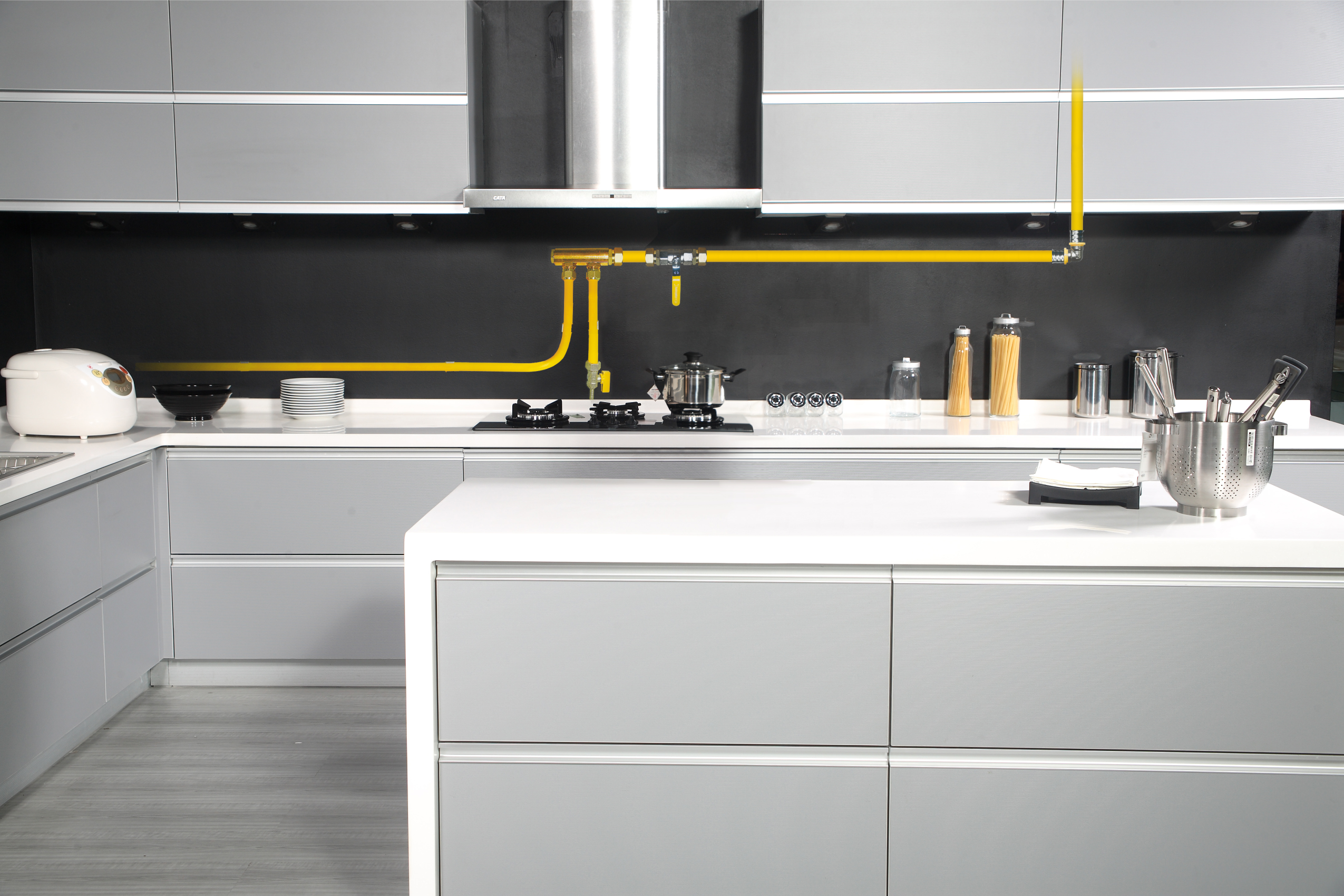

Choosing the right gas piping system involves evaluating critical factors such as material compatibility, safety compliance, and environmental impact. Key considerations include the type of gas, pressure levels, installation conditions, and maintenance protocols. Material options like polypropylene, steel, black iron, and copper each have distinct advantages and drawbacks. Additionally, cost factors encompass initial expenses and long-term upkeep. Understanding these essentials is vital for maximum performance and safety. Further exploration offers deeper insights into specific applications and best practices.
Key Takeaways
- Assess the type of gas or liquid to ensure material compatibility and prevent leaks, focusing on corrosion resistance and safety.
- Evaluate the environmental impact and sustainability of materials, considering recyclability and lifecycle emissions in your selection process.
- Consider installation conditions, including pressure, temperature, and site specifics, to determine the most suitable piping material and techniques.
- Balance initial costs with long-term maintenance expenses to optimize investment and ensure durability and performance over the system’s lifespan.
- Ensure compliance with safety standards and regulations, incorporating necessary safety measures and regular maintenance protocols for system reliability.
Introduction
What factors must be considered when selecting a gas piping system? Key considerations include corrosion prevention, which is essential for maintaining integrity over the material lifespan. Compliance with safety standards ensures that the system operates without risk of leaks or failures.
The environmental impact of the selected materials should also be assessed, as sustainable choices contribute to overall project viability. Additionally, effective maintenance protocols must be established to facilitate ongoing inspections and repairs, guaranteeing long-term functionality and safety.
Each of these factors interrelates, demanding an exhaustive analysis to achieve an ideal gas piping system tailored to specific project requirements, ultimately balancing performance, safety, and environmental responsibility.
Key Factors to Consider When Choosing a Gas Piping System
When selecting a gas piping system, critical factors include the type of gas or liquid being conveyed, the temperature and pressure requirements, and the installation environment.
Each of these elements influences material compatibility, safety, and overall system performance.
A thorough analysis of these considerations guarantees an effective and reliable piping solution tailored to specific operational demands.
Type of Gas or Liquid
The type of gas or liquid being transported plays a crucial role in determining the appropriate gas piping system. Key considerations include corrosion resistance and material compatibility, as specific gases may react adversely with certain piping materials, leading to degradation.
Conducting a thorough cost analysis is essential; while some materials may present lower initial costs, their long-term performance and maintenance expenses must be evaluated.
Additionally, the environmental impact of the chosen materials should align with sustainability goals, particularly regarding emissions and recyclability.
Effective installation techniques must also be tailored to the fluid’s characteristics to ensure safety and efficiency.
Temperature of the Gas
How does the temperature of the gas influence the selection of a gas piping system? The temperature directly impacts material selection, affecting durability and safety. Elevated temperatures may necessitate enhanced pipe insulation to mitigate thermal expansion and prevent gas odor escape.
Furthermore, materials must comply with regulatory standards that dictate performance under specific temperature conditions. Safety valves are critical at higher temperatures to manage pressure fluctuations and prevent system failures.
Additionally, the presence of an emergency shutoff mechanism becomes indispensable to guarantee rapid response during thermal anomalies.
Hence, understanding the operating temperature range is indispensable for optimizing system integrity, compliance, and safety in gas piping infrastructure.
Pressure Requirements
What pressure requirements must be considered in the selection of a gas piping system? Accurate assessment of operating pressure is critical to guarantee system integrity and safety.
Compliance with regulatory standards dictates appropriate pressure ratings for materials used, thereby influencing material selection. Moreover, effective corrosion prevention strategies must be implemented to enhance longevity under pressure fluctuations.
Proper pipe insulation is essential to mitigate thermal loss, guaranteeing efficient gas transport while adhering to ventilation requirements to prevent hazardous accumulations.
Additionally, the integration of emergency shutoff mechanisms is indispensable in maintaining safety during unforeseen pressure spikes.
External Exposure
When selecting a gas piping system, external exposure factors play a crucial role in determining material suitability and system longevity. The chosen material must exhibit outdoor durability, corrosion resistance, and UV protection to withstand environmental exposure. Weatherproofing capabilities are essential to ensure the integrity of the gas piping system against harsh conditions.
| Factor | Considerations |
| Outdoor Durability | Resistance to extreme temperatures and weather conditions |
| Corrosion Resistance | Ability to withstand corrosive elements in the environment |
| UV Protection | Shielding against UV radiation degradation |
| Weatherproofing | Ensuring seals and joints are protected from moisture and contaminants |
Selecting materials that meet these criteria leads to enhanced performance, reduced maintenance, and prolonged system life.
Installation Environment
The installation environment considerably influences the performance and longevity of a gas piping system, as various factors related to site conditions and operational requirements must be meticulously evaluated.
Key considerations include:
- Environmental impact on local ecosystems and compliance with sustainability goals.
- Installation safety protocols to mitigate risks associated with gas leaks or system failures.
- Material recyclability to support environmental initiatives and reduce waste.
- Durability testing to ensure materials withstand specific conditions, including temperature fluctuations and exposure to chemicals.
- Regulatory standards that must be met to ensure compliance with local and national codes.
Cost Considerations
Cost considerations play a vital role in the selection of a gas piping system, influencing both initial investments and long-term financial sustainability. A comprehensive cost analysis encompasses material costs, installation techniques, and maintenance expenses, with a focus on corrosion prevention to reduce future repairs.
The recyclability of materials like polypropylene offers additional economic advantages, enabling reduced waste and compliance with environmental standards. Selecting efficient installation techniques can further decrease labor costs and project timelines.
Moreover, the environmental impact of chosen materials must be assessed, as sustainable options can yield regulatory benefits and enhance overall project viability.
Hence, a thorough evaluation of these factors ensures optimal decision-making in selecting a gas piping system.
Detailed Comparison of Gas Piping Materials
The comparison of gas piping materials, including polyethylene (PE), steel, black iron, and copper, reveals distinct advantages and limitations inherent to each option.
Factors such as durability, resistance to corrosion, ease of installation, and cost-effectiveness must be carefully analyzed to determine the most suitable material for specific applications.
An objective assessment of these materials will facilitate informed decision-making in gas piping system selection.
Polyethylene (PE) Piping
What distinguishes polyethylene (PE) piping from other gas piping materials regarding performance and suitability? PE piping is recognized for its superior corrosion resistance, making it ideal for various environmental conditions. Its lightweight structure facilitates easy handling and installation while providing flexibility to accommodate thermal expansion.
Excellent corrosion resistance enhances longevity.
Lightweight design reduces installation costs.
Compatible joint techniques ensure secure connections.
Recognized for environmental certifications, supporting sustainability.
High material recyclability aligns with eco-friendly practices.
These characteristics position PE piping as a reliable choice for gas distribution systems, allowing operators to minimize maintenance needs while adhering to environmental standards. Its adaptability makes it suitable for both underground and above-ground applications, ensuring robust performance across diverse projects.
Steel Piping
Steel piping serves as a traditional choice for gas distribution systems, recognized for its strength and resilience. Its durability is enhanced through corrosion prevention methods, including protective coatings and cathodic protection, ensuring longevity in various environments.
Material compatibility with gases such as natural gas and propane is critical, minimizing risks of leaks and failures. Adequate pipe insulation is imperative to mitigate heat loss and prevent condensation, contributing to overall system efficiency.
Adherence to safety standards, including those set by the American National Standards Institute (ANSI) and the National Fire Protection Association (NFPA), is essential for compliance. Regular maintenance procedures, such as inspections and pressure tests, help identify potential issues early, safeguarding operational integrity and enhancing reliability throughout the piping system’s lifecycle.
Black Iron Piping
Black iron piping is a widely utilized option for gas distribution systems, characterized by its robust construction and ability to withstand high pressures. This material is particularly favored for its durability and reliability in demanding environments.
However, its selection requires careful consideration of several factors:
Pipe Material Selection: Assess compatibility with gas types and pressures.
Installation Safety: Ensure adherence to local codes and standards.
Maintenance Practices: Regular inspections and corrosion prevention are vital.
Environmental Impact: Evaluate lifecycle emissions and recyclability.
Cost Analysis: Consider both initial and long-term expenses related to maintenance and replacements.
Copper Piping
Copper piping is another prominent choice for gas distribution systems, known for its excellent thermal conductivity and inherent resistance to corrosion. Its longevity and durability make it a reliable option, although it may present challenges in terms of cost analysis and installation techniques. The environmental impact of copper is significant, as mining and processing require substantial energy, yet its material recyclability enhances its sustainability profile.
| Aspect | Copper Piping |
| Corrosion Resistance | High |
| Material Recyclability | Good |
| Installation Techniques | Requires skilled labor and tools |
Gas Line Installation: Cost Considerations
In evaluating gas line installation, a thorough analysis of material costs, labor expenses, and installation fees is essential for accurate budgeting.
These factors collectively contribute to the total installation cost, influencing the overall economic feasibility of the project.
Understanding the interplay between these components enables informed decision-making and promotes efficient resource allocation.
Material Costs:
Material costs for gas line installation encompass various factors that substantially influence the overall budget. A thorough cost analysis reveals the importance of selecting suitable materials that align with project specifications.
Key considerations include:
Corrosion prevention methods to extend the lifespan of materials.
Material recyclability to enhance sustainability and reduce waste.
Environmental certifications ensuring compliance with green building standards.
Installation techniques that affect labor costs and efficiency.
Long-term maintenance expenses associated with different material choices.
Labor Costs
Labor costs play a significant role in the overall financial considerations of gas line installation, impacting the total project budget alongside material expenses. Effective cost analysis must incorporate labor expenditures related to installation techniques, as skilled labor is essential for ensuring gas safety and compliance with regulatory standards.
The choice of materials, such as polypropylene, can influence labor costs due to its ease of installation and minimal maintenance requirements, which enhance material durability. Moreover, labor efficiency can also be affected by the environmental impact of the project; sustainable practices may necessitate additional training or expertise.
Consequently, a thorough evaluation of labor costs, intertwined with these factors, is vital for optimizing the overall project budget and ensuring long-term viability.
Installation Fees
Installation fees for gas line projects can considerably influence the overall budget, often comprising a substantial portion of total expenditures. It is essential to evaluate various cost factors to guarantee financial viability and compliance with safety protocols.
Pipe insulation requirements can affect material and installation costs.
Regulatory compliance may impose additional fees related to inspections and permits.
The environmental impact of materials chosen can influence long-term budgets.
Safety protocols necessitate adherence to specific standards, potentially increasing costs.
Consideration for future expansion may require additional investment upfront.
Understanding these elements allows project managers to make informed decisions, balancing immediate expenses with long-term benefits while ensuring regulatory adherence and safety.
Total Installation Cost
Cost considerations for gas line installation encompass a range of factors that collectively determine the total expenditure of a project. Key elements include the cost of materials, labor, and the need for compliance with safety standards. The choice of piping material can considerably influence long-term expenses due to factors such as pipe corrosion and maintenance practices. Moreover, installation techniques play a critical role in initial costs and future operational efficiency. Below is a table illustrating the emotional weight of these considerations:
| Factor | Emotional Impact |
| Pipe Corrosion | Potential safety risk |
| Safety Standards | Assurance of reliability |
| Environmental Impact | Commitment to sustainability |
Understanding these dynamics enables informed decision-making for ideal project outcomes.
Choosing the Right Piping Material for Your Project
Selecting the appropriate piping material is essential for ensuring the efficiency and safety of gas systems.
Factors such as material performance, environmental impact, and cost-effectiveness must be systematically evaluated to align with project specifications.
Expert recommendations play a critical role in guiding these decisions, ensuring that the chosen material meets both operational needs and sustainability goals.
Considerations
When selecting a gas piping material, several critical factors must be evaluated to guarantee system efficiency and safety.
Options such as polyethylene (PE) are suitable for underground and low-pressure applications due to their flexibility and corrosion resistance.
While steel is preferred for high-pressure and long-distance installations.
Additionally, black iron and copper serve specific residential needs, with considerations for maintenance and cost impacting their viability in various projects.
PE: Ideal for underground and low-pressure systems, flexible and corrosion-resistant.
Polyethylene (PE) piping emerges as a highly suitable choice for underground and low-pressure systems due to its exceptional flexibility and resistance to corrosion. Its performance is enhanced by various factors:
Superior corrosion resistance
Effective thermal expansion management
Robust joint integrity
Notable flexibility considerations
Compliance with stringent safety standards
These attributes position PE as a reliable and efficient solution for specific gas piping applications.
Steel: Best for high-pressure systems, long-distance applications, and industrial uses.
Steel piping is widely recognized as the prime choice for high-pressure systems, long-distance applications, and various industrial uses due to its exceptional strength and durability.
Its inherent corrosion resistance enhances gas leak prevention, while precise pressure regulation capabilities align with stringent safety standards.
Proper installation techniques further guarantee reliability, making steel indispensable for demanding environments requiring robust and efficient gas distribution systems.
Black Iron: Suitable for residential and indoor gas systems, but requires regular maintenance.
How does black iron measure up for residential and indoor gas systems? This material is a viable option, yet it demands diligent maintenance.
Corrosion prevention strategies are essential.
Material recyclability is limited.
Cost analysis reveals long-term expenses may rise.
Environmental impact considerations must be evaluated.
Maintenance strategies should be implemented regularly for ideal performance.
Choosing black iron requires careful deliberation.
Copper: Excellent for residential and aesthetically important systems but costly.
Copper is widely regarded as an excellent choice for residential piping systems, particularly in contexts where aesthetics and performance are paramount. Its exceptional corrosion resistance and thermal expansion properties enhance durability.
Effective pipe insulation and vibration damping contribute to system integrity. However, the high cost of copper, especially in joint fittings, necessitates careful consideration in project budgeting and long-term maintenance planning.
Expert Recommendations
When selecting piping materials for gas systems, specific recommendations vary based on the application context. For residential projects, considerations include cost-effectiveness and ease of installation.
High-pressure commercial applications necessitate materials with enhanced durability and performance under stress.
Additionally, outdoor or harsh environments require materials that can withstand extreme conditions and resist corrosion, ensuring long-term reliability and safety.
For Residential Projects
Selecting the appropriate piping material for residential projects involves careful consideration of various factors that impact performance, durability, and environmental sustainability.
Corrosion prevention methods
Effective pipe insulation techniques
Compliance with ventilation requirements
Adherence to regulatory compliance
Assurance of safety standards
These elements collectively inform the decision-making process, ensuring best functionality and longevity of gas piping systems while maintaining safety and environmental integrity.
For High-Pressure Commercial Applications
What factors should be prioritized when choosing piping materials for high-pressure commercial applications? Key considerations include material durability, industrial safety, cost analysis, installation techniques, and environmental compliance. Selecting appropriate materials not only guarantees operational efficiency but also mitigates risks associated with high-pressure systems.
| Factor | Importance | Recommended Material |
| Material Durability | Longevity and reliability | Polypropylene |
| Industrial Safety | Risk mitigation | Copper |
| Cost Analysis | Lifecycle cost evaluation | HDPE |
| Installation Techniques | Efficiency in setup | Galvanized Steel |
For Outdoor or Harsh Environments
In outdoor or harsh environments, the choice of piping material is critical to ensuring system integrity and longevity. Considerations include:
Corrosion resistance
Environmental impact
Installation techniques
Maintenance practices
Cost analysis
Selecting materials with superior durability and minimal environmental footprint, such as polypropylene, enhances reliability while reducing long-term costs and maintenance requirements. Consequently, this approach helps optimize project outcomes.
Common Gas Piping Installation Issues and Solutions
Common installation issues in gas piping systems include leak detection, pressure regulation, and material compatibility, each presenting significant operational challenges.
Effective leak detection methods are critical for ensuring safety and preventing hazardous situations.
While proper pressure regulation is essential to maintain system integrity and efficiency.
Additionally, ensuring compatibility among materials can mitigate risks of failure and extend the lifespan of the piping infrastructure.
Leak Detection
How can effective leak detection be guaranteed in gas piping installations? Ensuring robust leak detection requires a multifaceted approach that incorporates advanced technologies and stringent protocols.
Key strategies include:
Material Testing: Evaluating the integrity of materials to prevent leaks.
Safety Protocols: Implementing thorough safety measures to mitigate risks during installation and operation.
Inspection Techniques: Employing ultrasonic and pressure testing to identify potential leak sources.
Emergency Response: Establishing clear procedures for addressing detected leaks swiftly and efficiently.
Regular Maintenance: Scheduling routine inspections to enhance long-term reliability.
Pressure Regulation
Effective pressure regulation is critical in gas piping installations to guarantee safe and efficient operation. Proper pressure regulation mitigates risks associated with overpressure scenarios, which can lead to catastrophic failures.
Key considerations include corrosion prevention strategies, such as selecting appropriate materials and applying protective coatings. Adequate pipe insulation is essential to maintain temperature and pressure stability, therefore preventing condensation and potential gas leaks.
Regular pressure testing should be conducted to validate system integrity and identify weaknesses. Additionally, adhering to ventilation requirements is vital for dispersing any gas leaks, enhancing safety.
An efficient emergency shutoff mechanism must be integrated into the system, allowing for quick intervention during emergencies to prevent escalation of hazardous situations.
Material Compatibility
Material compatibility plays a essential role in the success of gas piping installations, as the interactions between different materials can substantially impact system performance and safety. Understanding material durability and corrosion resistance is critical for preventing leaks and failures.
Environmental impact of selected materials also influences long-term viability and compliance with sustainability standards.
Assess chemical compatibility to avoid degradation.
Evaluate installation techniques for best performance.
Conduct a lifecycle analysis to determine cost-effectiveness.
Prioritize materials with high corrosion resistance for longevity.
Guarantee compatibility with existing infrastructure to mitigate risks.
Frequently Asked Questions
What Safety Standards Apply to Gas Piping Systems?
Safety standards for gas piping systems encompass regulatory compliance, material standards, testing procedures, certification requirements, and installation codes. Adhering to these guidelines guarantees structural integrity, operational safety, and legal conformity throughout the system’s lifecycle.
How Do I Determine Pipe Sizing for My Gas System?
In the intricate dance of gas systems, pipe sizing calculations emerge as the conductor. Flow rate determination, pressure drop analysis, and careful pipe material selection guarantee code compliance, harmonizing efficiency and safety in engineering design.
Can I Use Existing Piping for New Gas Installations?
Utilizing existing piping for new gas installations requires rigorous assessment of piping materials, installation procedures, regulatory compliance, and repair techniques. Cost considerations must also be evaluated to guarantee safety and operational integrity throughout the system’s lifespan.
What Are the Common Signs of Gas Leaks in Piping?
In an era reminiscent of the Industrial Revolution, gas leak detection reveals critical signs: odorization indicators, pressure fluctuations, visual damage, and pipe corrosion. Recognizing these symptoms guarantees timely intervention and promotes safety in gas installations.
How Often Should Gas Piping Be Inspected for Safety?
The inspection frequency of gas piping should be determined by regulatory standards and specific environmental conditions. Regular inspections enhance leak detection capabilities, ensuring safety and preventing hazardous incidents through early identification of potential issues within the system.
Conclusion
In summary, selecting the appropriate gas piping system is not merely a choice; it is a pivotal decision that can determine the success or failure of a project. By meticulously evaluating material performance, installation costs, and maintenance needs, stakeholders can guarantee ideal safety and efficiency. Ultimately, a well-informed selection process will not only meet regulatory standards but also elevate operational performance to extraordinary heights, paving the way for sustainable and successful project outcomes.