Underfloor heating systems provide a modern, efficient alternative to traditional heating methods that rely on visible ductwork and radiators. They offer benefits such as uniform heat distribution, improved indoor air quality, and design flexibility. Traditional systems may be easier to retrofit in existing structures and are often more cost-effective initially. However, underfloor heating can lead to significant long-term energy savings and aesthetic advantages. Further insights on system selection for various projects will follow.
Key Takeaways
- Underfloor heating offers unobstructed spaces and design flexibility, while traditional systems require visible ductwork or radiators, limiting interior design options.
- Underfloor systems provide uniform warmth and improved air quality, whereas traditional heating can create uneven heat distribution and increased dust circulation.
- Initial installation costs for underfloor heating are higher, but long-term energy savings and lower maintenance needs can justify the investment.
- Traditional heating systems are often easier to retrofit into existing structures, while underfloor heating requires careful planning for integration.
- Both systems must comply with local building codes, but underfloor heating supports modern energy sources, enhancing efficiency and sustainability.
Introduction
How can underfloor heating systems enhance energy efficiency and comfort in modern buildings? By facilitating thermal zoning, these systems allow for precise temperature control in designated areas, optimizing energy consumption.
Underfloor heating systems enhance energy efficiency by enabling precise temperature control and optimizing energy consumption through thermal zoning.
The compatibility of underfloor heating with various flooring materials enhances its appeal, particularly in new constructions and major renovations. However, retrofit challenges may arise when integrating these systems into existing structures, necessitating careful planning and execution.
Establishing robust maintenance protocols guarantees system longevity and efficiency, addressing potential issues proactively.
As technology evolves, future innovations are anticipated to further improve the effectiveness of underfloor heating, making it an increasingly viable alternative to traditional heating methods.
The interplay of these factors underscores the system’s potential to revolutionize energy-efficient building practices.
What Is Underfloor Heating
Underfloor heating is a system that distributes heat through either hydronic (water-based) or electric components installed beneath the flooring surface.
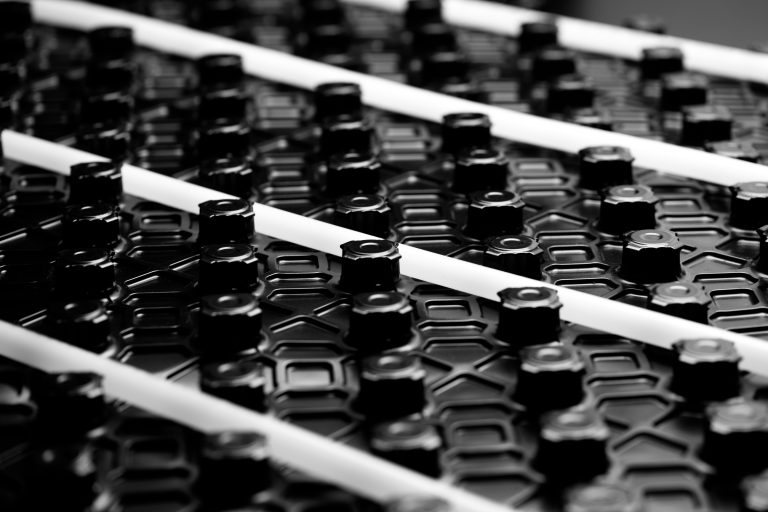
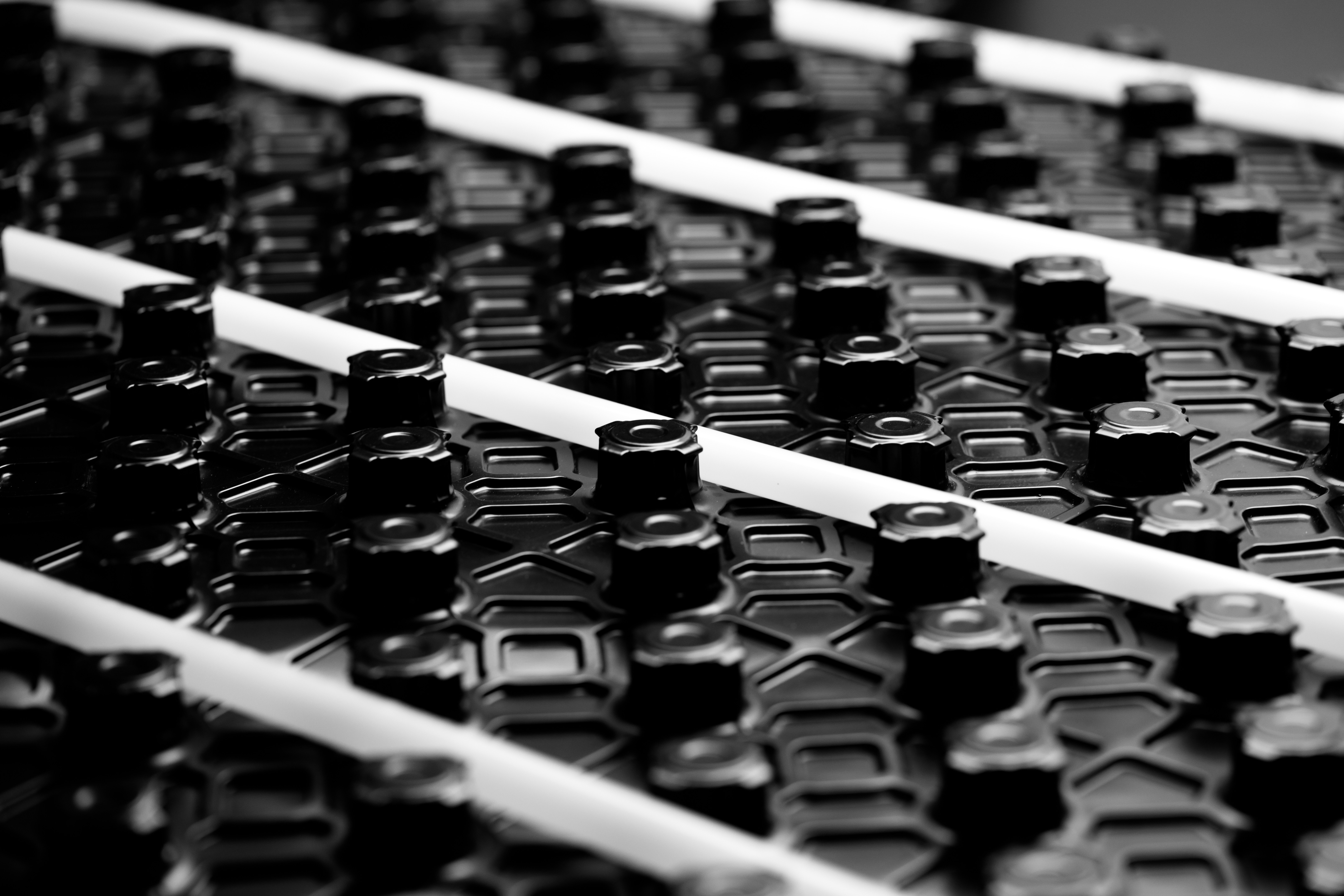
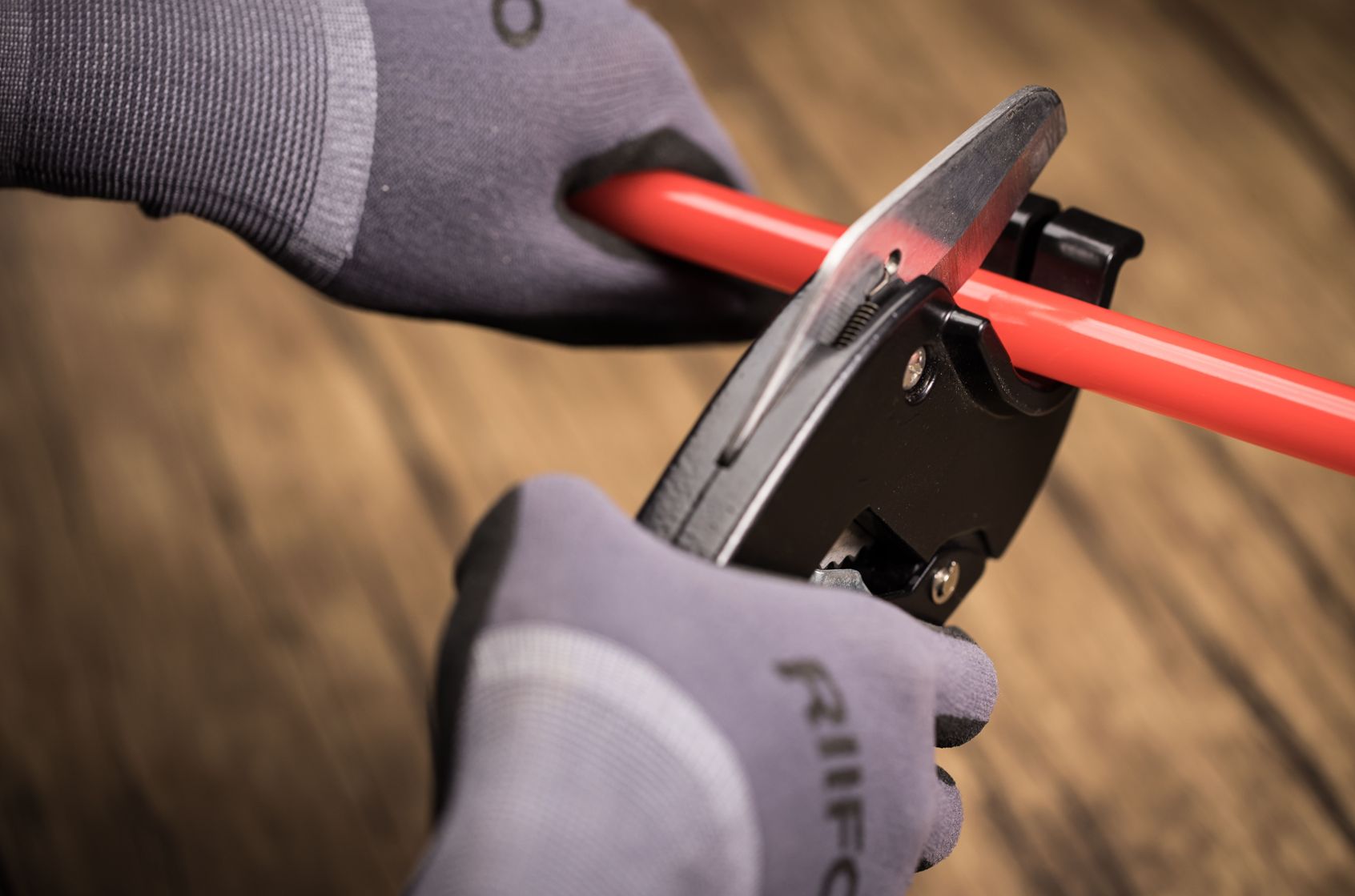
The Riifo multilayer underfloor piping solution exemplifies an energy-efficient, corrosion-resistant option that facilitates streamlined installation.
Key components of underfloor heating systems include the heat source, distribution pipes or mats, and controls, all working together to provide consistent and even heat distribution across the space.
Definition and working principle (hydronic & electric systems)
A heating system installed beneath the floor surface serves to provide comfortable and efficient warmth in residential and commercial spaces. Underfloor heating operates through two primary systems: hydronic and electric.
Hydronic systems circulate heated water through pipes, leveraging thermal conductivity to distribute warmth evenly. This method accommodates zoning options, allowing distinct temperature controls for different areas.
Conversely, electric systems utilize heating cables or mats, providing rapid heat while requiring less maintenance. Both systems ensure aesthetic integration, remaining concealed beneath flooring materials.
Compatibility with various floor types enhances their appeal, although the choice between them may depend on specific project requirements, including installation complexity and long-term operational costs. Each system necessitates careful consideration of maintenance requirements for ideal performance.
Riifo multilayer underfloor piping solution – energy efficient, corrosion-resistant, and easy to install
The Riifo multilayer underfloor piping solution exemplifies advancements in heating technology, offering a highly efficient and durable alternative for hydronic underfloor heating systems. This innovative piping employs advanced materials that enhance thermal conductivity, ensuring ideal heat transfer with minimal energy loss.
Its corrosion-resistant properties contribute to longevity, addressing common maintenance challenges associated with traditional piping materials. Furthermore, integration with existing systems is streamlined, facilitating effective system integration without extensive modifications.
Complementary insulation strategies further optimize performance, reducing heat loss and enhancing overall energy efficiency. By addressing both installation simplicity and long-term reliability, the Riifo solution positions itself as a superior choice for modern underfloor heating applications, meeting the demands of energy-conscious consumers and industry professionals alike.
Brief mention of system components
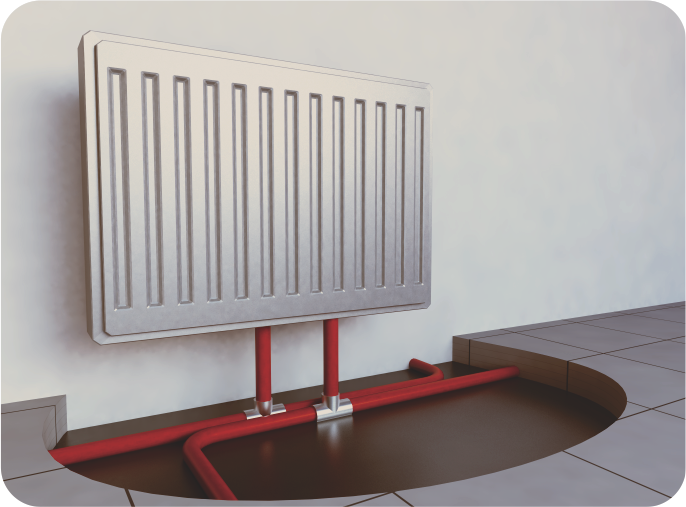
What constitutes an effective underfloor heating system? Key components include the heating element, typically electric mats or hydronic pipes, which facilitate uniform heat distribution beneath the flooring.
A thorough cost analysis reveals that while initial installation may be higher, long-term energy savings can justify the investment.
System compatibility with various flooring types is essential for peak performance, and maintenance strategies must be established to guarantee longevity.
Moreover, the upgrade potential of underfloor heating systems allows for integration with modern energy sources like heat pumps, enhancing efficiency.
Finally, adherence to regulatory compliance ensures that installations meet local building codes, ultimately safeguarding functionality and safety in both residential and commercial applications.
What Are Traditional Heating Methods?
How do traditional heating methods operate to provide warmth in residential and commercial spaces? These systems primarily rely on centralized heat sources, such as boilers or furnaces, which distribute heat through radiators, baseboards, or ductwork.
The efficiency of traditional heating can be enhanced through insulation techniques that minimize heat loss. Additionally, modern advancements incorporate smart thermostats and zoning systems, allowing for precise temperature control in different areas, therefore optimizing energy consumption.
Renewable energy sources, such as solar panels, can complement traditional systems, particularly with heat pumps, which extract heat from external environments. This integration not only improves efficiency but also aligns with sustainability goals, ensuring that traditional heating methods adapt to contemporary energy demands and environmental considerations.
Detailed Comparison: Underfloor vs. Traditional Heating
A detailed comparison between underfloor heating and traditional heating systems reveals significant differences in heat distribution, energy efficiency, and installation complexity.
Underfloor systems provide uniform warmth and improved air quality while minimizing noise, contrasting with the localized heating of traditional methods.
Additionally, design flexibility is enhanced in underfloor heating, allowing for unobstructed living spaces compared to the space required for radiators and ductwork in conventional systems.
Heat Distribution & Comfort
Underfloor heating systems provide a distinct advantage in heat distribution compared to traditional central heating methods. The even heat distribution from underfloor systems results in enhanced comfort levels throughout a space, as opposed to the localized warmth of radiators.
Key factors influencing this comparison include:
Radiator placement limitations in traditional systems can lead to cold spots.
Thermostat control is more effective in underfloor systems, enabling precise temperature management.
Maintenance requirements are generally lower for underfloor heating due to fewer mechanical components.
System lifespan tends to be longer with underfloor heating due to reduced wear on parts.
Aesthetic considerations favor underfloor systems, as they remain hidden, preserving visual appeal in interior design.
Energy Efficiency
While traditional central heating systems rely on high-temperature outputs from radiators to achieve comfort, underfloor heating operates at markedly lower temperatures, resulting in enhanced energy efficiency.
This characteristic allows underfloor systems to consume approximately 14%-15% less energy compared to their conventional counterparts, as they maintain heat for longer periods while distributing warmth evenly across the floor. Moreover, underfloor heating facilitates superior aesthetic integration, eliminating visible radiators and allowing for more design flexibility.
However, maintenance challenges can arise, particularly if leaks occur. Despite these concerns, technological advancements have improved system scalability, enabling integration with renewable energy sources.
Ultimately, the choice between underfloor and traditional heating methods hinges on energy consumption, long-term operational costs, and the specific needs of the project.
Installation Cost & Complexity
Installation costs and complexity present a significant distinction between underfloor heating systems and traditional central heating methods. A thorough cost analysis reveals that underfloor heating typically incurs higher upfront investment due to the intricacy of installation.
Key considerations include:
Installation challenges: Underfloor systems require specialized labor and time, often extending the installation timeline.
Maintenance concerns: While underfloor systems may offer reduced maintenance frequency, initial installation errors can lead to costly repairs.
System compatibility: Compatibility with existing structures can further complicate installation.
Heating efficiency: Underfloor systems necessitate precise layout planning for ideal performance.
Long-term savings: Despite higher initial costs, energy efficiency can yield significant savings over time.
Understanding these factors is essential for informed decision-making in heating system selection.
Air Quality & Noise
How do underfloor heating systems compare to traditional central heating regarding air quality and noise levels?
Underfloor heating excels in air quality by minimizing dust circulation, as it operates at lower temperatures and eliminates the drafts commonly associated with radiators. This promotes better indoor air quality through reduced pollutant exposure.
Additionally, the system’s design enhances ventilation impact, allowing for a more consistent thermal environment.
In terms of noise reduction, underfloor heating systems generate minimal sound, contributing to acoustic comfort. Unlike traditional systems that may produce audible noise from pumps and radiators, underfloor heating operates quietly.
Ultimately, underfloor heating presents significant advantages for air quality and noise levels, making it a strong contender for modern heating solutions.
Design Flexibility
Underfloor heating systems offer significant design flexibility compared to traditional central heating systems, primarily due to their hidden installation beneath flooring. This integration enhances aesthetic appeal and allows for innovative architectural designs without visible heating elements.
Key advantages include:
Aesthetic Integration: Eliminates visible radiators, contributing to clean lines and open spaces.
User Control: Facilitates zoned heating, allowing tailored temperature settings for different areas.
Maintenance Requirements: Generally lower, as systems are less prone to damage from external factors.
System Lifespan: Often longer due to reduced exposure to wear and tear.
Cost Analysis: Initial higher investment can yield long-term savings through energy efficiency and reduced maintenance costs.
These factors collectively enhance overall project adaptability, aligning with modern design trends and user preferences.
Suitability by Building Type & Project Phase
The suitability of underfloor heating systems is particularly pronounced in new constructions, energy-efficient buildings, and high-end design projects, where aesthetic considerations and ideal heating performance are paramount.
Conversely, traditional heating systems remain advantageous for budget-conscious retrofits and existing HVAC-based homes, where integration with pre-existing infrastructure is critical.
Evaluating the specific building type and project phase is essential for determining the most effective heating solution.
Underfloor ideal for: new homes, energy-efficient buildings, high-end designs
A growing trend in modern construction emphasizes the integration of underfloor heating systems within new homes, energy-efficient buildings, and high-end designs. This system’s compatibility is enhanced by various factors, making it particularly suitable for specific project types:
Aesthetic integration: Seamlessly fits beneath flooring, preserving visual appeal.
Technological innovations: Leverages advancements for better efficiency and controls.
Energy efficiency: Reduces overall consumption while maintaining comfort.
System scalability: Easily adaptable to varying building sizes and layouts.
Regulatory compliance: Aligns with contemporary energy standards and sustainability goals.
However, maintenance challenges remain, necessitating skilled personnel for ideal performance.
When meticulously implemented, underfloor heating can considerably elevate the quality and sustainability of modern constructions.
Traditional better for: budget-conscious retrofits, HVAC-based homes
Traditional central heating systems are often more advantageous for budget-conscious retrofits and homes primarily designed with HVAC infrastructure. These systems offer lower initial installation costs, making them attractive for projects with strict financial constraints.
Moreover, the maintenance requirements are well-established and manageable, allowing homeowners to easily adapt to routine upkeep.
Aesthetic integration is also simpler, as existing ductwork and radiators can be incorporated without extensive renovations.
The scalability of traditional systems allows for incremental upgrades, accommodating future technological advancements in energy efficiency.
Additionally, these systems can seamlessly adapt to various architectural layouts, ensuring consistent performance across diverse building types while minimizing disruption during retrofitting processes.
Real-World Applications with Riifo Solutions
While exploring innovative heating solutions, Riifo Solutions has demonstrated the practical application of underfloor heating systems in various residential and commercial projects. These systems not only enhance modern aesthetics but also incorporate advanced technologies for superior performance.
Key applications include:
Integration with smart thermostats for precise temperature control.
Implementation of zoning systems to tailor heating for specific areas.
Provision of maintenance tips to guarantee system longevity and efficiency.
Utilization of energy rebates to alleviate installation costs.
Customization options that align with contemporary design trends.
Through these applications, Riifo Solutions showcases how underfloor heating systems can effectively meet the diverse needs of both residential and commercial environments, providing efficient, stylish, and customizable heating solutions.
Environmental Sustainability & Long-Term Cost
Underfloor heating systems, as implemented by Riifo Solutions, not only enhance aesthetic appeal and performance but also contribute markedly to environmental sustainability. By utilizing renewable energy sources, these systems considerably reduce a building’s carbon footprint compared to traditional heating methods.
The even heat distribution achieved by underfloor heating minimizes energy waste, leading to substantial operational savings over time. Additionally, the use of eco-friendly materials in the construction of these systems aligns with principles of sustainable design, ensuring that installations are both energy-efficient and environmentally responsible.
As energy costs continue to rise, the long-term economic benefits of underfloor heating become increasingly apparent, positioning it as a forward-thinking choice for environmentally conscious projects.
Which One Should You Choose?
When deciding between central heating and underfloor heating systems, various factors such as property type, installation costs, and energy efficiency must be meticulously evaluated.
A thorough cost comparison reveals that central heating generally incurs lower initial expenditures, while underfloor heating provides long-term energy savings.
Consider the following key aspects:
Cost comparison: Initial vs. long-term savings.
Maintenance requirements: Frequency and complexity of upkeep.
System lifespan: Expected durability and replacement intervals.
Aesthetic integration: Impact on interior design and space utilization.
Regulatory compliance: Adherence to local legislation and standards.
Ultimately, the appropriate choice hinges on balancing these elements to align with project goals and user preferences.
Frequently Asked Questions
How Does Underfloor Heating Affect Furniture Placement in a Room?
Underfloor heating enhances furniture arrangement by allowing flexible room layouts due to its concealed installation. Flooring compatibility is essential, as it influences space optimization and aesthetic considerations, facilitating unobstructed design without radiator constraints impacting overall interior aesthetics.
What Maintenance Is Required for Underfloor Heating Systems?
Like a finely tuned orchestra, underfloor heating systems require regular maintenance to guarantee ideal performance. This includes filter replacement, adherence to repair procedures, monitoring maintenance costs, and planning for system upgrades throughout the system lifespan.
Can Underfloor Heating Be Installed in Existing Homes?
Installing underfloor heating in existing homes presents retrofit challenges, necessitating structural modifications and addressing insulation needs. Compatibility issues may arise, impacting overall effectiveness, while cost implications must be carefully evaluated to guarantee project feasibility.
How Long Does It Take for Underfloor Heating to Warm Up?
Underfloor heating typically requires one to two hours to warm up, depending on installation guidelines and system design. Its energy efficiency guarantees consistent heat distribution, optimizing comfort while minimizing energy consumption across various environments.
Are There Any Health Benefits Associated With Underfloor Heating?
Beneath the surface, underfloor heating enhances indoor environments by minimizing dust circulation, stabilizing indoor humidity, and promoting ideal air quality. These factors collectively support respiratory health, potentially alleviating allergies and contributing to overall well-being.
Conclusion
In the debate between underfloor heating and traditional heating methods, the adage “measure twice, cut once” rings particularly true. Property owners and builders must carefully evaluate their unique project requirements, budget, and long-term performance expectations. Underfloor heating offers modern efficiency and aesthetic appeal, while traditional systems provide reliability and familiarity. Ultimately, the decision hinges on a thorough analysis of compatibility and sustainability, ensuring that the chosen heating solution aligns with both immediate needs and future goals.