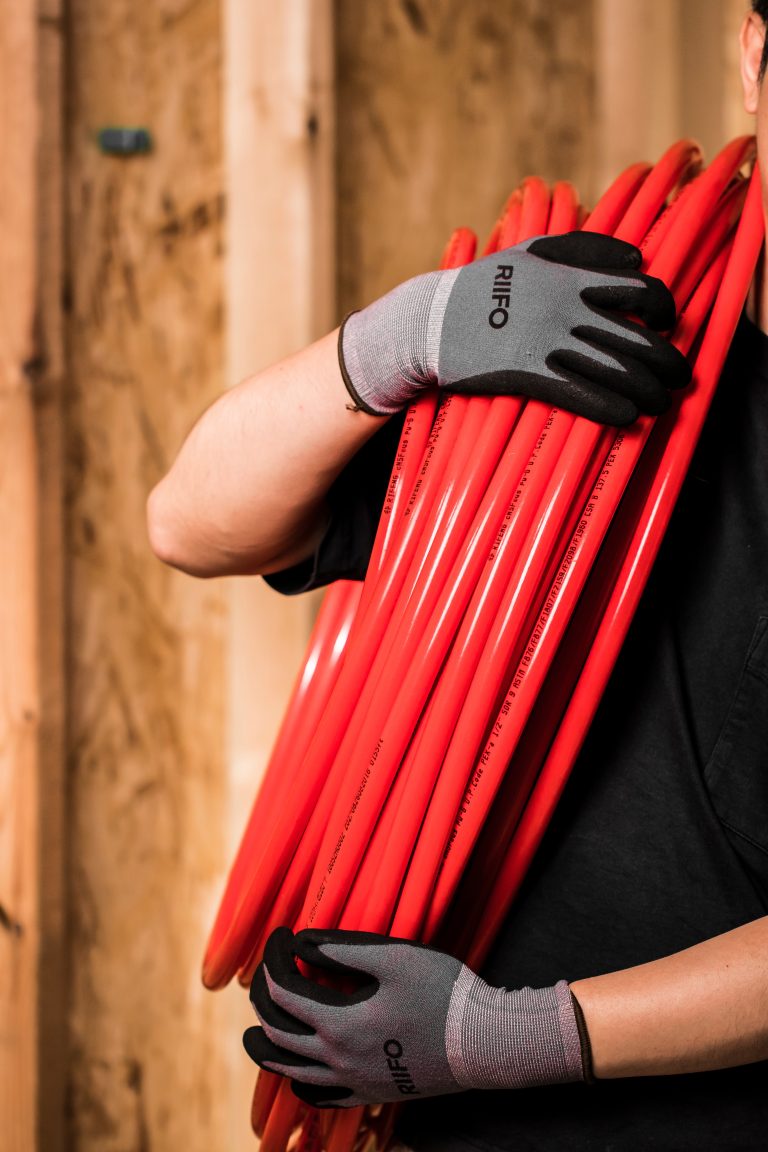
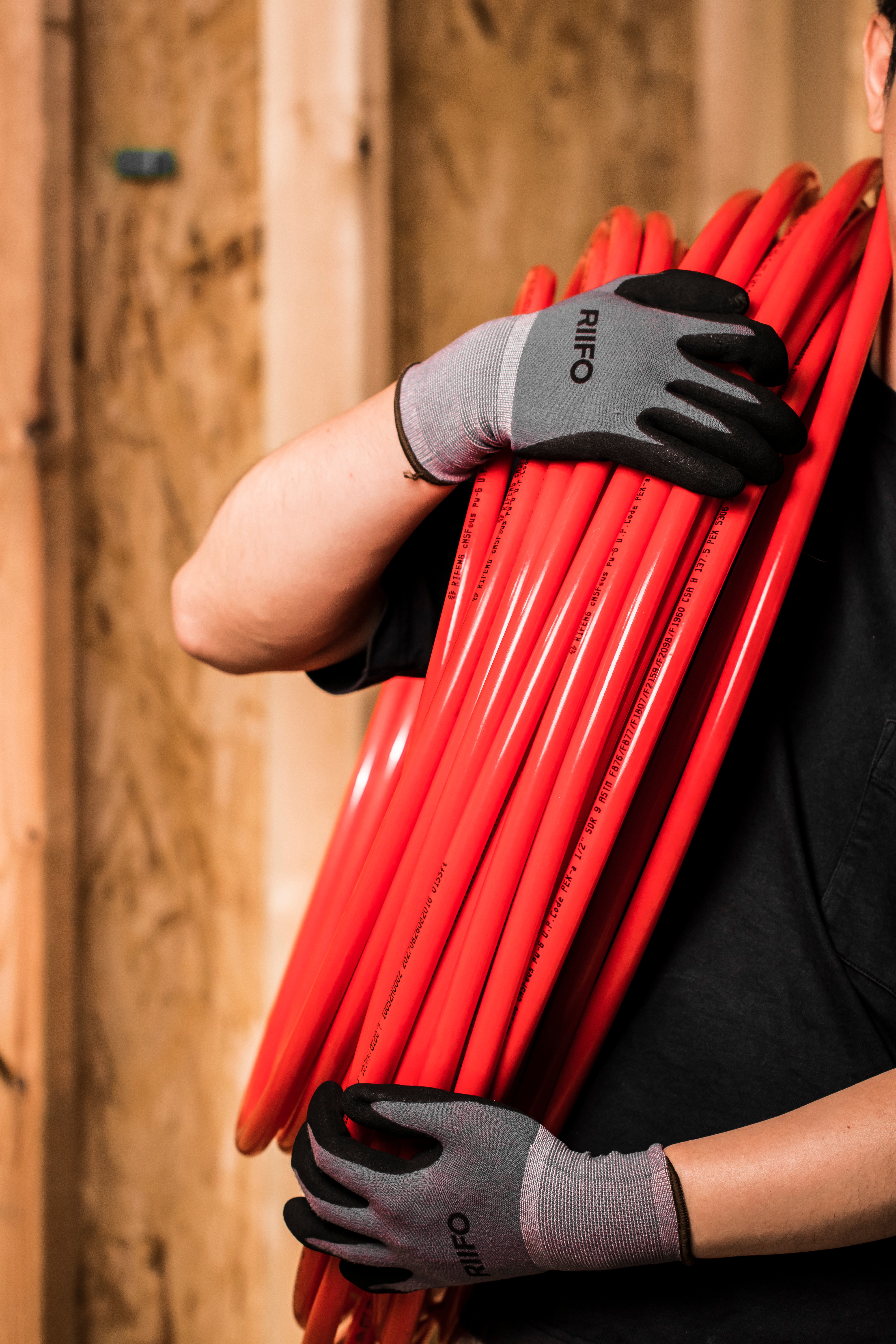
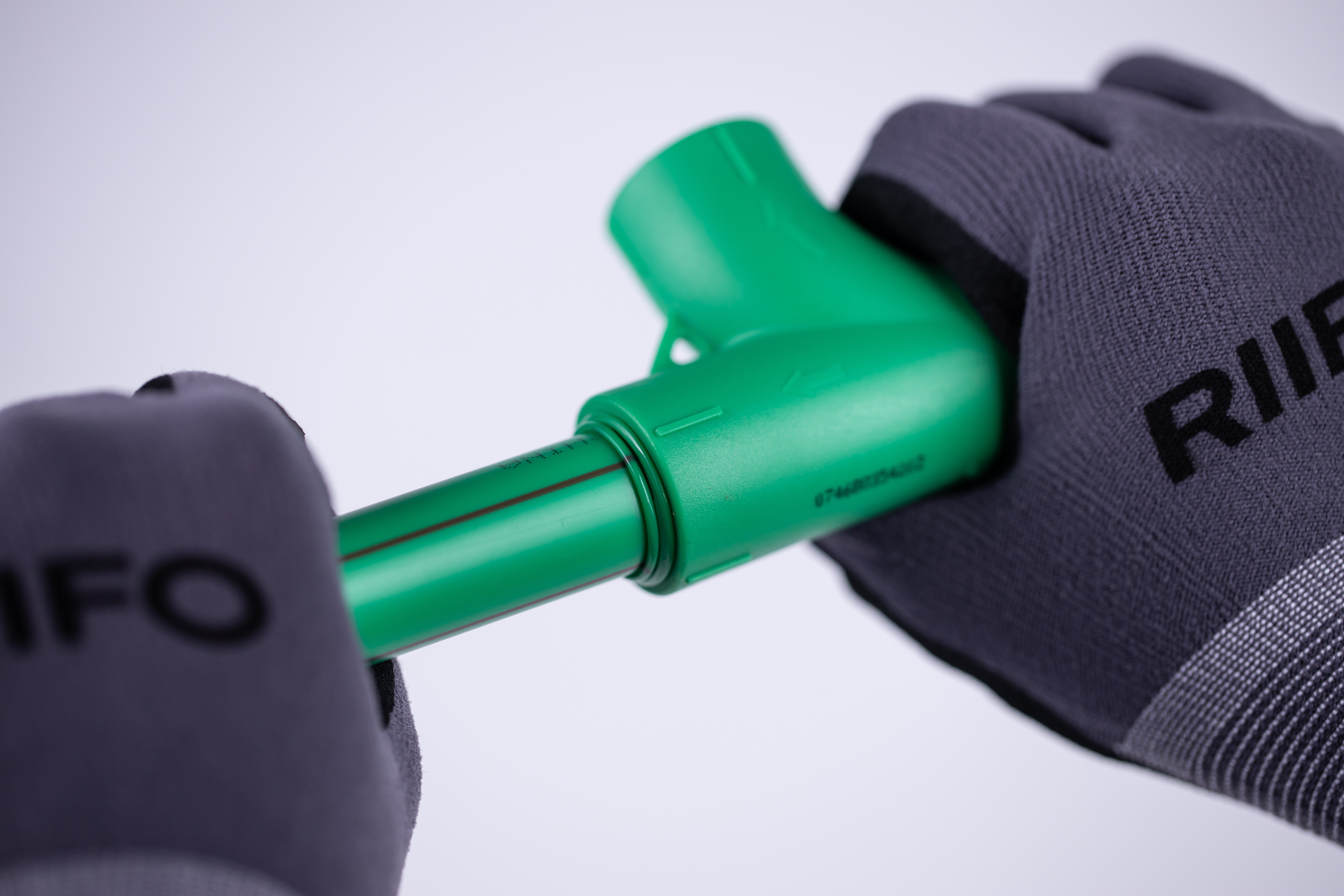
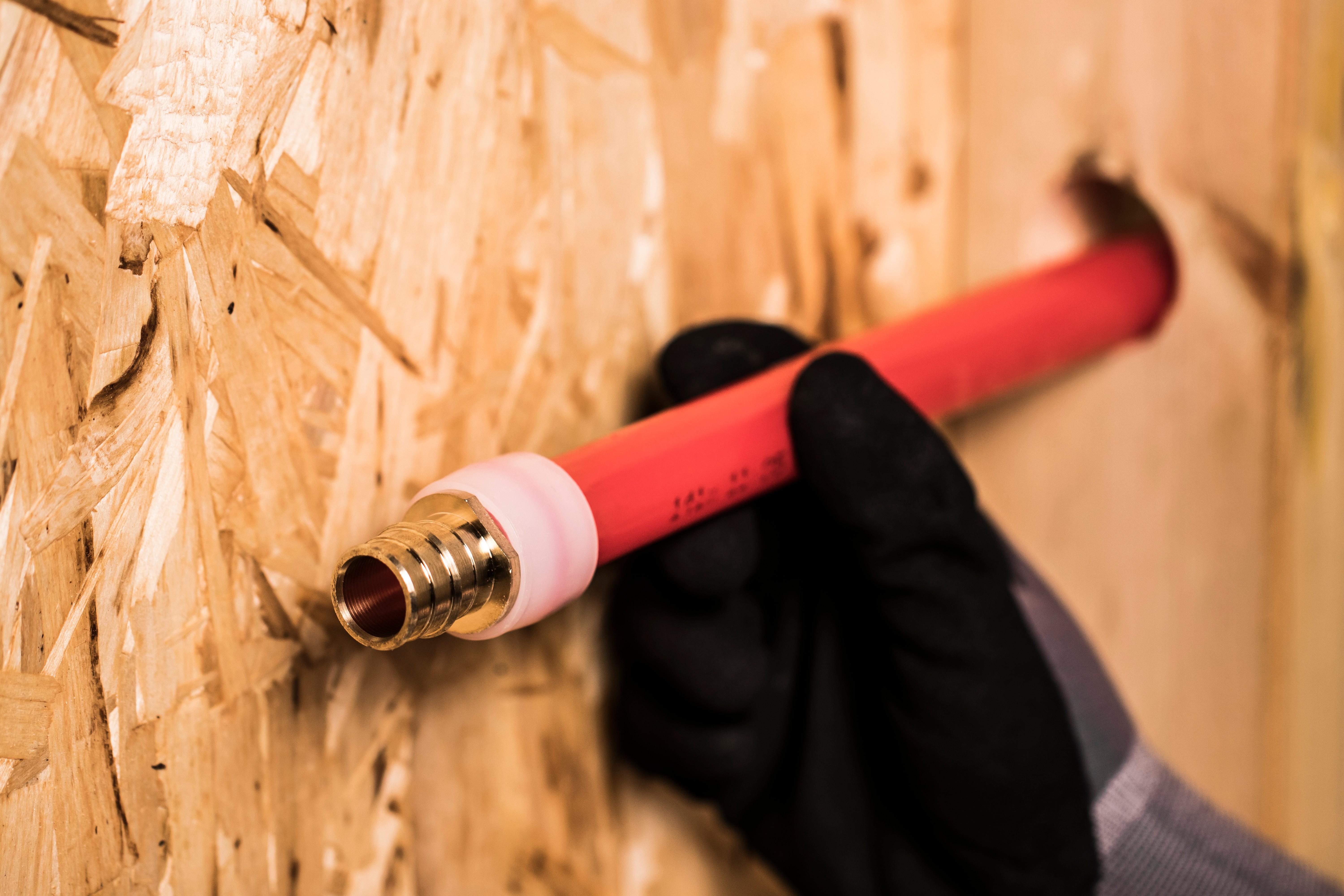

Choosing between PPR and PEX pipes requires an analysis of various factors. PPR offers superior durability and chemical resistance, making it ideal for high-temperature applications, despite higher installation costs. In contrast, PEX provides flexibility and easier installation, suitable for residential use but with a shorter lifespan and potential long-term maintenance issues. Consider installation convenience, lifespan, costs, and environmental impact to make an informed choice. Further insights on application scenarios and health implications will aid in understanding these materials better.
Key Takeaways
- PPR pipes excel in high-temperature and chemical resistance, making them ideal for hot water systems and industrial applications.
- PEX pipes offer flexibility and quick installation, suitable for residential plumbing and environments prone to freezing.
- PPR has a longer lifespan exceeding 50 years, while PEX typically lasts 20 to 50 years, affecting long-term costs.
- PPR requires specialized tools for fusion welding installation, whereas PEX utilizes simpler crimp or push-fit connections for ease of use.
- Consider environmental impact; PPR is highly recyclable, while PEX has limited recyclability and potential chemical leaching concerns.
Why choosing the right pipe material is crucial for household or construction projects?
When selecting pipe materials for household or construction projects, it is essential to contemplate the specific requirements and conditions of the application, as this decision greatly impacts the long-term performance and reliability of plumbing systems.
The choice of pipe material influences installation techniques, as methods vary markedly between options like PPR and PEX. Cost analysis further complicates the selection, as initial expenses may not reflect long-term durability and maintenance needs.
Environmental considerations play a vital role as well, with some materials exhibiting better sustainability profiles than others.
Ultimately, understanding these factors fosters informed decisions that enhance the longevity and efficiency of plumbing systems, ensuring they meet both current standards and future demands within the community.
What are PPR and PEX Pipes?
PPR (Polypropylene Random Copolymer) and PEX (Cross-linked Polyethylene) are two distinct plastic pipe materials widely utilized in plumbing applications.
PPR pipes exhibit superior resistance to high temperatures and chemical corrosion, while PEX pipes offer enhanced flexibility and adaptability in various installation scenarios.
Understanding the fundamental properties and performance characteristics of these materials is essential for selecting the appropriate pipe for specific applications.
PPR (Polypropylene Random Copolymer)
PPR, or Polypropylene Random Copolymer, is a thermoplastic known for its exceptional chemical resistance and high-temperature tolerance, making it ideal for applications such as hot water systems and potable water supply pipelines.
The manufacturing process involves polymerizing propylene in a random manner, resulting in a material that offers a smooth inner surface and long lifespan, surpassing 50 years under favorable conditions.
In contrast, PEX, or cross-linked polyethylene, is recognized for its flexibility and ease of installation, commonly utilized in residential plumbing and heating systems.
Definition and key characteristics
Polypropylene Random Copolymer (PP-R) is a thermoplastic material widely utilized in the manufacturing of pipes for various applications, particularly in plumbing and water distribution systems.
PPR advantages include a long pipe lifespan exceeding 50 years and excellent thermal resistance, making it suitable for hot water systems.
In contrast, PEX flexibility allows for easier installation techniques, accommodating various plumbing configurations while enhancing system adaptability.
Common uses: Hot water systems, water supply pipelines, etc
The versatility of PPR pipes makes them a preferred choice for various applications, particularly in hot water systems and water supply pipelines.
Their excellent pipe performance under high temperatures guarantees reliability.
Installation techniques, while requiring specialized tools, yield long-term maintenance benefits.
A cost analysis reveals that despite higher initial costs, PPR pipes offer durability and environmental resistance, proving advantageous in demanding settings.
Manufacturing process overview
While considering the manufacturing process of PPR (Polypropylene Random Copolymer) pipes, it is essential to understand that they are produced through a polymerization technique that combines propylene monomers with a specific co-monomer.
Key aspects of this process include:
Material sourcing of high-purity propylene.
Adherence to industry standards.
Implementation of quality control checks.
Utilization of advanced manufacturing techniques to guarantee durability.
PEX (Cross-linked Polyethylene)
PEX, or cross-linked polyethylene, is a flexible thermoplastic characterized by its enhanced durability and resistance to temperature fluctuations.
Commonly employed in applications such as underfloor heating and cold water pipelines, this material offers significant advantages in ease of installation due to its adaptability.
The manufacturing process involves cross-linking polyethylene molecules, which improves the pipe’s strength and thermal stability, making it suitable for various plumbing scenarios.
Definition and key characteristics
Cross-linked polyethylene (PEX) represents a significant advancement in piping materials, characterized by its flexibility and resistance to a variety of environmental factors.
Key characteristics include:
Pipe Longevity: Lasting 20 to 50 years.
Installation Techniques: Quick, utilizing crimp or clamp fittings
Cost Analysis: Lower initial costs but potential long-term maintenance expenses.
Environmental Considerations: Sensitive to UV exposure and chemicals affecting durability.
Common uses: Underfloor heating, cold water pipelines, etc.
The versatility of PEX pipes makes them suitable for a wide range of applications, particularly in residential and commercial plumbing systems.
They are commonly utilized in underfloor heating, ensuring efficient heat distribution. Additionally, PEX pipes are effective for cold and hot water pipelines, offering flexibility and durability.
Their adaptability extends to various industrial applications, underscoring their importance in modern plumbing infrastructure.
Manufacturing process overview
A significant aspect of cross-linked polyethylene (PEX) pipes lies in their manufacturing process, which involves a series of intricate steps to enhance the material’s properties.
These steps include:
Material Sourcing: Selecting high-grade polyethylene.
Manufacturing Techniques: Employing chemical or physical cross-linking.
Quality Control: Ensuring compliance with industry standards.
Environmental Considerations: Minimizing waste during production.
This meticulous approach guarantees superior performance and reliability in diverse applications.
Pros and Cons Comparison of PPR and PEX Pipes
The comparison of PPR and PEX pipes reveals distinct advantages and disadvantages across several critical factors, including temperature and pressure resistance, chemical compatibility, installation convenience, and overall cost and durability.
PPR pipes excel in high-temperature applications with superior chemical resistance, while PEX offers flexibility and easier installation methods.
However, the long-term durability of PPR may justify its higher initial cost compared to PEX’s shorter lifespan and vulnerability to environmental conditions.
Temperature and Pressure Resistance
While both PPR and PEX pipes exhibit notable temperature and pressure resistance, their performance characteristics differ considerably. The analysis of their capabilities reveals key distinctions essential for informed decision-making:
Temperature Performance: PPR withstands continuous temperatures up to 95 °C (203 °F), while PEX supports short bursts up to 93 °C (200 °F).
Pressure Ratings: PPR pipes maintain a pressure rating of 25 bars (362 psi), exceeding PEX’s limit of 10 bars (145 psi).
Installation Methods: PPR requires fusion welding, demanding specific skills, whereas PEX allows for simpler crimp or clamp fittings.
Freezing Conditions: PEX can expand, accommodating freezing conditions, while PPR remains stable down to -20 °C (-4 °F).
Ultimately, these factors contribute to the long-term reliability of pipe systems in various applications.
Chemical and Water Quality Impact
When evaluating the chemical and water quality impact of PPR and PEX pipes, distinct advantages and drawbacks become evident in their respective compositions and interactions with water.
PPR pipes are renowned for their superior resistance to chemical leaching, ensuring minimal risk of water contamination and promoting pipe longevity in potable applications. They align well with stringent environmental regulations, making them a reliable choice for safe drinking water systems.
Conversely, PEX pipes, while compliant with safety standards, may experience chemical leaching over time, potentially affecting water quality. Despite their ease of installation, the trade-off may include a higher likelihood of water contamination, raising concerns about long-term installation safety.
Consequently, careful consideration of these factors is essential for informed decision-making.
Installation Convenience
Evaluating installation convenience reveals significant differences between PPR and PEX pipes, particularly regarding assembly methods and labor requirements.
Installation Methods: PPR requires fusion welding, demanding specialized installation tools and skills, while PEX utilizes crimp or push-fit connections, enhancing accessibility.
Installation Time: PEX installation is generally quicker, allowing for DIY applications, whereas PPR often necessitates professional assistance, extending project timelines.
Installation Challenges: PPR’s complex joining process can lead to errors if not executed properly, while PEX may face issues with UV exposure.
Installation Regulations: Compliance varies; PPR adheres strictly to global standards, while PEX may require additional testing depending on local installation regulations.
These factors collectively influence the decision-making process for selecting the appropriate piping system.
Cost and Durability
A thorough analysis of cost and durability reveals distinct advantages and disadvantages between PPR and PEX pipes.
PPR pipes generally entail a higher installation cost due to fusion welding requirements, yet they provide a long-term investment by boasting a lifespan exceeding 50 years, resulting in lower maintenance expenses over time.
Conversely, PEX pipes offer a more economical initial outlay, making them appealing for quick residential projects; however, their lifespan typically ranges from 20 to 50 years, which may lead to increased long-term maintenance expenses.
The lifespan comparison indicates that while PEX is cost-effective upfront, the durability and longevity of PPR can ultimately yield greater savings and reliability in plumbing systems.
Therefore, careful cost analysis is essential for informed decisions.
Application Scenarios for Both Pipe Materials
The application scenarios for PPR and PEX pipes vary considerably based on their material properties and performance characteristics.
PPR pipes are ideally suited for high-temperature and high-pressure applications, making them a preferred choice in industrial settings and for potable water systems.
In contrast, PEX pipes excel in residential plumbing and renovation projects due to their flexibility and ease of installation, particularly in environments subject to freezing temperatures.
Ideal Applications for PPR
PPR pipes are particularly well-suited for a variety of demanding applications due to their robust chemical resistance and high-temperature tolerance.
The inherent PPR pipe benefits make them an excellent choice for several scenarios, including:
Industrial Applications: Ideal for high-pressure and high-temperature systems, ensuring reliable performance.
Potable Water Distribution: Non-toxic properties comply with health regulations, ensuring safe drinking water supply.
HVAC Systems: Efficient for both hot and cold water transfer, enhancing system longevity.
Residential Plumbing: Their durability reduces the need for frequent repairs, showcasing superior PPR pipe longevity compared to traditional materials.
Given the specialized PPR installation techniques, these pipes are a smart investment for future-proofing plumbing systems in various environments.
Ideal Applications for PEX
How does the flexibility of PEX pipes influence their application across various plumbing scenarios?
PEX pipe advantages include their adaptability, making them ideal for residential plumbing, radiant heating systems, and retrofitting older infrastructures.
PEX installation techniques, such as crimping and push-fit connections, streamline the installation process, allowing for quicker setups with fewer fittings.
Additionally, PEX pipe compatibility with various materials enhances their versatility across different systems.
Maintenance requirements are minimal, as PEX pipes resist scale and corrosion, reducing long-term upkeep.
Furthermore, PEX thermal expansion capabilities enable them to withstand freezing conditions without bursting, making them particularly valuable in colder climates.
Environmental and Health Impact of PPR and PEX Pipes
While evaluating the environmental and health impacts of piping materials, it is essential to take into account both the composition and lifecycle of PPR and PEX pipes. The following factors are significant in this analysis:
Environmental sustainability: PPR pipes boast high recyclability, reducing landfill impact, while PEX has limited recyclability, raising concerns over environmental footprint.
Health regulations: Both materials comply with stringent health regulations, ensuring safe drinking water; however, PPR pipes exhibit superior performance in chemical leaching prevention.
Material recyclability: PPR pipes can be repurposed effectively, whereas PEX recycling options are scarce.
Long-term safety: PPR pipes demonstrate enhanced durability, minimizing risks associated with chemical degradation over time compared to PEX.
These factors inform important decisions in selecting appropriate piping solutions for sustainable plumbing systems.
How to Choose the Right Pipe Material?
When selecting the appropriate pipe material for a plumbing system, several essential factors must be considered to guarantee peak performance and longevity.
Pipe material selection should account for installation techniques, as PPR requires specialized fusion welding, while PEX allows for simpler crimp or clamp fittings.
Environmental considerations, including temperature fluctuations and exposure to chemicals, play a significant role in determining durability and suitability.
Long-term maintenance is another critical aspect, as PPR offers extended lifespan advantages compared to PEX.
Cost analysis reveals that while initial PPR installation costs are higher, their longevity may result in lower overall expenses.
Ultimately, a thorough evaluation of these factors guarantees informed decision-making for plumbing systems.
Frequently Asked Questions
Can PEX Pipes Be Recycled After Their Lifespan?
PEX pipes can be recycled through specialized recycling processes, reducing environmental impact. However, lifespan comparison indicates that PEX’s shorter durability may complicate disposal methods, necessitating sustainability practices to manage waste effectively post-use.
How Do PPR Pipes Perform in Seismic Conditions?
PPR pipes exhibit commendable seismic resistance due to their material durability and pipe flexibility. Installation techniques emphasize secure connections, while stress testing confirms their ability to withstand seismic forces, ensuring reliable performance in earthquake-prone regions.
Are There Color-Coded PEX Pipes for Different Applications?
Color coding in PEX pipes facilitates identification for various applications, aligning with plumbing standards and installation guidelines. Common PEX colors include red for hot water and blue for cold, enhancing organization and efficiency in plumbing systems.
What Is the Weight Difference Between PPR and PEX Pipes?
The weight comparison between PPR and PEX pipes reveals that PEX is lighter, enhancing installation ease. Despite this, PPR’s durability and lower thermal conductivity provide a cost analysis favoring long-term usage in demanding applications.
Do PPR Pipes Require Insulation for Hot Water Applications?
Is PPR pipe insulation necessary for hot water applications? Proper insulation enhances thermal efficiency and energy savings, but installation considerations, including local climate and system design, may determine its necessity and effectiveness in specific scenarios.
Conclusion
To summarize, the choice between PPR and PEX pipes hinges on specific project requirements, including environmental conditions and installation preferences. For instance, a residential construction in a frost-prone area might benefit from PEX’s flexibility and freeze resistance, while an industrial facility requiring high-temperature water systems would find PPR pipes more suitable. By thoroughly analyzing the pros and cons of each material, decision-makers can optimize their plumbing systems for both performance and longevity, ensuring a reliable infrastructure.