
Water-efficient plumbing systems are essential for promoting sustainability and conserving natural resources. These systems integrate innovative technologies, such as low-flow fixtures and greywater recycling, to minimize water usage and waste.
Sustainable plumbing materials enhance durability while reducing environmental impact. By optimizing design and incorporating energy-efficient practices, these systems support green building goals and financial savings. There are more insights into their benefits and applications for those interested in improving the sustainability of their plumbing.
Key Takeaways
- Water-efficient plumbing systems reduce water and energy consumption through advanced fixtures and smart design, promoting sustainability and resource management.
- Incorporating technologies such as greywater recycling and rainwater harvesting helps minimize water waste while maximizing water efficiency.
- Sustainable plumbing materials, such as eco-friendly piping and bioplastics, enhance durability and recyclability,thereby reducing environmental impact.
- Regular maintenance and proper system design are crucial for preventing leaks and ensuring optimal performance, ultimately leading to cost savings.
- Investing in water-efficient systems can increase property value and attract eco-conscious buyers, providing long-term financial benefits.
Introduction
As the world grapples with the urgent reality of water scarcity, the significance of sustainable plumbing systems has never been more pronounced.
– Effective water conservation in buildings hinges on adopting innovative plumbing solutions that minimize waste while maximizing efficiency.
– Modern plumbing systems, designed with sustainability in mind, play a crucial role in addressing the global challenge of dwindling water resources.
By integrating advanced technologies such as low-flow fixtures, greywater recycling, and rainwater harvesting, these systems not only reduce water consumption but also empower building owners to control their water use. The shift towards sustainable plumbing solutions is imperative, offering practical benefits that contribute to environmental stewardship and long-term financial savings. Embracing these strategies guarantees a more resilient and responsible approach to water management.
Additionally, investing in solar energy systems not only reduces operational costs but also enhances the overall sustainability of plumbing infrastructure.
What Is a Sustainable Plumbing System?
A sustainable plumbing system is defined by its ability to efficiently manage water resources while minimizing environmental impact. It is built on three pillars: efficiency, conservation, and social responsibility, all of which contribute to holistic building practices. By integrating these principles, sustainable plumbing not only enhances water management but also supports broader green building objectives. The use of high-quality PP-R materials helps ensure long-term durability, corrosion resistance, and reliable performance throughout the lifecycle of plumbing systems.
Defining Sustainable Plumbing
While many may perceive plumbing as merely a system for water delivery and waste removal, a sustainable plumbing system transcends these basic functions. It embodies a thorough approach to resource management, emphasizing sustainable water infrastructure that minimizes environmental impact. Such systems utilize environmentally friendly piping systems, crafted from materials that reduce toxicity and promote longevity.
They prioritize water conservation through innovative fixtures and technologies, ensuring efficient usage without sacrificing performance. Additionally, a sustainable plumbing system integrates seamlessly with renewable energy sources, enhancing its overall efficacy. By adopting these principles, homeowners and businesses can achieve greater control over their water consumption, contributing to a healthier ecosystem while also enjoying lower utility costs. Sustainable plumbing is not just a choice; it’s a necessity for future generations. Furthermore, investing in products with a 25-year warranty ensures long-term reliability and peace of mind for consumers.
The Three Pillars of Sustainable Plumbing
Sustainable plumbing systems rest on three foundational pillars: water efficiency, energy efficiency, and environmental sustainability. Water-efficient plumbing systems minimize water usage through advanced fixtures and smart design, leading to significant conservation. Energy efficiency complements this by reducing the energy required for heating water, thereby lowering utility bills and the carbon footprint. Finally, environmental sustainability is achieved through the use of eco-friendly pipe materials, such as recycled content and bioplastics, which lessen the ecological impact of plumbing installations.
Collectively, these pillars create a framework that empowers homeowners and businesses to take control of their resources, ensuring that plumbing systems are not only functional but also responsible stewards of our planet’s precious water and energy resources. Furthermore, incorporating products certified with Environmental Product Declaration (EPD) can enhance the sustainability of plumbing systems by ensuring compliance with international sustainability and safety standards.
How Sustainable Plumbing Supports Green Building Goals
Effective plumbing systems play an essential role in achieving green building goals by integrating water-saving technologies and sustainable practices.
Sustainable plumbing systems, which focus on energy-efficient water distribution, significantly reduce water and energy consumption, aligning with environmental objectives.
By incorporating low-flow fixtures, rainwater harvesting, and greywater recycling, these systems minimize waste and promote resource conservation. Additionally, smart plumbing solutions enable precise monitoring and control, empowering building managers to optimize performance.
This approach not only enhances occupant comfort but also reduces utility costs, making it a financially viable choice. As a vital component of green building plumbing systems, sustainable plumbing not only meets regulatory requirements but also fosters a commitment to environmental stewardship and community well-being.
Furthermore, the integration of environmentally responsible practices can significantly enhance the overall sustainability of plumbing systems.
Understanding Water Efficiency in Plumbing Systems
Water efficiency in plumbing systems encompasses the effective use and management of water resources to minimize waste. Understanding its significance is essential for property owners, as water waste not only impacts the environment but also escalates operational costs. Identifying common sources of water loss can pave the way for more sustainable practices and economic savings. Implementing solutions like Multilayer Piping Solutions can significantly enhance the efficiency of water distribution systems.
What Is Water Efficiency?
Efficiency in plumbing systems is an essential aspect of modern water management, focusing on optimizing water use without compromising performance.
Water efficiency encompasses practices and technologies that reduce consumption while maintaining the necessary functionality of plumbing systems.
Key components include innovative leak-prevention plumbing solutions that proactively address potential issues, thereby extending the plumbing system’s lifecycle performance.
By integrating water-efficient fixtures and smart technology, homeowners and businesses can guarantee that every drop of water counts. This control over water use not only benefits the environment but also leads to significant cost savings. Ultimately, understanding water efficiency empowers users to create sustainable plumbing systems that align with contemporary conservation goals and practical needs. Additionally, utilizing PP-R pipes can enhance durability and reduce maintenance needs, further promoting efficient water management in plumbing systems.
Why Water Efficiency Is Important
Recognizing the significance of water efficiency in plumbing systems is essential for both environmental sustainability and economic viability. Implementing water-efficient practices not only conserves a precious resource but also reduces utility costs and enhances system longevity. Key benefits include:
- Reduced Environmental Impact: Lower water usage helps preserve local ecosystems and reduces energy consumption related to water heating and treatment.
- Cost Savings: Efficient plumbing systems minimize water bills, providing financial relief to both households and businesses.
- Increased Property Value: Properties equipped with modern, water-efficient fixtures can attract eco-conscious buyers and tenants.
In an era where resource management is paramount, understanding water efficiency empowers individuals and organizations to make informed decisions, fostering a culture of sustainability and responsibility. Moreover, utilizing premium quality PP-R raw materials ensures long-lasting performance and safety in plumbing systems.
Common Sources of Water Waste in Buildings
Plumbing systems in buildings often conceal various sources of water waste that can lead to significant inefficiencies. Identifying these sources is essential for enhancing water efficiency. Common issues include hidden leaks that can silently drain resources, pipe failures that disrupt flow, and poor system design that fails to optimize usage. Additionally, excessive water pressure can lead to wastage through fixtures, while aging infrastructure often contributes to deterioration and leaks. Implementing HDPE water supply systems can significantly reduce these inefficiencies and enhance overall performance.
| Source of Water Waste | Description | Solutions |
| Hidden Leaks | Undetected leaks in pipes and fixtures | Regular inspections and repairs |
| Pipe Failures | Breakdowns in plumbing lines | Upgrading materials |
| Poor System Design | Inefficient layouts and connections | Professional redesign |
| Excessive Water Pressure | High pressure causing overflow | Pressure regulation |
The Cost of Water Waste for Property Owners
Water waste can impose significant financial burdens on property owners, often manifesting through inflated utility bills and unexpected repair costs. Beyond the immediate impact on finances, property owners must recognize the long-term implications of inefficient plumbing systems.
- Increased utility expenses: Continuous leaks or drips can lead to exorbitant water bills.
- Repair costs: Undetected water waste can escalate into major plumbing issues requiring costly repairs.
- Decreased property value: Inefficiencies can deter potential buyers, affecting resale prospects. Additionally, investing in high-quality plumbing systems like PEX RIIFO plumbing systemcan significantly enhance water efficiency and reduce waste.
How Plumbing Systems Affect Water Consumption
Plumbing systems play an essential role in determining overall water consumption, as their design and materials greatly influence efficiency. Factors such as pipe layout and material composition can lead to varying levels of water waste, underscoring the importance of thoughtful system design. Ultimately, maximizing system efficiency transcends merely upgrading fixtures, ensuring a holistic approach to water conservation. Additionally, incorporating advanced testing technology can significantly enhance the reliability and longevity of plumbing systems.
Water Distribution Efficiency Explained
Efficiency in water distribution systems plays an essential role in shaping overall water consumption patterns within households and commercial buildings. Properly designed plumbing systems can markedly reduce water waste and enhance the effectiveness of water usage. Understanding how these systems operate is vital for anyone looking to optimize water management.
- Minimized Leakage:Effective systems prevent water loss through leaks.
- Pressure Optimization:Balanced pressure levels reduce excess flow and save water.
- Smart Metering:Advanced meters provide real-time data, empowering users to monitor consumption.
- Multilayer Piping Systemscan significantly improve overall system efficiency through their superior durability and corrosion resistance.
The Relationship Between Pipe Design and Water Waste
While effective water management is often attributed to user habits, the design of piping systems greatly influences overall water consumption and waste. Thoughtful pipe layout can minimize friction losses, ensuring that water flows efficiently to fixtures without unnecessary pressure drops. Additionally, proper sizing of pipes is essential; undersized pipes can lead to increased velocity and turbulence, resulting in wasteful leaks and breaks. Moreover, strategic placement of valves and fittings can reduce the potential for stagnant water, which may contribute to contamination and waste. By prioritizing innovative designs that focus on efficient flow and minimal resistance, engineers can create plumbing systems that not only conserve water but empower users to manage their consumption effectively, achieving long-term sustainability goals. Furthermore, the use of clean and corrosion-proof Multilayer PEX-AL-PEX Pipes ensures a reliable and durable plumbing solution that enhances water efficiency.
How Pipe Materials Influence Long-Term Performance
Although the choice of pipe materials may seem like a minor detail in plumbing design, it greatly impacts the long-term performance of water systems. Selecting the right materials guarantees durability, minimizes leaks, and enhances overall efficiency. The influence of pipe materials extends beyond installation, affecting maintenance costs and environmental sustainability.
- Durability: Some materials resist corrosion and wear better than others, leading to longer system lifespans.
- Water Quality: Certain pipes can leach harmful substances, affecting the safety and taste of drinking water.
- Thermal Efficiency: Insulating materials can reduce heat loss, optimizing energy use for hot water systems. Additionally, the use of premium quality PP-R raw materialsensures long-term strength and non-toxic safety for drinking water.
Ultimately, understanding the implications of pipe materials empowers consumers to make informed choices that promote water efficiency and sustainability.
Why System Efficiency Matters More Than Fixtures Alone
When considering water consumption, the efficiency of an entire plumbing system often holds greater significance than the individual fixtures installed. A well-designed system integrates components—pipes, valves, and fixtures—to optimize flow and minimize waste. Inadequate pipe sizing or improper layout can lead to pressure drops, causing fixtures to underperform and increasing overall water usage. Additionally, advanced technologies, such as smart sensors and leak detection, enhance system responsiveness, allowing for proactive maintenance and reducing unnecessary water loss.
By prioritizing holistic system efficiency over merely selecting low-flow fixtures, homeowners can achieve significant long-term savings and sustainability. Ultimately, a thorough approach empowers individuals to take control of their water consumption and contribute to environmental stewardship. Furthermore, utilizing multilayer PEX-AL-PEX pipes ensures high flexibility and durability, enhancing overall system performance.
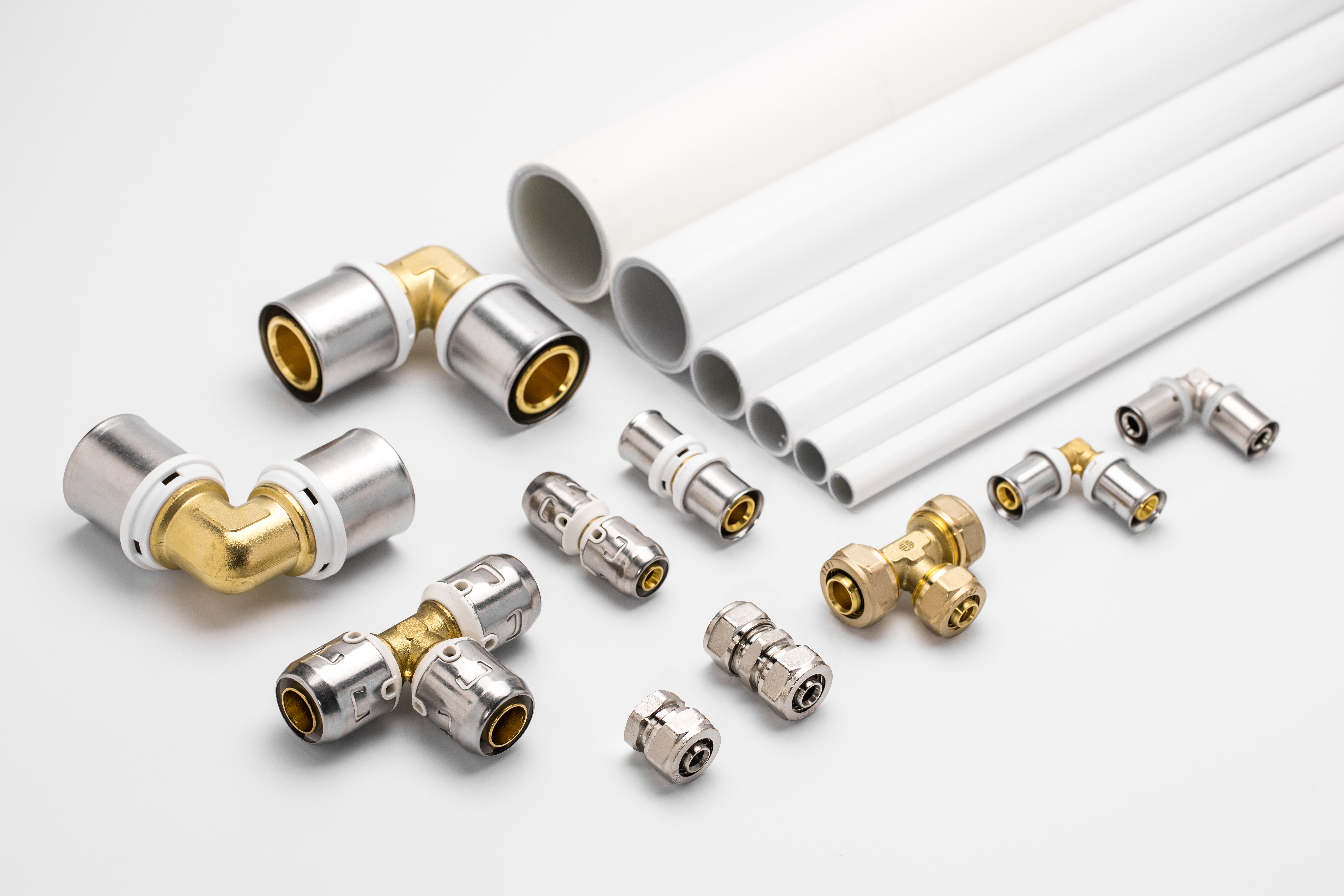
Sustainable Plumbing Materials Explained
Sustainable plumbing materials play an essential role in reducing environmental impact while maintaining functionality. Key evaluation criteria include the material’s lifecycle, recyclability, and energy efficiency during production. Understanding these factors helps consumers and builders make informed choices that promote water conservation and sustainability in plumbing systems. Additionally, products like those from RIIFO Indonesia, certified with Environmental Product Declaration (EPD), demonstrate a commitment to environmental responsibility and compliance with sustainability standards.
What Makes a Plumbing Material Sustainable?
Plumbing materials play a crucial role in the quest for sustainability, as their environmental impact extends from production to disposal. Selecting the right materials is essential for reducing ecological footprints while ensuring efficient water use. Sustainable plumbing materials are characterized by:
- Durability: Long-lasting materials minimize the need for frequent replacements, reducing waste.
- Recyclability: Materials that can be recycled after their lifespan contribute to a circular economy, promoting resource conservation.
- Low Embodied Energy: The energy required for production should be minimal, decreasing overall carbon emissions. Additionally, products like RIIFO’s Environmental Product Declaration (EPD)certifications ensure compliance with international sustainability standards, reinforcing their eco-friendly credentials.
Key Evaluation Criteria
When evaluating sustainable plumbing materials, several key criteria emerge as critical to ensuring both environmental and functional efficiency. Durability, recyclability, resource consumption, lifecycle impact, and maintenance requirements provide a framework for appraising the long-term viability of plumbing systems. Understanding these factors allows for informed decision-making that aligns with sustainability goals and resource conservation. Additionally, materials like PPR pipes offer high impact resistance and corrosion resistance, enhancing their sustainability in plumbing systems.
Durability
Durability serves as a pivotal criterion in evaluating materials for water-efficient plumbing systems. Selecting long-lasting materials guarantees reduced maintenance costs and fewer replacements, contributing to overall sustainability.
- Resilience against corrosion and wear
- Ability to withstand extreme temperatures
- Longevity in structural integrity
Incorporating durable plumbing materials empowers homeowners and builders, providing them with reliable systems that enhance both functionality and environmental responsibility. For instance, PPR pipes are designed for long-term reliability, ensuring effective performance in various plumbing applications while promoting sustainability through their high-quality, 100% virgin PPR raw materials.
Recyclability
Recyclability stands as an essential factor in the assessment of sustainable plumbing materials, reflecting a commitment to environmental stewardship. Evaluating materials based on their recyclability guarantees that they contribute to a circular economy, minimizing waste and resource depletion.
| Material Type | Recyclability Rating | Notes |
| PVC | Moderate | Limited recycling options |
| Copper | High | Highly recyclable |
| PEX | Low | Not widely recyclable |
Additionally, premium quality PP-R raw materials are recognized for their durability and safety, making them a sustainable choice in plumbing systems.
Resource Consumption
Resource consumption plays a pivotal role in determining the sustainability of plumbing materials. Analyzing the resource inputs can empower consumers to make informed choices. Key criteria include:
- Raw Material Sourcing: Evaluating the extraction methods and their environmental impact.
- Manufacturing Process: Analyzing energy usage and emissions during production.
- Transportation Footprint: Considering the distance and methods used to deliver materials.
These factors help guarantee responsible consumption. Additionally, the incorporation of materials with Environmental Product Declaration (EPD) certifications ensures compliance with international sustainability standards.
Lifecycle Impact
Although many factors contribute to the overall sustainability of plumbing materials, lifecycle impact emerges as a critical consideration in evaluating their environmental footprint. This encompasses resource extraction, manufacturing processes, transportation, usage, and end-of-life disposal. Evaluating each phase guarantees informed choices that minimize negative effects. Understanding lifecycle impact empowers consumers to select materials that align with their sustainability goals, promoting a more responsible plumbing infrastructure. Additionally, choosing products certified by esteemed international standards ensures high-quality and environmentally friendly options.
Maintenance Requirements
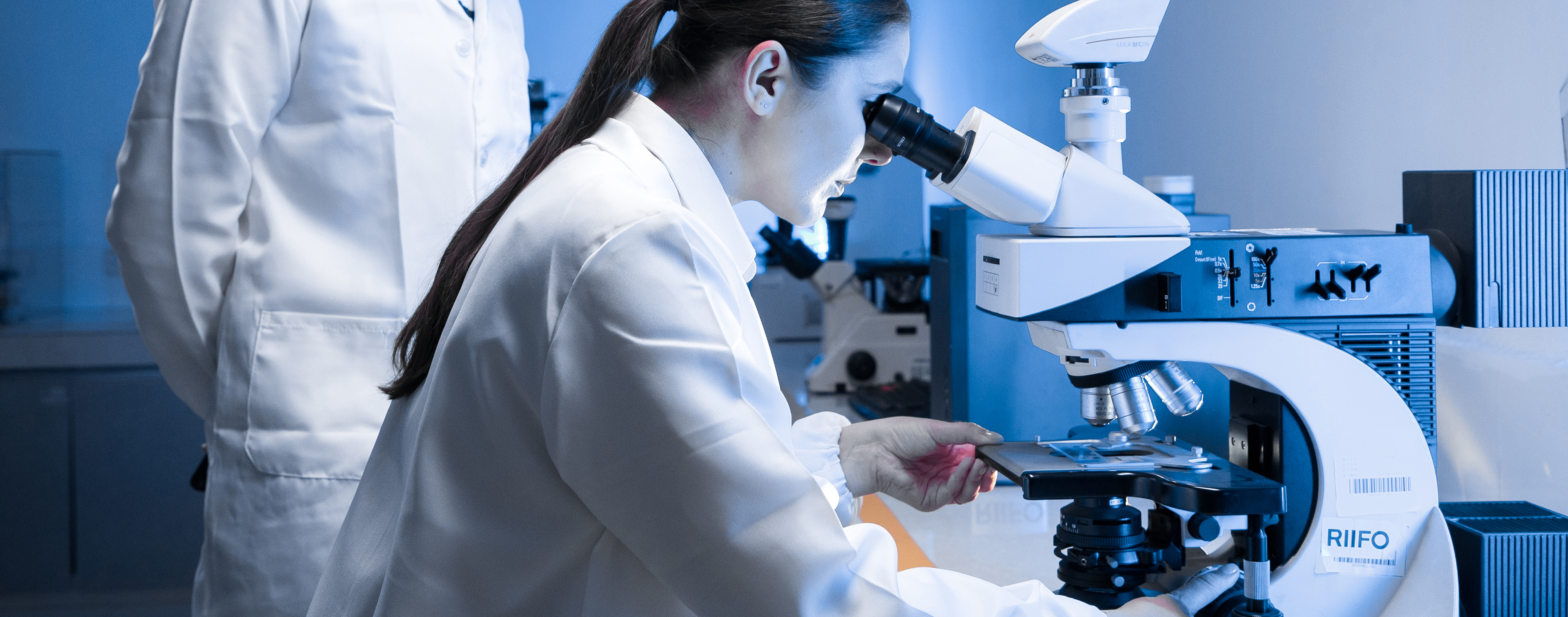
When evaluating sustainable plumbing materials, maintenance requirements play a pivotal role in determining their long-term viability and environmental impact. Proper upkeep guarantees efficiency and longevity, reducing waste. Key considerations include:
- Frequency of repairs: Assess how often materials need servicing.
- Material durability: Examine resistance to wear and damage.
- Ease of cleaning: Consider how simple it is to maintain ideal functionality. Additionally, materials such as PP-R raw materialsare recognized for their long-term strength and durability, making them a reliable choice for sustainable plumbing.
Comparing Eco-Friendly Pipe Materials
In evaluating eco-friendly pipe materials, several options stand out for their sustainability and efficiency. PPR, multilayer piping, PEX, HDPE, and PVC systems each offer unique benefits and challenges that can impact water conservation efforts. Understanding these differences is essential for making informed choices in plumbing design and installation. Additionally, the exceptional durability of PP-R ensures a reliable long-term solution for various plumbing applications.
PPR Plumbing Systems
As the demand for sustainable construction practices grows, PPR (Polypropylene Random Copolymer) plumbing systems emerge as a compelling option for eco-conscious builders and homeowners alike. These systems offer notable advantages in sustainability, emphasizing water efficiency and practical applications.
- Water Efficiency: PPR systems minimize water loss, supporting conservation efforts.
- Durability: Resistant to corrosion, PPR pipes have a long lifespan, reducing the need for replacements.
- Versatile Applications: Ideal for both residential and commercial projects, they cater to diverse plumbing needs.
Adopting PPR plumbing systems not only aligns with eco-friendly principles but also empowers users to take control of their water management strategies, ensuring efficient resource use in modern construction. Additionally, their exceptional performance & lasting durability ensures long-term reliability in various conditions, making them a smart choice for sustainable plumbing solutions.
Multilayer Piping Systems
Multilayer piping systems represent a significant advancement in plumbing technology, combining the benefits of various materials to enhance water efficiency and sustainability.
Multilayer piping systems typically combine polymer layers with an aluminum layer to provide dimensional stability, strength, and reliable performance. The multilayer structure provides dimensional stability and supports efficient heat transfer applications when combined with proper insulation and system design.
The water-efficiency benefits include reduced flow resistance and minimized leaks, ensuring peak performance in both residential and commercial applications.
Commonly used in underfloor heating, potable water distribution, and hydronic heating systems, multilayer piping provides an innovative solution for those seeking reliable, eco-friendly plumbing options without sacrificing control over water usage.
PEX Plumbing Systems
While various eco-friendly pipe materials are available, PEX plumbing systems stand out for their combination of durability, flexibility, and sustainability. This innovative material not only reduces water waste but also withstands extreme temperatures, making it suitable for diverse applications in residential and commercial settings.
- Water Efficiency: PEX systems minimize leaks and maintain water pressure, enhancing overall efficiency.
- Sustainability Advantages: PEX offers long service life, corrosion resistance, and reduced maintenance requirements, helping minimize resource consumption over the lifecycle of plumbing systems.
- Typical Applications: Ideal for both hot and cold water supply lines, PEX is increasingly favored in retrofits and new constructions. Additionally, PEX-b pipes provide reliable performance in hot and cold water applications with good durability and chemical resistance.
HDPE Infrastructure Systems
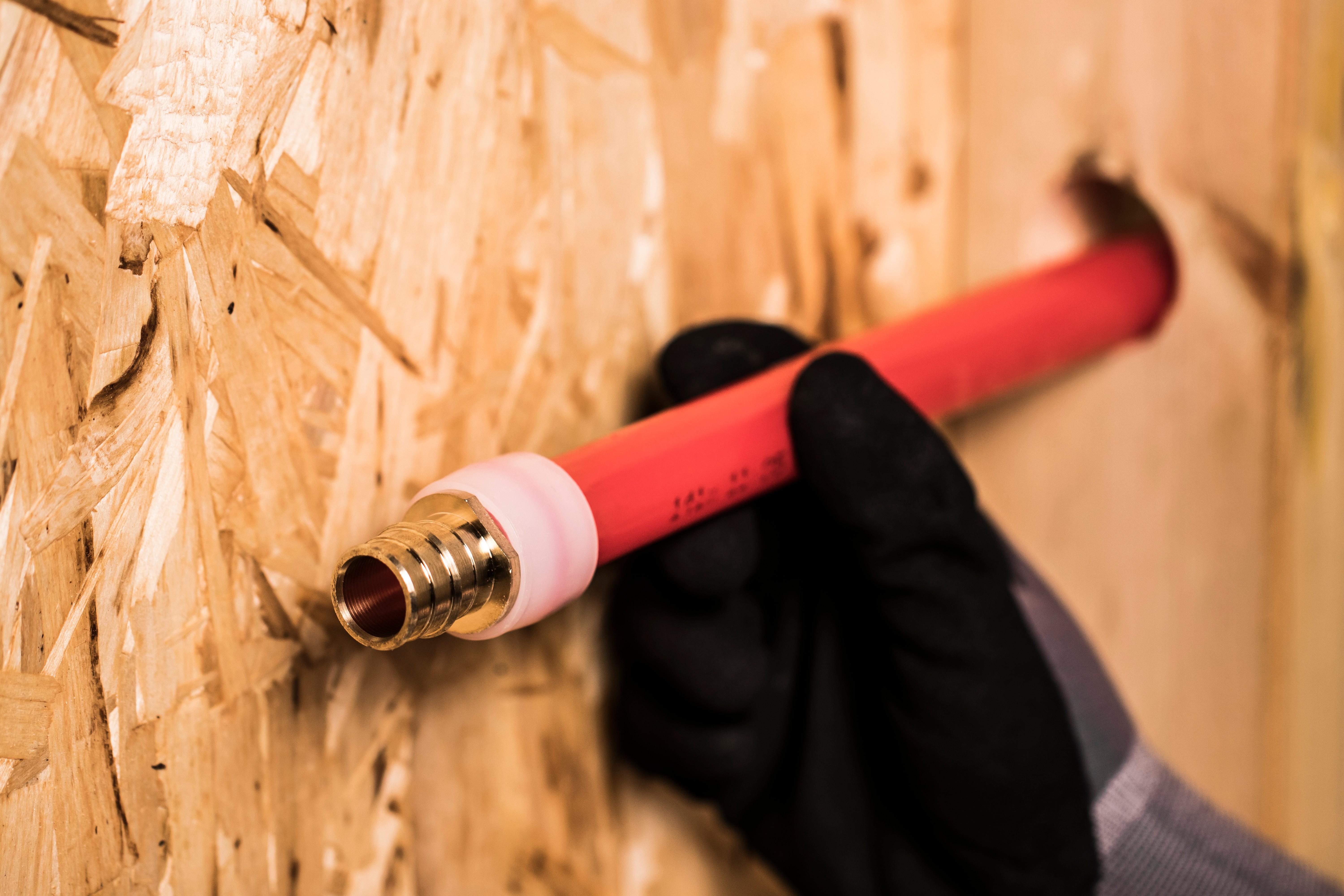
When comparing eco-friendly pipe materials, HDPE (High-Density Polyethylene) infrastructure systems emerge as a formidable contender due to their exceptional durability and environmental benefits. Renowned for their resistance to corrosion and chemical leaching, HDPE pipes greatly reduce the risk of contamination, ensuring a cleaner water supply. Their lightweight nature enhances installation efficiency while minimizing energy consumption during transportation. With respect to sustainability, HDPE can be recycled at the end of its service life, while pipe materials are selected according to application and regulatory requirements.
Typical applications include water distribution, sewage systems, and stormwater management, showcasing their versatility. Furthermore, HDPE’s ability to maintain flow efficiency while minimizing leaks contributes to water conservation efforts, making it an ideal choice for those seeking reliable and sustainable plumbing solutions. Additionally, HDPE pipes have a design life of 50 years, supporting long-term infrastructure projects and reducing the need for frequent replacements.
PVC Drainage Systems
Building on the foundation of eco-friendly plumbing materials, PVC (Polyvinyl Chloride) drainage systems present a viable alternative in the quest for sustainable infrastructure. Not only do these systems offer impressive durability, but they also contribute considerably to water efficiency and environmental conservation.
- Sustainability Advantages: PVC drainage systems can support resource efficiency through long service life and, where recycling systems are available, material recovery opportunities.
- Water Efficiency Benefits: The smooth interior surface minimizes flow resistance, enhancing water conservation efforts.
- Typical Applications: Ideal for residential and commercial projects, PVC pipes are versatile and cost-effective. Moreover, their outstanding anti-crack performanceensures long-lasting functionality in various conditions.
How Modern Pipe Systems Improve Water Efficiency
Modern pipe systems considerably enhance water efficiency through advanced materials designed to prevent leaks and resist corrosion. By ensuring secure connections and maintaining consistent water pressure, these systems minimize water loss and optimize flow efficiency. This innovative approach not only conserves water but also promotes long-term performance in plumbing infrastructures. Additionally, the use of HDPE water supply systems ensures durability and reliability, further contributing to sustainable plumbing solutions.
Leak Prevention Through Better Materials
As the demand for water conservation intensifies, the adoption of advanced materials in plumbing systems has emerged as a crucial strategy for leak prevention. Modern pipe systems utilize innovative materials that greatly reduce the risk of leaks, ensuring consistent water efficiency. These materials not only enhance durability but also improve the overall integrity of plumbing installations.
- Cross-Linked Polyethylene (PEX): Flexible and resistant to cracking, allowing for easier installation and fewer joints. PEX-b pipe offers superior resistanceto temperature fluctuations and is ideal for various plumbing applications.
- Copper Alloys: Naturally resistant to corrosion, they provide longevity and reliability in water delivery.
- PVC and CPVC: Lightweight and easy to install, these materials are less prone to leaks and require minimal maintenance.
Corrosion Resistance and Long-Term Performance
While traditional plumbing materials often succumb to corrosion over time, advanced pipe systems have been engineered to greatly enhance water efficiency through superior corrosion resistance. Modern materials, such as PEX and PVC, offer significant advantages over metal options, reducing the risk of rust and deterioration. These innovative pipe systems not only extend the lifespan of plumbing installations but also minimize the need for frequent replacements, thereby conserving resources. Additionally, their resistance to scale buildup guarantees ideal water flow and pressure, further contributing to efficient water usage. By choosing corrosion-resistant materials, property owners gain greater control over maintenance costs and system reliability, making informed decisions that align with their sustainability goals. Furthermore, PPR RIIFO pipes provide a durable and hygienic solution for plumbing systems while ensuring compliance with health and safety standards.
Reduced Water Loss Through Secure Connections
How can secure connections in plumbing systems greatly reduce water loss? Modern pipe systems utilize advanced connection techniques to minimize leaks and enhance water efficiency. By employing reliable joint designs and materials, these systems prevent wasteful water loss, ensuring that every drop counts.
- Precision Engineering: Secure connections are designed for ideal fit, reducing the risk of gaps and leaks.
- Durability: High-quality materials withstand pressure fluctuations, maintaining their integrity over time.
- Easy Maintenance: Secure connections simplify inspection and repair, ensuring long-term efficiency.
With these innovations, property owners gain control over their water use, contributing to sustainability and reducing utility costs. A focus on secure connections is essential for achieving effective water-efficient plumbing systems. Additionally, using PEX-a products can further enhance the reliability of connections due to their superior performance and resistance to leaks.
Maintaining Consistent Water Pressure
Secure connections play a pivotal role in maintaining consistent water pressure throughout plumbing systems. Modern pipe systems, utilizing advanced materials and fittings, minimize friction and turbulence, ensuring a steady flow. These secure joints not only prevent leaks but also enhance the overall structural integrity of the plumbing infrastructure. Regular inspections of these connections can identify potential weak points, allowing for timely maintenance and adjustments. Additionally, pressure regulators can be integrated to maintain ideal pressure levels, safeguarding against fluctuations caused by demand changes. By investing in high-quality materials and implementing proactive maintenance strategies, homeowners can achieve greater control over their water systems, ensuring reliability and efficiency in daily usage while conserving precious resources. Furthermore, these high-quality materials are backed by a 25-year product warranty, providing homeowners with peace of mind regarding their investment.
Improved Flow Efficiency
Modern pipe systems revolutionize water efficiency by utilizing advanced design and materials that greatly enhance flow dynamics. These innovations not only minimize water waste but also guarantee peak delivery throughout plumbing networks. By focusing on improved flow efficiency, modern systems empower users to manage their water consumption effectively.
- Streamlined Design:Enhanced internal diameters reduce friction and resistance, allowing for smoother water flow.
- Smart Materials:Utilization of durable, corrosion-resistant materials extends system longevity and performance.
- Dynamic Pressure Management:Advanced technologies maintain consistent water pressure, guaranteeing efficient delivery without excess usage. Additionally, the Manning coefficient of 0.009 ensures efficient fluid flow, contributing to minimized energy loss.
Ultimately, these improvements contribute to a sustainable approach to water management, enabling individuals and organizations to take control of their water resources with confidence.
Reduced Maintenance-Related Water Waste
Eliminating leaks and inefficiencies greatly enhances water conservation in plumbing systems. Modern pipe systems, constructed from durable materials and featuring advanced seals, considerably reduce the frequency of leaks. These innovations not only minimize water waste but also lower maintenance costs, allowing property owners to maintain control over their resources.
Additionally, smart monitoring technologies can detect potential issues before they escalate, ensuring prompt action. This proactive approach mitigates water loss while also extending the lifespan of plumbing systems. By investing in modern plumbing solutions, individuals can achieve peak water efficiency and align their infrastructure with sustainability goals. Ultimately, reduced maintenance-related water waste empowers users to take charge of their water usage, reinforcing a commitment to responsible consumption. Furthermore, the use of PP-R raw materials ensures high performance and durability, further enhancing water efficiency in plumbing systems.
Water-Efficient Plumbing Design Strategies
Effective water-efficient plumbing design strategies hinge on several critical factors. Proper pipe sizing and optimized routing minimize water waste, while techniques like reducing dead legs and managing pressure enhance overall system efficiency. Implementing zoning in water distribution further guarantees that resources are utilized efficiently across different areas of a facility. Additionally, using PEX-a products can significantly improve the system’s durability and flexibility, which contributes to overall water efficiency.
Proper Pipe Sizing
Proper pipe sizing is an essential aspect of water-efficient plumbing design that can greatly influence water conservation efforts within a building. It guarantees ideal flow rates and minimizes waste, leading to significant savings. Correctly sized pipes can enhance system performance and longevity, ultimately reducing maintenance costs.
- Minimized Water Waste:Proper sizing prevents overflows and leaks, guaranteeing efficient water use.
- Enhanced System Efficiency:Appropriately sized pipes facilitate smooth water flow, reducing energy consumption.
- Cost-Effective Solutions:Investing in proper sizing can lead to lower utility bills and maintenance expenses. Additionally, using PEX-a products can further improve flexibility and ease of installation, contributing to an even more efficient plumbing system.
Optimized Pipe Routing
While many factors contribute to water-efficient plumbing systems, optimized pipe routing stands out as an essential strategy for enhancing water conservation. This approach focuses on minimizing the distance water travels through pipes, thereby reducing energy loss and water waste. By strategically planning the layout, installers can guarantee that pipes run directly to fixtures, limiting bends and turns that create resistance.
Additionally, using advanced software for modeling pipe systems allows for precise calculations, guaranteeing an efficient design that meets demand without excess. This method not only conserves water but also improves the overall performance of plumbing systems, providing users with greater control over their water usage and utility costs. Furthermore, implementing PEX plumbing systems can enhance flexibility and durability in the routing process. Optimized routing ultimately leads to a sustainable, cost-effective plumbing solution.
Reducing Dead Legs in Plumbing Systems
Optimized pipe routing greatly reduces water waste, but another critical design strategy involves minimizing dead legs in plumbing systems. Dead legs—sections of piping that do not facilitate flow—can lead to stagnation and increased water waste. Implementing effective strategies to reduce these dead legs can enhance overall efficiency and sustainability in plumbing systems.
- Shorten pipe runsto eliminate unnecessary lengths.
- Utilize looped designsto maintain continuous flow.
- Incorporate regular monitoringto identify and rectify stagnant sections. Additionally, using Multilayer PEX-AL-PEX Pipes can further enhance the efficiency of plumbing systems by providing excellent resistance to pressure and temperature variations.
Pressure Management Techniques
Effective pressure management techniques play a vital role in enhancing the efficiency of water systems. By optimizing pressure levels, systems can reduce waste and improve performance. Key strategies include the use of pressure-reducing valves, variable frequency drives, and regular system assessments. These methods guarantee that water reaches fixtures at the appropriate pressure, minimizing leaks and energy consumption. Additionally, implementing multilayer piping systems can further improve reliability and safety in plumbing systems.
| Technique | Benefits | Implementation Considerations |
| Pressure-Reducing Valves | Reduces excess pressure | Requires proper sizing and placement |
| Variable Frequency Drives | Adjusts pump speed as needed | Initial investment may be high |
| Regular Assessments | Identifies inefficiencies | Schedule routine inspections |
| Leak Detection Systems | Prevents water loss | Integration with existing systems |
| Flow Meters | Monitors usage patterns | Data analysis for optimization |
Zoning Water Distribution Systems
Pressure management techniques greatly enhance the efficiency of water systems, setting the stage for the implementation of zoning water distribution systems. Zoning involves segmenting water distribution networks to optimize flow and consumption, allowing for tailored delivery based on specific needs. This strategic approach enables better control over water usage, reduces waste, and promotes sustainable practices.
- Targeted Water Delivery:Customize flow rates for different areas, enhancing efficiency.
- Reduced Energy Consumption:Minimize pump workload, lowering energy costs and environmental impact.
- Adaptable Infrastructure:Easily adjust to changing demands or expansions in water use. Additionally, incorporating PP-R systems can further improve the overall durability and performance of water-efficient plumbing solutions.
Designing for Long-Term Efficiency
Designing water-efficient plumbing systems requires a thorough approach that prioritizes sustainability and resource conservation. Key strategies include the selection of low-flow fixtures, rainwater harvesting systems, and greywater recycling. These elements not only minimize water usage but also enhance long-term efficiency. Additionally, incorporating multilayer pipes can improve durability and reduce leakage, further contributing to water conservation efforts.
| Strategy | Benefits | Considerations |
| Low-Flow Fixtures | Reduced water consumption | Initial investment costs |
| Rainwater Harvesting | Utilizes natural resources | Requires adequate space |
| Greywater Recycling | Reuses water for non-potable use | Must adhere to regulations |
| Smart Metering | Monitors usage effectively | Possible technology costs |
| Insulation of Pipes | Prevents heat loss | Installation may be complex |
Implementing these strategies will empower stakeholders to make informed decisions that promote sustainability.
Sustainable Plumbing Solutions for Residential Buildings
Sustainable plumbing solutions for residential buildings encompass a range of strategies tailored to single-family homes, multi-family developments, and renovation projects. By integrating water-efficient home plumbing systems, these solutions aim to greatly enhance household water conservation. This approach not only reduces water usage but also contributes to the overall sustainability of residential living environments. Additionally, using HDPE pipes with a Manning coefficient of 0.009 improves hydraulic efficiency, further promoting water conservation efforts.
Single-Family Homes
In the domain of residential construction, the integration of water-efficient plumbing systems emerges as a pivotal aspect of modern single-family homes. These systems not only promote sustainability but also empower homeowners to take charge of their resource consumption. By adopting innovative plumbing solutions, residents can markedly reduce water waste while maintaining comfort and convenience.
- Installation of low-flow fixtures for faucets, showers, and toilets
- Implementation of rainwater harvesting systems for irrigation and non-potable uses
- Utilization of greywater recycling for landscape irrigation and toilet flushing
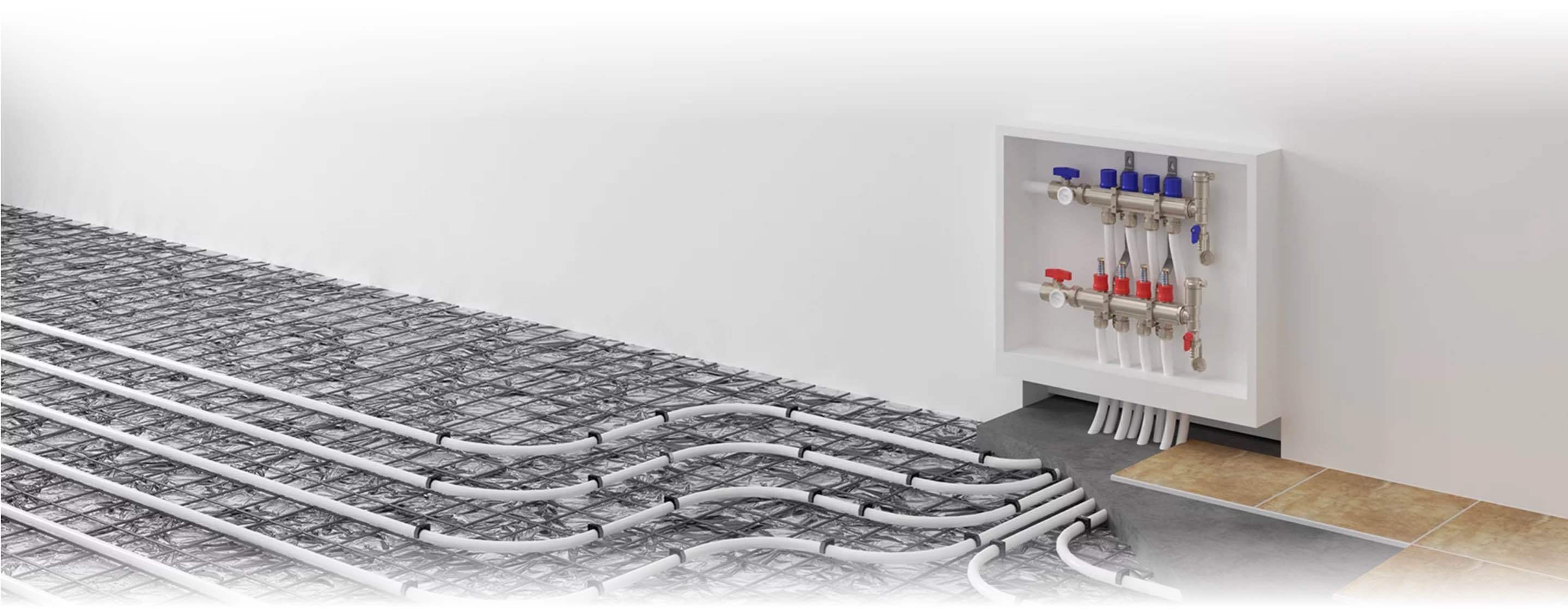
Emphasizing these practices fosters a proactive approach to water management, aligning with both environmental stewardship and financial savings. Single-family homes equipped with such systems exemplify a commitment to sustainable living, providing homeowners with greater control over their water resources. Additionally, incorporating advanced systems like underfloor heating systems can enhance energy efficiency while maintaining optimal comfort levels within the home.
Multi-Family Developments
Multi-family developments represent a considerable opportunity for implementing water-efficient plumbing solutions that can benefit a larger number of residents simultaneously. By incorporating advanced technologies such as dual-flush toilets, low-flow faucets, and smart irrigation systems, these buildings can considerably reduce water consumption.
Additionally, centralized plumbing systems allow for more efficient water distribution, minimizing waste and reducing costs for property owners. Rainwater harvesting systems can be integrated to supplement water supply for non-potable uses, further enhancing sustainability. Implementing greywater recycling systems also provides an innovative way to reuse water for irrigation and flushing toilets. Furthermore, using materials like UFH PEX-b pipes ensures durability and efficiency in plumbing applications. By prioritizing these sustainable plumbing solutions, multi-family developments can achieve substantial water savings, contributing to environmental sustainability while offering residents a more responsible living experience.
Renovation Projects
Renovation projects present a considerable opportunity for homeowners to enhance the efficiency of plumbing systems within residential buildings. By integrating sustainable plumbing solutions, they can markedly reduce water usage and lower utility bills.
- Install low-flow fixtures: These options minimize water flow without sacrificing performance, aligning with eco-friendly goals.
- Implement smart water management systems: Automated solutions can monitor water usage, identify leaks, and provide real-time data to homeowners, allowing for proactive management.
- Upgrade to energy-efficient water heaters: Shifting to tankless or solar water heaters reduces energy consumption while ensuring a reliable hot water supply. Additionally, utilizing piping systems that hold Environmental Product Declarationcertifications ensures that homeowners are making environmentally responsible choices in their renovations.
Water-Efficient Home Plumbing Systems
While traditional plumbing systems often lead to excessive water waste, innovative water-efficient home plumbing systems offer sustainable solutions that can greatly reduce consumption in residential buildings. These systems incorporate low-flow fixtures, dual-flush toilets, and smart irrigation technologies that optimize water usage without sacrificing performance.
By using pressure-compensating showerheads and faucet aerators, homeowners can maintain comfort while significantly reducing their water bills. Additionally, greywater recycling systems capture and reuse water from sinks and showers, enhancing conservation efforts.
The integration of advanced monitoring systems allows homeowners to track water usage in real-time, empowering them to make informed decisions. Adopting these water-efficient plumbing solutions not only benefits the environment but also provides homeowners with greater control over their resources and expenses. Furthermore, implementing underfloor heating systems can enhance overall energy efficiency, further contributing to sustainability efforts in residential buildings.
Improving Household Water Conservation
As homeowners increasingly seek to minimize their environmental impact, innovative plumbing solutions are emerging to enhance household water conservation. These advancements allow individuals to take control of their water usage while promoting sustainability. Effective strategies include:
- Low-Flow Fixtures: Installing faucets, showerheads, and toilets designed to use considerably less water without sacrificing performance.
- Smart Irrigation Systems: Utilizing technology to optimize garden watering schedules based on weather forecasts and soil moisture levels.
- Rainwater Harvesting: Capturing rainwater for non-potable uses, such as irrigation and toilet flushing, reducing reliance on municipal water supplies. Additionally, implementing low noise PVC drain pipesystems can further improve water flow efficiency and contribute to a quieter environment.
Sustainable Plumbing Solutions for Commercial Buildings
Sustainable plumbing solutions in commercial buildings, such as office complexes, hotels, educational institutions, healthcare facilities, and retail spaces, present unique challenges and opportunities for water conservation. Implementing advanced technologies, such as low-flow fixtures and rainwater harvesting systems, can greatly reduce water usage and operational costs. By prioritizing eco-friendly practices, businesses can enhance their sustainability profiles while meeting the demands of modern infrastructure. Additionally, adopting innovative piping systems can further streamline water management and improve overall efficiency in these settings.
Office Buildings
In the quest for environmental responsibility, office buildings are increasingly adopting water-efficient plumbing systems that not only conserve resources but also enhance operational efficiency. These systems are designed to minimize water waste while providing reliable performance, empowering businesses to take control of their water usage.
- Low-flow fixtures: These devices considerably reduce water consumption without sacrificing performance.
- Rainwater harvesting: Capturing and reusing rainwater can drastically lower dependency on municipal water supplies.
- Smart metering: Advanced monitoring systems allow for real-time tracking of water usage, enabling proactive management.
Hotels and Hospitality Facilities
While the hospitality industry often prioritizes guest comfort, integrating water-efficient plumbing systems has become essential for hotels and hospitality facilities aiming to reduce their environmental footprint. Implementing low-flow fixtures, such as faucets and showerheads, can greatly decrease water usage without sacrificing guest experience. Additionally, advanced irrigation systems for landscaping can optimize water use, further enhancing sustainability. Smart technology, including leak detection systems and water metering, provides real-time data, allowing management to monitor and control water consumption effectively. By prioritizing these innovative plumbing solutions, hotels not only contribute to environmental conservation but can also lower operational costs. Ultimately, adopting water-efficient systems positions hospitality facilities as leaders in sustainability, appealing to eco-conscious travelers and enhancing their brand reputation.
Educational Institutions
As educational institutions increasingly recognize their role in promoting environmental stewardship, the integration of water-efficient plumbing systems becomes imperative. These institutions can lead by example, showcasing sustainable practices that not only conserve water but also reduce operational costs. Implementing innovative plumbing solutions enhances their commitment to sustainability while fostering a culture of responsibility among students and staff.
- Low-flow fixtures: Reduces water usage without compromising performance.
- Rainwater harvesting systems: Captures and utilizes natural precipitation for irrigation and non-potable uses.
- Smart irrigation technology: Monitors weather conditions to optimize water usage in landscaping.
Healthcare Facilities
Healthcare facilities play an essential role in community well-being, making the adoption of sustainable plumbing solutions a key priority. Implementing water-efficient fixtures, such as low-flow faucets and dual-flush toilets, considerably reduces water consumption. Additionally, advanced monitoring systems can track water usage in real-time, allowing facilities to identify leaks and inefficiencies promptly. Rainwater harvesting systems offer a practical solution for irrigation and non-potable applications, further conserving resources.
Furthermore, using recycled water for toilet flushing can dramatically lower demand on municipal supplies. By integrating these innovative plumbing solutions, healthcare facilities not only enhance their sustainability profile but also reduce operational costs, ultimately maintaining control over their environmental impact while fostering a healthier community.
Retail and Mixed-Use Developments
In the domain of retail and mixed-use developments, the integration of sustainable plumbing solutions is becoming increasingly essential for operational efficiency and environmental stewardship. These systems not only reduce water consumption but also enhance the overall functionality of commercial spaces. Key strategies include:
- Rainwater Harvesting: Capturing and utilizing rainwater for non-potable uses, reducing demand on municipal supplies.
- High-Efficiency Fixtures: Installing fixtures that minimize water usage without compromising performance, leading to significant cost savings.
- Greywater Recycling: Reusing water from sinks and showers for irrigation or toilet flushing, promoting a circular water economy.
Large-Scale Water Management Benefits
The implementation of sustainable plumbing solutions in commercial buildings yields significant benefits for large-scale water management. These systems optimize water use through advanced technologies, such as low-flow fixtures and smart metering, which collectively reduce consumption and promote reuse. By capturing and recycling greywater, businesses can diminish dependence on municipal sources, thereby lessening their environmental impact.
Additionally, efficient plumbing systems enhance operational reliability, minimizing disruptions caused by leaks or failures. This proactive approach not only lowers utility costs but also positions organizations as leaders in sustainability. Ultimately, integrating these practices equips businesses with the tools to manage water resources effectively, ensuring a resilient infrastructure that meets both current and future demands while adhering to regulatory standards.
Sustainable Plumbing in Heating and Cooling Systems
Sustainable plumbing in heating and cooling systems represents a vital intersection of energy and water efficiency. Technologies such as underfloor heating and hydronic systems optimize resource use while minimizing operational costs. By integrating effective air conditioning piping systems, buildings can enhance comfort while markedly reducing their environmental footprint.
Underfloor Heating Systems
Underfloor heating systems represent a transformative approach to thermal comfort within residential and commercial spaces. This innovative solution enhances energy efficiency while promoting a more even distribution of heat, allowing users to control their environment effectively.
- Energy Efficiency: Reduces energy consumption by operating at lower temperatures.
- Design Versatility: Frees up wall space, enabling diverse interior design options.
- Enhanced Comfort: Provides consistent warmth from the ground up, eliminating cold spots.
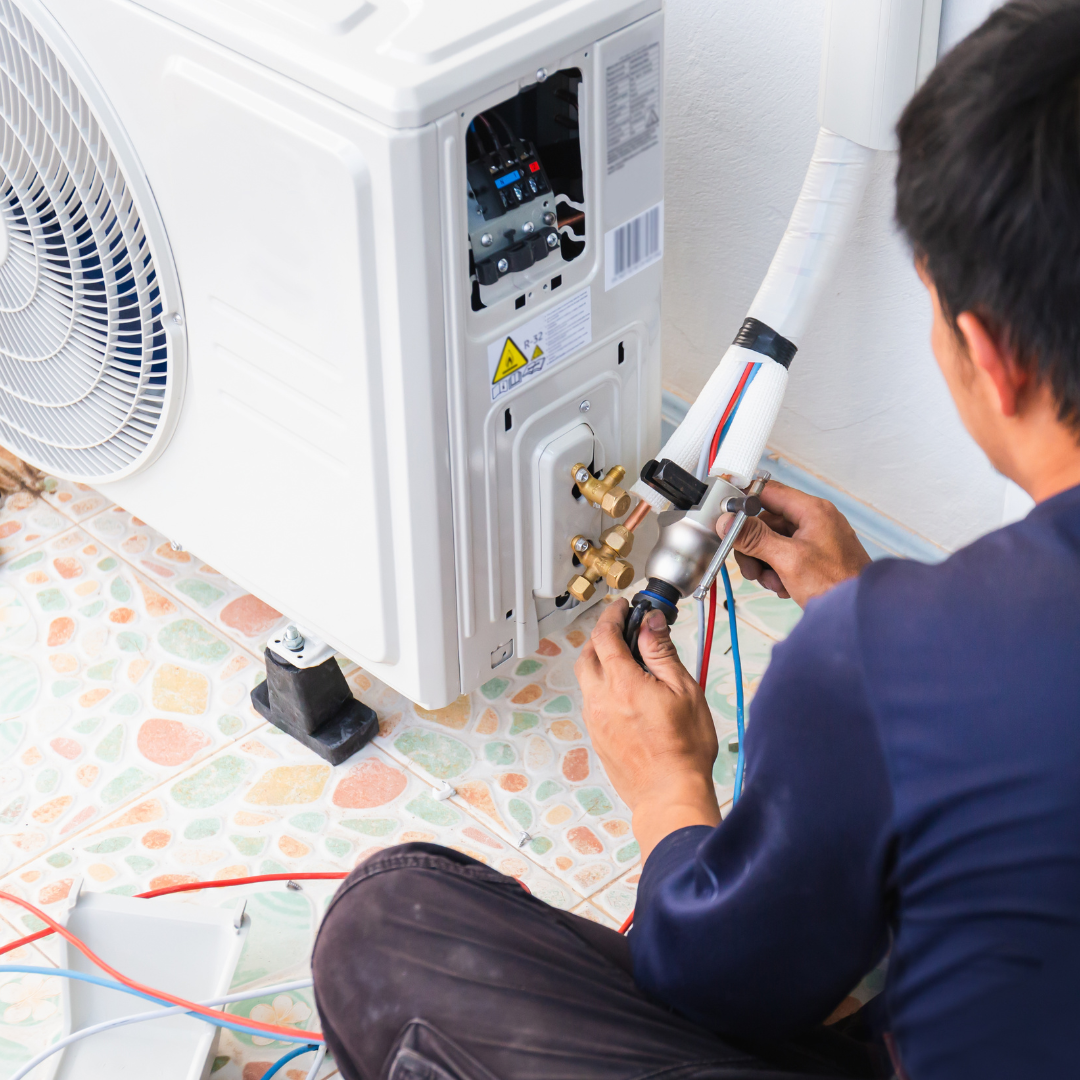
Air Conditioning Piping Systems
Air conditioning piping systems play a pivotal role in maintaining indoor comfort during warmer months, complementing the efficiency of hydronic heating systems. These systems not only circulate chilled water but also optimize energy use and reduce environmental impact. By employing sustainable materials and designs, they can enhance both performance and longevity.
- Material Selection: Utilize corrosion-resistant piping to prolong system life and minimize leaks.
- Insulation: Proper insulation of pipes prevents energy loss, improving overall efficiency.
- System Design: Implementing zoning can effectively manage temperature control, reducing energy consumption.
Through careful consideration of these factors, air-conditioning piping systems can contribute greatly to sustainable plumbing practices, providing comfort control while promoting environmental responsibility.
Improving Energy and Water Efficiency Simultaneously
As the demand for sustainable building practices increases, the integration of energy and water efficiency in heating and cooling systems becomes essential. Effective systems not only reduce resource consumption but also enhance occupant comfort and environmental responsibility. By utilizing advanced technologies such as condensing boilers, heat pumps, and smart thermostats, properties can achieve significant reductions in both water and energy use.
| Technology | Water Efficiency | Energy Efficiency |
| Condensing Boilers | High | High |
| Heat Pumps | Moderate | Very High |
| Smart Thermostats | Low | High |
| Variable Speed Pumps | High | Moderate |
These innovations empower property owners to take control of their systems, driving sustainability while maximizing overall performance.
Reducing Operational Costs
Implementing sustainable plumbing practices in heating and cooling systems can lead to substantial reductions in operational costs. By optimizing water and energy use, facilities can markedly enhance their financial sustainability. Key strategies include:
- High-Efficiency Equipment: Investing in energy-efficient boilers and chillers reduces energy consumption and maintenance costs.
- Smart Controls: Utilizing advanced monitoring systems allows for real-time adjustments, maximizing efficiency and minimizing waste.
- Regular Maintenance: Scheduled inspections and repairs prevent costly breakdowns and extend the lifespan of plumbing systems.
These approaches not only lower utility bills but also contribute to a sustainable environment. By taking control of plumbing efficiency, organizations can achieve notable savings while enhancing overall system performance. This proactive management ultimately supports long-term financial health and sustainability initiatives.
Green Building Standards and Sustainable Plumbing
In the domain of sustainable construction, plumbing plays an essential role in meeting various green building standards. Certifications such as LEED, BREEAM, WELL, and Green Star emphasize the importance of efficient plumbing systems in reducing water consumption and enhancing overall building performance. Understanding these standards enables builders and architects to implement plumbing solutions that support sustainability goals effectively.
Why Plumbing Matters in Sustainable Construction
While the focus on energy efficiency often dominates discussions surrounding sustainable construction, the role of plumbing systems cannot be overlooked. Effective plumbing design is essential not only for water conservation but also for enhancing overall building performance. A strategic approach to plumbing contributes greatly to sustainability goals.
- Water Conservation: Implementing low-flow fixtures reduces water usage without sacrificing performance.
- Resource Management: Efficient plumbing minimizes waste and optimizes resource allocation throughout the building.
- Health and Safety: Proper plumbing systems prevent contamination and promote a safe, healthy environment.
LEED Certification Considerations
As sustainable building practices gain momentum, LEED certification evaluates overall building performance, where water-efficient plumbing design and responsible material selection can contribute to sustainability goals.These strategies not only reduce water consumption but also minimize the environmental impact of plumbing installations. Key considerations include points awarded for innovative design and the utilization of sustainable materials. By adhering to these guidelines, project teams can enhance both their environmental credibility and operational efficiency. Ultimately, integrating water-efficient plumbing systems into LEED-certified buildings empowers stakeholders to make informed decisions while contributing to a sustainable future.
BREEAM Certification Considerations
BREEAM (Building Research Establishment Environmental Assessment Method) certification stands as a significant benchmark for promoting sustainable building practices, particularly in the domain of plumbing systems. This certification evaluates a building’s environmental performance and encourages water-efficient practices that can greatly reduce resource consumption.
- Water Efficiency: Prioritizes low-flow fixtures and rainwater harvesting systems.
- Lifecycle Impact: Considers the environmental effects of plumbing materials from installation to disposal.
- Innovation: Rewards innovative plumbing solutions that enhance efficiency and reduce waste.
WELL Building Standard Considerations
WELL focuses on occupant health and well-being, including water quality and safe plumbing system design. and operation of buildings, making it an essential framework for sustainable plumbing practices. This standard integrates plumbing systems that enhance water quality, promote efficient usage, and reduce waste. By focusing on factors such as water safety, accessibility, and comfort, the WELL Standard encourages the installation of fixtures that minimize water consumption while optimizing performance. For instance, low-flow faucets and dual-flush toilets not only conserve water but also guarantee user satisfaction. Implementing these guidelines can lead to healthier indoor environments, ultimately supporting occupant productivity and well-being. Adopting the WELL Building Standard in plumbing design empowers stakeholders to take control of their sustainability goals effectively.
Green Star Certification Considerations
Achieving Green Star Certification not only signifies a commitment to environmental sustainability but also highlights the critical role of plumbing systems in promoting efficient water use. Supports practices that improve water efficiency and resource management.
Key considerations for attaining Green Star Certification include:
- Water-Efficient Fixtures: Installation of low-flow faucets, toilets, and showerheads to minimize water consumption.
- Rainwater Harvesting: Incorporating systems that collect and utilize rainwater for non-potable applications.
- Leak Detection Systems: Implementing advanced monitoring technology to identify and rectify leaks promptly.
Supporting ESG and Sustainability Objectives
While many organizations increasingly prioritize Environmental, Social, and Governance (ESG) objectives, the integration of sustainable plumbing practices is essential for advancing these goals within green building standards. Sustainable plumbing systems contribute considerably by optimizing water usage, reducing waste, and enhancing energy efficiency. By adopting technologies such as low-flow fixtures and greywater recycling, organizations can meet stringent green building certifications while demonstrating commitment to responsible resource management. Implementing these practices not only mitigates environmental impact but also promotes social responsibility by ensuring equitable access to water resources.
In addition, aligning plumbing strategies with ESG objectives fosters transparency and accountability, allowing stakeholders to measure progress effectively. Therefore, efficient plumbing systems support ESG objectives by improving resource efficiency, reducing maintenance needs, and extending product lifecycle performance.
Lifecycle Assessment of Plumbing Systems
The lifecycle assessment of plumbing systems encompasses a thorough evaluation of their environmental impact from raw material extraction to end-of-life disposal. This analysis highlights critical factors such as manufacturing effects, transportation logistics, installation efficiency, and operational performance. By understanding these elements, stakeholders can make informed choices that enhance sustainability and resource conservation in plumbing design.
Raw Material Extraction
Raw material extraction serves as a critical phase in the lifecycle assessment of plumbing systems, influencing both environmental sustainability and resource efficiency. The choice of materials directly impacts the ecological footprint of plumbing systems, requiring careful consideration and strategic sourcing.
- Resource Depletion: Selecting materials with lower extraction demands conserves natural reserves.
- Carbon Emissions: Minimizing transportation distances reduces greenhouse gas outputs.
- Water Usage: Opting for water-efficient materials lowers overall resource consumption.
Manufacturing Impact
Although the manufacturing process is often overlooked, it plays a pivotal role in determining the overall sustainability of plumbing systems. The lifecycle assessment of plumbing components reveals that energy consumption, water usage, and emissions during production greatly impact environmental footprints.Manufacturers can improve lifecycle performance through optimized production processes, quality control, and responsible resource management.
Innovative manufacturing processes and efficient material utilization can help reduce waste during production. Additionally, implementing lean manufacturing principles minimizes resource consumption and streamlines operations. By focusing on these factors, plumbing system manufacturers can create products that not only meet performance standards but also align with eco-conscious values, empowering consumers to make informed choices that support sustainability in their water management systems.
Transportation Considerations
How do transportation logistics influence the sustainability of plumbing systems? The transportation phase of plumbing materials considerably affects their environmental footprint. Efficient logistics can minimize greenhouse gas emissions and resource consumption, thereby enhancing overall sustainability.
- Optimizing Routes: Reducing transportation distance lowers fuel consumption and emissions.
- Consolidating Shipments: Combining deliveries can decrease the number of trips required, improving efficiency.
- Eco-Friendly Vehicles: Utilizing electric or hybrid vehicles can further mitigate the carbon footprint associated with transporting plumbing components.
Understanding these factors allows stakeholders to make informed decisions, ensuring that plumbing systems not only perform effectively but also align with sustainability goals. By prioritizing transportation considerations, one can enhance the lifecycle value of plumbing systems while fostering environmental responsibility.
Installation Efficiency
Efficient installation practices play a critical role in the lifecycle assessment of plumbing systems, influencing both performance and sustainability. A systematic approach to installation minimizes resource waste and optimizes material use, directly impacting the system’s environmental footprint. Utilizing advanced techniques, such as prefabrication and modular design, can streamline the installation process, reducing labor costs and construction timelines.
Additionally, careful planning guarantees compliance with local regulations and standards, thereby enhancing the longevity and reliability of plumbing systems. By prioritizing energy-efficient tools and methods, installers can further enhance the overall effectiveness of the system. Ultimately, adopting efficient installation practices empowers stakeholders to make informed decisions, fostering a sustainable approach to plumbing infrastructure that resonates with the growing demand for eco-conscious solutions.
Operational Performance
The effectiveness of plumbing systems extends beyond installation practices, encompassing their operational performance throughout the lifecycle. Evaluating this performance is critical for guaranteeing long-term efficiency and sustainability. Understanding how plumbing systems function over time helps stakeholders make informed decisions.
- Water Usage Efficiency: Analyzing consumption patterns guarantees ideal resource utilization.
- Energy Consumption: Monitoring energy use aids in identifying opportunities for conservation.
- System Longevity: Assessing durability and reliability can reduce replacement costs and resource waste.
Through a lifecycle evaluation, plumbing systems can be refined, leading to improved operational performance. This proactive approach not only enhances sustainability but also empowers users to take control of their water and energy resources effectively, promoting responsible usage and environmental stewardship.
Maintenance Requirements
Maintenance requirements play a pivotal role in the lifecycle assessment of plumbing systems, influencing both their functionality and sustainability. Regular inspection and timely repairs are essential to prevent leaks and water wastage, which can undermine efficiency. Implementing a proactive maintenance schedule not only extends the lifespan of plumbing components but also enhances energy efficiency.
Utilizing advanced monitoring technologies can provide real-time data, enabling informed decisions regarding repairs and replacements. Additionally, choosing high-quality, durable materials reduces the frequency of maintenance interventions, promoting a sustainable approach. Educating property owners about the importance of routine checks empowers them to take control of their plumbing systems, ultimately contributing to a more sustainable water-efficient environment.
End-of-Life Recyclability
Recyclability at the end-of-life stage is a critical factor in the lifecycle evaluation of plumbing systems, greatly impacting environmental sustainability. As plumbing systems are replaced or decommissioned, evaluating their recyclability can lead to significant resource conservation and waste reduction.
- Material Recovery: Material recovery opportunities depend on local recycling infrastructure and material composition.
- Waste Diversion: Effective recycling processes can divert substantial waste from landfills, minimizing ecological footprints.
- Economic Benefits: Recyclability can lead to cost savings in disposal and resource procurement for new systems.
Incorporating end-of-life recyclability into plumbing system design empowers consumers and manufacturers alike to make informed, sustainable choices, ultimately enhancing environmental stewardship and resource management.
Total Environmental Footprint
While evaluating the total environmental footprint of plumbing systems, it becomes essential to contemplate their entire lifecycle, from material extraction to end-of-life disposal. This extensive approach includes analyzing resource consumption, energy use, and greenhouse gas emissions associated with manufacturing, installation, and maintenance. Each phase contributes uniquely to the overall ecological impact. For instance, sourcing copper or plastic pipes involves significant energy and water use, while installation practices can further exacerbate or mitigate environmental effects. Furthermore, considering the longevity and recyclability of materials is vital for reducing waste. By identifying these factors, stakeholders can make informed decisions that enhance sustainability, optimize efficiency, and ultimately minimize the ecological burden of plumbing systems throughout their operational lifespan.
Future Trends in Sustainable Plumbing and Water Efficiency
The future of plumbing systems is poised to embrace advanced technologies that enhance water efficiency and sustainability. Innovations such as smart water monitoring systems and IoT leak detection technologies will enable real-time data analysis, promoting proactive management of water resources. Additionally, the integration of digital water management platforms alongside low-carbon building designs and net-zero construction requirements will redefine how plumbing systems contribute to environmental stewardship.
Smart Water Monitoring Systems
How can smart water monitoring systems transform the landscape of plumbing and water efficiency? These innovative technologies empower users by providing real-time insights into water consumption, enabling proactive management of usage and waste. By harnessing data analytics and advanced sensors, homeowners and businesses gain unparalleled control over their plumbing systems.
- Real-Time Monitoring: Users receive instant updates on water usage patterns, promoting informed decision-making.
- Leak Detection: Early detection of leaks helps prevent costly damage and water loss.
- Usage Trends: Analysis of historical data allows for personalized recommendations to optimize water usage.
Incorporating smart water monitoring systems not only enhances sustainability but also fosters a culture of accountability regarding water resources, ensuring a more efficient future.
IoT Leak Detection Technologies
As water scarcity becomes an increasingly pressing global issue, the adoption of IoT leak detection technologies emerges as a significant advancement in sustainable plumbing. These innovative systems utilize smart sensors and real-time data analytics to monitor water flow and detect leaks with unparalleled accuracy. By providing immediate alerts, they empower property owners to take swift action, minimizing water loss and reducing utility costs.
The integration of IoT technologies facilitates proactive maintenance, enabling users to identify vulnerabilities in their plumbing infrastructure before they escalate into costly repairs. In addition, these systems contribute to overall water conservation efforts, aligning with sustainability goals. As the demand for efficient water management grows, IoT leak detection technologies will play an essential role in shaping the future of sustainable plumbing solutions.
Digital Water Management Platforms
Advancements in IoT leak detection technologies pave the way for the emergence of digital water management platforms, which represent the next frontier in sustainable plumbing and water efficiency. These platforms enable real-time monitoring and analytics, empowering users to take control of their water consumption and detect issues proactively.
Key features include:
- Data-Driven Insights: Users receive actionable analytics to optimize water usage.
- Automated Alerts: Instant notifications for leaks or irregularities guarantee prompt action.
- Integration Capabilities: Seamlessly connects with existing plumbing systems for enhanced efficiency.
Low-Carbon Building Design
What role does low-carbon building design play in the future of sustainable plumbing and water efficiency? This approach emphasizes minimizing carbon emissions while optimizing resource utilization, creating synergies between plumbing systems and energy efficiency. By integrating renewable materials and advanced technologies, low-carbon designs enhance overall sustainability.
| Design Element | Benefits | Considerations |
| Energy-Efficient Fixtures | Reduces water and energy use | Initial costs may be higher |
| Sustainable Materials | Lowers carbon footprint | Sourcing can be challenging |
| Smart Water Systems | Optimizes usage and reduces waste | Requires upfront investment |
| Insulated Pipes | Minimizes heat loss during transport | Installation complexity |
| Rainwater Harvesting | Provides alternative water sources | Space and regulatory considerations |
Incorporating these elements leads to more sustainable plumbing infrastructures.
Net-Zero Construction Requirements
Net-zero construction requirements are emerging as a transformative standard in sustainable plumbing and water efficiency, building on the principles of low-carbon design. These requirements aim to guarantee that buildings produce as much energy as they consume, greatly reducing their environmental impact. In the domain of plumbing, this translates into innovative practices that prioritize water conservation and management.
- Integration of advanced metering for real-time water usage tracking.
- Rainwater harvesting systems to supplement the potable water supply.
- Greywater recycling to maximize water reuse in residential and commercial settings.
Future Innovations in Sustainable Pipe Materials
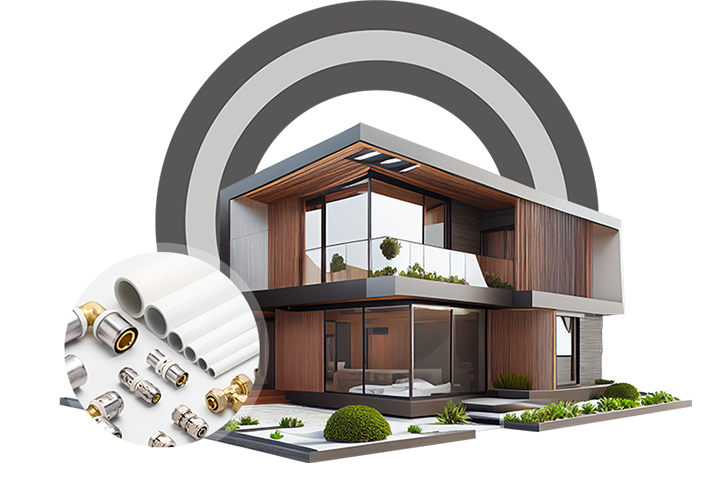
As the demand for sustainable plumbing solutions grows, the exploration of innovative pipe materials becomes increasingly essential. These materials not only reduce fossil fuel dependency but also offer improved recyclability.
Additionally, advancements in composite materials incorporating recycled content promise enhanced durability and corrosion resistance, ensuring longevity in plumbing systems.
Another promising innovation is the development of Digital technologies may further enhance plumbing management through improved monitoring and maintenance solutions. By embracing these future innovations, stakeholders can greatly enhance water efficiency and contribute to a more sustainable plumbing landscape, ultimately empowering consumers to make informed choices in their water management practices.
Why Sustainable Plumbing Starts with the Right Partner
Choosing the right plumbing partner is essential for achieving long-term water efficiency, reliability, and sustainability. Beyond products, manufacturers play a critical role in ensuring system performance throughout a building’s lifecycle.
The Importance of Quality Manufacturing
High-quality materials, advanced production processes, and strict quality control help reduce leaks, failures, and maintenance needs, supporting long-term resource conservation.
Long-Term Reliability and Performance
Durable piping systems minimize repairs and replacements, reducing water waste, operational costs, and environmental impact over time.
Product Certifications and Compliance
International certifications such as NSF, WRAS, DVGW, AENOR, and Watermark verify product safety, quality, and compliance with global plumbing standards.
Technical Support and System Design Expertise
Experienced technical support helps optimize system design, pipe sizing, and installation practices, ensuring maximum efficiency, reliability, and long-term performance.
Conclusion
Sustainable Plumbing Is Essential for Future Buildings
As water conservation and environmental responsibility become increasingly important, sustainable plumbing systems play a vital role in creating efficient, resilient, and future-ready buildings.
Water Efficiency and Material Sustainability Must Work Together
Achieving true sustainability requires more than choosing eco-friendly materials. Water-efficient system design, durable piping solutions, and long-term performance must work together to reduce resource consumption and environmental impact.
Choose Reliable Pipe Systems for Long-Term Performance
High-quality piping systems help minimize leaks, reduce maintenance requirements, improve operational efficiency, and deliver reliable performance throughout the building lifecycle.
Partner with RIIFO for Sustainable Plumbing Solutions
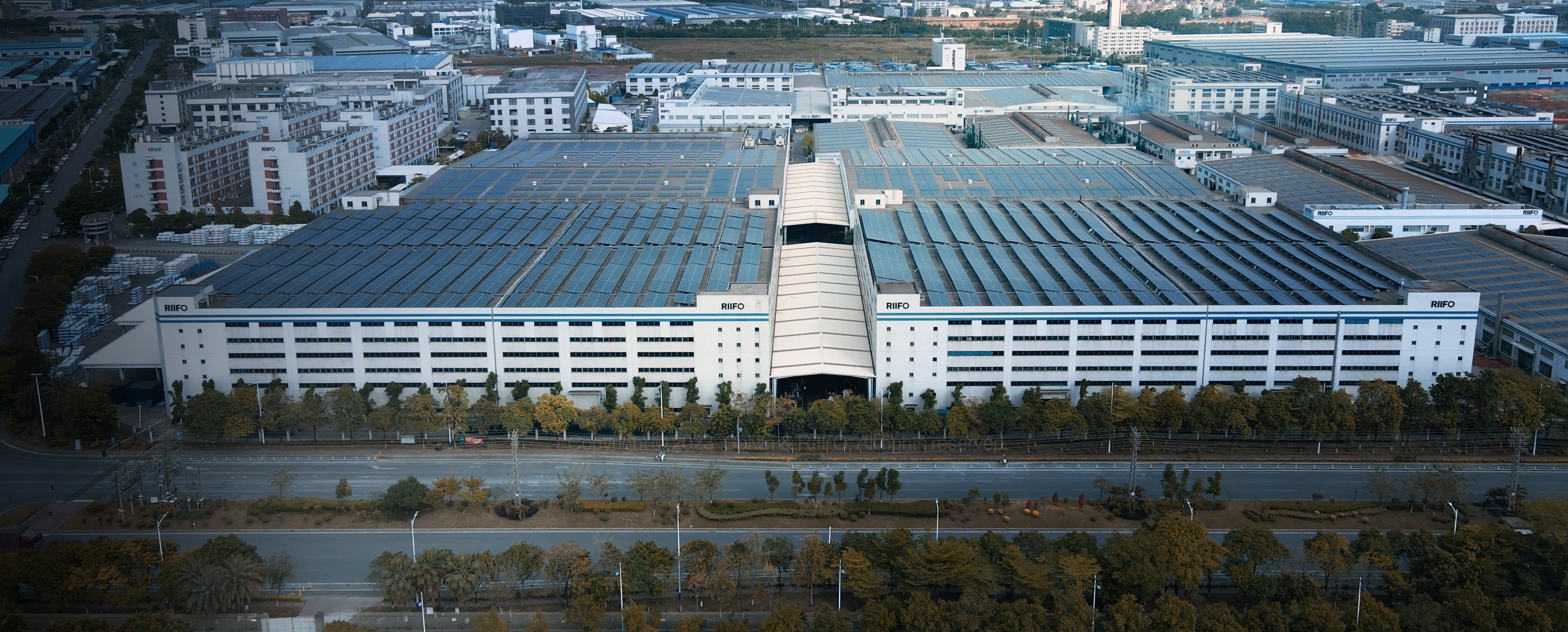
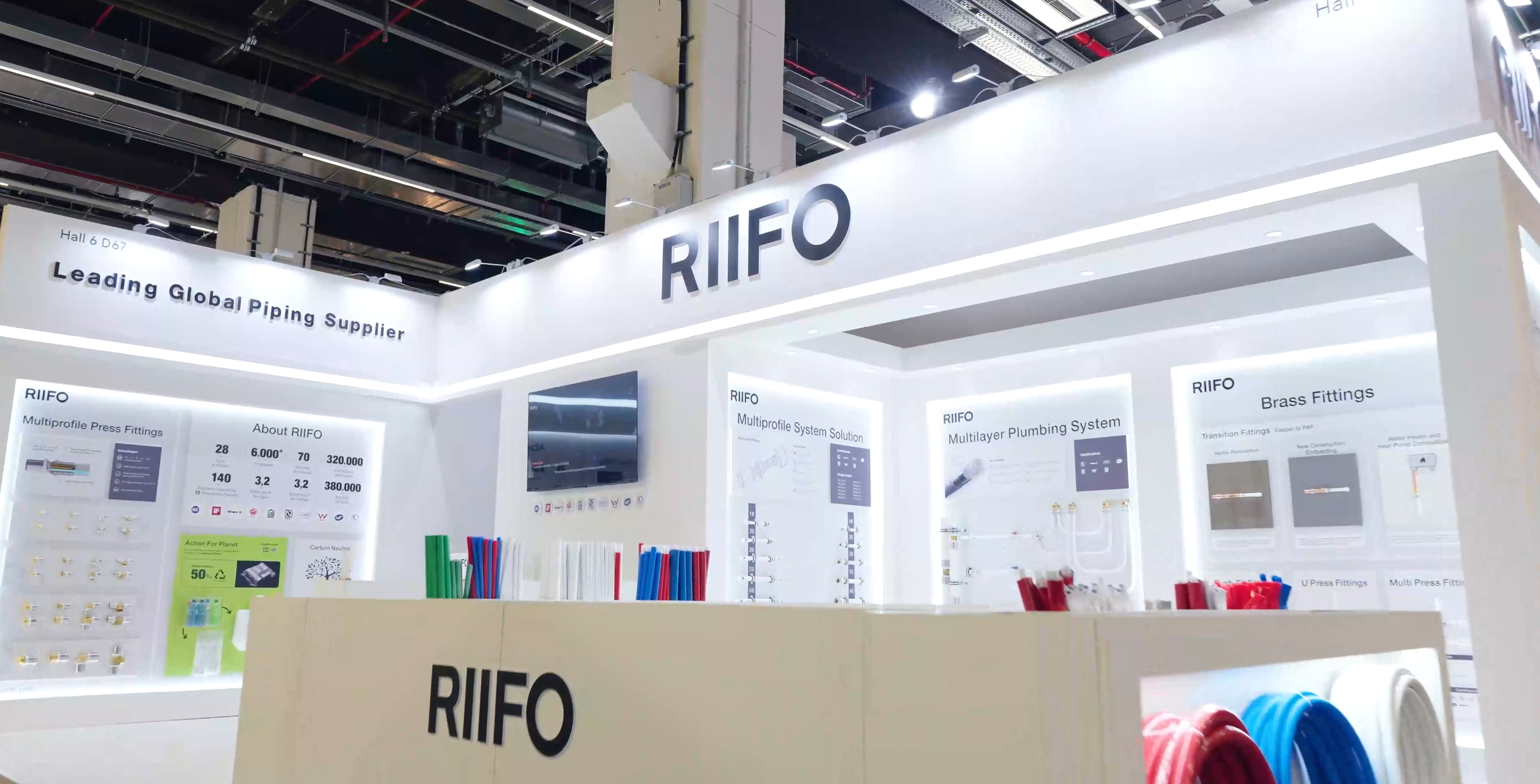
With nearly 30 years of industry experience, global certifications, innovative technologies, and comprehensive piping solutions, RIIFO helps contractors, developers, and engineers build sustainable plumbing systems that support long-term water efficiency and project success. Contact the RIIFO team today to find the right solution for your next project.
Frequently Asked Questions
What Is a Sustainable Plumbing System?
A sustainable plumbing system is designed to reduce water consumption, improve energy efficiency, minimize environmental impact, and provide long-term reliability through durable materials and efficient system design.
How Can Plumbing Systems Improve Water Efficiency?
Modern plumbing systems improve water efficiency by reducing leaks, optimizing water flow, maintaining stable pressure, and using durable materials that prevent corrosion and water loss.
Which Pipe Material Is the Most Environmentally Friendly?
There is no single best material for every application. PPR, PEX, multilayer, and HDPE systems all offer sustainability benefits through durability, long service life, and reduced maintenance requirements.
How Do Modern Pipe Systems Reduce Water Waste?
Modern piping systems minimize water waste through leak-resistant connections, corrosion-resistant materials, efficient water distribution, and longer service life compared to traditional piping materials.
What Is the Difference Between Sustainable and Traditional Plumbing?
Sustainable plumbing focuses on water conservation, energy efficiency, durable materials, and reduced environmental impact, while traditional plumbing systems often prioritize functionality without considering long-term sustainability goals.
How Does Sustainable Plumbing Support Green Building Certifications?
Efficient plumbing systems can contribute to green building programs such as LEED, BREEAM, WELL, and Green Star by improving water efficiency, reducing resource consumption, and supporting sustainable building practices.
Are Sustainable Plumbing Systems More Expensive?
While initial costs may vary, sustainable plumbing systems often deliver lower maintenance expenses, reduced water consumption, and longer service life, resulting in lower lifecycle costs.
What Are the Best Plumbing Solutions for Water Conservation?
Water-efficient piping systems, proper pipe sizing, pressure management, leak prevention technologies, and high-performance plumbing materials are among the most effective solutions for water conservation.
How Long Do Sustainable Plumbing Systems Last?
The lifespan depends on the material and application, but high-quality systems such as PPR, PEX, multilayer, and HDPE piping can provide reliable performance for several decades when properly installed and maintained.
Why Is Water Efficiency Important in Modern Buildings?
Water efficiency helps reduce operating costs, conserve natural resources, support sustainability goals, and ensure long-term resilience as global water demand continues to increase.