Introduction
As sustainability becomes increasingly vital in plumbing system specifications, it’s important to contemplate the entire lifecycle of piping materials, not just their installation. When considering sustainable plumbing materials, PP-R pipes stand out due to their recyclability and durability. These thermoplastic materials not only reduce PP-R’s environmental impact during use but also offer efficient installation benefits.
However, actual sustainability depends on factors like manufacturing processes, system design, transportation, and end-of-life management. Effective PP-R waste management is key to maximizing the benefits of recyclable PP-R pipes, ensuring they contribute positively to environmental goals. RIIFO PP-R plumbing systems are designed to support reliable, long-term piping applications, while this article explores the broader environmental considerations of PP-R systems.
By understanding these aspects, you can make informed decisions that align with your sustainability objectives.
Key Takeaways
- PP-R pipes are highly recyclable, reducing environmental impact at their end-of-life compared to less sustainable materials.
- Their lightweight design decreases transportation emissions and costs, contributing to a lower carbon footprint.
- Exceptional durability and corrosion resistance extend the service life of PP-R plumbing, reducing the need for replacements.
- Effective waste management strategies, including proper segregation and collection of PP-R waste, enhance recycling potential and sustainability.
- Heat-fusion joining techniques used in PP-R installations reduce material waste and prevent leaks, promoting a more efficient plumbing system.
What Makes a Plumbing System Sustainable?
A sustainable plumbing system isn’t defined by a single material characteristic; instead, it requires a holistic evaluation across the entire lifecycle of the components involved. Consider these factors when evaluating eco-friendly plumbing systems:
| Factor | Importance |
| Raw Material & Production | Affects environmental impact |
| Operational Life | Longer life reduces replacements |
| Recycling Potential | Facilitates end-of-life recovery |
PP-R pipe sustainability hinges on reducing the overall carbon footprint through efficient manufacturing, transportation, and installation. Long service life and minimizing premature replacement are just as essential as recyclability. By focusing on these aspects, you guarantee sustainable piping systems that are not only effective but also environmentally responsible, creating a better future for plastic pipe recycling.
Is PP-R Pipe Recyclable?
How recyclable is PP-R pipe? PP-R, a thermoplastic polypropylene, is indeed recyclable. After proper collection, sorting, and preparation, thermoplastics like PP-R can be reprocessed. You can recycle clean production scraps, construction offcuts, and recovered piping, but keep in mind that contaminated or mixed demolition waste complicates recycling. Distinguishing between factory production scrap, clean offcuts, and removed piping is vital; these materials enhance recycling potential. By keeping PP-R separate from other construction debris, you greatly improve its chances of entering recycling streams. Recycling practices and infrastructure vary by region, so understanding local guidelines is essential to maximize PP-R’s recyclability and support sustainable plumbing solutions. Additionally, RIIFO’s commitment to reducing carbon footprint through renewable energy investments supports the overall sustainability of materials like PP-R in plumbing applications.
# Environmental Benefits of PP-R Plumbing Systems
When you consider PP-R plumbing systems, their lightweight material considerably reduces transportation emissions and costs. With a long service life and low maintenance needs, these systems minimize resource use over time. Efficient installation further enhances their environmental profile, making PP-R a sustainable choice for modern plumbing solutions. Eco-friendly materials used in production also support responsible plumbing practices and help ensure safety in potable water applications.
# Lightweight Material and Transportation
PP-R pipes weigh considerably less than traditional plumbing materials, offering notable advantages for transportation and handling. This lightweight characteristic reduces logistical challenges and improves supply-chain efficiency. You can transport more PP-R pipes per load than heavier piping materials, reducing fuel consumption and transport emissions.
- Lower handling requirements make installation easier and safer.
- Increased load capacity means fewer trips to the job site.
- Transportation impact varies with supply distance and logistics, helping optimize resource use. Additionally, high resistance to thermal and mechanical stress helps ensure pipes maintain integrity during transport and installation.
# Long Service Life
With lower transportation costs and improved logistical efficiency, it’s important to consider the longevity of PP-R plumbing systems, which greatly contributes to their sustainability. These systems resist corrosion and rusting, ensuring durability in various environments. Their ability to withstand chemical attacks encountered in plumbing applications further enhances their lifespan. As a result, you’ll notice replacements are far less frequent, reducing material consumption over time.
By investing in PP-R systems, you not only benefit from their long service life but also reduce the environmental impact of manufacturing and disposing of less durable materials. This longevity is a vital aspect of sustainable plumbing that you can control and leverage for efficiency in your projects.
# Low-Maintenance Piping
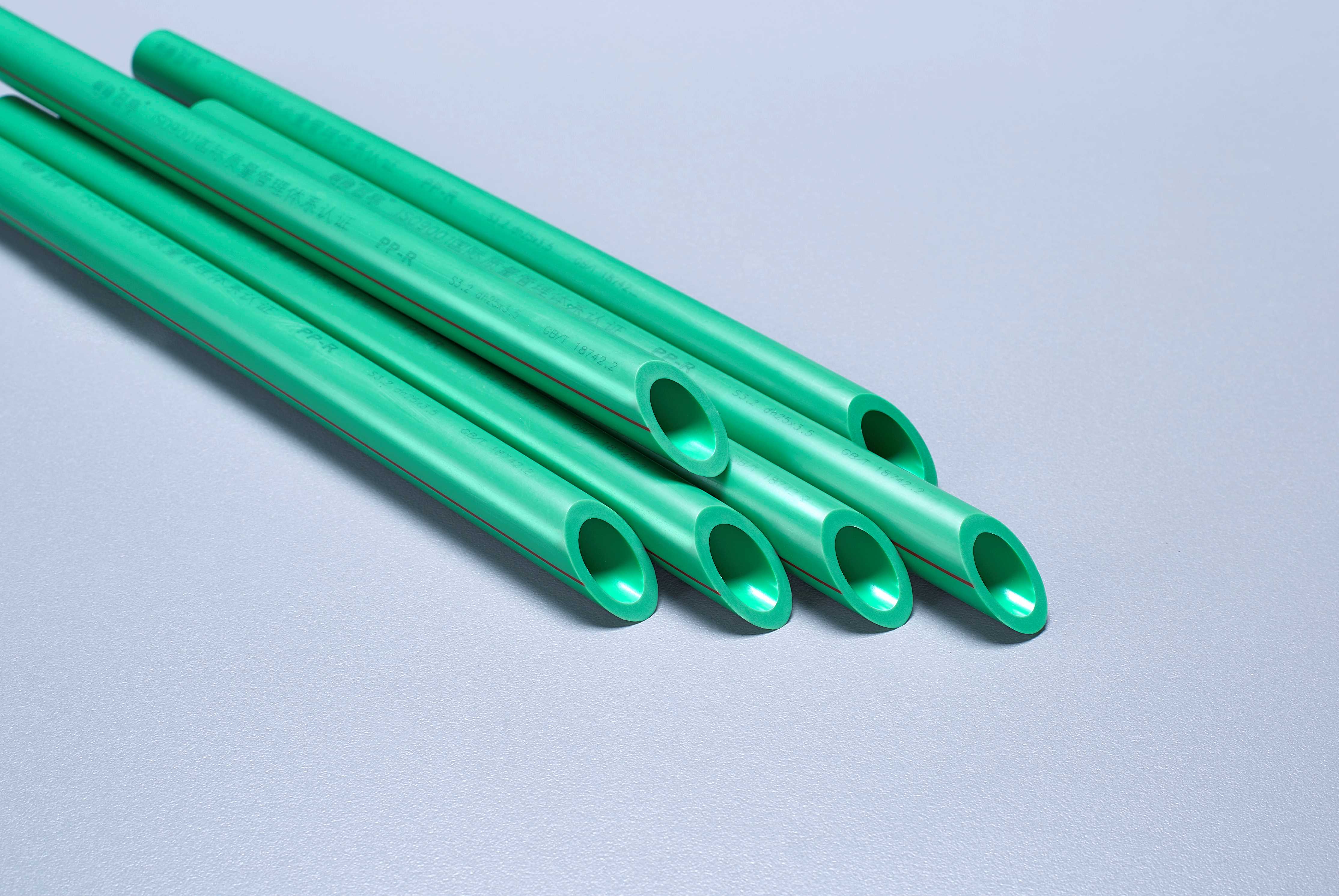
One standout feature of PP-R plumbing systems is their low-maintenance nature, which greatly contributes to environmental sustainability. By eliminating the need for corrosion protection and painting, you considerably reduce waste and resource consumption. In addition, you’ll notice a reduced need for maintenance activities associated with metallic corrosion, allowing you to allocate resources more efficiently.
- No corrosion protection or painting required
- Reduced maintenance activities linked to metal corrosion
- Proper system design and installation remain essential
This low-maintenance advantage can reduce maintenance-related resource consumption over the system’s service life. Furthermore, its high resistance to thermal expansion and contraction ensures reliable performance under varying conditions, making PP-R systems a smart choice for sustainable infrastructure while helping you control operational expenditures.
# Efficient Installation
When you consider the installation process, PP-R plumbing stands out for its environmental benefits. Its lightweight nature simplifies handling, enabling quicker, easier installation. The heat-fusion joining technique eliminates the need for additional joining materials, reducing both costs and environmental impact. In addition, when installed correctly, PP-R systems greatly minimize leaks and rework, leading to less material waste over the project’s lifespan. This precision not only extends the system’s lifespan but also supports sustainable practices by reducing demand for new resources. By choosing PP-R plumbing, you can improve installation efficiency while making a positive environmental impact.
PP-R vs Other Plumbing Materials: Understanding Environmental Impact
Evaluate the environmental impact of a plumbing material across its full lifecycle, including raw material production, manufacturing, transportation, installation, service life, maintenance, and end-of-life recycling. PP-R, copper, and steel each have different advantages, so no single material is automatically the most sustainable choice for every project.
| Environmental Factor | PP-R | Copper | Steel |
| Material weight | Lightweight | Heavier | Heavier |
| Corrosion resistance | High | Good, but application-dependent | Application-dependent |
| Transportation demand | Relatively low due to weight | Higher | Higher |
| Installation | Heat fusion | Soldering, press or mechanical joining | Welding, threading or mechanical joining |
| Recyclability | Recyclable thermoplastic | Highly recyclable | Highly recyclable |
| Scrap recovery value | Generally lower | High | Established |
| Maintenance needs | Low when correctly installed | Application-dependent | Can require corrosion management |
| Expected service life | Long when correctly specified | Long when correctly specified | Depends on application and environment |
PP-R’s lightweight construction can help reduce transportation requirements and associated emissions while its corrosion resistance can contribute to a long service life without additional corrosion protection. Copper and steel, however, benefit from well-established recycling streams and high material recovery rates, particularly because of their scrap value.
Material selection should consider the full lifecycle and project requirements. For this reason, environmental comparisons should not rely on material type alone. Pipe dimensions, manufacturing energy, transportation distance, installation practices, maintenance requirements, service life, and actual end-of-life recycling rates can all influence the final environmental footprint. For projects with formal sustainability requirements, Environmental Product Declarations (EPDs) and project-specific lifecycle assessment data provide a more reliable basis for comparison.
How PP-R Can Reduce Waste During Plumbing Installation
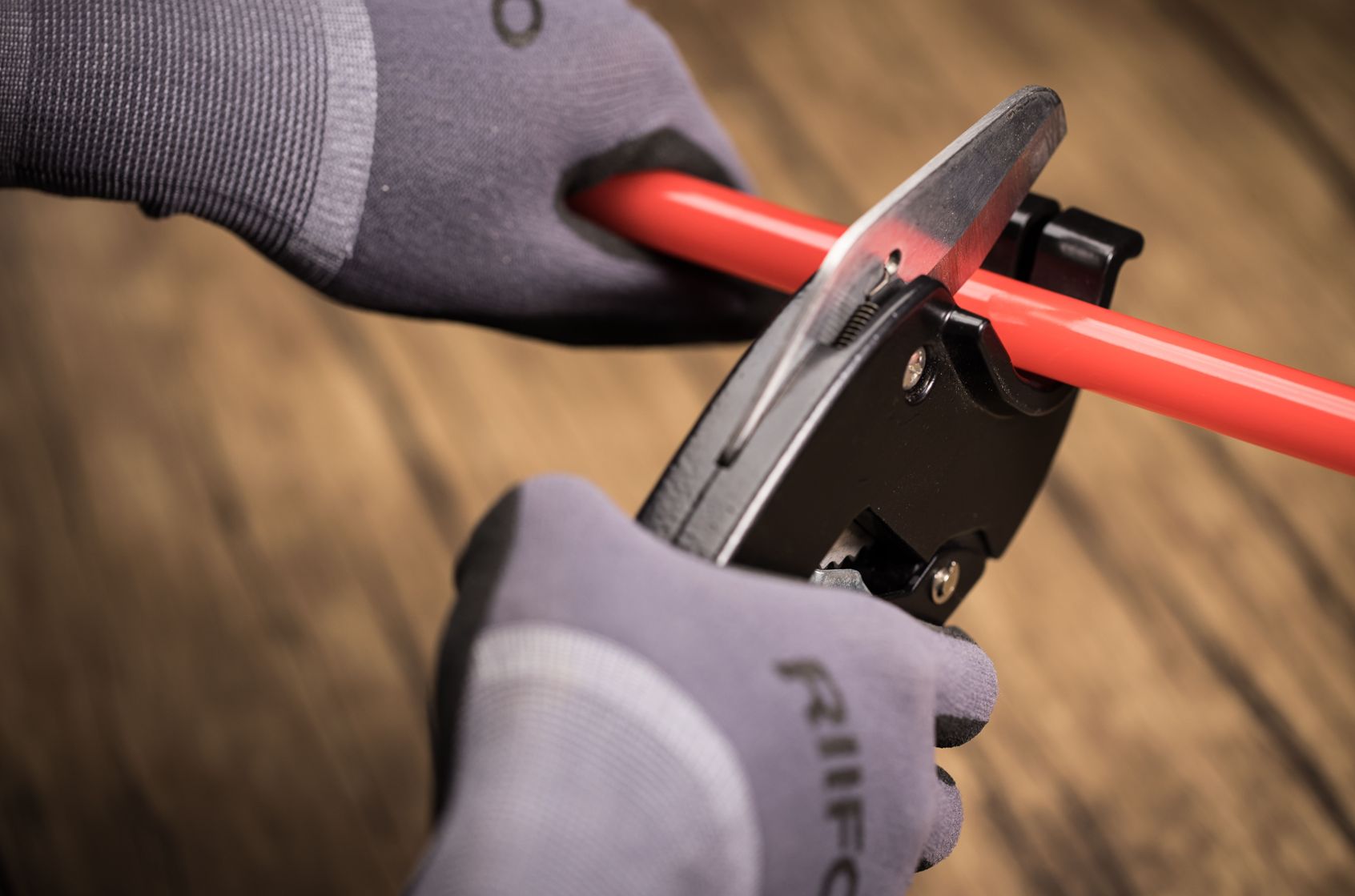
By implementing precise pipe planning and measurement, you can considerably reduce waste during PP-R plumbing installation. This not only enhances sustainability but also keeps project costs in check. Focus on optimized cutting techniques to minimize leftover material and guarantee you separate clean offcuts for potential reuse.
- Avoid unnecessary fittings to streamline your system.
- Adhere to correct heat-fusion procedures to prevent installation mistakes.
- Return or recycle suitable unused materials when programs exist. Additionally, using high-quality materials ensures long-term supportand durability, further contributing to waste reduction.
Designing PP-R Plumbing Systems for Disassembly and Recycling
Designing PP-R plumbing systems with disassembly and recycling in mind can greatly enhance sustainability while maintaining system integrity. Start by creating accessible pipe routes to facilitate future maintenance. Avoid unnecessary combinations of incompatible materials that complicate recycling.
Clearly document piping materials and use identifiable pipe markings to streamline disassembly. Keep thorough system drawings and material records for reference. Design service areas for easy access and component replacement, and separate piping from other construction materials where feasible during removal. Finally, plan for end-of-life material segregation during renovation or demolition.
Remember, design-for-disassembly doesn’t compromise system safety, pressure performance, or code compliance; it reinforces your commitment to sustainability while ensuring operational reliability.
Sustainable PP-R Waste Management for Contractors and Projects
Effective sustainable PP-R waste management starts with a clear hierarchy that prioritizes reducing waste at the source. To effectively manage waste, consider implementing these actionable steps:
Effective sustainable PP-R waste management begins with prioritizing waste reduction at the source. Implementing smart strategies is key.
- Establish dedicated collection pointsfor PP-R offcuts to streamline the recycling process.
- Keep waste cleanby making certain that PP-R is separated from PVC, PE, metals, and general construction waste.
- Train installerson best practices for waste management and tracking waste quantities, especially on larger projects.
Before construction begins, check local recycling requirements to confirm compliance. By focusing on these strategies, you’ll not only minimize environmental impact but also enhance efficiency, helping to control costs and improve project outcomes.
What Should Specifiers Look for When Choosing PP-R for Sustainable Projects?
Choosing the right PP-R piping for sustainable projects involves careful consideration of several key factors. Start by evaluating the expected service life and confirm it meets relevant drinking-water and plumbing certifications. Evaluate the manufacturer’s quality control measures and seek environmental documentation like Environmental Product Declarations (EPDs). Material traceability and system compatibility are essential for long-term sustainability. Don’t overlook local technical support and installation training, as these can greatly impact project success.
Confirm local product availability and inquire about waste management or recycling options. Remember, sustainability claims must be backed by technical documentation, not marketing language. Additionally, consider the thermal insulation properties of PP-R systems, as they play a significant role in energy conservation. This diligence will empower you to make informed decisions that align with your project’s sustainability goals.
RIIFO PP-R Plumbing Systems and Long-Term System Performance
Sustainability in a plumbing system also depends on how reliably it performs throughout its intended service life. A system that requires fewer premature repairs or replacements can help reduce material consumption, construction waste, and the resources associated with maintenance.
RIIFO provides complete PP-R plumbing systems supported by controlled manufacturing and rigorous quality management. RIIFO sources raw materials from recognized suppliers, and its piping systems comply with relevant international certification requirements, including standards from organizations such as NSF, DVGW, AENOR, WRAS, and WaterMark.
Beyond the products themselves, RIIFO supports projects through technical guidance, installation training, local sales teams, and warehouse facilities in applicable markets. A 25-year product warranty, together with RIIFO’s global manufacturing and distribution network, provides additional support for long-term system planning.
For sustainable plumbing projects, these factors matter because environmental performance is not only about whether a pipe can eventually be recycled—it is also about keeping a correctly designed and installed piping system in reliable service for as long as possible.