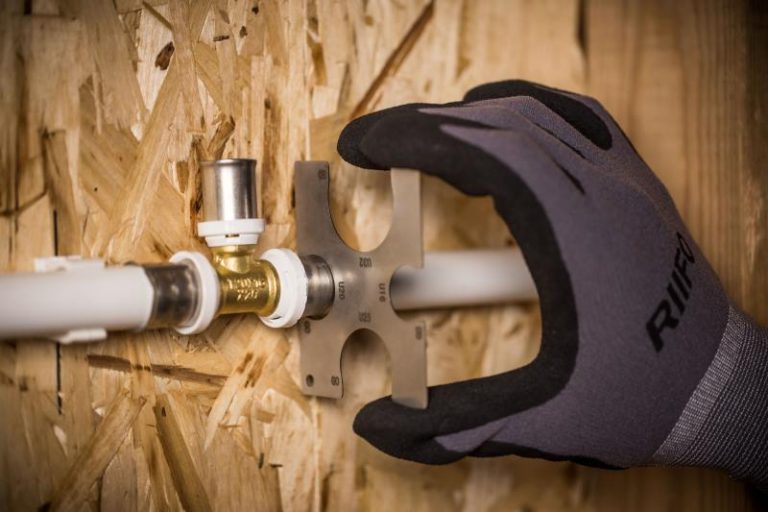

Multilayer plumbing systems have a lower environmental impact because of their efficient manufacturing and material use. These systems utilize a combination of materials, resulting in lower energy usage and reduced emissions during production. Their lightweight design simplifies transportation and installation, further enhancing sustainability. Additionally, the longevity of multilayer pipes reduces the need for replacements, lowering resource consumption over time. Discovering the intricacies of their design and potential innovations can provide greater insights into their ecological benefits.
Key Takeaways
- Multilayer plumbing systems combine materials to improve performance while reducing overall material consumption and environmental impact.
- Their lightweight design minimizes transportation emissions and energy use during installation, enhancing sustainability.
- The durable construction and effective leak prevention of multilayer pipes support water conservation and reduce maintenance needs.
- Recycling potential varies; aluminum layers are highly recyclable, though plastic components may complicate recycling efforts.
- These systems support green building certifications by promoting energy efficiency and minimizing resource consumption, aligning with sustainability goals.
Introduction
The increasing emphasis on sustainability in construction has influenced how plumbing systems are selected, particularly for green buildings, commercial projects, and infrastructure developments.
Multilayer plumbing pipes are increasingly considered for applications where durability, lightweight construction, efficient installation, and long service life are important. Evaluating their environmental impact requires looking beyond manufacturing to transportation, installation, service life, maintenance, and end-of-life considerations.
What Makes a Plumbing System Environmentally Sustainable?
Key considerations include using recyclable plumbing materials and low-carbon building materials, which reduce raw material consumption and minimize the carbon footprint over the entire lifecycle. Additionally, incorporating green building plumbing solutions improves water conservation and reduces maintenance needs, while efficient material transport further supports sustainability.
Achieving building sustainability certifications requires reviewing plumbing system lifecycle costs to ensure the system remains beneficial over time. Lifecycle assessment (LCA) is essential because it provides a detailed view of environmental impacts rather than merely evaluating individual materials, supporting more informed decision-making in sustainable plumbing design.
How Multilayer Pipes Are Manufactured
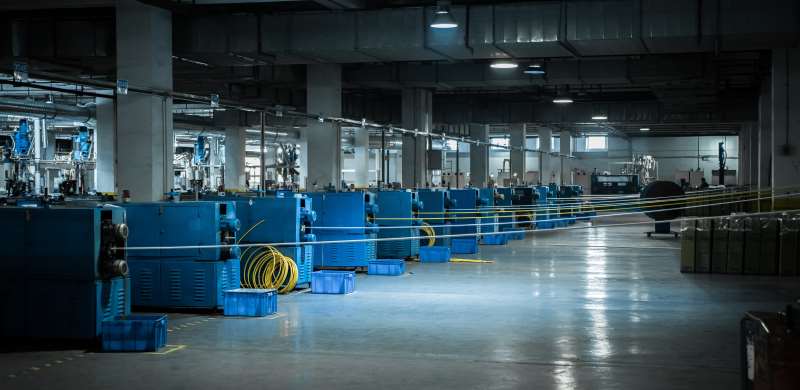
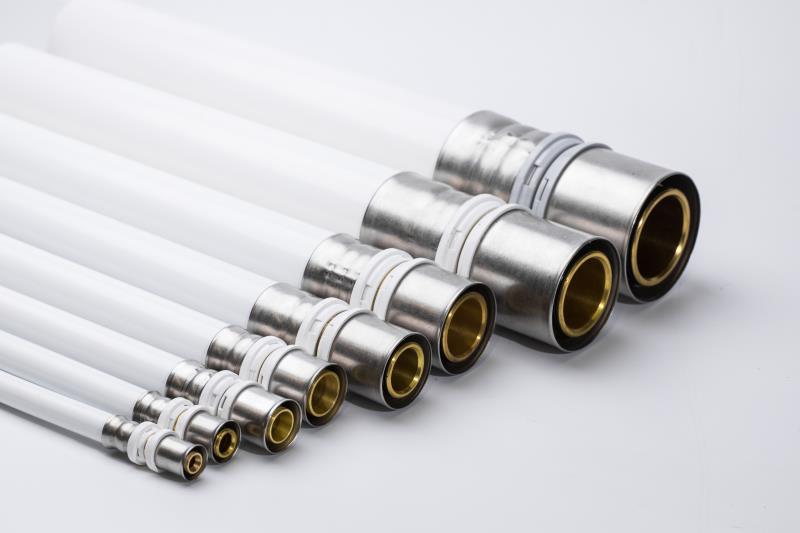
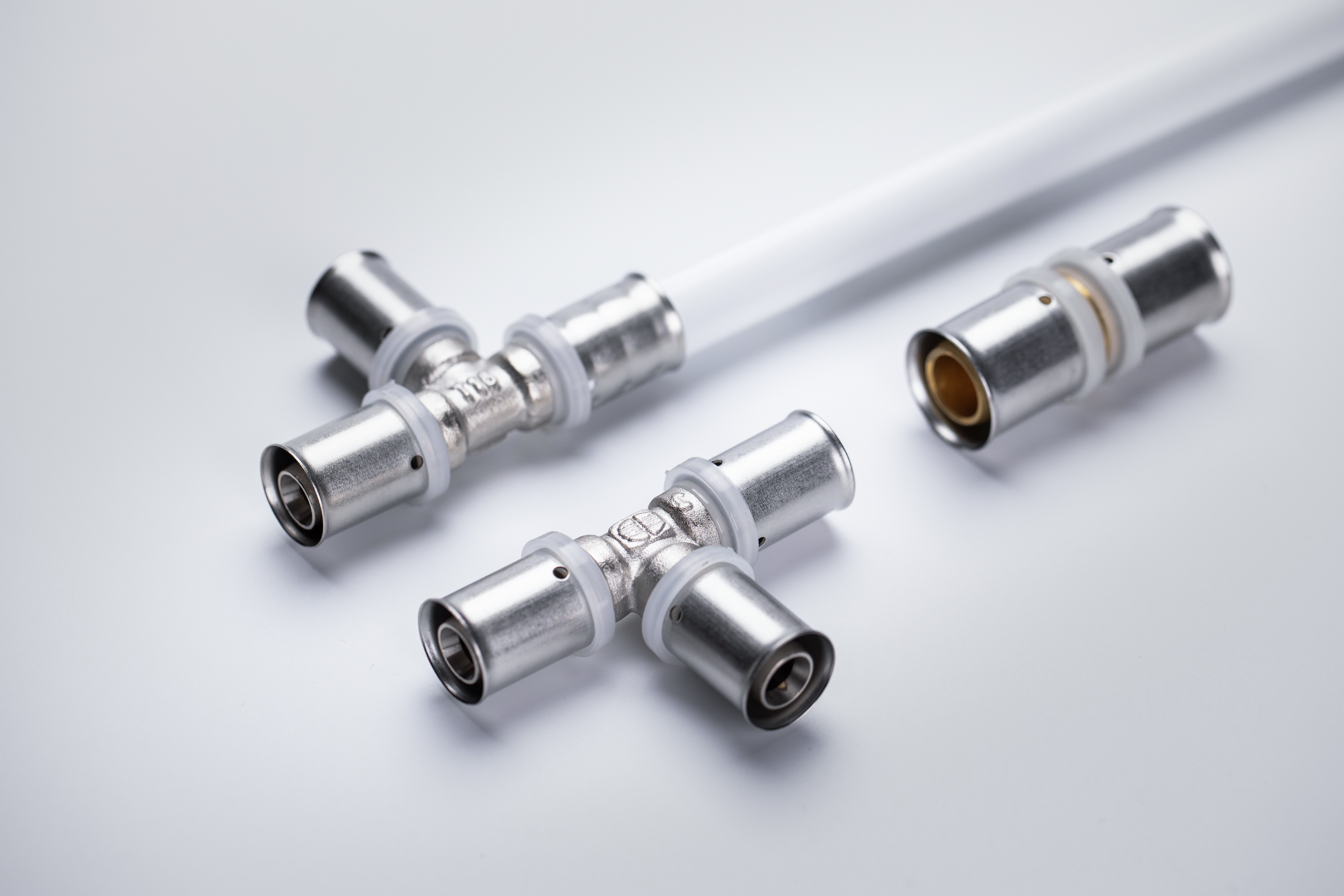
Manufacturing multilayer pipes involves a precise layering process that combines different materials to enhance performance and efficiency. Multilayer pipes combine polymer layers, adhesive layers, and an aluminum layer. Depending on the product series, the polymer layers may use materials such as PEX, PE-RT, or HDPE. An aluminum core is then integrated, providing mechanical strength and blocking oxygen and light.
The combination of metal and plastic optimizes durability and thermal efficiency, allowing for thinner walls without compromising strength. Additionally, the multilayer structure, which includes an aluminum middle layer, promotes longer lifespan and superior performance.
Lightweight Construction and Efficient Material Use
While traditional metal pipes such as copper, stainless steel, and galvanized steel have long been favored for plumbing applications, multilayer plumbing systems greatly reduce material consumption, offering a more sustainable alternative.
These systems require considerably less metal, thereby lowering the demand for mining activities associated with these materials. The lightweight construction of multilayer pipes not only facilitates easier handling but also can help reduce transportation-related energy use and emissions, as less weight translates to lower fuel consumption during transit. Overall, multilayer plumbing systems present a compelling case for minimizing environmental impact through efficient use of materials and resources. Furthermore, the certification and standards associated with multilayer systems ensure a reliable and healthy water supply, enhancing their environmental benefits.
Energy and Resource Efficiency in Installation and Transport
Energy efficiency in multilayer plumbing systems can be assessed across the product lifecycle. The manufacturing process requires considerably less energy than traditional materials, while the lightweight nature of these systems reduces transportation emissions. Additionally, the design enables faster installation, further optimizing on-site energy use. The smooth inner wall of multilayer pipes helps reduce pressure loss, supporting efficient water flow within the system.
Lower Transportation Emissions
The lightweight nature of multilayer plumbing systems greatly reduces transportation emissions throughout their lifecycle. By reducing the weight of transported materials, these systems decrease fuel consumption during shipping. These benefits can improve logistics efficiency, particularly when transporting large quantities of pipe.
Faster Installation
Faster installation of multilayer plumbing systems greatly enhances energy efficiency throughout their product lifecycle. These systems use fewer fittings, reducing assembly complexity and minimizing potential points of failure. Their inherent flexibility allows streamlined routing, enabling faster installation. This efficiency reduces equipment requirements. In addition, the simplified assembly process significantly reduces construction waste by minimizing excess materials.
By optimizing installation practices, multilayer plumbing systems not only expedite project timelines but also promote sustainability, ultimately reducing energy consumption over their operational lifespan. This integrated approach highlights the environmental benefits of modern plumbing technologies. Moreover, the use of RIIFO pipe cutter ensures clean edges for better fitting, further enhancing the installation process.
Leak Prevention Helps Reduce Water Waste
Effective leak prevention is crucial in mitigating water waste, thereby enhancing overall sustainability in plumbing systems. Reliable multilayer plumbing systems can help reduce leakage risks through corrosion-resistant pipes, secure fittings, and properly installed connections.These properties ensure water is transported efficiently without unintended losses, supporting conservation efforts. Multilayer materials further improve durability, extending service intervals and reducing maintenance needs and resource use. This reliability not only reduces the immediate impacts of water waste but also supports broader environmental performance by preserving freshwater resources. By reducing leaks, these systems support sustainability goals, promote responsible water management, and foster more eco-friendly infrastructure.
Long Service Life Reduces Resource Consumption
While many plumbing systems require frequent replacements, multilayer plumbing systems are designed for longevity, greatly reducing resource consumption over time. RIIFO multilayer pipes have a lifetime of up to 50 years, depending on the product series and operating conditions. This longevity translates to reduced material consumption throughout their lifecycle, consequently diminishing their overall environmental impact. Additionally, the clean and corrosion-proof nature of these multilayer systems further contributes to their durability and efficiency.
| Aspect | Impact |
| Replacement Frequency | Fewer replacements required |
| Maintenance Requirements | Reduced maintenance requirements |
| Material Consumption | Reduced material use over decades |
| Lifecycle Environmental Impact | Lower overall environmental impact |
Can Multilayer Pipes Be Recycled?
Can multilayer pipes be recycled? The recycling potential of multilayer pipes is nuanced. While aluminum, one of the components, is highly recyclable, the plastic layers may be recyclable depending on local facilities and capabilities. However, the bonded composite construction complicates recycling, as separating the layers poses significant challenges compared to single-material pipes. Current recycling technologies are evolving, which may improve the feasibility of recycling multilayer systems in the future.
Nevertheless, multilayer pipes cannot be deemed “fully recyclable” at this stage, as effective recycling depends on the specific materials and local infrastructure available. Consequently, recycling multilayer pipes remains complex and requires further advances.
Multilayer Pipes and Green Building Certifications
Multilayer plumbing systems play an essential role in supporting sustainable construction practices, particularly in projects aiming for green building certifications such as LEED, BREEAM, Green Star, and WELL. While these systems alone do not earn certification, they support broader sustainability objectives through durability, water efficiency, and reduced maintenance needs. The integration of multilayer pipes can enhance overall building performance, aligning with the criteria set forth by these certifications. Moreover, the clean and corrosion-proof properties of multilayer pipes ensure a reliable and healthy water supply, further supporting environmental goals.
| Certification | Key Focus Areas | Contribution of Multilayer Pipes |
| LEED | Resource efficiency | May contribute to project-level sustainability goals depending on the overall system design and project criteria. |
| BREEAM | Materials and environmental impact | Can contribute to responsible material and lifecycle considerations |
| Green Star | Water efficiency and resource management | May support water-efficient plumbing strategies |
| WELL | Water quality and indoor health | Certified plumbing components may support project requirements related to water quality and hygiene. |
Multilayer plumbing systems do not independently qualify a building for green certification. Their contribution depends on the complete building design, product certifications, documentation, and project-specific assessment criteria.
Emerging Sustainable Innovations in Multilayer Pipe Technology
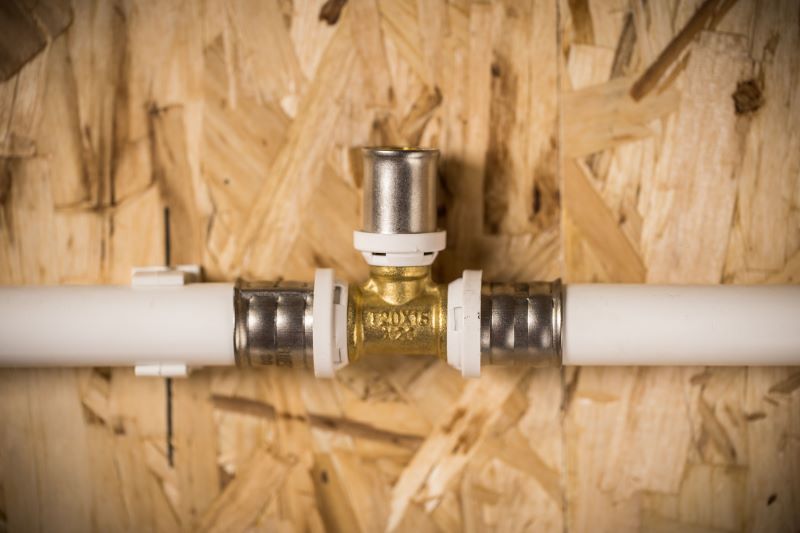
Advancements in multilayer pipe technology increasingly focus on innovations that enhance sustainability throughout the production and lifecycle of these systems. Industry trends reflect a commitment to reducing environmental footprints and adopting strategies aligned with global sustainability goals. Key innovations include:
Innovations in multilayer pipe technology focus on sustainability, reducing environmental footprints, and aligning with global sustainability goals.
- Lower-carbon manufacturing processes that minimize energy consumption and emissions.
- An increase in recycled material content, promoting circular economy principles within the supply chain.
- Developing improved recycling technologies that facilitate end-of-life processing of multilayer pipes.
Moreover, adopting smart manufacturing techniques and issuing Environmental Product Declarations (EPDs) contribute to transparency and informed decision-making. This evolving landscape underscores the industry’s proactive stance toward responsible resource management and environmental stewardship.
Conclusion
Multilayer plumbing systems can support more sustainable construction through lightweight design, efficient installation, corrosion resistance, reliable connections, and long service life. However, their environmental performance should be evaluated across the full product lifecycle, including manufacturing, transportation, installation, service life, and end-of-life management.
For projects where sustainability is a priority, selecting a multilayer plumbing system with appropriate certifications, documented performance, and reliable technical support is an important part of responsible product selection.
Choosing a Sustainable Multilayer Plumbing System Supplier
Sustainability depends not only on the pipe itself but also on the manufacturer’s commitment to quality, innovation, and responsible production. Selecting a reliable supplier helps ensure consistent product performance, regulatory compliance, and long-term value throughout a building’s lifecycle.
When evaluating a multilayer plumbing system supplier, consider the following factors:
- International certifications that demonstrate compliance with recognized quality and safety standards.
- Rigorous quality control throughout raw material sourcing, manufacturing, and product testing.
- Consistent product quality across production batches to support reliable installation and long-term performance.
- Advanced manufacturing capabilities that improve production efficiency, reduce material waste, and maintain precision.
- Proven product durability backed by long-term warranties and documented service life.
- Comprehensive technical documentation, including certifications, installation guides, and product specifications to support project compliance.
- Professional technical support and training to help contractors, distributors, and project teams achieve correct installation and system performance.
- Global supply capability with dependable production capacity, logistics, and local support to meet the demands of international projects.
As a global piping solutions manufacturer, RIIFO combines integrated R&D, automated manufacturing, and comprehensive quality management to deliver reliable multilayer plumbing systems for residential, commercial, and infrastructure applications. With more than 50 international certifications, multiple global production bases, and a strong focus on innovation and product quality, RIIFO supports customers seeking plumbing solutions that contribute to long-term building performance and sustainable construction practices.
FAQs
Is multilayer pipe environmentally friendly?
Multilayer pipes can support sustainable plumbing design through lightweight construction, long service life, corrosion resistance, and efficient installation. Their overall environmental impact depends on the full product lifecycle.
Can multilayer plumbing pipes be recycled?
Recycling depends on the pipe construction, available recycling technologies, and local facilities. Aluminum is highly recyclable, but separating bonded polymer and aluminum layers can make recycling more complex.
Are multilayer pipes more sustainable than copper?
Multilayer pipes can offer advantages such as lower weight, easier installation, and reduced reliance on metal materials in certain applications. Whether they have a lower overall environmental impact than copper depends on the specific product, application, and lifecycle assessment.
Do multilayer pipes reduce water waste?
Yes. Their corrosion resistance and reliable leak-free connections help minimize water loss over time.
Are multilayer plumbing systems suitable for green building projects?
Yes. Their durability, efficiency, and long service life make them well suited for sustainable residential and commercial buildings.
What certifications should multilayer plumbing pipes have?
Depending on the target market and application, buyers should look for relevant plumbing and drinking-water certifications such as NSF, WRAS, DVGW, AENOR, or WaterMark.