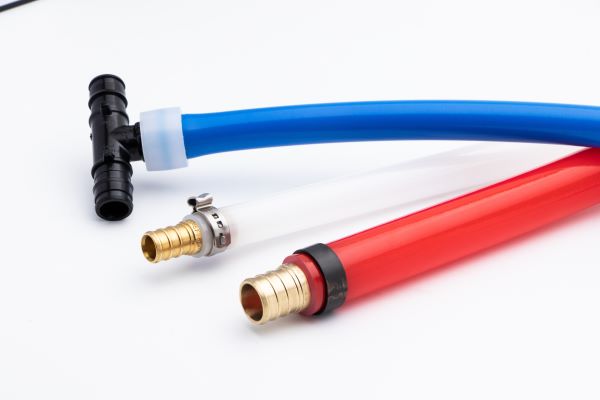

PEX offers an efficient, versatile solution for radiant heating and plumbing systems, with flexibility, corrosion resistance, and suitability for low-temperature heating applications. For effective system design, carefully consider factors such as loop layout, pipe spacing, and proper installation techniques.
When paired with heat pump systems, PEX radiant heating can operate efficiently at lower supply temperatures. Smart controls can further help manage heat distribution and maintain consistent indoor comfort. By understanding these design considerations, you can develop a reliable and energy-efficient heating system suited to your project.
Key Takeaways
- PEX’s flexibility and temperature resistance make it ideal for efficient radiant heating and plumbing systems.
- Proper loop layout and spacing are crucial for balanced heat distribution and optimal performance in PEX installations.
- Integrating PEX with heat pumps enhances efficiency, as PEX supports lower supply temperatures for consistent indoor comfort.
- Smart thermostats and zone control allow precise temperature management, maximizing energy savings in PEX systems.
- Regular maintenance and inspections help prevent leaks and ensure long-lasting performance in PEX plumbing and heating applications.
Why PEX Has Become a Key Material for Modern Heating and Plumbing Systems
As the demand for energy-efficient heating and plumbing systems grows, PEX has emerged as a key material for modern applications. This shift includes a change from traditional heating methods to electrified solutions like heat pumps, where PEX excels. With its flexible installation, PEX is ideal for radiant floor heating and domestic water distribution. Its corrosion resistance and long service life make it a reliable choice for low-temperature heating applications. PEX also offers efficient heat transfer, improving overall system performance.
RIIFO’s PEX plumbing system design meets modern building requirements, ensuring both residential and commercial projects benefit from PEX’s advantages. By integrating PEX, you’re investing in a sustainable, efficient solution for modern heating and plumbing needs.
Why PEX Is Suitable for Radiant Floor Heating Systems
When considering materials for radiant floor heating systems, it’s crucial to choose a product that meets specific performance criteria. PEX pipe underfloor heating excels because of its flexibility, which allows continuous runs with fewer joints and minimizes potential leak points. Its resistance to corrosion and scaling guarantees longevity, making it ideal for low temperature heating systems. PEX can also withstand temperature fluctuations, maintaining efficiency across a range of conditions. Additionally, its suitability for concealed installation enhances aesthetic appeal while reducing disruption during setup. Compared with rigid piping systems, PEX carries a lower risk of leakage, providing peace of mind for long-term performance. These characteristics make PEX a top choice for efficient and reliable radiant heating solutions.
PEX Applications in Domestic Plumbing Systems
Building on the advantages of PEX in radiant heating, this versatile piping also plays a significant role in domestic plumbing systems. It supports hot and cold water distribution with ease, making it ideal for residential and commercial networks, as well as renovation projects. Depending on the system design, PEX supports efficient water distribution through flexible routing and manifold-based layouts. Additionally, PEX products are known for their chlorination resistance, ensuring longevity and reliability in various applications.
| Application | Benefits | Features |
| Hot & Cold Water | Ensures consistent water flow | Individual supply lines |
| Residential Plumbing | Reduces connection points | Easy installation |
| Commercial Buildings | Provides scalable and flexible distribution | Manifold distribution systems |
| Renovation Projects | Compatible with existing plumbing systems | Easier maintenance and upgrades |
Designing a PEX Radiant Floor Heating System
When designing a PEX radiant floor heating system, understanding the loop layout is essential for efficiency. Proper planning guarantees a balanced system and maximizes comfort.
# Understanding PEX Loop Layout Design
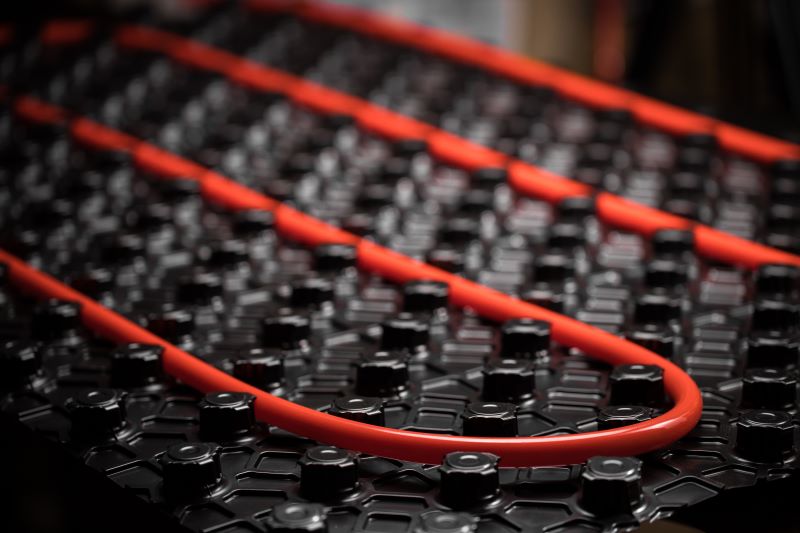
Understanding PEX loop layout design is essential for maximizing the efficiency of a radiant floor heating system. A heating loop refers to the continuous PEX circuits where water circulates to distribute heat evenly. Proper design guarantees that the loop length doesn’t excessively hinder flow, which could lead to heat loss and inefficiency in your heat pump radiant heating system. Factors like room size, heat demand, pipe diameter, and flow requirements play critical roles in determining ideal PEX pipe spacing for radiant heating. Also consider pressure loss, as it affects overall performance. By carefully planning your loop layout, you can guarantee effective heat distribution and enhance the system’s energy efficiency. Furthermore, cross-linked polyethylene pipes offer better chemical and mechanical performance, improving the system’s durability.
# Common PEX Loop Layout Patterns
Designing a PEX radiant floor heating system involves choosing from several common loop layout patterns, each with its own set of advantages and limitations. Here are a few popular options:
- Serpentine Layout:
- Simple installation
- Suitable for regular-shaped rooms
- May lead to uneven temperature distribution
- Spiral Layout:
- More balanced heat distribution
- Better comfort
- Ideal for residential living areas and large rooms
- Multi-Zone Layout:
- Separate loops for different rooms
- Provides independent temperature control
- Enhances energy management
PEX Pipe Spacing and Installation Guidelines for Radiant Heating
When installing PEX for radiant heating, proper pipe spacing is essential for ideal performance. You’ll need to select the right PEX pipe size to guarantee efficient heat distribution and prevent cold spots. Following best installation practices can help you avoid common heating system issues and enhance overall effectiveness. Additionally, using PEX-a and PEX-b types can further improve your system’s durability and resistance to temperature fluctuations.
How Pipe Spacing Affects Heating Performance
Proper pipe spacing is essential for optimizing the heating performance of radiant systems, as closer spacing can considerably increase heat output. However, the right spacing largely depends on the heat demand of your space. Here are some typical factors to take into account:
- Climate conditions: Colder climates may require closer spacing for adequate heating.
- Floor material: Different materials conduct heat differently, influencing spacing decisions.
- Insulation level: Well-insulated spaces can afford wider spacing without sacrificing comfort.
- Heat pump output temperature: Higher temperatures allow for wider spacing, while lower temperatures necessitate closer placement.
Selecting the Correct PEX Pipe Size
Selecting the correct PEX pipe size is essential to ensure efficient radiant heating, as it directly affects flow rates and overall system performance. When choosing pipe diameter, consider your specific heating needs. Smaller diameters make installation easier and suit smaller zones, while larger diameters offer higher flow capacity and suit larger heating loads.
Additionally, assess loop length and pump capacity to guarantee compatibility with your system. Proper pipe sizing helps maintain consistent temperature and energy efficiency throughout your space. Always balance installation convenience with your heating system’s demands to achieve superior results. Proper sizing can prevent issues like pressure drops and uneven heating, enhancing the longevity of your radiant heating system.
The use of RIIFO PE-X/AL/PE-X multilayer pipes ensures high flexibility and mechanical resistance, making them ideal for underfloor heating applications.
Installation Practices to Prevent Heating System Problems
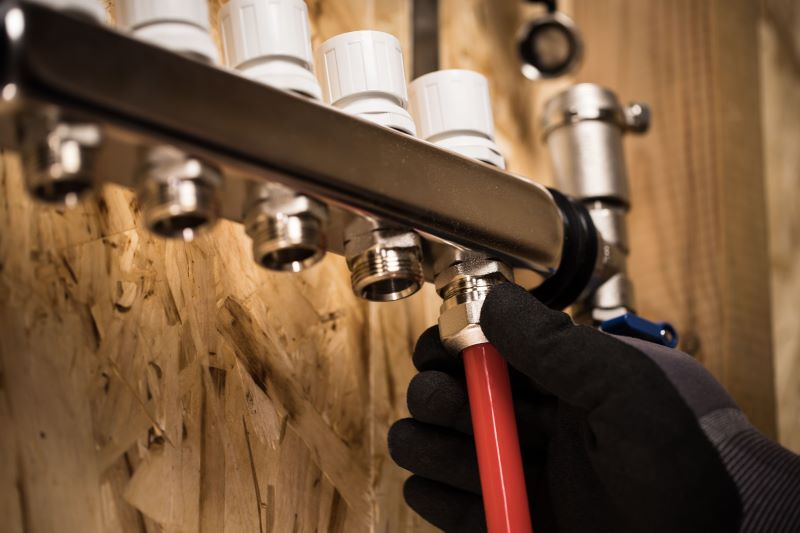
To keep your radiant heating system running efficiently, follow these installation practices. These steps help prevent common heating system problems and guarantee peak performance:
- Avoid sharp bending of PEX pipes to prevent kinks and flow restrictions.
- Protect pipes during installation to prevent damage and keep them intact.
- Maintain correct spacing between pipes for even heat distribution and efficiency.
- Conduct a pressure test before covering the pipes to identify leaks.
Additionally, guarantee proper insulation around the pipes to minimize heat loss. Following these guidelines helps you achieve a reliable, effective radiant heating system that meets your needs while enhancing comfort in your space. Also, choose the right type of PEX pipe; PEX-a Pipe offers flexibility and easy installation, making it ideal for radiant heating applications.
Integrating PEX Radiant Heating With Heat Pump Systems
Integrating PEX radiant heating with heat pump systems can enhance energy efficiency and comfort in your space. Heat pumps operate effectively with PEX due to their low-temperature supply capabilities, which align well with the radiant heating method. When designing PEX systems for compatibility, consider factors like loop layout and pump sizing to optimize performance. Additionally, using underfloor heating can provide even heat distribution, further improving comfort levels throughout the space.
Why Heat Pumps Work Well With PEX Radiant Heating
As heat pumps operate efficiently at lower water temperatures, they pair exceptionally well with PEX radiant heating systems. This combination enhances energy efficiency and indoor comfort. Here’s why they work so well together:
- Large heat transfer surface area: PEX systems distribute heat evenly across a larger area, reducing hotspots.
- Lower required supply temperature: Heat pumps can effectively provide heat at these lower temperatures, maximizing their efficiency.
- Stable indoor comfort: PEX systems maintain a consistent temperature, reducing the need for constant adjustments.
- Energy savings: The synergy between heat pumps and PEX can support lower energy consumption when the system is properly designed and operated. Additionally, underfloor heatingprovides even heat distribution, targeting areas needing warmth most, further enhancing the comfort of your living space.
Designing PEX Systems for Heat Pump Compatibility
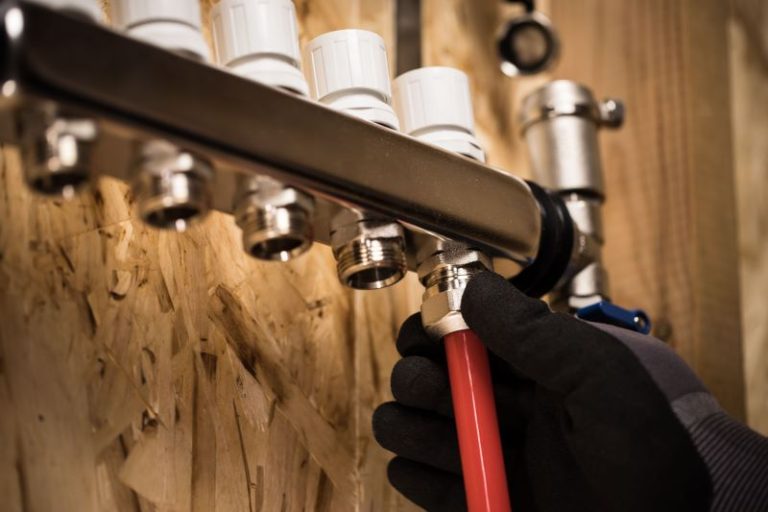
Combining PEX radiant heating with heat pump systems requires careful design to guarantee ideal performance and efficiency. First, focus on lower temperature operation; heat pumps excel with low-temperature systems, unlike traditional boilers that operate at higher temperatures. Ascertain your system’s flow rate and hydraulic balance are optimized by correctly sizing the manifold and selecting appropriate pumps, allowing for precise flow adjustments. Additionally, consider buffer tanks for larger buildings, multiple heating zones, or variable heating demands. These tanks help manage fluctuations in heating requirements and enhance system stability. By addressing these key design factors, you can create an effective PEX radiant heating system that integrates seamlessly with heat pump technology, ensuring consistent comfort and energy efficiency. Utilizing RIIFO Underfloor Heating Manifold can further enhance durability and performance in your design.
Control Strategies for Efficient PEX Heating Systems
To maximize the efficiency of your PEX heating system, implement effective control strategies. Smart thermostats and zone control can optimize temperature regulation, while manifold-based flow management guarantees balanced distribution. Additionally, integrating heating and cooling controls can enhance overall system performance and comfort. Adding underfloor heating manifolds can further improve efficiency by ensuring precise water flow and temperature control.
Smart Thermostats and Zone Control
Smart thermostats and zone control systems greatly enhance the efficiency of PEX heating systems by allowing for individual room control and precise temperature scheduling. This technology enables you to optimize energy usage while maintaining comfort. By implementing these systems, you can achieve:
- Individual room control: Adjust temperatures based on usage and preferences for each space.
- Temperature scheduling: Set specific heating times to match your daily routines, reducing energy waste.
- Energy savings: Lower utility bills by heating only occupied areas and avoiding unnecessary energy consumption.
- Remote access: Monitor and control your heating system from anywhere via smartphone apps.
These features not only improve comfort but also contribute to a more sustainable and efficient heating solution for your home.
Manifold-Based Flow Management
Effective manifold-based flow management is essential for optimizing PEX heating systems, as it guarantees balanced heat distribution throughout your home. With flow meters, you can monitor water flow in each circuit, ensuring every zone receives the right amount of heat. Actuators allow precise flow control, adjusting automatically to temperature changes to improve comfort and efficiency.
By integrating balancing valves, you can fine-tune the flow rates, preventing cold spots and ensuring consistent temperatures throughout your space. Together, these components improve system reliability by minimizing wear and tear, reducing energy consumption, and extending your heating system’s lifespan. With effective flow management, you’ll experience improved comfort and efficiency in your home.
Combining Heating and Cooling Controls
Efficient PEX heating systems can be greatly enhanced by combining heating and cooling controls. By integrating these controls, you can achieve peak performance and year-round comfort in your space. Here’s how:
- Heat Pumps: Utilize heat pumps for both heating and cooling, maximizing efficiency and reducing energy costs.
- Integrated Climate Management: Implement a centralized system that adjusts temperature settings based on real-time data.
- Zoning Systems: Create zones within your building to tailor heating and cooling according to specific needs.
- Smart Thermostats: Use smart thermostats that learn your preferences and enhance energy use automatically.
Preventing Common PEX Heating and Plumbing Failures
To prevent common PEX heating and plumbing failures, focus on three critical areas: system design, installation, and long-term maintenance. Proper design and installation will prevent many issues. Regular maintenance will help sustain performance and extend the life of your PEX system. Using high-quality PEX tools during installation ensures reliable connections and improves the overall efficiency of your plumbing system.
Avoiding Incorrect System Design
When designing a PEX system for radiant heating or plumbing, avoid common pitfalls that can lead to major failures. Pay attention to these critical factors:
- Oversized or undersized loops: Incorrect sizing affects heat distribution and efficiency.
- Incorrect pipe spacing: Inadequate spacing can lead to hot or cold spots, compromising comfort.
- Poor heat load calculations: Inaccurate assessments can result in inadequate heating or excessive energy use.
- Neglecting thermal expansion: Failing to account for expansion can cause stress and leaks in the system. Additionally, ensuring your PEX system complies with American standardscan help mitigate potential issues and enhance system reliability.
Preventing Installation Problems
Even with a well-designed PEX system, installation problems can lead to costly failures and reduced system performance. To prevent these issues, pay attention to the following critical factors:
| Installation Issue | Prevention Method |
| Incorrect Bending Radius | Follow manufacturer guidelines for proper bending requirements. |
| Missing Insulation | Insulate all exposed pipes to prevent heat loss and condensation. |
| Poor Connection Methods | Use appropriate fittings, tools, and installation techniques. |
| Lack of Pressure Testing | Conduct thorough pressure tests to verify system integrity. |
| Inadequate Support | Secure pipes properly to prevent sagging and movement. |
Additionally, ensure that you are using approved manual or cordless expansion tools for seamless fittings and reliable connections.
Maintaining Long-Term Performance
While PEX systems are known for their durability and flexibility, maintaining long-term performance requires regular attention to key factors. To prevent common failures, you should focus on the following:
- Regular system inspection: Check for leaks, wear, and overall integrity of the PEX installation.
- Water quality management: Verify the water is free from contaminants and has balanced pH levels to prevent degradation.
- Checking manifold performance: Regularly assess manifold efficiency and functionality to guarantee peak flow and heat distribution.
- Monitoring pressure levels: Keep an eye on system pressure to avoid stress on PEX tubing, which can lead to premature failures.
PEX and the Future of Low-Energy Building Design
As you consider the future of low-energy building design, PEX plays a vital role in supporting building electrification. Its flexibility allows for innovative layouts that adapt to evolving energy standards and technologies. By integrating PEX systems, you can enhance efficiency and reduce energy consumption in your projects. Additionally, investing in renewable energy initiatives can further complement the efficiency of PEX installations, aligning with sustainable practices.
How PEX Supports Building Electrification
With the rising adoption of heat pumps and a decisive shift away from fossil fuel heating, PEX is emerging as a critical component in the design of low-energy buildings. It supports the demand for efficient hydronic systems, enhancing overall building performance. Here’s how PEX contributes to electrification:
- Efficient heat distribution: PEX guarantees consistent heat delivery, maximizing energy efficiency.
- Flexible installation: Its adaptability allows for easy integration in various building designs and layouts.
- Compatibility with renewable energy systems: PEX works seamlessly with heat pumps and solar thermal systems, supporting sustainable energy sources.
- Durability: Its resistance to corrosion and scaling guarantees longevity in hydronic applications. Additionally, PEX’s superior elastic memoryensures it can withstand the demands of fluctuating temperatures in heating systems.
Why Flexible PEX Systems Are Important for Future Buildings
Understanding the importance of flexible PEX systems is essential for the design of future low-energy buildings, especially as demands for efficiency and sustainability increase. Because they adapt to various building layouts, flexible PEX systems streamline installation, reduce labor costs, and minimize material waste. Their lightweight nature allows for easier handling and routing, which is vital in tight spaces.
Additionally, PEX’s resistance to corrosion and scale buildup enhances system longevity and reliability. Integrating PEX with renewable energy sources, like heat pumps, optimizes energy use and supports net-zero goals. As building codes evolve toward stricter energy standards, adopting flexible PEX systems becomes a strategic choice for architects and engineers committed to sustainable design.
Conclusion:
Designing Efficient Heating and Plumbing Systems With PEX
As modern buildings move toward higher energy efficiency and electrification, selecting the right piping system has become increasingly important. PEX provides a flexible, reliable, and efficient solution for both radiant heating and plumbing applications, helping contractors and designers create durable systems that meet the demands of today’s buildings.
However, system performance depends not only on pipe selection but also on proper design and installation. Factors such as loop layout, pipe spacing, flow balancing, temperature control, and heat pump integration all play an important role in achieving consistent comfort and long-term efficiency.
With growing adoption of low-temperature heating technologies and renewable energy solutions, PEX is becoming an essential component of modern heating and plumbing systems. Its flexibility, durability, and compatibility with heat pump applications make it a practical choice for residential, commercial, and energy-efficient building projects.
For reliable PEX plumbing and radiant heating solutions, RIIFO provides piping systems supported by global manufacturing capabilities, relevant international certifications, and professional technical support.
Contact RIIFO today to explore customized PEX solutions designed for efficient, reliable, and future-ready building systems.