












NewsJun 14, 2026

PEX Pipe Applications: The Complete Guide to Residential, Commercial, and Heating Systems

PEX Pipe Applications: The Complete Guide to Residential, Commercial, and Heating Systems

PEX pipe is a highly adaptable solution for plumbing systems, valued for its flexibility and corrosion resistance. It serves a variety of applications, including residential water supply lines, radiant floor heating, and commercial plumbing systems. PEX’s longevity, often exceeding that of high-quality PEX systems, can deliver a service life of 50 years or more when properly designed and installed, and its ability to withstand extreme temperatures makes it ideal for diverse environments. With easy installation and minimal fittings, PEX enhances overall plumbing reliability. Further exploration of its various applications reveals even more benefits and options.

Key Takeaways

  • PEX pipe is ideal for home water supply lines, effectively distributing hot and cold water throughout residential properties.
  • Its flexibility allows for easy installation in tight spaces, reducing labor costs and time during plumbing projects.
  • PEX is commonly used in radiant floor heating systems, providing efficient heating for residential and commercial settings.
  • The material is increasingly adopted in commercial plumbing applications, suitable for large-scale heating and water distribution systems.
  • PEX pipe’s corrosion resistance and longevity make it a reliable choice for retrofitting existing plumbing systems in both homes and businesses.

What Is PEX Pipe?

PEX pipe, or cross-linked polyethylene, is a versatile plumbing material known for its flexibility and resistance to corrosion. Manufactured through various processes, including the PEX-a and PEX-b, methods, each type exhibits distinct characteristics that cater to different applications. Understanding these manufacturing techniques and their implications is essential for selecting the appropriate PEX pipe for specific plumbing needs.

RIIFO PEX products are designed with enhanced chlorine resistance to meet potable water requirements.RIIFO PEX-a combines excellent flexibility, shape memory, and long-term durability, making it ideal for a range of plumbing and radiant heating applications.

Understanding Cross-Linked Polyethylene

Although often used interchangeably with its name, cross-linked polyethylene (PEX) represents a significant advancement in plumbing technology. This durable material is engineered through a chemical process that enhances its strength and flexibility, making it suitable for various applications. Cross-linked polyethylene pipe is resistant to scale and chlorine, reducing maintenance needs while ensuring longevity in both residential and commercial settings. Among the different types of PEX, PEX-A pipe applications are particularly remarkable due to their superior flexibility and resistance to kinking. This adaptability allows for easier installation, especially in tight spaces. Consequently, cross-linked polyethylene has become a preferred choice for modern plumbing systems, delivering both reliability and efficiency in water distribution and heating applications. Moreover, PEX-a products are highly valued for their chlorination resistance, making them an excellent option for various plumbing needs.


How PEX Is Manufactured

Manufacturing cross-linked polyethylene (PEX) pipe involves a precise process that transforms raw polyethylene into a versatile and durable material. This process is essential for creating a reliable flexible plumbing pipe that suits various applications, including residential and commercial settings. The manufacturing steps include:

  1. Polymerization: Raw polyethylene is polymerized to form the base material.
  2. Cross-Linking: The polyethylene undergoes a cross-linking process, enhancing its chemical and thermal properties.
  3. Extrusion: The cross-linked material is extruded into pipes of various diameters.

These steps guarantee that the resulting PEX plumbing system exhibits superior flexibility, resistance to scale and chlorine, and the ability to withstand high temperatures, making it an ideal choice for modern plumbing solutions. Additionally, the peroxide cross-linking method used for PEX A pipes is particularly effective in providing enhanced properties compared to standard polyethylene.

PEX-A, PEX-B, and PEX-C Explained

Understanding the different types of PEX pipe—namely PEX-A, PEX-B, and PEX-C—requires an examination of their unique manufacturing processes and properties. PEX-A is produced through the Engel method, which results in greater flexibility and resistance to kinking, making it ideal for complex pex water supply system installations. PEX-B, manufactured using the Silane method, offers enhanced rigidity and is generally more cost-effective, suitable for standard potable water piping systems.

Finally, PEX-C utilizes electronic irradiation for cross-linking, providing a balance of flexibility and strength, but is less common in residential applications. Each type has distinct advantages, allowing professionals to select the most appropriate PEX variant based on specific requirements within plumbing and heating systems. Additionally, PEX-B provides superior resistance to temperature fluctuations and chemical corrosion, making it a reliable choice for various applications.


Why PEX Pipe Has Become a Global Plumbing Standard

PEX pipe has emerged as a global plumbing standard due to its inherent flexibility and ease of installation, which considerably reduces labor time. Additionally, its corrosion and scale resistance, coupled with freeze resistance and expansion capabilities, guarantee long-term reliability in various environments. Furthermore, the lower installation costs associated with PEX compared to traditional metal pipes further solidify its position in modern plumbing applications. Moreover, PEX-a products are highly regarded for chlorine resistance, making them suitable for diverse applications.

Flexibility and Ease of Installation

Frequently lauded for its versatility, PEX pipe has revolutionized the plumbing industry through its remarkable flexibility and straightforward installation process. This has enabled both residential plumbing solutions and commercial applications to flourish. The ease of installation is attributed to several factors:

  1. Bendability: PEX can navigate tight spaces without the need for additional fittings.
  2. Lightweight Material: This reduces the physical strain on installers and minimizes transportation costs.
  3. Fewer Connections Required: The ability to run long lengths of pipe limits the number of joints, which enhances system reliability.

These characteristics make PEX pipe particularly advantageous for underfloor heating pipes, providing efficient thermal performance while simplifying the overall installation process. Additionally, PEX-b pipe’s corrosion-resistant properties ensure a longer lifespan in various plumbing applications. Consequently, PEX pipe has established itself as a standard in modern plumbing systems globally.

Corrosion and Scale Resistance

Although many plumbing materials are susceptible to corrosion and scale buildup, PEX pipe stands out due to its inherent resistance to these issues, which is a significant factor in its widespread adoption as a plumbing standard globally. This resistance guarantees longevity and reliability in applications, including radiant floor heating systems and hot and cold water distribution. Additionally, the clean and corrosion-proof PEX-AL-PEX pipes ensure a reliable water supply in various settings.

PropertyPEX PipeTraditional Materials
Corrosion ResistanceExcellentModerate to Poor
Scale BuildupMinimalSignificant
Lifespan50+ years20–30 years
Temperature Range-40°F to 200°FLimited
FlexibilityHighLow

These attributes contribute to the low maintenance costs associated with PEX systems, reinforcing its status as a preferred choice in modern plumbing.

Freeze Resistance and Expansion Capability

When considering plumbing materials suitable for various climates, freeze resistance and the ability to expand without damage are critical factors that enhance the appeal of PEX pipe. PEX pipe’s characteristics address the challenges posed by freezing temperatures, making it a preferred choice for both residential and commercial applications.

Key benefits include:

  1. Expansion Capability: PEX can expand up to three times its diameter, allowing it to accommodate ice formation without bursting.
  2. Flexibility: Its flexible nature enables easy installation around obstacles, reducing stress points in cold environments.
  3. Durability in Low Temperatures: PEX maintains structural integrity even in extreme cold, ensuring a reliable plumbing system year-round. Additionally, PEX pipes are chlorine-resistantand certified by NSF, ensuring safe drinking water delivery even in harsh conditions.

These attributes solidify PEX pipe as a global plumbing standard, particularly in regions prone to freezing conditions.

Lower Installation Costs Compared to Metal Pipes

Due to its lightweight nature and ease of handling, PEX pipe considerably reduces installation costs compared to traditional metal piping systems. This reduction in costs is attributed to several key factors:

  1. Labor Efficiency: PEX is easier to install, requiring fewer specialized skills, which results in lower labor costs.
  2. Fewer Fittings: The flexibility of PEX allows for longer runs without joints, minimizing the need for additional fittings and connectors.
  3. Reduced Installation Time: The simpler installation process translates to shorter project timelines, which decreases overall project costs.

These advantages make PEX an increasingly popular choice among contractors and homeowners, reinforcing its status as a global plumbing standard. By choosing PEX, stakeholders can achieve significant savings while maintaining system integrity and performance. Additionally, the superior resistance of PEX to temperature fluctuations and chemical corrosion ensures longevity and reliability in plumbing systems.

Main Types of PEX Pipe Applications

PEX pipe serves a variety of applications, each optimized for specific operational needs. Primary uses include potable water distribution systems, radiant heating systems, snow and ice melting systems, and hydronic cooling applications. These diverse applications highlight the versatility and efficiency of PEX pipe in modern plumbing and heating solutions. Additionally, PEX pipe’s resistance to temperature fluctuations makes it an ideal choice for both residential and commercial installations.

Potable Water Distribution Systems

As the demand for efficient and reliable plumbing solutions increases, various applications of PEX pipe have emerged in potable water distribution systems. PEX piping offers significant advantages in both residential and commercial settings. Its versatility enables it to effectively manage the distribution of water in different capacities:

  1. Hot Water Supply: PEX can withstand high temperatures, making it suitable for delivering hot water efficiently.
  2. Cold Water Supply: The flexibility of PEX allows for quick installation and reduces the risk of leaks in cold water lines.
  3. Whole-House Plumbing Networks: PEX serves as an ideal material for thorough plumbing networks, simplifying installation and maintenance. Additionally, PEX A has better elastic memoryand flexibility compared to copper pipes, further enhancing its reliability.

These attributes contribute to the growing adoption of PEX in modern plumbing applications, ensuring longevity and performance reliability in potable water systems.

Radiant Heating Systems

The versatility of PEX pipe extends beyond potable water distribution, finding significant applications in radiant heating systems. These systems utilize hydronic methods to distribute heat efficiently across various surfaces, including floors, walls, and ceilings. Hydronic floor heating is particularly effective, as it provides uniform warmth and maximum comfort, reducing energy costs. Wall heating systems can be integrated into existing structures, enhancing thermal comfort while minimizing space usage. Similarly, ceiling heating systems offer an innovative approach, allowing heat to radiate downwards. The flexibility and resistance to corrosion of PEX make it an ideal choice for these applications, ensuring reliable performance and longevity. These systems exemplify the efficiency and versatility that PEX pipe delivers in modern heating solutions. Additionally, the use of underfloor heating provides even heat distribution, enhancing overall comfort in living spaces.

Snow and Ice Melting Systems

Snow and ice melting systems represent a practical application of hydronic technology, utilizing PEX pipe to effectively manage winter weather challenges. These systems are designed to enhance safety and accessibility by preventing snow and ice accumulation on surfaces. Key areas of application include:

  1. Driveways: Guarantees safe vehicle access, reducing the need for manual snow removal.
  2. Sidewalks: Enhances pedestrian safety by maintaining clear pathways.


Hydronic Cooling Applications

Hydronic cooling applications leverage the efficiency of PEX pipe to deliver effective temperature control in both residential and commercial settings. By circulating chilled water through PEX tubing, these systems provide a consistent and comfortable indoor climate while enhancing energy efficiency.

Application TypeBenefitsKey Considerations
Residential CoolingImproved comfort, reduced energy costsSpace requirements, installation complexity
Commercial BuildingLarge-scale efficiency, reduced noiseSystem design, maintenance needs
Chilled Beam SystemsEnhanced air quality, space optimizationInitial cost, water quality management

These applications not only optimize temperature regulation but also contribute to sustainability efforts, making PEX an indispensable component in modern cooling systems.


Residential PEX Pipe Applications

Residential PEX pipe applications encompass a variety of systems including single-family homes and apartment buildings, where they are increasingly favored for their flexibility and resistance to corrosion. In bathroom plumbing systems and kitchen water supply systems, PEX pipes offer efficient water delivery with reduced risk of leaks. Additionally, during home renovation projects, PEX can be easily integrated into existing structures, providing an adaptable solution for modern plumbing needs. Furthermore, PEX pipes are known for their chlorine resistance which ensures safe drinking water delivery.

Single-Family Homes

As homeowners seek efficient and durable plumbing solutions, PEX (cross-linked polyethylene) pipe has emerged as a preferred choice for single-family homes. Its flexibility, corrosion resistance, and ease of installation make it ideal for various applications. Homeowners can benefit from PEX in several key ways:

  1. Reduced Installation Time: PEX is lightweight and flexible, allowing for quicker routing through walls and ceilings.
  2. Lower Risk of Leaks: Fewer fittings with PEX reduce the likelihood of leaks, enhancing overall system reliability.
  3. Temperature Resistance: PEX pipes handle temperature fluctuations, making them suitable for both hot and cold water supply.

Additionally, PEX products are recognized for their chlorine resistance and freeze resistance, further enhancing their appeal for residential plumbing. These advantages position PEX as a strategic choice for homeowners aiming for long-term plumbing efficiency and control.

Apartment Buildings

In the context of multi-unit dwellings, PEX pipe is increasingly recognized for its advantages in plumbing systems. Its flexibility allows for easier installation around structural obstacles, minimizing the need for fittings and joints and reducing potential leak points.

PEX is also resistant to scale and chlorine, promoting longevity and reducing maintenance costs. The material’s thermal efficiency enables maximum temperature retention, which is particularly beneficial for heating water systems shared among multiple units. In addition, PEX’s lightweight nature facilitates easier handling, minimizing labor costs during installation.

Additionally, its resistance to freezing makes it ideal for varied climates, ensuring consistent performance throughout the year and thereby enhancing the overall reliability of apartment building plumbing infrastructure. Furthermore, PEX’s superior temperature resistance allows it to maintain performance even in extreme conditions, ensuring a dependable water supply.

Bathroom Plumbing Systems

When considering bathroom plumbing systems, PEX pipe stands out for its versatility and efficiency in residential applications. Its unique properties facilitate a range of installations, ensuring peak performance and reliability. Key advantages include:

  1. Flexibility: PEX can bend easily around corners, minimizing the need for fittings and reducing potential leak points.
  2. Corrosion Resistance: Unlike metal pipes, PEX is immune to rust and scaling, ensuring longevity and consistent water quality.
  3. Thermal Insulation: PEX maintains water temperature effectively, reducing heat loss and enhancing energy efficiency.

These characteristics make PEX an excellent choice for various bathroom fixtures, such as sinks, showers, and tubs. By leveraging PEX pipe, homeowners can achieve a robust and efficient plumbing system tailored to their needs. Additionally, the ease of installation associated with PEX products allows for quicker project completion and reduced labor costs.

Kitchen Water Supply Systems

While the kitchen serves as a central hub for daily activities, the choice of plumbing materials considerably influences its functionality and efficiency. PEX (cross-linked polyethylene) piping has emerged as a preferred option for kitchen water supply systems due to its flexibility, corrosion resistance, and ease of installation. PEX can navigate around structural obstacles, reducing the need for numerous fittings and minimizing potential leak points. Additionally, its thermal properties help maintain water temperature, enhancing user comfort. PEX is also available in various color codes, allowing for simplified identification of hot and cold lines. Moreover, its durability ensures a long lifespan, making it a reliable choice for homeowners looking to optimize their kitchen plumbing infrastructure while maintaining control over their water supply.

Furthermore, PEX pipes offer greater elastic memory and flexibility than traditional piping materials, ensuring a more efficient and adaptable plumbing system.

Home Renovation Projects

Home renovation projects often necessitate the consideration of modern plumbing solutions, particularly when updating or replacing outdated systems. PEX piping offers several advantages for homeowners looking to enhance their plumbing infrastructure, especially during renovations. Key benefits include:

  1. Flexibility: PEX can easily navigate around obstacles and through walls, reducing the need for numerous fittings.
  2. Corrosion Resistance: Unlike copper pipes, PEX is impervious to corrosion, greatly prolonging system lifespan.
  3. Cost-Effectiveness: The installation process is generally quicker and less labor-intensive than traditional piping methods, resulting in lower overall project costs.

These attributes make PEX an excellent choice for retrofitting existing plumbing networks in residential renovation projects, ensuring efficient and reliable water delivery systems. Additionally, PEX-a pipe offers high durability, ensuring long-lasting performance in various plumbing applications.

Commercial PEX Pipe Applications

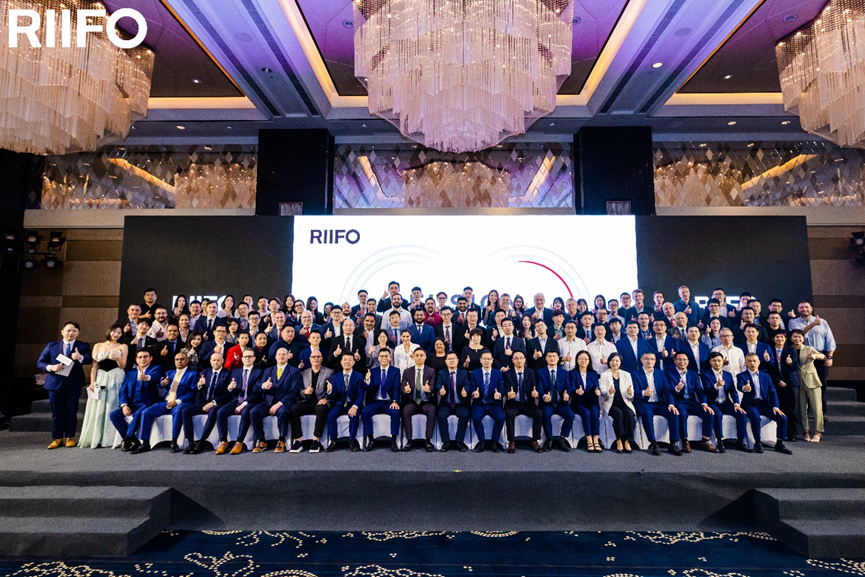
Commercial PEX pipe applications are increasingly prevalent across sectors such as hotels, educational institutions, healthcare facilities, office buildings, and shopping centers. These environments benefit from PEX’s flexibility, corrosion resistance, and ability to withstand high temperatures, making it ideal for both potable water systems and hydronic heating. As demand for efficient plumbing solutions rises, PEX’s adaptability positions it as a preferred choice in modern commercial construction. Furthermore, the recent Global Conference RIIFO 2023 highlighted the importance of collaboration in enhancing industry practices and outcomes.

Hotels and Hospitality Projects

In the hospitality industry, the integration of PEX piping systems has become a vital element in enhancing operational efficiency and guest comfort. These systems offer significant advantages for hotels and hospitality projects, including:

  1. Flexibility and Adaptability: PEX can be easily routed around obstacles, minimizing the need for fittings and ensuring smoother installations.
  2. Reduced Installation Time: The lightweight nature of PEX allows for quicker handling and installation, resulting in lower labor costs and faster project completion.
  3. Thermal Efficiency: PEX provides excellent insulation, helping maintain consistent water temperatures and enhancing guest satisfaction in showers and other amenities.

As hotels endeavor to optimize resource management and improve service quality, PEX piping emerges as a vital component in modern plumbing solutions.

Schools and Universities

As educational institutions strive to create safe and efficient learning environments, adopting PEX piping systems offers numerous advantages for schools and universities. PEX piping is flexible, resistant to scale and chlorine, and offers reduced installation time, which minimizes disruption during construction or renovations. Additionally, its ability to expand without breaking makes it ideal for environments that experience temperature fluctuations. The underfloor heating systems also benefit from PEX pipes, providing an efficient and safe heating solution for classrooms and other spaces.

Advantages of PEX in Education FacilitiesDescription
FlexibilityEasily navigates around obstacles
Corrosion ResistanceExtends the lifespan of plumbing systems
Quick InstallationReduces labor costs and installation time
Temperature AdaptabilityMaintains performance in varied climates
Noise ReductionMinimizes sound transmission in classrooms

Incorporating PEX can consequently enhance both functionality and longevity in educational settings.

Healthcare Facilities

The adoption of PEX piping systems in healthcare facilities offers significant benefits that align with the stringent requirements of modern medical environments. PEX pipes offer greater flexibility and corrosion resistance, making them ideal for the complex plumbing layouts typical in hospitals and clinics. The following advantages highlight their effectiveness:

  1. Infection Control: PEX’s smooth interior surfaces reduce biofilm growth, promoting better hygiene.
  2. Temperature Regulation: PEX maintains a consistent water temperature, which is vital for patient comfort and medical procedures.
  3. Cost Efficiency: The ease of installation and durability of PEX reduces overall maintenance costs, allowing facilities to allocate resources more effectively.

These attributes help create a safer, more efficient healthcare environment, which is essential for ideal patient care and operational excellence. Additionally, the use of PEX pipes aligns with our commitment to reducing carbon footprint, further enhancing the sustainability of healthcare infrastructure.

Multi-Family Residential Developments

In multi-family residential developments, PEX piping systems offer significant advantages that cater to the diverse needs of occupants and property managers alike. The flexibility and lightweight nature of PEX allow for easier installation in complex layouts, reducing labor costs and installation time. Its resistance to corrosion and scale buildup guarantees longevity and minimal maintenance, which is essential for high-occupancy environments. Additionally, PEX’s thermal efficiency minimizes heat loss, optimizing energy consumption for heating systems. The material’s ability to handle varying water pressures makes it suitable for both residential and commercial applications, providing consistent performance. Overall, PEX systems enhance operational efficiency, improve water quality, and support sustainable practices, making them an ideal choice for multi-family residential developments. Furthermore, the durability of PEX-a tubing ensures reliable performance even in challenging conditions, further solidifying its status as a preferred choice in these settings.


PEX Applications in Underfloor Heating Systems

Underfloor heating systems utilize radiant floor heating to distribute warmth evenly across a surface, enhancing comfort and energy efficiency. PEX (cross-linked polyethylene) piping is particularly well-suited for these applications due to its flexibility, corrosion resistance, and ability to withstand temperature fluctuations. Common floor heating layout configurations, such as serpentine and spiral patterns, maximize heat distribution while enabling efficient PEX installation.

How Radiant Floor Heating Works

As homeowners increasingly seek efficient heating solutions, radiant floor heating systems utilizing PEX pipe have emerged as a popular choice. This system operates by circulating warm water through PEX tubing installed beneath the flooring, effectively distributing heat evenly across the surface. The mechanics can be broken down into three key components:

  1. Heat Source: A boiler or water heater warms the water before it enters the PEX tubing.
  2. Distribution: Warm water travels through PEX pipes, which can be configured in serpentine or spiral layouts to optimize heat distribution.
  3. Thermal Regulation: A thermostat controls the temperature, allowing homeowners to adjust settings for comfort and efficiency.

This innovative approach guarantees consistent, comfortable warmth throughout the living space. Additionally, using high-quality UFH fittings ensures a reliable connection, preventing leaks and maximizing system efficiency.

Why PEX Is Ideal for Underfloor Heating

While various materials can be used in underfloor heating systems, PEX pipe stands out as a superior choice for its exceptional thermal performance, flexibility, and corrosion resistance. The thermal conductivity of PEX enables efficient heat distribution, ensuring consistent warmth across the floor. Its remarkable flexibility facilitates the installation of loops, enabling complex layouts that can adapt to various room designs without compromising performance. Additionally, PEX is inherently corrosion-resistant, which greatly enhances its lifespan compared to metal alternatives.

This resilience against chemical reactions and scale buildup guarantees long-term reliability. Collectively, these attributes make PEX an ideal material for underfloor heating systems, providing homeowners and builders with reliable, efficient, and durable heating solutions. Furthermore, RIIFO PE-X pipes feature an oxygen barrier that prevents oxygen ingress, enhancing the efficiency and longevity of underfloor heating systems.

Common Floor Heating Layout Configurations

When designing underfloor heating systems, the layout configuration of PEX pipes plays an important role in achieving ideal thermal efficiency and comfort. The choice of configuration impacts heat distribution and energy consumption. Common layouts include:

  1. Spiral Pattern: This configuration offers a consistent heat output, effectively covering the entire floor area.
  2. Serpentine Pattern: This layout allows for flexible installation and is suitable for spaces with varying heating requirements.
  3. Double Serpentine Pattern: This design maximizes heat coverage while minimizing the pipe length needed, enhancing efficiency.

Selecting the appropriate configuration enables precise control over thermal performance, ensuring excellent comfort levels throughout the space. Proper implementation of these layouts is vital to maximizing system effectiveness in both residential and commercial applications, particularly when utilizing the advantages of PEX-b pipe, which enhance durability and flexibility.


PEX Plumbing System Design Considerations

When designing a PEX plumbing system, several critical considerations must be addressed to guarantee maximum performance and longevity. Key factors include appropriate pipe sizing selection, adherence to pressure and temperature ratings, and effective management of expansion and contraction. Additionally, attention to UV exposure limits and best practices in pipe routing can significantly improve the overall efficiency and reliability of the plumbing system. Incorporating PEX-a products can enhance flexibility and ease of installation, further optimizing system performance.

Pipe Sizing Selection

How does one determine the appropriate pipe size for a PEX plumbing system? Selecting the correct pipe size is essential for ensuring ideal flow rates and system efficiency. The following considerations should guide this selection process:

  1. Demand Calculations: Assess fixture water demand to determine peak flow requirements.
  2. Pipe Length: Evaluate the distance from the water source to the fixtures, as longer runs may require larger diameters to maintain pressure.
  3. Pressure Drop: Consider applicable pressure-drop standards for the specific application, as this affects the system’s overall performance. Additionally, it’s important to follow the installation stepsfor precise pipe cutting and beveling to ensure optimal fitting and performance.


Pressure and Temperature Ratings

Although PEX (cross-linked polyethylene) tubing is renowned for its flexibility and ease of installation, understanding its pressure and temperature ratings is essential for effective plumbing system design. PEX systems must operate within specified limits to guarantee safety and durability. These ratings influence the selection and installation processes, impacting overall system reliability.

Rating TypeSpecification
Maximum Pressure80 psi at 200°F
Maximum Temperature200°F (93°C)
Minimum Temperature-40°F (-40°C)
Standard Size½” to 2″ nominal
Typical Lifespan25 to 50 years

*Temperature ratings vary depending on product specifications and applicable standards.

Understanding these parameters enables professionals to design robust systems that mitigate risks associated with pressure fluctuations and temperature extremes. Additionally, the superior resistance to chemical corrosion of RIIFO PEX-b piping enhances its longevity in various applications.

Expansion and Contraction Management

As PEX tubing expands and contracts with temperature fluctuations, effective management of these dimensional changes is essential to maintaining system integrity and performance. To guarantee peak functionality, designers should consider the following strategies:

  1. Allow for Movement: Incorporate expansion loops or offsets to accommodate thermal expansion and prevent stress on fittings.
  2. Use Anchors and Supports: Properly position anchors and supports to guide movement without restricting the tubing, minimizing the risk of damage or leaks.
  3. Calculate Expansion: Utilize manufacturer specifications to determine the expected expansion rate, facilitating appropriate spacing and layout during installation. Additionally, understanding the flexibility of PEX-a pipingcan enhance the design process by ensuring that the material can effectively handle expected movement.

UV Exposure Limitations

While PEX piping offers numerous advantages in plumbing systems, its vulnerability to ultraviolet (UV) light exposure necessitates careful consideration during design and installation. UV rays can degrade the structural integrity of PEX, leading to brittleness and potential failure over time. To mitigate these risks, designers should avoid exposing PEX to direct sunlight, particularly in outdoor applications or unprotected areas. It is advisable to use UV-resistant coatings or insulation where exposure is unavoidable. Additionally, employing protective casings or routing pipes through shaded environments can enhance longevity.

By implementing these strategies, professionals can guarantee that PEX systems maintain peak performance and safety, safeguarding the investment in plumbing infrastructure against the detrimental effects of UV exposure. Furthermore, using RIIFO crimp connections can ensure reliable plumbing joints that withstand a range of environmental challenges.

Pipe Routing Best Practices

Effective pipe routing is essential for maximizing the performance and longevity of PEX plumbing systems. Proper routing minimizes pressure loss, reduces the risk of leaks, and enhances overall system efficiency. Key best practices include:

  1. Minimize Bends: Avoid sharp bends and excessive turns to maintain optimal flow rates and reduce stress on the pipe.
  2. Support Spacing: Adhere to recommended support spacing to prevent sagging and guarantee structural integrity, particularly in vertical installations.
  3. Temperature Considerations: Keep PEX away from heat sources to prevent thermal expansion and potential damage to the pipe. Additionally, using corrosion-proof pipescan further enhance the durability and reliability of the plumbing system.


PEX Installation Methods for Different Applications

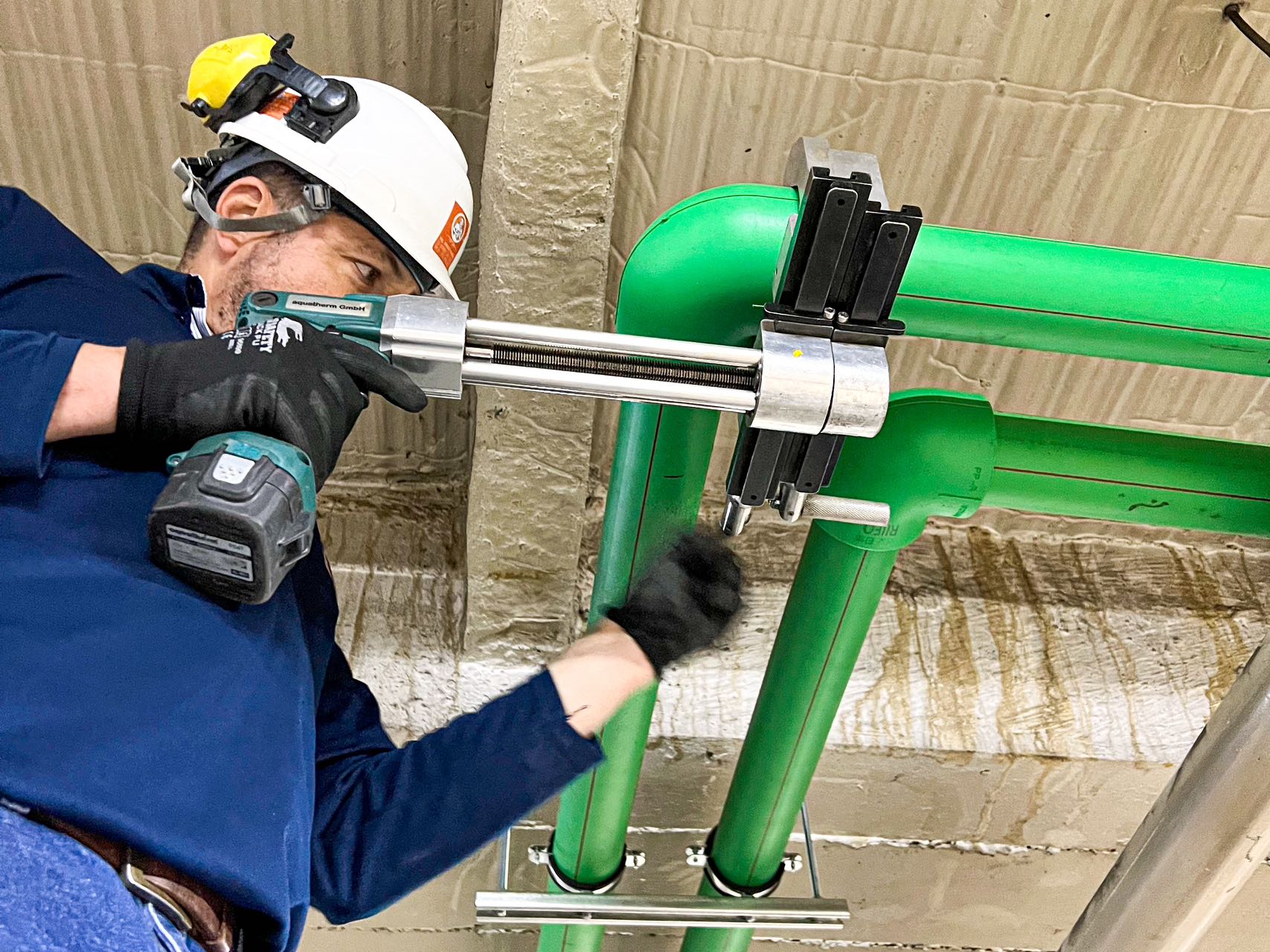
The installation of PEX piping can be accomplished through various connection methods, each suited to specific applications. Crimp connection systems use metal rings to secure the pipe to fittings, while clamp connection systems use stainless steel clamps to provide a reliable seal. Additionally, expansion connection systems involve expanding the pipe to fit over the fitting, providing a secure joint that can be particularly advantageous in certain scenarios. Using high-quality PEX tools ensures precision and minimizes errors during installation.

Crimp Connection Systems

Crimp connection systems are a reliable and widely used method for installing PEX piping across various applications. This installation technique is favored for its simplicity and effectiveness, ensuring secure joints that withstand pressure and temperature fluctuations. The advantages of crimp connection systems include:

  1. Durability: Crimped connections are less prone to leaks, providing long-term reliability in both residential and commercial settings.
  2. Ease of Installation: The process requires minimal tools, making it accessible for professionals and DIY enthusiasts alike.
  3. Versatility: Suitable for a range of applications, including potable water systems, radiant heating, and plumbing repairs. Additionally, crimp fittings are designed to ensure reliable plumbing joints, enhancing the integrity of the overall system.

Clamp Connection Systems

Utilizing clamp connection systems for PEX installation offers a robust alternative for securing piping in various applications. These systems use stainless steel clamps that provide a secure grip on the piping, ensuring durability and leak resistance. One of the primary advantages of clamp connections is their ease of installation; they often require minimal tools and can be applied in tight spaces. Common applications include residential plumbing, commercial water supply lines, and hydronic heating systems.

Additionally, the flexibility of PEX, combined with clamp systems, allows efficient routing around obstacles, making it suitable for complex layouts. This method not only enhances reliability but also promotes efficient system performance, catering to the needs of those seeking control over their piping infrastructure. Furthermore, the use of PEX-a and PEX-b types ensures that the installation meets high standards for flexibility and durability.

Expansion Connection Systems

A variety of expansion connection systems are available for PEX installation, catering to diverse applications across residential and commercial settings. Among the most notable advantages of PEX-A systems is their leak-free joint performance, which is critical to long-term reliability.

These systems use a unique expansion method that offers greater flexibility and structural integrity. Key benefits include:

  1. Durability: PEX-A connections withstand temperature fluctuations and pressure variations better than traditional methods.
  2. Ease of Installation: The expansion technique allows for quicker installations, reducing labor costs.
  3. Versatility: Suitable for various applications, including hot and cold water supply lines, heating systems, and radiant floor heating. Additionally, using high-quality PEX toolscan further enhance the installation process by ensuring precision and efficiency.

PEX vs Other Piping Materials in Real Applications

In evaluating the performance of PEX piping in real-world applications, comparisons with other materials such as copper, PPR (polypropylene random copolymer), and CPVC (chlorinated polyvinyl chloride) reveal significant differences in durability, cost, and ease of installation. PEX offers flexibility and corrosion resistance, while copper is known for its longevity and antimicrobial properties. PPR and CPVC offer distinct benefits in chemical resistance and thermal insulation, respectively, underscoring the importance of material selection based on application needs. Additionally, high-quality PEX tools are essential for ensuring secure and professional installations.

PEX vs Copper

The comparison between PEX and copper piping reveals considerable differences in performance, cost, and installation practices, making each material suitable for specific applications in residential plumbing.

  1. Cost Efficiency: PEX is generally more affordable than copper, reducing overall project expenses considerably.
  2. Installation Flexibility: PEX offers easier installation due to its lightweight nature, allowing for quicker, less labor-intensive fittings and fewer connections.
  3. Corrosion Resistance: Unlike copper, which can corrode over time, PEX is resistant to scale and chlorine, enhancing its longevity and reliability in various water conditions. Additionally, RIIFO PEX pipes can be directly buriedin soil or concrete for secure installation.

PEX vs PPR

Comparative analysis of PEX and PPR (polypropylene random copolymer) piping systems highlights distinct advantages and applications tailored to specific plumbing and heating needs. PEX is renowned for its flexibility and resistance to scale and chlorine, making it suitable for both residential and commercial plumbing. Conversely, PPR is favored for its high-temperature resistance and robustness, often utilized in industrial heating systems. Furthermore, PEX-b piping utilizes advanced silane cross-linking technology to enhance its durability and reliability in various environments.

FeaturePEXPPR
FlexibilityHighLow
Temperature Range-40°F to 200°FUp to 210°F
ApplicationsResidential, CommercialIndustrial Heating
CostModerateGenerally Lower

This table encapsulates critical distinctions, allowing informed decision-making for professionals in the plumbing sector.

PEX vs CPVC

When evaluating piping materials for plumbing and heating systems, PEX and CPVC emerge as prominent contenders, each offering unique characteristics suited to different applications.

  1. Durability: PEX is more flexible and resistant to scale and chlorine, enhancing its lifespan compared to CPVC, which can become brittle over time.
  2. Freeze Resistance: PEX can expand under freezing conditions, reducing the risk of burst pipes. In contrast, CPVC is prone to cracking when subjected to extreme cold.
  3. Maintenance Requirements: PEX typically requires less maintenance and is easier to install due to its lightweight nature, while CPVC may necessitate additional fittings and labor.

Considering these factors, PEX may offer superior performance in many residential and commercial scenarios, ensuring reliability and longevity in plumbing and heating systems.

Excessive UV Exposure

Although PEX pipe is highly durable and versatile for various plumbing applications, excessive exposure to ultraviolet (UV) light poses a significant risk to its integrity. Prolonged UV exposure can cause premature degradation, leading to brittleness, cracking, and eventual pipe failure.

The material’s chemical structure may be altered, diminishing its resistance to pressure and temperature fluctuations. It is vital for installers and users to recognize appropriate installation environments and ensure that PEX is shielded from direct sunlight. Protective measures, such as using UV-resistant sleeves or installing the pipe in shaded areas, should be prioritized to maintain the pipe’s functionality and lifespan.

Awareness of UV risks is essential for ensuring peak performance in both residential and commercial systems. Additionally, understanding the importance of environmental protection and safety can help in selecting materials that withstand various environmental challenges.

Improper Support Spacing

Proper support spacing is essential for the effective installation of PEX pipe, as inadequate support can lead to sagging, bending, or even rupture of the tubing. To ensure optimal performance, installers should adhere to the recommended support spacing guidelines. Common mistakes include:

  1. Exceeding Maximum Spacing: Support intervals that are too wide can result in excessive movement, increasing the risk of damage.
  2. Inconsistent Support Placement: Variable spacing may lead to uneven stress distribution, causing potential failure points.
  3. Neglecting Environmental Factors: Failing to account for temperature fluctuations can cause PEX to expand and contract, necessitating tighter support standards.

Using Incompatible Fittings

Using incompatible fittings with PEX pipe can lead to significant issues, including leaks and system failures. PEX systems require specific fittings designed to create a secure, leak-proof connection. Utilizing materials such as copper or PVC with PEX can compromise system integrity, as the differing expansion rates and chemical compatibilities may result in joint failure.

Additionally, compression fittings not rated for PEX can create stress points, further exacerbating the risk of leaks. It is vital for installers to verify compatibility by consulting manufacturer guidelines and using dedicated PEX fittings. Proper fitting selection guarantees reliable connections, maintaining system efficiency and longevity. Ultimately, awareness and adherence to fitting compatibility are essential for peak PEX pipe performance in residential and commercial applications.

Ignoring Local Plumbing Codes

When homeowners or contractors overlook local plumbing codes while installing PEX pipe, they risk not only the integrity of the plumbing system but also potential legal and financial repercussions. Compliance with these codes guarantees safety and functionality, preventing costly mistakes. Key considerations include:

  1. Material Specifications: Local codes may dictate specific types of PEX approved for use, assuring durability and resistance to environmental factors.
  2. Installation Practices: Adherence to guidelines regarding spacing, support, and fittings is vital to prevent leaks and system failures.
  3. Permitting and Inspections: Failure to secure necessary permits can lead to fines, and inspections may reveal non-compliance, necessitating costly rework.

Neglecting these regulations can compromise the reliability of the plumbing system and expose stakeholders to significant liabilities.


How to Choose the Right PEX System for Your Project

Selecting the appropriate PEX system for a project requires careful consideration of various applications, including residential plumbing, underfloor heating, and commercial developments. Additionally, factors such as renovation and retrofit needs, along with the choice of connection methods, play critical roles in ensuring system efficiency and compatibility. A systematic evaluation of these elements will facilitate informed decision-making tailored to specific project requirements.


Residential Plumbing Projects

Choosing the appropriate PEX system for residential plumbing projects requires careful consideration of factors such as system compatibility, local building codes, and the household’s specific needs. Homeowners should evaluate the following criteria:

  1. PEX Type: Select between PEX-A, PEX-B, or PEX-C based on flexibility, cost, and installation method.
  2. Size Requirements: Determine the pipe diameter needed for optimal water flow, ensuring compatibility with existing fixtures.
  3. Installation Environment: Assess whether the installation will occur in walls, ceilings, or exposed areas, as this influences insulation and protection needs.

Underfloor Heating Projects

As homeowners explore options for underfloor heating projects, the choice of PEX system becomes vital for achieving efficient temperature control and comfort. Selecting the right PEX pipe involves considering factors such as pipe diameter, flexibility, and thermal conductivity. A common choice is the PEX-a system, known for its cross-linking process that enhances durability and resistance to kinking. Additionally, the integration of oxygen barrier PEX is important to prevent corrosion of metal components within the heating system. Homeowners must also evaluate the layout configuration, whether it is a staple-up or embedded system, ensuring compatibility with the existing flooring. Finally, evaluating the heat output requirements and insulation levels will guide the selection of the appropriate PEX system, ultimately enhancing energy efficiency and performance.

Commercial Developments

In the context of commercial developments, selecting the appropriate PEX system is critical to ensuring operational efficiency and long-term performance. Decision-makers must consider several key aspects when evaluating PEX options:

  1. Diameter and Flow Rate: Determine the required pipe size to facilitate adequate water flow for the specific application.
  2. Pressure Ratings: Assess the system’s ability to withstand operating pressures to ensure safety and reliability.
  3. Environmental Compatibility: Evaluate the PEX material’s resistance to chemicals, UV exposure, and temperature variations relevant to the installation site.

Renovation and Retrofit Applications

When undertaking renovation and retrofit applications, selecting the right PEX system is vital for achieving maximum performance and compatibility with existing infrastructure. The first consideration should be the project’s specific requirements, including the existing plumbing layout and any regulatory standards. Evaluating the diameter and pressure ratings of PEX pipes ensures they will integrate seamlessly with older systems.

Additionally, identifying the appropriate PEX type—cross-linked polyethylene (PEX-a, PEX-b, or PEX-c)—is essential, as each type offers different flexibility and resistance characteristics. It is also important to assess environmental conditions and potential UV exposure when determining installation locations. Finally, budget constraints should influence the selection process, balancing quality and cost-effectiveness to guarantee long-term reliability.


Why Contractors and Developers Choose RIIFO PEX Systems

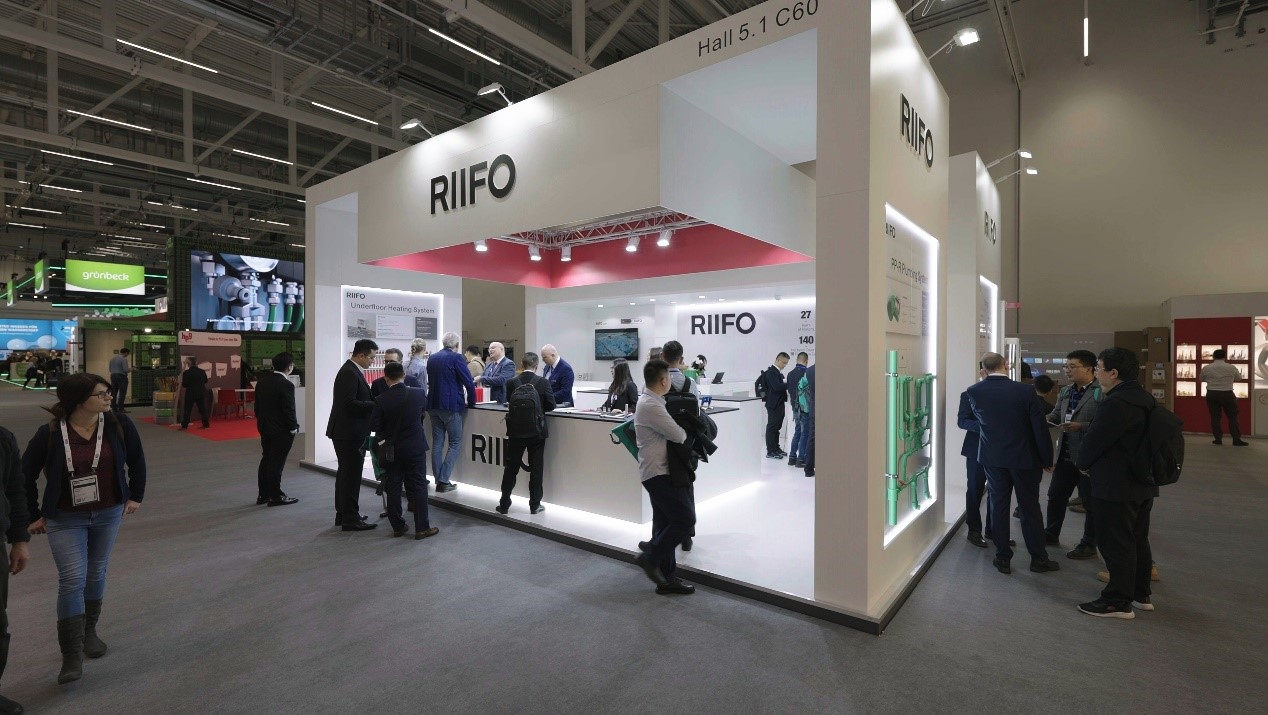
RIIFO PEX systems are trusted by contractors, developers, and plumbing professionals worldwide because they combine advanced material technology with proven long-term reliability. RIIFO PEX-A pipes are NSF-certified for potable water applications, ensuring safe and hygienic water delivery for residential and commercial projects. With Class 5 chlorine resistance, RIIFO PEX-A pipes can withstand aggressive water conditions and continuous exposure to chlorinated water, helping extend system lifespan and maintain performance over time.

Beyond high-quality pipes, RIIFO provides a complete piping solution that includes compatible fittings, expansion rings, and connection systems designed for secure and efficient installation. Backed by more than 50 international certifications, including NSF, DVGW, WRAS, AENOR, and Watermark, RIIFO products meet the stringent requirements of global construction and plumbing standards. To provide additional confidence, RIIFO offers a 25-year product warranty and product liability insurance, helping protect both installers and project owners.

With over 300,000 distributors worldwide, 380,000+ projects serviced, and 70+ branches and subsidiaries, RIIFO also delivers strong local support through dedicated sales teams, technical training, and convenient warehouse facilities. This combination of product quality, technical expertise, and global service makes RIIFO a preferred partner for residential plumbing, commercial developments, radiant heating systems, and large-scale infrastructure projects.

Frequently Asked Questions About PEX Pipe Applications

What Are the Most Common Applications for PEX Pipe?

PEX is commonly used for hot and cold water supply, residential plumbing, underfloor heating, radiant heating, and commercial water distribution systems.

Can PEX Be Used for Both Hot and Cold Water?

Yes. PEX is designed to handle both hot and cold water applications and is widely used in potable water systems.

Is PEX Suitable for Commercial Buildings?

Yes. PEX is used in apartments, hotels, schools, healthcare facilities, and office buildings due to its flexibility, durability, and ease of installation.

Can PEX Be Installed in Concrete Slabs?

Yes. PEX can be embedded in concrete slabs and is commonly used for radiant floor heating and under-slab plumbing applications.

What Is the Difference Between PEX-A, PEX-B, and PEX-C?

PEX-A offers the highest flexibility and expansion capability, PEX-B provides excellent strength and value, while PEX-C is produced through irradiation and offers moderate flexibility.

Is PEX Good for Underfloor Heating?

Yes. PEX is one of the most popular materials for underfloor heating because it is flexible, corrosion-resistant, and able to withstand temperature fluctuations.

How Long Does PEX Pipe Last?

High-quality PEX piping systems designed service life 50+ years under proper conditions when properly installed and operated under recommended conditions.

Can PEX Replace Copper Plumbing?

Yes. PEX is often used as a replacement for copper due to its lower installation cost, flexibility, corrosion resistance, and faster installation process.


Conclusion

To summarize, PEX pipe is a versatile solution for applications ranging from residential plumbing to commercial systems and heating. Its flexibility enables intricate installations, while its durability guarantees longevity. By understanding installation methods, comparing materials, and avoiding common pitfalls, professionals can harness the full potential of PEX.

Ultimately, the right PEX system can enhance efficiency, reduce costs, and elevate the performance of plumbing projects, making it a preferred choice in modern construction and renovation.

Trustpilot