









NewsJun 09, 2026

The Complete Guide to Multilayer Plumbing Systems: Structure, Applications, Installation, and Benefits

The Complete Guide to Multilayer Plumbing Systems: Structure, Applications, Installation, and Benefits

The Complete Guide to Multilayer Plumbing Systems provides a thorough examination of advanced plumbing technologies. It emphasizes the structural integrity and functionality of Polyethylene-Aluminum-Polyethylene (PAP) pipes. Key features such as superior corrosion resistance and thermal insulation are analyzed in detail. The guide also contrasts multilayer systems with traditional plumbing solutions. Understanding these elements is essential for industry professionals seeking to optimize water distribution efficiency and longevity. The implications for future plumbing innovations are significant.

Key Takeaways

  • Multilayer plumbing systems combine the benefits of plastic and metal, featuring polyethylene-aluminum-polyethylene (PAP) pipes for durability and flexibility.
  • PAP pipes are corrosion-resistant, reducing maintenance needs, and enhancing the longevity of the plumbing system.
  • The unique five-layer structure of PAP pipes includes an aluminum core, providing structural integrity and minimizing thermal expansion.
  • Installation techniques, such as overlap-welding and butt-welding, impact the strength and performance of multilayer plumbing systems.
  • These systems ensure hygienic water supply, with non-toxic materials and advanced joint technology reducing leak risks.

What Is a Multilayer Plumbing System?

A multilayer plumbing system is an advanced piping solution that integrates both plastic and metal materials to optimize performance and durability.

This system typically employs polyethylene-aluminum-polyethylene (PAP) pipes, which combine the flexibility of plastic with the strength of metal, offering superior resistance to thermal expansion and corrosion.

As industry standards evolve, multilayer systems are increasingly recognized for their efficiency, longevity, and adaptability in various plumbing applications. Additionally, multilayer pipes are constructed from corrosion-proof PEX-AL-PEX material, ensuring a reliable and healthy water supply.

Definition of a Multilayer Plumbing System

Multilayer plumbing systems represent an advanced approach to modern plumbing, integrating multiple materials to enhance performance and durability.

These systems typically consist of an inner layer of cross-linked polyethylene (PEX), an aluminum layer for structural integrity, and an outer layer of either PEX or polypropylene.

Key features of multilayer plumbing systems include:

  • Corrosion Resistance: Mitigates issues associated with traditional metal pipes.
  • Thermal Insulation: Reduces heat loss, enhancing energy efficiency.
  • Flexibility: Facilitates ease of installation in various configurations.
  • Low Weight: Eases transportation and handling during installation.
  • Reduced Noise: Minimizes water hammer and other acoustic disturbances.

Such systems are increasingly favored in both residential and commercial applications, offering a robust solution to contemporary plumbing challenges. Additionally, the multilayer pipe technology, such as the HDPE-AL-HDPE (A-Series), provides enhanced durability and performance characteristics.

What Does PAP Mean in Plumbing?

In the context of plumbing, PAP denotes Polyethylene-Aluminum-Polyethylene, a specific type of multilayer pipe system that combines the advantageous properties of polyethylene and aluminum.

PAP pipes feature an inner and outer layer of polyethylene, providing resistance to corrosion and chemical damage, while the aluminum core enhances structural integrity and minimizes thermal expansion. This composition allows for a lightweight yet robust solution suitable for various plumbing applications.

Additionally, the multilayer design facilitates improved insulation properties, reducing energy loss in hot water systems. PAP systems are increasingly favored in contemporary plumbing due to their flexibility, ease of installation, and compatibility with standard fittings. Furthermore, the hygienic performance of PAP pipes ensures a safer water supply, making them a reliable choice for modern plumbing needs.

Ultimately, the utilization of PAP signifies a commitment to durability and performance in plumbing infrastructure.

How Multilayer Pipes Combine Plastic and Metal Advantages

Although multilayer plumbing systems might seem complex, they effectively integrate the benefits of both plastic and metal materials to address various plumbing challenges.

These systems typically consist of an internal layer of plastic, usually polyethylene, enveloped by a layer of aluminum, providing structural integrity and resistance to thermal expansion.

Key advantages include:

  • Corrosion Resistance:Plastic layers mitigate the risk of corrosion associated with metal pipes.
  • Thermal Efficiency:Aluminum enhances heat retention, resulting in energy savings.
  • Flexibility and Strength:The composite structure permits bending without compromising structural integrity.
  • Pressure Resistance:The multilayer configuration withstands high pressure, ensuring reliable performance.
  • Lightweight Design:Easier handling and installation compared to traditional metal pipes.

This combination offers a robust solution for modern plumbing requirements, making multilayer pipe systems suitable for residential, commercial, and industrial applications.

Main Components of a Multilayer Plumbing System

A multilayer plumbing system comprises several key components that work in concert to deliver efficient water distribution and drainage solutions.

Central to this system are multilayer pipes, which integrate the strengths of plastic and metal to enhance durability and flexibility.

Fittings and connectors facilitate seamless shifts between pipes, ensuring leak-proof joints that maintain system integrity.

Additionally, specialized press tools and installation accessories are essential for executing precise connections under controlled pressure, optimizing performance while minimizing installation time.

Valves and distribution components further regulate flow, enabling precise control over water delivery throughout the system.

Collectively, these components establish a robust framework, underpinning the effectiveness and reliability of modern plumbing infrastructures. Furthermore, the use of clean and corrosion-proof Multilayer PEX-AL-PEX Pipes significantly contributes to the longevity and performance of the system.

Why Multilayer Plumbing Systems Are Becoming the Modern Standard

As advancements in plumbing technology continue to evolve, multilayer plumbing systems are emerging as the preferred choice for modern infrastructures.

These systems integrate multiple materials to enhance performance, durability, and efficiency. The increasing adoption is attributed to several key advantages:

  • Corrosion Resistance: Multilayer pipes mitigate the risk of corrosion compared to traditional materials.
  • Thermal Insulation: The layered design provides superior thermal efficiency, reducing energy costs.
  • Flexibility: These systems can accommodate complex layouts with ease, minimizing installation challenges.
  • Reduced Weight: Lighter materials facilitate easier handling and installation.
  • Long Lifespan: Enhanced durability results in lower maintenance costs over time.

Moreover, multilayer plumbing systems are certified by NSF and AENOR to ensure safety and hygiene, further solidifying their reliability in contemporary applications.

Consequently, multilayer plumbing systems represent a significant advancement in plumbing standards, ensuring reliability and efficacy in contemporary applications.

Understanding the Structure of PAP Multilayer Composite Pipe

PAP multilayer composite pipe is characterized by its unique five-layer structure, which integrates polymer and aluminum materials to enhance performance.

The inclusion of the aluminum layer is critical for providing structural integrity and resistance to pressure fluctuations.

Additionally, the manufacturing process, including overlap-welded and butt-welded techniques, plays a significant role in defining the quality and reliability of the multilayer pipe, aspects that RIIFO meticulously controls. The durability of RIIFO PAP multilayer pipes is expected to exceed 50 years, ensuring long-term reliability for various plumbing applications.

What Is PAP Multilayer Composite Pipe?

Multilayer composite pipes have gained recognition in the plumbing industry for their superior performance and structural integrity. PAP (Polyamide-Aluminum-Polyethylene) multilayer composite pipes are engineered to combine the benefits of various materials, resulting in a robust and versatile plumbing solution.

This type of pipe features an inner layer of polyethylene, an outer layer of polyethylene, and a bonded aluminum core, providing exceptional resistance to temperature fluctuations and pressure variations.

  • Enhanced durability and longevity
  • Superior resistance to corrosion
  • Lightweight and easy to handle
  • Improved thermal insulation properties
  • Compatibility with a variety of fittings

These attributes make PAP multilayer composite pipes an ideal choice for both residential and commercial plumbing applications, ensuring reliability and efficiency in fluid conveyance systems. Additionally, the expected lifespan of these pipes exceeds 50 years of service, reflecting their durability and long-term reliability.

The 5-Layer Structure Explained

Understanding the intricacies of PAP multilayer composite pipes necessitates an examination of their distinctive five-layer structure.

The innermost layer consists of either polyethylene (PE) or cross-linked polyethylene (PEX), providing flexibility and chemical resistance. Adjacent to this is the adhesive layer, which guarantees a strong bond between the inner layer and the aluminum core.

The aluminum core layer is pivotal, offering structural integrity and excellent barrier properties. Surrounding this core are outer adhesive and protective plastic layers, which safeguard the composite pipe against environmental factors and mechanical stress.

This meticulously engineered five-layer configuration enhances performance characteristics, including durability, pressure resistance, and thermal stability, making PAP multilayer composite pipes a superior choice for modern plumbing applications. Additionally, the expected lifespan of these pipes exceeds 50 years, reflecting their long-term reliability and quality assurance.


Why the Aluminium Layer Matters

While the functionality of PAP multilayer composite pipes relies heavily on their composite structure, the aluminum layer plays a significant role in enhancing overall pipe performance. This layer contributes key attributes that guarantee the integrity and reliability of plumbing systems.

  • Oxygen Barrier Performance: Prevents oxygen diffusion, thus reducing oxidation in water systems.
  • Shape Stability: Maintains structural integrity under varying pressure conditions, preventing deformation.
  • Reduced Thermal Expansion: Limits expansion and contraction, assuring consistent performance across temperature fluctuations.
  • Pressure Resistance: Enhances the pipe’s ability to withstand high-pressure environments, essential for safety.
  • Durability: Increases the lifespan of the piping system by resisting corrosion.

The aluminum layer, consequently, is indispensable in achieving the desired longevity and efficiency in multilayer plumbing applications. Additionally, the aluminum layer provides effective isolation from light and oxygen, enhancing durability and hygiene in plumbing systems.

Overlap-Welded vs Butt-Welded Multilayer Pipe

The integrity of PAP multilayer composite pipes is further influenced by the welding methods employed in their construction, specifically overlap-welding and butt-welding techniques.

Overlap-welding involves the joining of layers by overlapping them, creating a larger surface area for fusion, which can enhance overall strength but may introduce potential weaknesses at the edges.

Conversely, butt-welding aligns the pipe ends directly, allowing for a more uniform stress distribution and potentially superior reliability.

The production processes for each technique also vary; overlap-welding often entails faster assembly, while butt-welding may require more precise alignment and processing time.

Ultimately, the choice between these methods hinges on desired structural integrity, application requirements, and long-term performance expectations, dictating the suitability for specific plumbing applications. Additionally, the use of non-toxic polyethylene layers in PAP multilayer pipes contributes to their hygienic performance, making them suitable for various plumbing solutions.

How RIIFO Controls Multilayer Pipe Quality

Quality control in the production of PAP multilayer composite pipes is paramount for guaranteeing longevity and reliability in plumbing applications.

RIIFO employs extensive testing protocols to guarantee the integrity of its products throughout the manufacturing process.

  • Raw Material Inspection: Guarantees compliance with material specifications.
  • Aluminium Layer Testing: Assesses the quality and bonding of the aluminium core.
  • Hydrostatic Pressure Testing: Validates the pipe’s ability to withstand high pressure.
  • Peel Resistance Testing: Evaluates the strength of the adhesive bonds between layers.
  • Finished Product Inspection: Confirms overall quality and adherence to industry standards.

These rigorous measures establish RIIFO’s commitment to producing high-quality multilayer pipes, assuring users of their performance and durability in demanding environments. Additionally, the use of clean and corrosion-proof PEX-AL-PEX pipes ensures reliable water supply in various applications.


Types of RIIFO Plumbing Systems

The categorization of RIIFO plumbing systems encompasses several distinct types, including the PEX plumbing system and the PP-R plumbing system.

Each type is designed to meet specific application requirements while ensuring peak performance and durability.

Multilayer Plumbing System

Multilayer plumbing systems represent a significant advancement in modern plumbing technology, combining the benefits of various materials to enhance performance and durability.

These systems typically consist of an inner layer of cross-linked polyethylene (PEX), an aluminum core, and an outer layer of a thermoplastic material, resulting in a composite that mitigates the shortcomings of traditional plumbing materials.

  • Excellent thermal insulation properties
  • Resistance to corrosion and scaling
  • Lightweight yet robust structure
  • Flexibility for installation in tight spaces
  • Enhanced sound-dampening characteristics

The integration of these features allows multilayer plumbing systems to achieve superior pressure resistance and longevity, making them an ideal choice for both residential and commercial applications. Additionally, the oxygen barrier provided by the aluminum layer helps prevent leaks and ensures system integrity.

This advancement grants users greater control over their plumbing infrastructure.

PEX Plumbing System

PEX is lauded for its flexibility and resistance to scale and chlorine, which greatly contributes to the longevity of plumbing installations. The material’s excellent thermal insulation properties enhance energy efficiency, while its corrosion resistance mitigates the risks associated with traditional metallic piping systems. Additionally, PEX offers substantial advantages regarding installation efficiency, as it requires fewer fittings due to its adaptability. Moreover, the system’s ability to withstand freezing conditions without rupture underscores its reliability in diverse operational environments, making it a superior choice for modern plumbing applications. Furthermore, PEX-b’s advanced silane cross-linking technology ensures superior resistance to temperature fluctuations and chemical corrosion, enhancing the overall durability of the plumbing system.

PP-R Plumbing System

PP-R (Polypropylene Random Copolymer) plumbing systems represent a significant advancement in the domain of multilayer plumbing solutions, particularly within the RIIFO framework.

These systems are engineered to provide exceptional durability and reliability, making them a preferred choice for various applications.

  • Excellent resistance to high temperatures and pressures
  • Lightweight, facilitating ease of installation
  • Corrosion-resistant, guaranteeing longevity
  • Low thermal conductivity, promoting energy efficiency
  • Compatible with a wide range of fittings and accessories

PP-R systems utilize a unique multilayer construction that enhances their structural integrity while minimizing thermal expansion. This innovation allows for effective fluid transport in heating and cooling applications, establishing a robust foundation for modern plumbing infrastructures. The integration of PP-R systems guarantees superior performance and system longevity, thereby providing users with enhanced control over their plumbing solutions. Additionally, they are crafted from high-quality polypropylene random copolymer, ensuring safety for drinking water in residential and commercial buildings.

How RIIFO Integrates Complete Plumbing Solutions

RIIFO’s approach to plumbing solutions encompasses a thorough range of multilayer plumbing systems designed to meet diverse operational demands.

These systems integrate advanced materials such as cross-linked polyethylene (PEX) and aluminum, resulting in enhanced durability and flexibility.

Key types include the RIIFO Multilayer Composite Pipe, which offers superior thermal performance and resistance to corrosion, and the RIIFO Barrier Pipe, engineered to prevent oxygen diffusion, safeguarding heating systems.

Additionally, the modular design facilitates straightforward installation and maintenance, allowing for seamless integration into existing infrastructures.

RIIFO’s commitment to innovation guarantees that each multilayer solution adheres to stringent industry standards, thereby providing reliable, efficient, and sustainable plumbing solutions tailored to specific project requirements. Furthermore, RIIFO products come with a 25-year product warranty, ensuring long-lasting durability and peace of mind for customers.

Key Advantages of Multilayer Plumbing Systems

Multilayer plumbing systems present significant advantages in various operational contexts.

Notable benefits include excellent corrosion resistance, smooth inner walls that enhance water flow, and robust performance under high temperature and pressure conditions.

Additionally, their reduced thermal expansion and extended service life contribute to overall system efficiency and reliability. Furthermore, the RIIFO Multilayer Gas Piping System is capable of handling high pressure and heat, making it an ideal choice for demanding applications.

Excellent Corrosion Resistance

While traditional piping systems often succumb to the detrimental effects of corrosion, multilayer plumbing systems offer a robust solution through their innovative design.

These systems utilize a composite construction that integrates multiple layers of materials, resulting in exceptional resistance to corrosive agents. This characteristic markedly extends the lifespan of plumbing installations, thereby reducing maintenance costs and enhancing reliability.

Key advantages include:

  • Enhanced Durability:Resistance to various environmental factors.
  • Improved Longevity:Prolonged service life compared to single-material systems.
  • Reduced Leakage Risks:Minimization of corrosion-related failures.
  • Cost Efficiency:Lower replacement and repair expenditures over time.
  • Sustainability:Less environmental impact due to reduced material waste.
  • Multilayer structureensures high flexibility and exceptional durability, further contributing to the system’s effectiveness.

Smooth Inner Walls for Better Water Flow

The design of multilayer plumbing systems incorporates smooth inner walls that considerably enhance water flow efficiency. This structural characteristic minimizes turbulence and friction losses, optimizing hydraulic performance across various applications.

The seamless construction of these inner surfaces results in a significant reduction of pressure drops, which is critical for maintaining consistent flow rates. Additionally, the smoothness of the inner walls contributes to a lower likelihood of sediment accumulation, thereby ensuring sustained water quality and system longevity.

Engineers and architects favor multilayer systems for their ability to facilitate precise flow control, which is essential in both residential and commercial settings. Consequently, the integration of smooth inner wall technology represents a pivotal advancement in contemporary plumbing design. Furthermore, the multilayer pipe systems come with a 25-year guarantee, ensuring long-term reliability and customer assurance.

High Temperature and Pressure Resistance

High temperature and pressure resistance is a defining characteristic of modern plumbing solutions, particularly evident in multilayer systems.

These systems are engineered to withstand extreme operational conditions, thereby ensuring reliability and longevity. The composite materials utilized in multilayer construction contribute greatly to their performance, making them suitable for a diverse range of applications.

  • Enhanced performance under high thermal loads
  • Superior resistance to pressure fluctuations
  • Extended service life due to material integrity
  • Compatibility with a variety of heating systems
  • Reduced risk of leaks and failures
  • The flame retardant propertiesof multilayer pipes ensure safety in high-temperature applications.

Such attributes not only optimize functionality but also provide users with enhanced control over their plumbing infrastructure, reinforcing the value of multilayer systems in contemporary installations.

Reduced Thermal Expansion

A significant advantage of multilayer plumbing systems is their reduced thermal expansion, which plays an essential role in maintaining system integrity under varying temperature conditions.

The combination of materials—typically involving an inner layer of PEX, an aluminum core, and an outer layer of polyethylene—effectively minimizes the coefficient of thermal expansion. This characteristic mitigates the stresses associated with thermal fluctuations, thereby reducing the risk of deformation, leaks, or joint failure.

Additionally, the controlled expansion and contraction enhance dimensional stability, ensuring precise fit and alignment within the assembly. As a result, multilayer systems are well-suited for applications requiring stringent performance and reliability standards, providing operators with enhanced control over system performance and longevity. Furthermore, the 5-layer structure ensures gas impermeability, further contributing to the system’s durability and reliability in various conditions.

Long Service Life

Enhanced durability is a hallmark of multilayer plumbing systems, contributing considerably to their long service life. The composite materials utilized in these systems resist corrosion, scale buildup, and external environmental factors. Consequently, they exhibit superior longevity compared to traditional piping solutions.

Key advantages include:

  • Resistance to chemical degradation: Prolonged exposure to various substances has minimal impact.
  • Thermal stability: Retains structural integrity under temperature variations.
  • Reduced risk of leaks: Superior joint technology minimizes potential failures.
  • Lower maintenance requirements: Fewer repairs lead to cost-effective long-term usage.
  • Enhanced pressure tolerance: Capable of withstanding high-pressure scenarios without compromising performance.

Additionally, multilayer plumbing systems feature a leak-proof design that enhances overall reliability and hygiene during operation.

These factors collectively underscore the reliability and efficiency of multilayer plumbing systems, making them an ideal choice for modern construction and renovation projects.

Hygienic and Safe Water Supply

Hygiene and safety in potable water supply are paramount in plumbing applications, and multilayer plumbing systems excel in this regard.

These systems utilize a composite structure, typically combining polyethylene and aluminum, to create a barrier that minimizes leaching and maintains water integrity. The non-toxic nature of the materials employed guarantees compliance with stringent health regulations, thereby safeguarding against microbial contamination.

Additionally, the smooth internal surfaces of multilayer pipes reduce biofilm accumulation, promoting enhanced water quality. Moreover, the resistance to corrosion and scaling contributes to the longevity of the system, guaranteeing consistent delivery of safe drinking water. Furthermore, the expected lifespan of these pipes, which exceeds 50 years, ensures long-term reliability and performance in plumbing systems.

Lightweight and Easy Installation

Although traditional plumbing materials can be cumbersome and labor-intensive to install, multilayer plumbing systems offer significant advantages regarding weight and ease of installation. The lightweight nature of these systems not only reduces the physical strain on installers but also expedites the overall installation process.

  • Minimal handling and transport costs
  • Reduced structural load on buildings
  • Simplified connection techniques
  • Compatibility with various fasteners and fittings
  • Enhanced maneuverability in tight spaces

These attributes collectively contribute to a streamlined installation procedure, allowing for greater efficiency and reduced labor time. Consequently, multilayer plumbing systems present a compelling option for both residential and commercial plumbing applications, ensuring high performance without the drawbacks associated with traditional materials. Additionally, the use of compression fittings ensures airtight connections that enhance overall safety and reliability in these systems.

Flexible Routing Around Building Structures

The lightweight and easily maneuverable nature of multilayer plumbing systems facilitates flexible routing around various building structures.

This adaptability is particularly advantageous in complex architectural designs, allowing for strategic placement that adheres to both aesthetic and functional requirements.

The inherent flexibility of multilayer materials, combined with their resistance to deformation, permits efficient navigation around structural obstacles, such as beams and ductwork, without compromising flow integrity.

Moreover, the reduced need for numerous fittings minimizes potential friction losses, thereby enhancing overall system efficiency.

Additionally, the capacity for precise adjustments during installation guarantees ideal alignment with existing infrastructure, contributing to a streamlined construction process.

Such features make multilayer plumbing systems an excellent choice for modern, dynamic building environments. Furthermore, the 25 years guarantee on these products ensures long-term reliability and customer satisfaction.

Reduced Maintenance Requirements

Multilayer plumbing systems markedly reduce maintenance requirements, primarily due to their superior durability and resistance to common issues such as corrosion and scale buildup.

This translates into significant advantages for facility management and property owners, enhancing the longevity and reliability of plumbing installations.

Key benefits include:

  • Corrosion Resistance: Multilayer materials are less susceptible to rust and degradation.
  • Scale Resistance: Reduced buildup of mineral deposits guarantees smoother flow.
  • Fewer Leak Issues: Superior sealing properties minimize the risk of leaks.
  • Longevity: Extended service life decreases the frequency of replacements.
  • Lower Repair Costs: Diminished need for repairs results in reduced operational expenses.

Additionally, these systems can be further improved by incorporating components like HDPE Infrastructure System, which offers enhanced hydraulic performance and durability.

Energy Efficiency and Thermal Performance

While traditional plumbing systems often suffer from significant energy losses due to thermal bridging and inadequate insulation, multilayer plumbing systems provide enhanced energy efficiency and superior thermal performance.

These systems utilize a composite construction of materials, typically comprising an inner layer of PEX or PE-RT, a core of aluminum for rigidity, and an outer layer of protective polymer. This configuration minimizes thermal conductivity, thereby reducing heat loss during fluid transport.

Additionally, the multilayer structure mitigates noise transmission, enhancing acoustic comfort. The superior insulation properties also contribute to a reduced carbon footprint, aligning with energy conservation goals. Moreover, multilayer systems are certified for safety and hygiene, ensuring reliable performance in various applications.

Consequently, multilayer plumbing systems represent a strategic investment for stakeholders focused on optimizing performance and achieving long-term operational efficiency.

Multilayer Plumbing System vs Traditional Plumbing Systems

The comparison between multilayer plumbing systems and traditional plumbing options, such as copper, galvanized steel, PVC, and PPR pipes, illustrates the evolving landscape of modern plumbing solutions.

Multilayer pipes exhibit superior flexibility, corrosion resistance, and thermal insulation properties, compelling many contractors and developers to favor them in contemporary construction projects. This shift raises critical questions regarding the ideal plumbing system for modern buildings, necessitating a thorough examination of each material’s performance characteristics. Additionally, the multilayer piping solutions offered by RIIFO provide optimized, hygienic, and reliable water supply systems, further enhancing their appeal in the market.

Multilayer Pipe vs Copper Pipe

When evaluating plumbing systems, a critical comparison emerges between multilayer pipes and traditional copper pipes.

Multilayer pipes offer several advantages that position them favorably against copper counterparts:

  • Corrosion Resistance: Multilayer pipes resist corrosion considerably better than copper, extending their service life.
  • Cost Comparison: Generally, multilayer pipes are more cost-effective, both in material and installation expenses.
  • Installation Complexity: Multilayer systems are simpler to install, requiring fewer specialized tools and skills.
  • Service Life: The longevity of multilayer pipes can surpass that of copper, reducing replacement frequency.
  • Thermal Efficiency: Multilayer pipes exhibit superior insulation properties, enhancing energy efficiency in plumbing applications.

Additionally, multilayer pipes promote sustainable plumbing practices due to their recyclable materials and reduced environmental impact.

These factors collectively underscore the benefits of multilayer plumbing systems in contemporary installations.

Multilayer Pipe vs Galvanized Steel Pipe

In the domain of plumbing systems, a significant evaluation arises between multilayer pipes and galvanized steel pipes, each representing distinct methodologies in modern and traditional installations respectively.

Multilayer pipes, composed of an inner layer of polyethylene, an aluminum core, and an outer layer of polyethylene, offer enhanced flexibility and resistance to corrosion. This design facilitates easier installation in complex configurations while mitigating the risk of leaks.

Conversely, galvanized steel pipes possess a long-standing reputation for durability but are prone to rust and mineral buildup over time, compromising water flow and quality.

Additionally, multilayer systems typically exhibit superior thermal insulation properties, reducing energy consumption. Furthermore, multilayer pipes such as PEX-b pipe provide exceptional resistance to temperature fluctuations and pressure changes, enhancing their long-term performance and reliability.

Consequently, the choice between these materials hinges on specific application requirements and long-term performance considerations.

Multilayer Pipe vs PVC Pipe

A comparative analysis of multilayer pipes and PVC pipes reveals significant differences in performance, installation methodology, and application suitability within plumbing systems.

Multilayer pipes, characterized by a combination of materials, offer enhanced flexibility and thermal resistance, making them ideal for both hot and cold water applications. Conversely, PVC pipes are lightweight and resistant to corrosion but are limited to cold water systems.

  • Durability: Multilayer pipes exhibit superior longevity compared to PVC.
  • Flexibility: Multilayer systems accommodate various installation scenarios more effectively.
  • Temperature Resistance: Multilayer pipes withstand higher temperatures than PVC.
  • Jointing Techniques: Multilayer systems utilize advanced fitting methods, while PVC requires solvent welding.
  • Environmental Impact: Multilayer materials often present a lower environmental footprint than PVC.

Additionally, multilayer pipes feature an aluminum core that enhances performance and effectively blocks oxygen and gas from seeping into the pipe walls.

Multilayer Pipe vs PPR Pipe

While both multilayer pipes and PPR (Polypropylene Random Copolymer) pipes serve critical roles in modern plumbing systems, they exhibit distinct characteristics that influence their performance and application.

Multilayer pipes are constructed from an inner layer of polyethylene, an aluminum core, and an outer layer of polyethylene, providing enhanced durability, resistance to pressure fluctuations, and reduced thermal expansion.

Conversely, PPR pipes are single-material systems that excel in chemical resistance and lower weight.

Additionally, multilayer pipes offer superior flexibility and ease of installation, particularly in retrofit applications. Furthermore, multilayer pipes, such as those made from PEX A tubing, ensure excellent corrosion resistance and longevity in plumbing systems.

On the other hand, PPR pipes require heat fusion for joint connections, ensuring leak-free systems.

These differences dictate the selection criteria based on specific plumbing applications, operational environments, and regulatory standards.

Which Plumbing System Is Better for Modern Buildings?Why More Contractors and Developers Are Switching to Multilayer Systems

As the demand for efficiency and reliability in plumbing systems escalates, contractors and developers increasingly favor multilayer plumbing systems over traditional alternatives.

Multilayer systems offer distinct advantages that align with contemporary construction demands, including:

  • Enhanced durability against corrosion and chemicals
  • Superior thermal insulation properties, improving energy efficiency
  • Reduced weight, simplifying installation and transport
  • Flexibility that accommodates complex building designs
  • Lower risk of leaks, ensuring long-term system integrity

These characteristics not only streamline installation processes but also enhance performance over time. Additionally, the integration of advanced testing technology ensures that multilayer systems meet stringent quality standards, further boosting their appeal.

Consequently, the multilayer plumbing system emerges as a compelling choice for modern buildings, offering a balance of functionality and adaptability that traditional systems may lack.

This shift reflects the evolving priorities of the construction industry in response to modern demands.

Why More Contractors and Developers Are Switching to Multilayer Systems

The increasing preference for multilayer plumbing systems among contractors and developers can be attributed to their superior performance characteristics compared to traditional plumbing systems.

These systems, composed of an inner layer of cross-linked polyethylene (PEX), a middle aluminum barrier, and an outer layer of PEX, provide enhanced durability, flexibility, and resistance to corrosion.

In addition, multilayer systems offer reduced thermal conductivity, which contributes to energy efficiency and lower operational costs.

The lightweight nature facilitates easier installation and handling, thereby minimizing labor expenses. Moreover, multilayer plumbing systems exhibit lower susceptibility to scale build-up and are compatible with a variety of fittings, enhancing versatility in design. Collectively, these attributes align with the increasing demand for sustainable, efficient, and resilient building solutions in contemporary construction projects. In fact, HDPE water supply systems are also gaining traction due to their low maintenance requirements and long lifespan, making them an attractive option for modern infrastructure.

Common Applications of Multilayer Plumbing Systems

Multilayer plumbing systems exhibit versatility across various applications, particularly in residential water supply systems, where they guarantee efficient delivery and durability.

In commercial and industrial settings, these systems facilitate reliable water supply and robust performance under varying pressure conditions.

Additionally, multilayer configurations are increasingly utilized in underfloor heating and air conditioning piping applications, optimizing thermal efficiency and space utilization. These systems often incorporate PEX pipes that enhance overall performance and reliability.

Residential Water Supply Systems

Residential water supply systems leverage multilayer plumbing technologies to enhance efficiency and reliability.

These systems are particularly beneficial in various residential settings, including:

  • Apartments: Optimized for space-saving and effective water distribution.
  • Villas and Houses: Designed for durability and high-capacity flow rates.
  • Renovation Projects: Facilitating upgrades without extensive structural alterations.
  • Sustainable Practices: Incorporating recycled materials and energy-efficient solutions.
  • Regulatory Compliance: Meeting stringent building codes and plumbing standards.

Additionally, multilayer plumbing systems offer advantages such as advanced technology for improved performance and durability in modern applications.

Commercial Plumbing Applications

While various sectors demand robust plumbing solutions, commercial applications showcase the practicality and advantages of multilayer plumbing systems in environments such as hotels, office buildings, shopping centers, and hospitals.

These settings require reliable, efficient, and durable plumbing infrastructures to accommodate high occupancy rates and diverse water demands. Multilayer systems offer enhanced resistance to corrosion and temperature fluctuations, ensuring consistent performance under varying pressures.

Their lightweight characteristics facilitate easier installation, reducing labor costs and downtime. Additionally, the flexibility of multilayer pipes allows for complex routing within tight spaces, optimizing design layouts. The flame retardancy with self-extinguishing capability of multilayer gas piping systems also ensures increased safety in commercial applications.

The integration of multilayer plumbing systems can greatly enhance operational efficiency, reduce maintenance needs, and ultimately contribute to the longevity of commercial plumbing networks, thereby ensuring a dependable water supply for all users.

Industrial Water Supply Applications

In industrial settings, multilayer plumbing systems serve a multitude of applications, ranging from manufacturing facilities to wastewater treatment plants. Their versatility and reliability make them ideal for managing complex water supply needs.

These systems exhibit excellent resistance to corrosion, high pressures, and temperature fluctuations, ensuring operational efficiency and longevity.

Key applications include:

  • Distribution of potable water in large-scale manufacturing.
  • Conveyance of process water in chemical production.
  • Management of cooling water in power generation.
  • Facilitation of water recycling in wastewater treatment.
  • Supply of heating and cooling fluids in HVAC systems.

These multilayer systems provide enhanced performance, reduced maintenance costs, and compliance with stringent industry regulations, thereby delivering significant advantages in industrial water supply applications. Additionally, their flame retardancy and self-extinguishing ability further contribute to safety in high-risk environments.

Underfloor Heating Applications

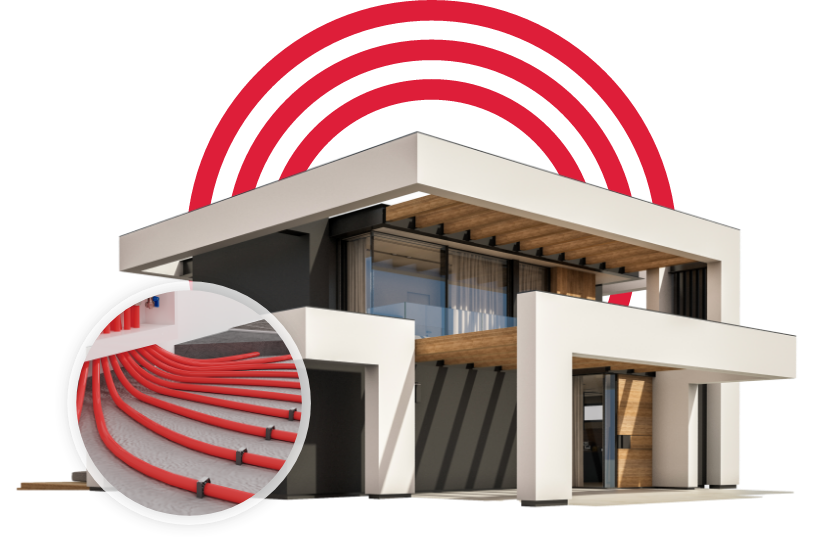
Multilayer plumbing systems are increasingly utilized in underfloor heating applications due to their superior thermal conductivity and flexibility in installation.

These systems, composed of an inner layer of cross-linked polyethylene, an intermediate aluminum layer for enhanced strength, and an outer layer of polyethylene, provide a robust solution for efficient heat distribution.

Their lightweight nature facilitates ease of handling and installation, while the resistance to corrosion and scaling guarantees longevity.

Additionally, multilayer pipes exhibit excellent pressure resistance, making them suitable for diverse floor constructions.

The ability to configure layouts with precision allows for optimized heat zoning, thereby enhancing energy efficiency. Furthermore, the aluminum layer serves as an oxygen barrier, reducing the risk of oxygen diffusion and ensuring long-term reliability.


Air Conditioning Piping Applications

The versatility of multilayer plumbing systems extends to air conditioning piping applications, where they are employed for their excellent thermal insulation and pressure capabilities.

These systems facilitate efficient cooling and heating processes, enhancing overall HVAC performance. Key advantages include:

  • Reduced thermal bridging: Minimizing energy loss during temperature regulation.
  • Corrosion resistance: Ensuring longevity and reliability in various environments.
  • Lightweight design: Simplifying installation and reducing structural load.
  • Flexibility: Allowing for intricate routing in confined spaces.
  • Noise reduction: Diminishing operational sound levels, promoting user comfort.

Multilayer plumbing systems are therefore a preferred choice for contractors and engineers seeking reliability and efficiency in air conditioning applications, contributing considerably to energy conservation and system efficacy. Additionally, the multilayer pipe technology used in RIIFO systems enhances performance and durability, making them ideal for demanding environments.


Multilayer Gas Piping Applications

Gas piping systems benefit greatly from the use of multilayer plumbing materials, which offer enhanced safety and performance characteristics.

These systems utilize a composite structure that combines the advantages of metal and plastic, effectively minimizing the risk of corrosion and leakage.

Multilayer gas piping is particularly suited for residential and commercial applications where high durability and flexibility are critical.

The lightweight nature of these materials facilitates easier installation and reduces labor costs.

Additionally, multilayer systems provide superior thermal insulation, thereby improving energy efficiency.

Compliance with stringent industry standards guarantees the reliability of gas transport in both new constructions and retrofits. Furthermore, these systems can handle high pressure and heat, making them ideal for Natural Gas and LPG applications.


Why Multilayer Systems Are Suitable for Concealed Installation

Concealed installation of plumbing systems often demands materials that are not only durable but also adaptable to varying environmental conditions.

Multilayer plumbing systems exhibit several characteristics that render them particularly advantageous for such applications:

  • Corrosion Resistance: They combine the best properties of metal and plastic, minimizing the risk of corrosion.
  • Thermal Expansion: Their design accommodates thermal expansion, reducing the likelihood of leaks.
  • Lightweight: Multilayer pipes are considerably lighter than traditional materials, facilitating easier handling during installation.
  • Flexibility: The inherent flexibility allows for intricate routing through confined spaces without compromising integrity.
  • Sound Insulation: The multilayer composition effectively dampens noise, enhancing comfort in concealed installations.

These attributes make multilayer systems a preferred choice for professionals seeking reliability and efficiency in plumbing installations. Additionally, the multilayer structure of these pipes ensures longer lifespan and superior performance.


How Multilayer Plumbing Systems Improve Water Quality and Hygiene

Multilayer plumbing systems are engineered with a non-corrosive inner surface that greatly enhances water quality by preventing scale build-up and reducing the risk of secondary water pollution.

Additionally, the incorporation of an oxygen and light barrier further safeguards the integrity of drinking water, ensuring safe consumption standards are met.

These features collectively contribute to the superior performance of multilayer systems in maintaining hygienic water delivery. Furthermore, the hygienic performance of PAP Multilayer Pipe is achieved through its clean, non-toxic polyethylene layers and aluminum middle layer, ensuring drinking water safety.

Non-Corrosive Inner Surface

The non-corrosive inner surface of multilayer plumbing systems plays a critical role in enhancing water quality and hygiene. This surface, typically composed of high-density polyethylene or aluminum, mitigates the risks associated with leaching and microbial growth.

The following attributes underscore its significance:

  • Chemical Resistance: Protects against harmful contaminants.
  • Smooth Finish: Reduces turbidity and promotes flow efficiency.
  • No Metal Ions: Prevents metallic taste and odor in drinking water.
  • Hygienic Properties: Deters bacterial colonization and biofilm formation.
  • Longevity: Minimizes maintenance costs and prolongs system lifespan.

Additionally, the use of multilayer pipes ensures flexibility and toughness, making them ideal for various applications. These characteristics culminate in a superior plumbing solution, ensuring the integrity of potable water and maintaining stringent hygiene standards essential for modern infrastructure.

Prevention of Scale Build-Up

While traditional plumbing systems often suffer from scale build-up due to mineral deposits, multilayer plumbing systems effectively mitigate this issue through their innovative design and materials.

These systems incorporate a combination of thermoplastic and metal layers, which not only enhance structural integrity but also reduce the likelihood of scale formation. The non-porous inner surfaces prevent the adhesion of calcium and magnesium particles, leading to lower maintenance requirements and prolonged system efficiency.

Additionally, the multilayer composition allows for improved thermal insulation, minimizing temperature fluctuations that can exacerbate scale accumulation. Furthermore, the use of PEX plumbing system in multilayer designs ensures excellent flexibility and durability, further enhancing the overall performance of the plumbing system.

Reduced Risk of Secondary Water Pollution

Innovative design features of multilayer plumbing systems contribute greatly to reducing the risk of secondary water pollution. By incorporating advanced materials and engineering techniques, these systems guarantee a cleaner and safer water supply.

Key advantages include:

  • Barrier Protection: The multilayer structure minimizes contaminant ingress.
  • Reduced Biofilm Formation: Smooth internal surfaces inhibit microbial growth.
  • Chemical Resistance: Materials resist leaching and degradation from corrosive agents.
  • Consistent Temperature Control: Maintains water quality by preventing thermal fluctuations.
  • Enhanced Durability: Minimizes failures and leaks that could lead to contamination.

These attributes collectively enhance water quality and hygiene, providing users with confidence in the safety of their plumbing systems. Additionally, the multilayer construction ensures improved performance, further addressing concerns associated with traditional plumbing methodologies.

The meticulous design allows for greater control over water purity, addressing concerns associated with traditional plumbing methodologies.

Oxygen and Light Barrier Protection

Utilizing advanced multilayer construction, plumbing systems provide effective oxygen and light barrier protection, which is essential for maintaining water quality and hygiene.

The design typically incorporates a core layer of cross-linked polyethylene (PE-X) surrounded by aluminum and additional polyethylene layers. This configuration effectively inhibits the diffusion of oxygen and the penetration of ultraviolet (UV) light, thereby preventing oxidative degradation and microbial growth within the piping.

By minimizing these factors, multilayer systems considerably reduce the risk of biofilm formation and associated contamination.

Additionally, the structural integrity and thermal insulation properties of multilayer materials enhance the overall longevity and performance of the plumbing system. Such advancements empower users to guarantee superior water quality, contributing to both health standards and system reliability. Moreover, the multilayer design promotes energy efficiency, making it an ideal choice for modern plumbing solutions.

Safe Drinking Water Performance

Multilayer plumbing systems greatly enhance the performance of safe drinking water by integrating advanced materials and design features that mitigate contaminants and preserve water quality.

These systems effectively reduce the leaching of harmful substances, guaranteeing compliance with stringent health standards. Their multilayer construction provides robust resistance against corrosion and microbial growth.

  • Enhanced barrier properties prevent oxygen and moisture ingress.
  • Reduced thermal conductivity minimizes temperature fluctuations.
  • Compatibility with various water treatment methods guarantees versatility.
  • Smooth internal surfaces prevent biofilm accumulation.
  • Long service life reduces the frequency of replacements, guaranteeing sustained water quality.
  • Additionally, HDPE Pipe specificationsensure that these systems can carry potable water safely and efficiently.

Such attributes collectively contribute to a reliable and hygienic water supply, empowering users with confidence in their drinking water’s safety and integrity.

Certifications That Support Plumbing Safety

The integrity of plumbing systems is reinforced by a range of certifications that validate their safety and effectiveness in maintaining water quality and hygiene.

The NSF Certification guarantees compliance with public health and safety standards, verifying that materials are free from harmful contaminants.

WRAS Certification assures that plumbing products meet rigorous water regulations, promoting safe drinking water.

AENOR Certification, recognized in Spain, affirms conformity to specific quality and safety criteria within plumbing applications.

Additionally, Watermark Certification signifies compliance with Australian standards, guaranteeing that plumbing systems do not compromise water quality.

Collectively, these certifications play an essential role in instilling confidence among consumers and professionals, assuring that multilayer plumbing systems contribute effectively to safe and hygienic water delivery. Moreover, the use of premium quality PPR raw materials ensures long-term resistance and safety in plumbing applications.

How to Choose the Right Multilayer Plumbing System

Choosing a suitable multilayer plumbing system requires a thorough assessment of various factors, including pipe diameter, thickness, and compatibility with fittings and tools.

Each of these parameters greatly influences the overall performance and efficiency of the system.

Consequently, prospective buyers must engage suppliers with targeted inquiries to guarantee the best selection tailored to their specific application requirements.

Factors to Consider Before Selection

When choosing the appropriate multilayer plumbing system, several critical factors must be evaluated to confirm peak performance and compliance with established standards.

These considerations guarantee that the selected system aligns with both functional requirements and regulatory mandates.

  • Building Type: Assess the specific needs dictated by residential, commercial, or industrial applications.
  • Water Temperature Requirements: Determine the maximum and minimum temperatures the system must accommodate.
  • Pressure Requirements: Analyze the pressure conditions that the system will encounter during operation.
  • Installation Environment: Evaluate factors such as exposure to elements and accessibility for maintenance.
  • Local Plumbing Standards: Confirm adherence to regional codes and regulations governing plumbing installations.

Choosing the Correct Pipe Diameter

Determining the appropriate pipe diameter is a vital aspect of designing a multilayer plumbing system. This decision directly impacts flow rates, pressure drops, and system efficiency.

Engineers must consider several factors, including the intended application, peak demand, and the specific fluid dynamics involved. Utilizing the Hazen-Williams equation or Darcy-Weisbach equation can aid in calculating ideal diameters, ensuring that the system can accommodate varying flow conditions without excessive turbulence or friction losses.

Additionally, compliance with local building codes and industry standards is essential, as these regulations often dictate minimum diameter specifications.

Ultimately, selecting the correct pipe diameter is critical for achieving a reliable, efficient, and long-lasting multilayer plumbing system that meets both functional and regulatory requirements.

How Pipe Thickness Affects Performance

Pipe thickness plays a crucial role in the performance of multilayer plumbing systems, influencing factors such as structural integrity, thermal insulation, and resistance to pressure fluctuations.

An ideal pipe thickness contributes to enhanced durability and efficiency, ensuring that systems can withstand various operational demands.

  • Structural Integrity: Thicker pipes provide better support and resist deformation.
  • Thermal Insulation: Increased thickness improves thermal retention, reducing energy costs.
  • Pressure Resistance: Adequate thickness mitigates risks associated with high pressure.
  • Flow Characteristics: Thicker pipes can maintain consistent flow rates over time.
  • Longevity: Enhanced durability leads to extended service life and reduced maintenance requirements.

Selecting the appropriate pipe thickness is essential for achieving ideal performance in multilayer plumbing systems.

Selecting Compatible Fittings and Tools

Selecting appropriate fittings and tools is essential for the effective assembly and functionality of multilayer plumbing systems. Compatibility between the multilayer pipes and fittings is paramount; utilizing fittings designed specifically for multilayer systems guarantees secure connections that prevent leaks.

It is critical to evaluate the materials of both the pipes and fittings, as variations can affect thermal expansion and chemical resistance. Additionally, employing tools that are engineered for multilayer systems, such as specialized crimping tools and pipe cutters, contributes to the integrity of the installation.

Professionals should verify that all components adhere to relevant industry standards and specifications, assuring peak performance and longevity of the plumbing system. This meticulous selection process enhances reliability and efficacy in multilayer plumbing applications.

Questions Buyers Should Ask Suppliers

When evaluating options for multilayer plumbing systems, buyers must consider a range of critical questions to secure they make informed decisions.

These inquiries assist in evaluating the system’s overall functionality, compatibility, and long-term viability.

  • What certifications and standards does the system meet?
  • Can you provide detailed specifications and technical data sheets?
  • What is the expected lifespan and warranty coverage for the products?
  • Are there any specific installation requirements or recommended tools?
  • How do you guarantee quality control during manufacturing?

Common Mistakes When Selecting Plumbing Systems

How can one avoid the common pitfalls associated with choosing multilayer plumbing systems?

First, a thorough assessment of project specifications is imperative. Failing to take into account pressure ratings and compatibility with existing infrastructure can lead to system failure. Additionally, neglecting to evaluate material certifications may result in non-compliance with local codes.

Moreover, overlooking the long-term implications of maintenance and repair can incur substantial costs. It is also essential to differentiate between manufacturer warranties, as inadequate coverage can jeopardize system integrity. Engaging with certified professionals during the selection process guarantees informed decision-making.

Step-by-Step Guide to Installing a Multilayer Plumbing System

The installation of a multilayer plumbing system necessitates meticulous pre-installation planning, ensuring all components and tools are appropriately selected.

Key considerations include the tools required for installation, techniques for cutting multilayer pipe accurately, and the importance of pipe calibration and deburring for peak performance.

Additionally, adherence to best practices in pipe bending is critical to maintain system integrity and functionality.

Pre-Installation Planning

Effective pre-installation planning is essential for the successful implementation of a multilayer plumbing system, as it establishes the foundation for ideal performance and longevity. Key considerations must be addressed to guarantee a streamlined installation process and peak functionality.

  • Pipe Routing Design: Strategically plan the layout for efficient flow and minimal pressure loss.
  • Expansion and Contraction Planning: Account for temperature variations to prevent system stress and potential failures.
  • Accessibility: Confirm components are accessible for maintenance and future repairs.
  • Maintenance Planning: Design the system with serviceability in mind to facilitate routine checks.
  • Regulatory Compliance: Familiarize with local codes and standards to guarantee adherence throughout the installation.

These considerations are critical for achieving a robust multilayer plumbing infrastructure.

Tools Required for Installation

Successful pre-installation planning sets the stage for the selection of appropriate tools required for the installation of a multilayer plumbing system.

Essential tools include a pipe cutter specifically designed for multilayer pipes, guaranteeing clean cuts and ideal performance. A deburring tool is also necessary to remove any sharp edges from cut pipe ends, preventing potential leaks.

Additionally, a calibrated measuring tape facilitates precise measurements, critical for accurate fitting. A crimping tool is imperative for secure connections, while a PEX expansion tool may be required for specific types of multilayer systems.

Finally, a torque wrench guarantees that all fittings are tightened to manufacturer specifications, maintaining system integrity.

Collectively, these tools enhance installation efficiency and reliability.

Cutting Multilayer Pipe Correctly

Cutting multilayer pipe accurately is vital for guaranteeing ideal performance and leak-free connections in plumbing installations.

Proper cutting techniques contribute greatly to the integrity of the system.

To achieve precise cuts, it is important to follow specific guidelines:

  • Use a dedicated pipe cutter for clean, square cuts.
  • Mark cutting lines clearly with a permanent marker.
  • Make certain the pipe is securely clamped during the cutting process.
  • Apply consistent pressure while cutting to avoid crushing the pipe.
  • Inspect the cut ends to confirm they are free from burrs and irregularities.

Pipe Calibration and Deburring

After guaranteeing clean and accurate cuts, the next critical step in the installation of a multilayer plumbing system involves pipe calibration and deburring. Calibration guarantees that the pipe dimensions meet precise specifications, facilitating ideal fitting and flow characteristics. Deburring removes sharp edges and irregularities that could impede performance or cause leaks.

ProcessPurpose
CalibrationGuarantees dimensional accuracy
DeburringPrevents damage during assembly
InspectionVerifies compliance with standards
TestingAssesses joint integrity
DocumentationRecords specifications and adjustments

These meticulous procedures are essential in assuring the longevity and reliability of the plumbing system, ultimately enhancing operational efficiency and reducing maintenance concerns.

Pipe Bending Best Practices

Implementing effective pipe bending practices is essential for the integrity of a multilayer plumbing system. Proper bending techniques minimize stress points, ensuring ideal flow and longevity. Adhering to industry standards is paramount for achieving reliable results.

  • Utilize appropriate bending tools to maintain uniform radius.
  • Preheat multilayer pipes to reduce material stiffness.
  • Avoid kinks and sharp bends that can compromise structural integrity.
  • Measure and mark bend locations accurately before proceeding.
  • Inspect bends for dimensional accuracy and smooth shifts post-bending.

Installing Press Fittings

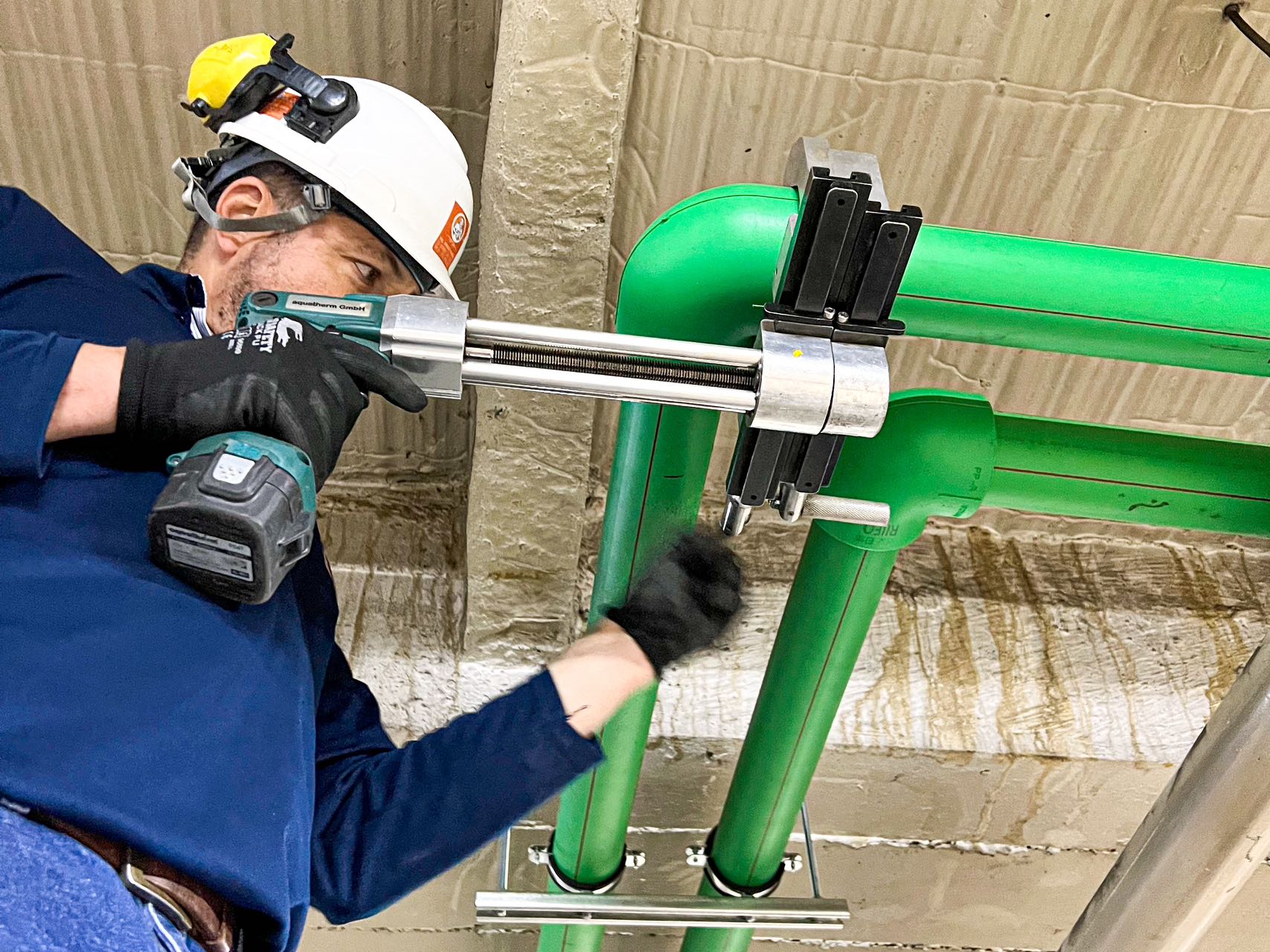
Installing press fittings in a multilayer plumbing system requires meticulous attention to detail to guarantee a secure and leak-free connection.

The process begins with the careful preparation of the pipe ends, ensuring they are free from debris and adequately cut to the required length. Next, the appropriate press fitting is selected based on the pipe diameter and application.

The installer then positions the fitting over the pipe, ensuring proper alignment. Utilizing a calibrated press tool, the fitting is then compressed to the specified pressure, creating a permanent seal.

It is essential to adhere to manufacturer specifications regarding pressing techniques and timing. Finally, visual inspection confirms the integrity of the joint, solidifying the system’s reliability for future use.

Leak Prevention Tips

Maintaining the integrity of a multilayer plumbing system requires adherence to a series of meticulous leak prevention measures. Implementing these strategies effectively minimizes the risk of leaks and enhances system longevity.

Professionals must focus on the following key practices:

  • Properly tighten connections:Verify all fittings are secured according to manufacturer specifications.
  • Inspect for damage:Regularly examine pipes for cracks, corrosion, or wear.
  • Maintain ideal temperature:Avoid extreme temperature fluctuations that can compromise material integrity.
  • Use compatible materials:Confirm all components are compatible with multilayer systems to prevent chemical reactions.
  • Install drain valves:Facilitate easy drainage to prevent stagnant water, reducing pressure build-up.

Pressure Testing Procedures

A thorough pressure testing procedure is essential for verifying the integrity and functionality of a multilayer plumbing system.

Initially, all connections and joints must be visually inspected for proper assembly. Next, the system should be filled with water or air, ensuring the absence of any leaks. A pressure gauge is then attached to monitor the system’s pressure levels.

The pressure should be increased to the specified test pressure, typically exceeding the operational pressure by a factor of 1.5. The system must maintain this pressure for a predetermined duration, usually 15 to 30 minutes. Any pressure drop indicates a potential leak, necessitating immediate investigation and rectification.

Finally, document all test results and observations for future reference and quality assurance.

Compliance With Local Plumbing Standards

Compliance with local plumbing standards is a critical aspect of successfully implementing a multilayer plumbing system. Adhering to these regulatory requirements guarantees safety, reliability, and efficiency in plumbing installations.

The following considerations are essential for compliance:

  • Review Local Codes: Familiarize with specific local plumbing codes and regulations.
  • Obtain Necessary Permits: Secure all required permits before commencing installation.
  • Material Specifications: Use approved multilayer materials that meet local standards.
  • Inspections: Schedule inspections at various stages of the installation process.
  • Documentation: Maintain thorough documentation of compliance efforts, including permits and inspection reports.

Common Installation Mistakes to Avoid

Adhering to local plumbing standards sets the foundation for effective multilayer plumbing system installations, yet common installation mistakes can undermine these efforts.

One prevalent error involves improper joint connections, which can lead to leaks and system inefficiencies. Additionally, inadequate pipe support can result in sagging or misalignment, compromising both integrity and performance.

Failure to properly deburr and clean cut ends may impede effective sealing and increase the risk of system failure. Furthermore, neglecting thermal expansion considerations can induce stress on joints and fittings.

Finally, insufficient pressure testing post-installation may overlook latent issues. By recognizing and avoiding these pitfalls, professionals can guarantee a robust, high-performance multilayer plumbing system that adheres to industry standards and operational demands.

Maintenance and Lifespan of Multilayer Plumbing Systems

The maintenance and lifespan of multilayer plumbing systems are critical considerations for ensuring peak performance and durability. Factors influencing pipe longevity include material properties, environmental conditions, and installation techniques.

Routine inspections can identify potential issues before they escalate. Recognizing signs of improper installation and implementing strategies to reduce long-term maintenance costs are essential for maximizing system efficiency and lifespan.

Expected Service Life

Multilayer plumbing systems are engineered for durability and efficiency, offering an expected service life that typically ranges from 50 to 100 years, contingent upon proper installation and maintenance practices.

Their longevity is influenced by several key factors, which include:

  • Quality of materials used in construction
  • Adherence to installation guidelines and standards
  • Routine inspections and preventative maintenance
  • Environmental conditions affecting the system
  • Proper pressure management within the plumbing network

Factors That Affect Pipe Longevity

Longevity of multilayer plumbing systems is influenced by a variety of factors that dictate maintenance practices and overall lifespan.

Material composition plays a critical role; the integration of cross-linked polyethylene (PEX) and aluminum provides enhanced resistance to corrosion and temperature fluctuations.

Additionally, installation quality, including proper joint connections and pipe supports, greatly impacts durability.

Environmental conditions, such as water chemistry and soil pH levels, can accelerate degradation if not adequately managed.

Moreover, operational parameters, including pressure fluctuations and thermal cycling, impose stresses that may lead to premature failure.

Regularly monitoring these variables guarantees proactive maintenance, ultimately extending the service life of multilayer systems.

Implementing industry best practices is essential for optimizing performance and safeguarding infrastructure investments.

Routine Inspection Recommendations

Implementing routine inspections is critical for maintaining the integrity and performance of multilayer plumbing systems. Such inspections help identify potential issues before they escalate, guaranteeing system longevity and efficiency.

Key recommendations for effective routine inspections include:

  • Visual Assessment: Examine exposed piping for signs of wear, discoloration, or damage.
  • Pressure Testing: Conduct pressure tests to detect leaks and guarantee system integrity.
  • Thermal Imaging: Utilize thermal cameras to identify heat loss and potential insulation failures.
  • Water Quality Testing: Regularly analyze water samples for contaminants that may affect system components.
  • Component Evaluation: Assess fittings, valves, and connections for signs of corrosion or deterioration.

Adhering to these recommendations will enhance the operational reliability of multilayer plumbing systems, safeguarding against unforeseen failures.

Signs of Improper Installation

How can one identify signs of improper installation in multilayer plumbing systems?

Key indicators include visible leaks, manifesting at joints or fittings, which may suggest inadequate sealing or improper torque application.

Additionally, water pressure inconsistencies can signal misalignment or inappropriate sizing of pipes, leading to potential flow restrictions.

Unusual noises, such as banging or gurgling, often denote air entrapment or improper slope in drain lines.

Moreover, discoloration of pipe surfaces may indicate chemical incompatibility with the materials used.

Finally, the presence of condensation or moisture around fittings may reflect poor insulation or thermal bridging issues.

Regular monitoring of these signs is essential for maintaining system integrity and ensuring maximum performance over time.

How to Reduce Long-Term Maintenance Costs

Reducing long-term maintenance costs for multilayer plumbing systems requires strategic planning and adherence to best practices throughout the installation and operational phases.

Proactive measures can greatly enhance system longevity and reduce the frequency of repairs. Key strategies include:

  • Selecting high-quality materialsto guarantee durability and performance.
  • Implementing proper installation techniquesto prevent future leaks and failures.
  • Conducting regular inspectionsto identify and address potential issues early.
  • Utilizing advanced technologiesfor monitoring system performance and detecting anomalies.
  • Training personnelon system maintenance to guarantee adherence to operational protocols.

Why Multilayer Systems Offer Lower Lifecycle Costs

The efficiency of multilayer plumbing systems markedly contributes to lower lifecycle costs, encompassing both maintenance and lifespan considerations.

These systems, comprising a fusion of materials such as polyethylene, aluminum, and polypropylene, exhibit superior resistance to corrosion and scaling, thereby reducing the frequency and intensity of maintenance interventions.

Additionally, multilayer technology facilitates a lightweight yet robust profile, which simplifies installation processes and minimizes labor costs.

The inherent flexibility of these systems allows for seamless adaptations in various applications, further extending their operational lifespan.

Furthermore, multilayer systems maintain consistent flow rates and thermal efficiency, enhancing overall performance.

As a result, the cumulative financial benefits manifest in reduced downtime and lower total cost of ownership, establishing multilayer plumbing systems as a prudent investment.

Sustainability and the Future of Multilayer Plumbing Systems

Multilayer plumbing systems exemplify the integration of sustainability within modern construction practices, aligning with green building trends through their efficient material utilization.

Their design minimizes waste during installation, while offering a prolonged service life that enhances environmental benefits.

Additionally, these systems contribute to energy efficiency in water distribution, underscoring the increasing importance of eco-friendly plumbing solutions in contemporary infrastructure development.

Why Multilayer Plumbing Supports Green Building Trends

As the construction industry increasingly prioritizes sustainable practices, multilayer plumbing systems emerge as a viable solution that aligns with green building trends.

These systems contribute to environmental stewardship through various mechanisms:

  • Energy Efficiency: Reduced thermal conductivity minimizes heat loss, optimizing energy usage.
  • Durability: Enhanced resistance to corrosion and scaling extends the lifespan of plumbing installations.
  • Recyclability: Composed of recyclable materials, multilayer systems support circular economy principles.
  • Water Conservation: Advanced sealing technologies reduce leaks, promoting responsible water usage.
  • Installation Flexibility: Lightweight and versatile, they facilitate efficient construction processes, minimizing resource consumption.

Incorporating multilayer plumbing systems not only meets regulatory standards but also enhances the marketability of projects focused on sustainability.

Reduced Material Waste During Installation

Significant reductions in material waste during the installation of multilayer plumbing systems underscore their sustainability advantages. The integration of advanced manufacturing techniques and precise cutting methodologies minimizes excess material, ensuring optimal use of resources.

Multilayer pipes, being lightweight and flexible, facilitate easier handling and installation, which consequently reduces the likelihood of errors that generate waste. Additionally, the compatibility of multilayer systems with various fittings and connectors allows for streamlined assembly processes, further diminishing surplus material.

This material efficiency is vital, as it not only conserves resources but also mitigates environmental impact, aligning with contemporary sustainability mandates. Therefore, multilayer plumbing systems exemplify a conscientious approach to resource management within the plumbing industry, enhancing operational efficiency and environmental accountability.

Long Service Life and Environmental Benefits

While many plumbing systems face challenges related to degradation and maintenance over time, multilayer plumbing systems offer a remarkable solution through their long service life and inherent environmental benefits.

These systems are designed to withstand rigorous conditions, greatly reducing the frequency of replacements and repairs. This durability not only minimizes resource consumption but also contributes to sustainable practices in construction and infrastructure.

  • Enhanced resistance to corrosion and scale
  • Reduced leakage rates and lower water waste
  • Recyclable materials that promote circular economy
  • Lower carbon footprint due to fewer replacements
  • Extended lifespan of up to 50 years or more

Ultimately, multilayer plumbing systems embody a forward-thinking approach, aligning with both economic and ecological objectives in modern plumbing applications.

Energy Efficiency in Water Distribution

The energy efficiency of water distribution systems is increasingly recognized as an essential component of sustainable plumbing practices, particularly within the context of multilayer plumbing systems.

These systems, characterized by their composite materials, offer reduced thermal conductivity, which minimizes energy loss during hot water transportation. Additionally, the smooth internal surfaces of multilayer pipes reduce frictional resistance, resulting in lower energy consumption for pumping operations.

Enhanced insulation properties further contribute to maintaining water temperatures, thereby reducing the necessity for supplementary heating measures. The integration of energy-efficient designs and components, such as variable speed pumps, can greatly optimize operational efficiency.

Consequently, multilayer plumbing systems exemplify a forward-thinking approach to energy sustainability in water distribution, aligning with contemporary demands for environmentally responsible infrastructure.

Why Eco-Friendly Plumbing Is Becoming More Important

As environmental concerns intensify, the importance of eco-friendly plumbing systems has become increasingly evident within the construction and renovation industries.

Professionals are recognizing that sustainable plumbing solutions not only minimize ecological footprints but also enhance operational efficiency.

Key drivers of this trend include:

  • Regulatory Compliance: Adhering to stringent environmental standards.
  • Resource Conservation: Reducing water and energy consumption considerably.
  • Material Sustainability: Utilizing recyclable and non-toxic materials in construction.
  • Long-term Cost Savings: Decreasing operational expenses through efficiency.
  • Market Demand: Responding to consumer preferences for sustainable practices.

These factors collectively reinforce the necessity for eco-friendly plumbing systems, positioning them as essential components in the evolution of multilayer plumbing solutions, thereby promoting a sustainable future.

The Future of Smart and Sustainable Plumbing Systems

How can the integration of smart technology revolutionize plumbing systems in a sustainable manner?

The emergence of smart plumbing systems, utilizing IoT-enabled devices, presents a paradigm shift in resource management. These systems facilitate real-time monitoring of water usage, enable predictive maintenance, and enhance pressure regulation, considerably reducing waste.

Advanced analytics can identify leaks promptly, thereby minimizing water loss and enhancing system longevity. In addition, integration with renewable energy sources fosters operational efficiency, aligning with sustainability goals.

Automated controls can adjust flow rates based on demand, ensuring peak performance while conserving resources. As regulations increasingly mandate eco-friendly practices, the adoption of smart technology in multilayer plumbing systems represents a strategic advantage in achieving compliance and enhancing overall system resilience.


Frequently Asked Questions


Can Multilayer Plumbing Systems Be Used for Heating Applications?

Multilayer plumbing systems can indeed be utilized for heating applications, as their composite structure provides excellent thermal efficiency, corrosion resistance, and flexibility, ensuring peak performance in both residential and commercial heating installations while maintaining system integrity.

What Tools Are Needed for Installing Multilayer Plumbing Systems?

Installing multilayer plumbing systems requires an arsenal of tools: pipe cutters, crimping tools, wrenches, and measuring instruments, all essential for achieving flawless precision in assembly and ensuring a reliable, leak-free installation for peak performance.

Are Multilayer Plumbing Systems Resistant to Corrosion?

Multilayer plumbing systems exhibit significant resistance to corrosion due to their composite construction, which combines various materials. This inherent property guarantees longevity and reliability in diverse environmental conditions, thereby minimizing maintenance requirements and enhancing overall system performance.

How Do Multilayer Systems Handle Freezing Temperatures?

Multilayer systems exhibit enhanced flexibility under freezing conditions, allowing for slight expansion without compromising structural integrity. Their composite materials minimize the risk of fractures, effectively mitigating potential damage associated with temperature fluctuations in plumbing applications.

What Is the Cost Comparison Between Multilayer and Traditional Plumbing Systems?

In the financial landscape of plumbing, multilayer systems often present a higher initial investment than traditional counterparts. However, their durability and efficiency yield long-term savings, creating a compelling case for discerning professionals seeking cost-effective solutions.

Conclusion

To summarize, multilayer plumbing systems, particularly those utilizing PAP composite pipes, represent a significant advancement in water distribution technology. Their unique construction offers superior corrosion resistance and thermal efficiency, positioning them as a viable alternative to traditional plumbing methods. As the industry increasingly prioritizes durability and sustainability, the adoption of these systems is likely to proliferate, underscoring their pivotal role in modern construction and infrastructure development. Ultimately, the integration of multilayer solutions heralds a transformative shift towards enhanced operational efficacy in plumbing applications.