




NewsJun 09, 2026

Heating & Cooling Systems: The Complete Guide to Air Conditioning Piping and Underfloor Heating Solutions

Heating & Cooling Systems: The Complete Guide to Air Conditioning Piping and Underfloor Heating Solutions

Heating and cooling systems are critical for maintaining indoor comfort. This guide provides an in-depth examination of air conditioning piping and underfloor heating solutions. It addresses the nuances of modern HVAC systems and their components. Understanding these intricacies can greatly impact installation and maintenance decisions. The implications for energy efficiency and operational costs are considerable. However, the choice of materials and system design plays a pivotal role in achieving peak performance.

Key Takeaways

  • Modern heating and cooling systems are essential for maintaining comfortable indoor environments in both residential and commercial spaces.
  • Efficient air conditioning systems utilize chilled water piping for effective temperature control and enhanced air quality.
  • Underfloor heating systems provide even heat distribution and improved comfort while reducing energy costs.
  • Quality piping materials, such as multilayer composite and pex-al-pex, enhance the performance and reliability of HVAC systems.
  • Regular maintenance and proper installation of HVAC piping ensure optimal performance and longevity of heating and cooling solutions.

What Are Modern Heating & Cooling Systems?

Modern heating and cooling systems are vital for maintaining ideal indoor climate control, which greatly impacts comfort and energy efficiency.

These systems can be categorized into two core types: centralized and decentralized, each serving distinct applications in residential and commercial settings.

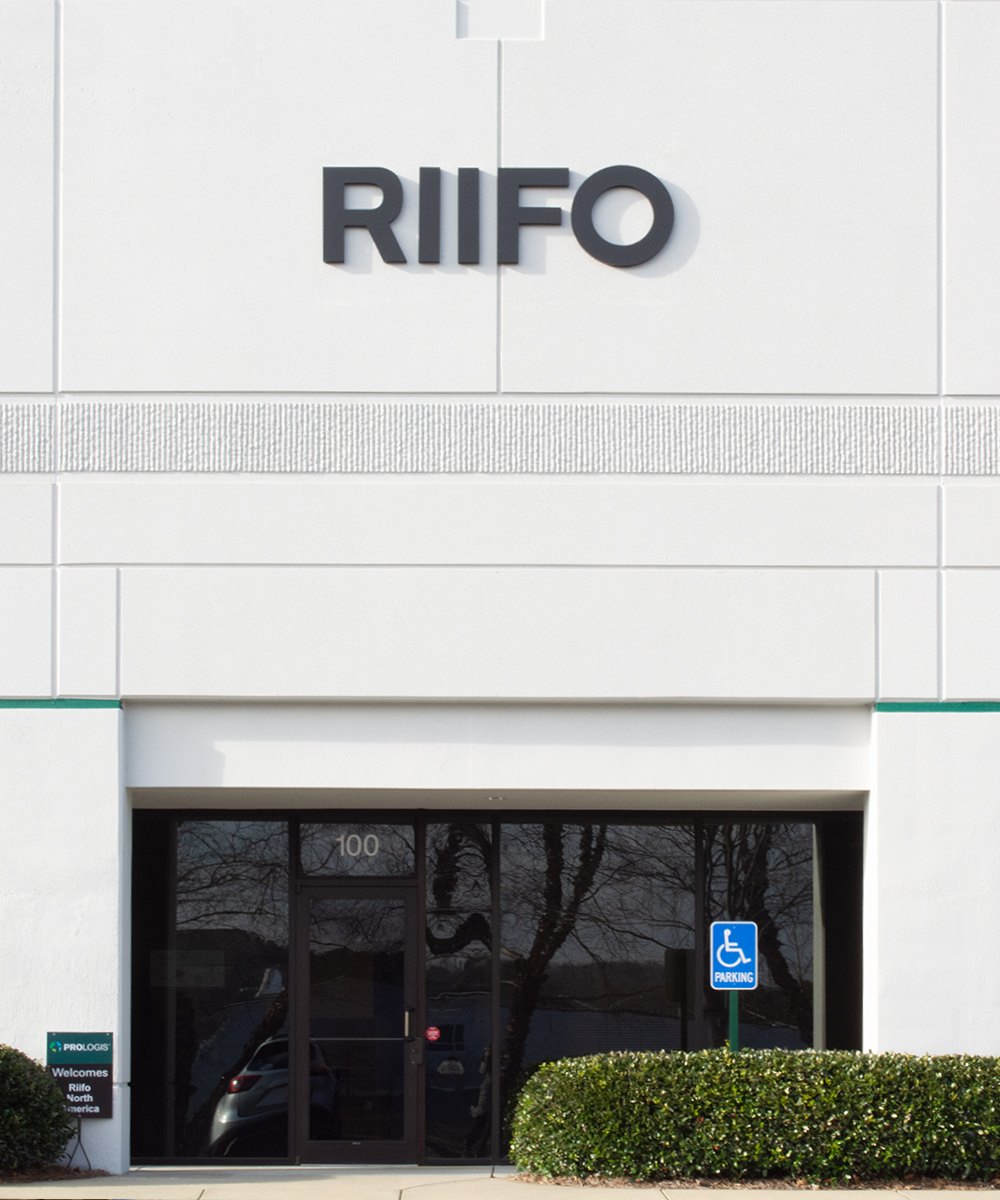
An understanding of how these systems operate in conjunction is essential for meeting the varying requirements of different building types. Additionally, the use of RIIFO Air Conditioning Piping System can enhance efficiency and reliability in modern setups.

Why Indoor Climate Control Matters

Indoor climate control plays a crucial role in maintaining comfort and health within residential and commercial spaces. Effective heating and cooling distribution systems are essential for achieving the best indoor environments.

Modern solutions, such as hydronic heating systems and radiant floor heating, offer enhanced comfort by evenly distributing warmth and minimizing energy consumption. These systems rely on advanced HVAC piping systems that guarantee efficient fluid movement and temperature regulation. Additionally, underfloor heating provides even heat distribution, targeting warmth where the body needs it most, further improving comfort levels.

Additionally, energy-efficient HVAC solutions are increasingly important as they not only reduce operational costs but also contribute to sustainable practices. By investing in these technologies, property owners gain greater control over their indoor climate, leading to improved air quality, enhanced productivity, and overall occupant satisfaction.

The Two Core Categories of Heating & Cooling Systems

Heating and cooling systems can be broadly categorized into two core types: air conditioning systems and hydronic heating systems.

Air conditioning systems utilize a chilled water piping system for effective temperature regulation, necessitating precise air conditioning pipe installation to guarantee peak performance. These systems often incorporate advanced materials such as multilayer composite pipe and pex-al-pex pipe, which enhance durability and efficiency. Additionally, modern air conditioning systems, like those utilizing RIIFO Air Conditioning Piping System, provide a reliable alternative to traditional materials, ensuring optimal operation even in challenging climates.

Conversely, hydronic heating systems employ an underfloor heating pipe layout, allowing for even heat distribution throughout a space. This method provides a comfortable environment while maximizing energy efficiency.

Understanding the distinct features and requirements of these systems allows for informed decisions regarding installation and maintenance, ultimately leading to better control of indoor climates.

How Heating & Cooling Systems Work Together in Modern Buildings

As buildings evolve to meet contemporary standards of comfort and energy efficiency, the integration of heating and cooling systems has become increasingly sophisticated.

Modern systems utilize advanced controls to harmonize temperature regulation, optimizing energy consumption and enhancing occupant comfort. Centralized systems, such as Variable Refrigerant Flow (VRF) and geothermal heat pumps, exemplify this integration by providing simultaneous heating and cooling capabilities.

Additionally, smart thermostats and building management systems facilitate real-time monitoring and adjustments, allowing for precise control over indoor climates. This synergy not only maximizes efficiency but also minimizes operational costs. Moreover, underfloor heating systems are gaining popularity for their ability to provide even heat distribution and improve overall indoor air quality.

Consequently, modern heating and cooling solutions are designed to adapt to diverse environmental conditions while ensuring consistent performance, thereby meeting the demands of contemporary building design and functionality.

Residential vs Commercial Heating & Cooling Requirements

What distinguishes residential heating and cooling requirements from those of commercial systems is their fundamentally different operational demands and design considerations.

Residential systems prioritize comfort in smaller spaces, while commercial systems must accommodate larger, varied environments.

Key factors include:

  1. Load Calculation: Residential systems often rely on simplified calculations, whereas commercial systems demand thorough analysis due to fluctuating occupancy and equipment loads.
  2. System Complexity: Residential systems typically use straightforward HVAC units, while commercial configurations may integrate variable refrigerant flow and advanced zoning techniques.
  3. Regulatory Compliance: Commercial systems must adhere to stricter building codes and energy regulations, necessitating more advanced technology and controls.

These distinctions underscore the necessity for tailored solutions to optimize efficiency and effectiveness in both sectors. Additionally, underfloor heating systems offer a viable option for both residential and commercial spaces, enhancing comfort through even heat distribution.

Understanding Air Conditioning Piping Systems

Air conditioning piping systems play a vital role in the overall performance and efficiency of HVAC systems.

These systems consist of various components that facilitate the circulation of refrigerants, influencing both split and central HVAC configurations, as well as more advanced VRF/VRV systems.

Understanding the intricacies of these piping systems is essential for optimizing cooling capabilities and ensuring reliable operation. Additionally, the use of multilayer pipes can enhance durability and longevity in cooling applications, making them a superior choice for modern air conditioning systems.

What Is an Air Conditioning Piping System?

An air conditioning piping system serves as a critical component in the overall functionality of HVAC systems, facilitating the transfer of refrigerant between various system elements. This system is essential for regulating temperature and ensuring efficient operation.

Key components include:

  1. Refrigerant Lines: Transport refrigerant between the indoor and outdoor units, typically consisting of copper or aluminum tubing.
  2. Insulation: Minimizes thermal loss, ensuring that the refrigerant maintains its intended temperature throughout the system.
  3. Fittings and Valves: Facilitate connections and control refrigerant flow, essential for system maintenance and performance.

Understanding these elements allows for better management and optimization of air conditioning systems, providing users with the capability to achieve desired indoor climates while maintaining energy efficiency. Additionally, modern systems often utilize RIIFO multilayer pipes that combine the benefits of metal and plastic for improved durability and performance.


Why Piping Is Critical to HVAC Performance

Piping in HVAC systems plays a pivotal role in determining overall system performance and efficiency. The design, material, and installation of piping directly influence key aspects such as energy efficiency, heat transfer performance, system reliability, and lifecycle cost. Effective piping guarantees ideal fluid flow, minimizing energy loss, and enhancing heat exchange. The RIIFO Air Conditioning Piping System, with its multilayer pipe technology, stands out by combining the benefits of both metal and plastic pipes, ensuring high performance in cooling environments.

FactorImportance
Energy EfficiencyReduces operational costs
Heat Transfer PerformanceMaximizes comfort levels
System ReliabilityGuarantees consistent operation
Lifecycle CostInfluences long-term investment value
Installation QualityAffects maintenance needs

Inadequate piping can lead to system inefficiencies, highlighting the critical nature of quality piping in HVAC systems for those seeking effective climate control solutions.

Main Components of an AC Piping System

An air conditioning piping system consists of several critical components that facilitate efficient cooling.

Key elements include refrigerant piping, which transports the refrigerant; chilled water piping, responsible for distributing cooled water; and condensate drainage piping, essential for removing excess moisture.

Additionally, overflow protection piping plays an important role in preventing potential water damage by managing overflow from the system. The use of multilayer pipes in modern systems enhances durability and performance, ensuring a reliable cooling solution.

Refrigerant Piping

Refrigerant piping serves as a critical component in air conditioning systems, facilitating the movement of refrigerant between the indoor and outdoor units.

Key aspects include:

  1. Material Selection: Copper or aluminum is commonly used for durability and thermal conductivity.
  2. Insulation: Proper insulation minimizes energy loss and prevents condensation.
  3. Size and Diameter: Correct sizing guarantees ideal refrigerant flow and system efficiency.

Chilled Water Piping

While chilled water piping plays a vital role in air conditioning systems, it is necessary for effectively distributing chilled water throughout the building.

This piping network, typically constructed from durable materials such as copper or PVC, guarantees ideal thermal transfer and minimizes energy loss.

Properly designed chilled water systems enhance cooling efficiency, provide precise temperature control, and support the overall performance of HVAC applications. Additionally, using multilayer pipe technology can further improve the efficiency and reliability of your air conditioning system.

Condensate Drainage Piping

Effective condensate drainage piping is essential for maintaining the overall functionality of air conditioning systems.

Proper installation and maintenance of condensate piping involve three critical components:

  1. Slope: Ensuring a downward slope to facilitate gravity drainage.
  2. Materials: Utilizing durable, corrosion-resistant materials to prevent leaks.
  3. Accessibility: Designing for easy access to enable maintenance and inspection.

These factors contribute to ideal system performance and longevity. Additionally, using multilayer pipe features can enhance the overall efficiency of the air conditioning system.

Overflow Protection Piping

Proper condensate drainage is essential for preventing water accumulation and related issues in air conditioning systems.

Overflow protection piping serves as a critical safety mechanism, redirecting excess condensate to designated drainage points. This system minimizes the risk of leaks and potential structural damage, ensuring operational reliability.

Split Systems vs Central HVAC Systems

When evaluating air conditioning options, understanding the distinctions between split systems and central HVAC systems is essential for making informed decisions.

Split systems consist of an indoor unit and an outdoor condenser, offering targeted cooling for specific areas. In contrast, central HVAC systems distribute conditioned air throughout a building via ductwork, providing uniform temperature control.

Key differences include:

  1. Installation Complexity: Split systems are generally easier to install, requiring less ductwork.
  2. Cost Efficiency: Split systems tend to have lower initial costs but may incur higher operational expenses for larger spaces.
  3. Energy Consumption: Central systems often utilize more energy due to extensive ductwork, while split systems can be more efficient in zoned applications.

Additionally, the use of RIIFO Air Conditioning Piping System can enhance the overall efficiency and durability of the cooling system.

Selecting the appropriate system depends on specific needs and building configurations.

VRF/VRV Systems and Their Piping Requirements

While traditional HVAC systems often rely on ductwork to distribute conditioned air, Variable Refrigerant Flow (VRF) and Variable Refrigerant Volume (VRV) systems present a more flexible approach to heating and cooling.

These systems utilize refrigerant as the primary medium for thermal energy transfer, allowing for multiple indoor units to be connected to a single outdoor unit.

Piping requirements for VRF/VRV systems are critical; they typically employ insulated copper pipes for refrigerant circulation, with size and length determined by the system’s design and capacity.

Proper installation of these pipes, including considerations for bends and elevation changes, is crucial to guarantee efficiency and performance.

Additionally, the use of specialized fittings and refrigerant management techniques is essential to prevent leaks and maintain system integrity. RIIFO Air Conditioning Piping System offers an innovative alternative to traditional copper pipes, enhancing durability and energy efficiency in these setups.

HVAC Piping vs Standard Plumbing Systems

HVAC piping and standard plumbing systems serve distinct functions and applications, necessitating different design considerations.

While HVAC systems operate under varying pressure and temperature conditions, standard plumbing typically deals with lower requirements, influencing the choice of materials and maintenance practices.

Understanding these differences is vital for ensuring ideal performance and longevity of both systems. For instance, the incorporation of advanced testing technology in the design process can significantly enhance the reliability of HVAC piping.

Different Functions and Applications

A thorough understanding of heating, ventilation, and air conditioning (HVAC) piping compared to standard plumbing systems reveals distinct functions and applications critical for building infrastructure.

HVAC piping primarily serves to transport heated or cooled air and fluids, while standard plumbing focuses on water supply and waste removal.

Key differences include:

  1. Fluid Types: HVAC piping handles refrigerants and heated water, whereas plumbing systems manage potable water and sewage.
  2. Pressure and Temperature: HVAC systems operate under varying pressure and temperatures, necessitating specialized materials and design.
  3. System Design: HVAC piping often requires complex configurations for ideal air distribution, unlike the more straightforward layout of plumbing systems.

These distinctions underscore the importance of selecting the appropriate system for specific environmental control needs. Additionally, utilizing high-quality PEX-b pipe can enhance the durability and efficiency of both HVAC and plumbing systems.

Different Pressure and Temperature Conditions

How do the pressure and temperature conditions in HVAC piping systems differ from those in standard plumbing systems?

In HVAC applications, piping systems often operate under higher pressures and temperatures due to the need for efficient heat transfer and circulation of refrigerants or heated water.

Typically, HVAC systems may encounter pressures ranging from 50 to 400 psi, while standard plumbing systems usually operate under 40 to 80 psi.

Temperature ranges also differ, with HVAC systems frequently exceeding 200°F for heating applications, whereas standard plumbing generally remains below 140°F for safety and comfort.

These distinctions necessitate specific design considerations, components, and maintenance protocols to guarantee system integrity and performance, emphasizing the importance of precision in HVAC piping design. Additionally, the incorporation of multilayer pipe systems can enhance durability and safety in high-pressure HVAC applications.

Different Pipe Material Requirements

The distinct pressure and temperature conditions present in HVAC systems necessitate the use of specific pipe materials that can withstand these demanding environments.

Unlike standard plumbing systems, which typically utilize materials like PVC or copper, HVAC piping must guarantee durability and efficiency.

The following pipe materials are commonly employed in HVAC applications:

  1. Copper: Known for its thermal conductivity and corrosion resistance, copper is ideal for refrigerant lines.
  2. Pex: Flexible and resistant to scaling, Pex is often used in underfloor heating systems.
  3. Carbon Steel: Suitable for high-pressure applications, carbon steel offers strength and longevity.

Selecting the appropriate material is vital to maintain system integrity and optimize overall performance within HVAC infrastructures. Additionally, multilayer AC pipes are an effective alternative to traditional materials, providing enhanced durability and efficiency in modern AC systems.

Different Maintenance Requirements

Maintaining HVAC piping systems involves distinct requirements compared to standard plumbing systems due to the unique pressures and temperatures encountered. HVAC systems operate under fluctuating pressures and often involve refrigerants, necessitating specialized knowledge for maintenance tasks.

Regular inspections are critical to identify potential leaks or corrosion, which can compromise system integrity. Additionally, HVAC piping systems require more frequent cleaning to prevent buildup that can impede efficiency.

In contrast, standard plumbing systems primarily focus on water flow, requiring less frequent maintenance interventions. Professionals must also be adept at handling specialized fittings and components unique to HVAC systems, emphasizing the need for targeted training. Furthermore, the commitment to environmental sustainability in HVAC systems can enhance efficiency and reduce overall carbon footprints.

Why HVAC Systems Need Specialized Piping

Specialized piping is essential for HVAC systems due to the unique operational demands and environmental conditions they encounter.

Unlike standard plumbing systems, HVAC piping must accommodate high pressures, varying temperatures, and corrosive substances.

Key factors that necessitate specialized piping include:

  1. Temperature Variability: HVAC systems operate across a wide temperature range, requiring materials that can withstand thermal expansion and contraction without compromising integrity.
  2. Pressure Requirements: HVAC systems often operate under higher pressures than standard plumbing, necessitating piping that can endure these conditions without leaks or failures.
  3. Fluid Composition: Refrigerants and other fluids used in HVAC systems can be chemically reactive, demanding piping materials specifically designed to prevent corrosion and degradation.

These requirements highlight the critical need for specialized piping in HVAC applications. Additionally, using multilayer gas piping systems can enhance safety and efficiency in gas transportation within HVAC installations.

How to Choose the Right Air Conditioning Piping System

Selecting the appropriate air conditioning piping system necessitates a thorough evaluation of several critical factors.

These include the type of HVAC system in place, the operating pressure and temperature requirements, and the building’s size and cooling demand.

Additionally, considerations regarding the installation environment, future expansion capabilities, and maintenance access are essential for ideal system performance and longevity. The choice of piping can significantly impact long-term warranty and reliability, ensuring that the system operates efficiently over time.

Evaluate Your HVAC System Type

How does one determine the most suitable air conditioning piping system for their HVAC needs? Evaluating the HVAC system type is essential for this decision.

The following factors should be considered:

  1. System Compatibility: Identify whether the existing HVAC system is compatible with various piping materials and configurations.
  2. Efficiency Requirements: Assess the energy efficiency ratings of potential piping systems to optimize performance and reduce operational costs.
  3. Installation Constraints: Consider space limitations and the complexity of installation, which can greatly impact the overall system design. Additionally, understanding clogged drainage channels can help in selecting a piping system that minimizes maintenance issues related to water flow.

Determine Operating Pressure and Temperature

Understanding the operating pressure and temperature requirements is essential for choosing the appropriate air conditioning piping system. The selection process must begin with a thorough analysis of the system’s operational parameters, as these factors directly influence the piping material and design.

High-pressure applications necessitate robust materials such as copper or steel, which can withstand elevated stress without compromising integrity. Conversely, lower pressure systems may utilize PVC or PEX, which offers flexibility and ease of installation.

Additionally, temperature fluctuations impact the thermal expansion characteristics of the chosen piping. It is critical to account for these variables to guarantee peak performance and longevity of the system. Properly determining these specifications is fundamental to achieving efficient cooling and maintaining system reliability.

Assess Building Size and Cooling Demand

Evaluating building size and cooling demand is essential for selecting an efficient air conditioning piping system. Accurate assessments enable the design of a system that effectively meets the cooling needs.

The following steps are significant in this evaluation:

  1. Calculate the square footage: Determine the total area requiring cooling to establish the baseline for demand.
  2. Assess insulation quality: Analyze the building’s insulation to understand heat retention and loss, which affects cooling load.
  3. Consider occupancy and usage: Identify the number of occupants and their activities, as these influence heat generation and, consequently, cooling requirements.

Consider Installation Environment

When selecting the right air conditioning piping system, the installation environment plays a crucial role in determining material type, layout, and overall system efficiency. Factors such as whether the application will be indoor, outdoor, or underground substantially influence design choices.

Installation EnvironmentConsiderations
Indoor ApplicationsInsulation, space constraints
Outdoor ApplicationsWeather resistance, UV exposure
Underground InstallationsCorrosion resistance, drainage
ResidentialAesthetic integration, noise control
CommercialCompliance, load capacity

Understanding these variables allows for informed decisions, ensuring that the piping system can withstand specific environmental conditions while optimizing performance and longevity. Adapting to the installation environment is essential for achieving desired air conditioning results. Additionally, selecting materials that offer durable safety and longevity can greatly enhance the reliability of the system over time.

Plan for Future Expansion and Maintenance

Planning for future expansion and maintenance is essential in the selection of an air conditioning piping system. A well-structured plan guarantees efficiency and longevity, minimizing disruptions during upgrades.

Consider the following key factors:

  1. Capacity for Additional Units: Verify the piping system can accommodate future air conditioning units without significant modifications.
  2. Access for Repairs: Design piping routes that allow easy access for maintenance and emergency repairs, reducing downtime and costs.
  3. Material Selection: Choose durable materials that withstand environmental changes and corrosion, prolonging system reliability and performance. Additionally, selecting a system with superior condensation performance can enhance efficiency and reduce maintenance needs over time.

Pipe Materials Used in Air Conditioning Systems

In air conditioning systems, the choice of pipe materials is critical to performance and efficiency.

Common options include copper, steel, aluminum, thermoplastic, and multilayer composite pipes, each offering distinct advantages and limitations.

Understanding the properties of these materials is essential for optimizing system design and ensuring longevity. For instance, multilayer pipes like RIIFO PE-X/AL/PE-X provide enhanced efficiency in underfloor heating systems.

Copper Pipes

Copper pipes serve as a critical component in air conditioning systems due to their excellent thermal conductivity and resistance to corrosion. These properties guarantee efficient heat exchange and long-term reliability.

The advantages of copper pipes in HVAC applications can be summarized as follows:

  1. Thermal Efficiency: Copper’s superior heat transfer capabilities facilitate ideal cooling and heating performance, enhancing system efficiency.
  2. Durability: Copper is highly resistant to corrosion and wear, guaranteeing longevity and reducing the need for frequent replacements.
  3. Flexibility: The malleability of copper allows for easy installation and adaptation to various system designs, providing versatility in application.

These characteristics make copper an ideal choice for professionals aiming for precision and control in their air conditioning systems, guaranteeing both performance and durability.

Steel Pipes

While copper pipes are widely recognized for their thermal efficiency and durability, steel pipes also play a significant role in air conditioning systems.

Steel pipes offer considerable strength and resistance to physical damage, making them suitable for high-pressure applications. Their ability to withstand extreme temperatures guarantees reliability in various HVAC environments.

Additionally, steel’s corrosion resistance, particularly when galvanized, enhances its longevity in humid or corrosive atmospheres. Steel pipes are often preferred in larger installations due to their load-bearing capacity and cost-effectiveness.

However, their weight can present installation challenges. Proper insulation is also crucial to minimize heat loss and condensation.

Aluminum Pipes

Although often overshadowed by copper and steel, aluminum pipes are increasingly recognized for their advantageous properties in air conditioning systems. Their lightweight nature and resistance to corrosion make them an appealing option for modern HVAC applications.

Key benefits include:

  1. Thermal Conductivity: Aluminum efficiently conducts heat, enhancing system performance and energy efficiency.
  2. Weight Reduction: The lightweight characteristic facilitates easier installation and reduces structural load on buildings.
  3. Cost-Effectiveness: Compared to copper, aluminum offers a lower upfront cost while maintaining durability and longevity.

These attributes position aluminum pipes as a practical alternative in air conditioning systems, allowing for effective thermal management and reliable performance over time.

As technology evolves, the role of aluminum in HVAC applications is expected to expand further.


Thermoplastic Pipes

Thermoplastic pipes have emerged as a significant material choice in air conditioning systems due to their unique properties and advantages.

These pipes, made from polymers such as PVC, CPVC, and PEX, offer excellent resistance to corrosion and chemical damage, ensuring longevity within various environmental conditions. Their lightweight nature facilitates easier handling and installation, reducing labor costs and time.

Additionally, thermoplastic pipes exhibit good thermal insulation properties, minimizing energy loss and enhancing system efficiency. The flexibility of these materials allows for intricate routing in confined spaces, accommodating diverse architectural designs.

Moreover, their inherent resistance to scale and biological growth contributes to improved system performance and reliability, making thermoplastic pipes a preferred option for modern air conditioning applications. Furthermore, PEX A pipes are particularly notable for their superior elastic memory and corrosion resistance, which enhances their reliability in HVAC systems.

Multilayer Composite Pipes

Multilayer composite pipes have gained traction in air conditioning systems due to their superior structural integrity and performance characteristics.

These pipes typically consist of layers of materials that enhance durability and flexibility, making them ideal for various applications.

Key advantages include:

  1. Corrosion Resistance: The outer layer protects against environmental factors, preventing degradation over time.
  2. Temperature Tolerance: Capable of withstanding a wide range of temperatures, these pipes maintain performance in extreme conditions.
  3. Reduced Weight: Their lightweight nature facilitates easier installation and handling, reducing labor costs.

Additionally, these pipes feature a multi-layer design that guarantees no gas permeability, ensuring safety and efficiency in heating and cooling systems.

Material Comparison Table

A thorough analysis of pipe materials used in air conditioning systems reveals significant differences in durability, corrosion resistance, installation difficulty, cost, and energy efficiency.

Copper pipes exhibit superior durability and corrosion resistance, making them a preferred choice despite higher costs and installation complexity.

Conversely, PVC pipes offer cost-effectiveness and ease of installation but lack in durability and energy efficiency.

PEX pipes provide flexibility and resistance to scaling, making them easier to install, though they may have lower thermal efficiency compared to copper.

Multilayer composite pipes combine the advantages of various materials, presenting a balanced option regarding performance and cost.

In addition, PPR pipe systems offer high durability and are designed for both residential and commercial applications, underscoring the need for informed selection based on specific system requirements.

Which Material Is Best for Different HVAC Applications?

Which pipe material is ideal for various HVAC applications? Selecting the appropriate piping material is essential for efficiency and longevity.

The following options are commonly utilized:

  1. Copper: Known for its excellent thermal conductivity and resistance to corrosion, copper is often preferred for refrigerant lines in air conditioning systems.
  2. PVC: Lightweight and cost-effective, PVC pipes are widely used for drainage and venting applications, providing good chemical resistance and ease of installation.
  3. PEX: Flexible and resistant to scale and chlorine, PEX is increasingly utilized for hydronic heating systems, allowing for easy installation in tight spaces. Additionally, PEX offers long-lasting performance in various conditions, making it a reliable choice for heating applications.

Each material’s properties should align with the specific requirements of the HVAC application to optimize performance and reliability.

Air Conditioning Piping Installation Best Practices

Effective air conditioning piping installation requires careful attention to several best practices, including detailed system planning and design.

Proper pipe sizing and layout, along with adherence to insulation requirements, play critical roles in optimizing system efficiency.

Additionally, employing appropriate joining methods and conducting thorough pressure testing and commissioning are essential for ensuring system reliability and performance. Moreover, integrating energy-efficient systems can significantly enhance overall indoor comfort and climate control.

System Planning and Design

When planning and designing air conditioning systems, attention to piping installation is essential for guaranteeing ideal performance and efficiency.

Effective design requires careful consideration of the following factors:

  1. Material Selection: Choose appropriate piping materials, such as copper or PVC, based on system requirements and environmental conditions.
  2. Connection Techniques: Employ reliable connection methods, including soldering or mechanical fittings, to prevent leaks and guarantee structural integrity.
  3. Support and Insulation: Install adequate supports to minimize stress on pipes and utilize insulation to reduce energy loss and condensation. Additionally, consider environmental protection and safety standards when selecting materials and installation methods to ensure compliance and reliability.

Pipe Sizing and Layout Design

Proper pipe sizing and layout design are critical components in the efficient operation of air conditioning systems. Accurate sizing guarantees peak refrigerant flow, reducing pressure drops and enhancing system performance.

Designers must consider factors such as pipe diameter, length, and the number of bends to minimize resistance and maintain adequate fluid velocity. A well-planned layout promotes straightforward installation and maintenance while facilitating effective heat exchange.

It is essential to adhere to manufacturer specifications and local codes when determining pipe sizes, accounting for system capacity and environmental conditions. Additionally, strategic placement of components can further enhance operational efficiency, guaranteeing that each section of the piping network contributes to the overall performance of the air conditioning system.

Pipe Insulation Requirements

Insulation of pipes is essential to prevent energy loss and condensation in air conditioning systems, as it maintains the desired temperature of the refrigerant and minimizes thermal bridging. Proper insulation enhances efficiency and longevity of the system.

The following requirements should be adhered to:

  1. Material Selection: Choose appropriate insulation materials, such as foam rubber or fiberglass, that provide adequate thermal resistance.
  2. Thickness: Confirm insulation thickness meets industry standards, typically ranging from 1 to 2 inches, depending on the pipe diameter and environmental conditions.
  3. Sealing and Protection: Seal all joints and seams meticulously to prevent moisture ingress and consider protective jackets for external applications to withstand environmental factors.

Adhering to these guidelines guarantees peak performance and energy efficiency in air conditioning systems.

Joining Methods

Effective installation of air conditioning systems requires not only adequate pipe insulation but also reliable joining methods to guarantee system integrity and performance. The most commonly employed techniques include welding, flare connections, and mechanical fittings. Each method offers distinct advantages depending on the application requirements.

Joining MethodAdvantages
WeldingProvides a permanent, leak-proof seal; suitable for high-pressure systems.
Flare ConnectionsAllows for easy disassembly and maintenance; ideal for smaller-diameter pipes.
Mechanical FittingsQuick installation and flexibility; suitable for various pipe sizes and configurations.

Selecting the appropriate joining method is vital to maintain system efficiency and reliability. Proper implementation enhances longevity and reduces the likelihood of leaks in air conditioning piping systems. Additionally, using recyclable materials in the installation process promotes sustainability and ensures compliance with modern environmental standards.

Pressure Testing and Commissioning

Before commissioning an air conditioning system, it is essential to conduct thorough pressure testing to guarantee that the piping installation is free from leaks and capable of withstanding operational pressures.

The following best practices should be observed during this process:

  1. Visual Inspection: Examine all joints and connections for signs of improper sealing or damage prior to testing.
  2. Hydrostatic Testing: Utilize water or air to pressurize the system beyond normal operating conditions, ensuring it can handle potential surges.
  3. Monitoring Pressure: Employ accurate gauges to continuously monitor pressure levels during the test, confirming the system maintains integrity.

Common Installation Mistakes to Avoid

Proper installation of air conditioning piping is critical to system performance and longevity. Common mistakes include improper pipe sizing, which can lead to reduced efficiency and increased wear on the system.

In addition, neglecting to use appropriate insulation can result in energy loss and condensation issues. Incorrect bending techniques may cause kinks that restrict airflow, while inadequate support and securing of pipes can lead to vibrations and noise.

Moreover, failing to properly connect refrigerant lines can create leaks, jeopardizing system integrity.

Finally, overlooking the importance of pressure testing after installation may allow undetected issues to persist, ultimately affecting system reliability. Additionally, adherence to temperature and pressure guidelines during installation is crucial for maintaining system integrity and performance.

Awareness of these pitfalls is essential for achieving ideal performance and ensuring a durable air conditioning system.

Condensate Management and Overflow Protection

Effective condensate management is essential for maintaining the efficiency and longevity of heating and cooling systems.

This involves understanding the distinctions between primary and secondary drain systems, as well as the necessary specifications for overflow pipes, including pipe sizing, slope, and routing.

Additionally, awareness of common drainage issues and their solutions can greatly enhance system performance and prevent water damage.

Why Condensate Drainage Matters

Although often overlooked, condensate drainage plays an essential role in the efficient operation of heating and cooling systems.

Proper management of condensate is vital for several reasons:

  1. Preventing Water Damage: Inadequate drainage can lead to water accumulation, risking damage to structural components and equipment.
  2. Maintaining System Efficiency: Efficient condensate removal guarantees systems operate at peak performance, reducing energy consumption and preventing strain on components.
  3. Avoiding Mold Growth: Stagnant water provides an environment conducive to mold and mildew, which can affect indoor air quality and health. Additionally, using premium quality PP-R raw materials for piping ensures durability and safety in condensate drainage systems.

Primary vs Secondary Drain Systems

Understanding the distinction between primary and secondary drain systems is essential for effective condensate management in heating and cooling systems.

The primary drain system is the main conduit for removing condensate produced during operation, guaranteeing efficient drainage under normal conditions.

Conversely, the secondary drain system acts as a fail-safe, designed to activate only when the primary system fails or becomes obstructed, preventing overflow and potential water damage.

This dual system approach enhances reliability, allowing for continuous operation while safeguarding against unexpected malfunctions.

Incorporating both systems guarantees peak performance and compliance with industry standards, providing users with greater control over their HVAC systems and minimizing the risk of costly repairs or disruptions caused by condensate overflow.

Air Conditioning Overflow Pipes Explained

Air conditioning overflow pipes play an essential role in the management of condensate, serving as an important component for overflow protection. These pipes are designed to effectively redirect excess water away from the unit, thereby preventing potential damage.

Key aspects of their function include:

  1. Condensate Drainage: They facilitate the safe removal of excess condensate produced during cooling cycles.
  2. Preventing Water Damage: By directing overflow away from critical areas, they minimize the risk of water-related damage to the building structure.
  3. System Efficiency: Properly functioning overflow pipes contribute to the overall efficiency of the air conditioning system, reducing the likelihood of system failures.

Understanding these roles enhances control over air conditioning performance and helps maintain system integrity.

Pipe Sizing, Slope, and Routing Requirements

Effective condensate management relies not only on the presence of overflow pipes but also on the appropriate sizing, slope, and routing of these systems.

Proper pipe sizing is critical; undersized pipes can lead to increased pressure and potential blockages, while oversized pipes may result in inadequate drainage velocity. A minimum slope of 1% is recommended to facilitate gravity drainage, preventing stagnation and subsequent mold growth.

Routing must avoid sharp bends and excessive length to minimize friction losses, which can impede flow. Additionally, strategic placement of cleanouts enhances maintenance accessibility.

Common Drainage Problems and Solutions

While proper installation and maintenance are vital for ideal condensate management, various drainage problems can still arise, leading to overflow and system inefficiencies. Understanding these issues is important for maintaining system integrity.

  1. Clogged Drain Lines: Debris accumulation can obstruct condensate flow, prompting water backup and potential overflow. Regular inspections are advised.
  2. Improper Slope: Incorrectly installed drain lines may lead to inadequate drainage. Ensuring an appropriate slope (generally 1% downward) facilitates proper flow and prevents pooling.
  3. Inadequate Trap Design: A poorly designed trap may fail to prevent air from entering the system, disrupting drainage. Implementing properly sized and positioned traps mitigates this risk.

Addressing these common drainage problems is vital for peak air conditioning performance, especially when utilizing systems with excellent crack resistance like those found in PVC drainage solutions.

Maintenance Best Practices

Proper maintenance practices are essential for ensuring effective condensate management and preventing overflow in heating and cooling systems.

Routine inspection of condensate drains and pans should be conducted to identify blockages or leaks. Cleaning these components regularly minimizes the risk of water damage.

Ensuring that the condensate pump functions properly is critical; testing it periodically can prevent system failure. Additionally, installing an overflow switch can provide an extra layer of protection, automatically shutting down the system in case of excessive condensate accumulation.

Monitoring humidity levels within the conditioned space aids in maintaining ideal performance.

What Is an Underfloor Heating System?

An underfloor heating system is a modern heating solution that operates by distributing warmth through a network of pipes or heating cables installed beneath the floor surface.

Typically categorized into hydronic and electric systems, these setups offer distinct components and operational mechanisms.

Compared to traditional heating methods, underfloor heating systems provide enhanced energy efficiency and comfort, making them an increasingly popular choice in residential and commercial applications. Additionally, many systems utilize press connector cores to ensure efficient pipe connections, enhancing overall performance and reliability.

How Hydronic Underfloor Heating Works

Hydronic underfloor heating systems are a modern solution for efficiently warming residential and commercial spaces. These systems circulate heated water through a network of pipes installed beneath the floor surface, delivering consistent warmth.

The operational process can be summarized as follows:

  1. Heat Generation: A boiler or heat pump heats the water to the desired temperature.
  2. Water Circulation: The heated water flows through the pipes, which are strategically placed to maximize heat distribution.
  3. Heat Emission: As the water travels through the pipes, it radiates heat upward, warming the floor and subsequently the air in the room.

This method offers enhanced comfort, energy efficiency, and the potential for precise temperature control, making it a preferred choice for modern heating solutions. Additionally, using RIIFO PE-X pipes ensures optimal performance due to their oxygen barrier, which prevents oxygen penetration in heating systems.

Main Components of an Underfloor Heating System

Underfloor heating systems consist of several essential components that work together to deliver efficient and comfortable warmth to a space.

The heat source, typically a boiler or heat pump, generates hot water that circulates through the system. Pipes, usually made of durable materials like PEX, are laid beneath the floor, distributing heat evenly.

Manifolds play a vital role in regulating the flow of hot water to various zones, ensuring ideal temperature control. Controls and thermostats enable precise management of heating schedules and temperature settings, offering users enhanced control over their environment. Additionally, UFH manifolds are designed for efficient heating solutions, making them suitable for various applications.

Finally, insulation layers beneath the pipes prevent heat loss downward, maximizing energy efficiency while maintaining a consistent and comfortable floor temperature.

Underfloor Heating vs Traditional Heating Methods

The efficiency and effectiveness of underfloor heating systems can be compared with traditional heating methods, such as radiators, forced-air systems, and air conditioning heating. Each method has distinct operational characteristics that impact performance and comfort:

  1. Radiators: These systems heat air indirectly, often resulting in uneven room temperatures and requiring considerable space for installation.
  2. Forced-Air Heating: This method circulates heated air through ducts, which can lead to drafts and is susceptible to dust and allergens, affecting indoor air quality.
  3. Air Conditioning Heating: Utilizing a heat pump, this system can be energy-efficient but may struggle in extreme temperatures and often requires supplemental heating.

In contrast, underfloor heating promotes uniform warmth and optimizes space, providing a more controlled environmental experience. Additionally, the use of cross-linked polyethylene in underfloor heating systems enhances durability and prevents oxygen penetration, contributing to system longevity.

Benefits of Underfloor Heating Systems

While traditional heating methods may offer certain advantages, underfloor heating systems present a multitude of benefits that enhance overall comfort and efficiency. These systems guarantee uniform heat distribution, resulting in a more pleasant indoor environment. In addition, they are energy-efficient, allowing for temperature control that can reduce energy consumption. Improved indoor air quality is another significant advantage, as these systems minimize dust circulation compared to conventional radiators. Moreover, underfloor heating provides design freedom, eliminating the need for bulky radiators and enabling more versatile interior layouts. Additionally, the use of PEX pipes in these systems ensures reliability and longevity.

BenefitDescriptionImpact
ComfortEven heat distributionEnhanced living experience
Energy EfficiencyLower energy costsReduced utility bills
Indoor Air QualityLess dust circulationHealthier environment
Design FreedomFlexible interior designsAesthetic versatility

Pipe Materials for Underfloor Heating Systems

The selection of pipe materials is essential for the efficiency and longevity of underfloor heating systems.

Key considerations include thermal conductivity, flexibility, and resistance to corrosion.

Common materials such as PEX, PERT, PEX-AL-PEX, and PERT-AL-PERT each offer distinct advantages that influence system performance and installation techniques. Additionally, the use of RIIFO PE-X pipes ensures superior chemical and mechanical performance due to cross-linking, making them a reliable choice for heating applications.

What Makes a Good UFH Pipe?

Selecting appropriate materials for underfloor heating (UFH) systems is essential for ideal performance and longevity. A good UFH pipe should exhibit several key characteristics:

  1. Thermal Conductivity: High thermal conductivity guarantees efficient heat transfer, promoting uniform warmth across the floor surface.
  2. Flexibility: Flexible materials facilitate easier installation, allowing for complex layouts and reducing the risk of damage during fitting.
  3. Oxygen Barrier Performance: Effective oxygen barriers prevent corrosion and prolong the lifespan of the system by protecting metal components from deterioration. For example, RIIFO PE-X pipes feature an oxygen barrier that prevents oxygen penetration in underfloor heating systems.

Additionally, a good UFH pipe must possess adequate pressure and temperature resistance to withstand operational stresses.

PEX Pipes

PEX (cross-linked polyethylene) pipes have emerged as a popular choice for underfloor heating systems due to their advantageous properties. Their flexibility allows for easy installation, while their resistance to corrosion and scale buildup enhances longevity. PEX pipes also provide excellent thermal efficiency, ensuring consistent heat distribution across the flooring. Additionally, PEX-a products are known for their superior performance in diverse conditions, making them a reliable option for various plumbing applications.

PropertyPEX Pipes
FlexibilityHigh
Thermal EfficiencyExcellent
Corrosion ResistanceSuperior
Longevity50 years or more

In addition, PEX is lightweight and can be easily routed in various configurations, making it ideal for both retrofits and new constructions. This combination of features provides users with exceptional control over their heating systems, ensuring enhanced comfort and energy efficiency.

PERT Pipes

PERT (polyethylene raised temperature) pipes are increasingly utilized in underfloor heating systems, offering a robust alternative to traditional materials. Their advantageous properties make them a preferred choice for many applications.

Key benefits include:

  1. Temperature Resistance: PERT pipes can withstand higher temperatures than standard polyethylene, ensuring reliability in heating applications.
  2. Flexibility: The material’s inherent flexibility facilitates ease of installation, particularly in complex layouts or tight spaces.
  3. Chemical Resistance: PERT is resistant to a variety of chemicals, reducing the risk of degradation over time.

These features contribute to the longevity and efficiency of underfloor heating systems, providing users with a dependable solution that enhances thermal comfort and operational control. Additionally, high-quality random copolymer polypropylene is often used in PPR pipes, which can further improve the overall durability of heating systems.

Proper installation and adherence to manufacturer guidelines are essential for peak performance.

PEX-AL-PEX Pipes

An increasingly popular choice for underfloor heating systems is PEX-AL-PEX pipes, which combine the advantageous properties of cross-linked polyethylene (PEX) with an aluminum core.

This composite structure offers enhanced strength and flexibility, making installation more efficient and reducing the risk of damage during handling. The aluminum layer serves as an oxygen barrier, effectively preventing corrosion and prolonging system lifespan.

PEX-AL-PEX pipes also exhibit excellent thermal conductivity, providing consistent heat distribution across the floor surface. In addition, they can withstand high temperatures and pressures, ensuring reliability in various heating applications.

Contractors and engineers appreciate the ease of integration with existing systems, allowing for seamless upgrades. Overall, PEX-AL-PEX pipes present a robust solution for modern underfloor heating requirements, especially considering their superior performance in plumbing systems.

PERT-AL-PERT Pipes

Innovative advancements in pipe materials have led to the development of PERT-AL-PERT pipes, which are gaining traction in underfloor heating systems.

These pipes are characterized by their multilayer construction, combining polyethylene with an aluminum core, which enhances their performance and durability.

The key benefits of PERT-AL-PERT pipes include:

  1. Thermal Efficiency: Their design minimizes heat loss, ensuring peak energy use.
  2. Flexibility: The pipes can bend easily, allowing for straightforward installation in various layouts.
  3. Corrosion Resistance: The aluminum barrier prevents oxygen diffusion, enhancing longevity and reducing maintenance.

Additionally, PERT-AL-PERT pipes are known for their long-term support, providing customers with reliable solutions and assurance in performance.

PPR Pipes

PPR pipes, composed of polypropylene random copolymer, represent a robust and efficient option for underfloor heating systems. Their high resistance to temperature and pressure fluctuations makes them particularly suitable for this application.

With a low thermal conductivity, PPR pipes minimize heat loss, enhancing overall system efficiency. Moreover, they exhibit excellent chemical resistance, ensuring longevity and reliability in various environments.

The lightweight nature of PPR facilitates easier installation and handling, reducing labor costs. Additionally, these pipes are inherently resistant to corrosion and scale buildup, further contributing to their durability.

PPR’s flexibility allows for creative design layouts, accommodating various floor structures. Overall, PPR pipes stand out as a dependable choice for those seeking effective underfloor heating solutions. Furthermore, they are crafted from premium quality PP-R raw materials, ensuring safety and long-term strength in plumbing applications.

Copper Pipes

Copper pipes are a traditional and highly regarded choice for underfloor heating systems due to their excellent thermal conductivity and durability. Their effectiveness in transferring heat efficiently makes them a preferred material among professionals.

Key advantages of copper pipes include:

  1. Longevity: With a lifespan that can exceed 50 years, copper pipes resist corrosion and degradation.
  2. Thermal Efficiency: Copper’s superior thermal conductivity allows for rapid heat distribution, enhancing system responsiveness.
  3. Flexibility: Copper can be easily shaped to fit various layouts, accommodating diverse installation requirements.

While the initial cost may be higher compared to alternatives, the long-term benefits and reliability of copper pipes contribute to their enduring popularity in underfloor heating applications. Additionally, incorporating high-quality PEX products can offer a viable alternative for those seeking flexibility and ease of installation in their heating systems.

Underfloor Heating Pipe Comparison Table

When evaluating pipe materials for underfloor heating systems, various factors such as thermal efficiency, durability, and installation flexibility must be considered.

Common materials include PEX, copper, and multilayer composite pipes. PEX offers excellent thermal efficiency and flexibility, making it easy to install in various layouts. Copper, although more expensive, boasts superior durability and resistance to corrosion, ensuring a long lifespan.

Multilayer composite pipes combine the advantages of both PEX and copper, providing robust thermal performance and ease of handling. Each material’s expansion characteristics and compatibility with various heating systems must also be addressed. Additionally, the RIIFO Multilayer Pipe ensures exceptional performance and longevity, further enhancing the heating experience.

Ultimately, the best choice depends on specific project requirements, budget constraints, and desired performance outcomes, allowing for precise control over the heating system’s efficiency.

How to Choose the Right UFH Pipe for Your Project

Selecting the appropriate underfloor heating (UFH) pipe is critical for the efficiency and performance of various applications. Factors such as the type of building—residential, multi-family, commercial, or hospitality—and specific project requirements, including renovations, play a significant role in this decision. Understanding the unique demands of each project will aid in determining the ideal pipe material and configuration. Additionally, opting for PEX-b pipe characteristics can enhance flexibility and durability, making it a suitable choice for diverse heating systems.

Residential Applications

Choosing the appropriate underfloor heating (UFH) pipe for residential applications is essential for optimizing energy efficiency and ensuring effective heat distribution. Several factors must be considered to make an informed decision:

  1. Material: Common UFH pipe materials include polyethylene (PE) and cross-linked polyethylene (PEX). Each offers unique thermal properties and flexibility, influencing installation ease and longevity.
  2. Diameter: The pipe’s diameter impacts flow rates and heat output. Proper sizing is vital to meet the specific heating requirements of the space.
  3. Insulation: Adequate insulation beneath the UFH system enhances efficiency by minimizing heat loss, thereby maximizing energy savings. Additionally, selecting high-quality PEX-b pipes ensures superior resistance to temperature fluctuations and chemical corrosion, enhancing the overall performance of the heating system.

Apartments and Multi-Family Buildings

For apartments and multi-family buildings, the selection of the appropriate underfloor heating (UFH) pipe is critical to achieving ideal thermal performance and energy efficiency across shared living spaces.

Professionals must consider factors such as pipe material, diameter, and insulation properties. PEX (cross-linked polyethylene) pipes are popular due to their flexibility and resistance to corrosion, while multilayer pipes offer enhanced stability and thermal conductivity.

The pipe’s diameter should align with the heating load requirements to guarantee optimum flow rates and temperature control. Additionally, proper insulation is essential to minimize heat loss and maximize system efficiency.

Ultimately, careful evaluation of these parameters will empower project managers to implement a reliable and effective UFH system tailored to the unique demands of multi-family residences.

Commercial Buildings

In commercial buildings, the selection of the appropriate underfloor heating (UFH) pipe is a pivotal decision that can greatly impact energy efficiency and overall system performance.

To guarantee ideal results, decision-makers should consider the following factors:

  1. Material Compatibility: Assess whether the UFH pipe material (e.g., PEX, PE-RT) aligns with the building’s structural and environmental conditions.
  2. Thermal Conductivity: Choose pipes with high thermal conductivity to enhance heat distribution and minimize energy consumption.
  3. Pressure Rating: Verify the selected pipe can withstand the operational pressures expected in commercial applications, reducing the risk of failure.

Hotels and Hospitality Projects

When selecting underfloor heating (UFH) pipes for hotels and hospitality projects, it is essential to prioritize factors that guarantee guest comfort and operational efficiency.

The choice of material greatly influences performance; cross-linked polyethylene (PEX) is widely favored for its flexibility and resistance to scale.

Pipe diameter must be optimized to balance heat output and water flow, ensuring uniform temperature distribution across varying room sizes.

Additionally, evaluating the thermal conductivity of the installed floor finishes is critical, as it affects heating response times.

Installation depth and layout should also be assessed to maximize heat retention while minimizing energy consumption.

Ultimately, a well-planned UFH system enhances guest satisfaction and operational sustainability, providing a competitive edge in the hospitality sector.

Renovation Projects

Selecting the appropriate underfloor heating (UFH) pipes for renovation projects demands careful consideration of various technical factors to secure peak performance.

Professionals should focus on the following key aspects:

  1. Material Selection: Options include polyethylene (PE) and cross-linked polyethylene (PEX), each with distinct thermal properties and flexibility.
  2. Diameter and Flow Rate: Choosing the correct pipe diameter guarantees ideal flow rates, affecting system efficiency and heating response time.
  3. Insulation and Layout: Proper insulation and strategic pipe layout minimize heat loss and enhance system effectiveness.

Cost vs Performance Considerations

While evaluating underfloor heating (UFH) pipe options for a project, balancing cost and performance is essential. The decision often hinges on the material of the pipes, installation complexity, and thermal efficiency. A cost-effective choice may compromise long-term performance, while premium options can enhance system efficiency.

Long-Term Maintenance Considerations

Although the initial choice of underfloor heating (UFH) pipe material greatly influences performance and cost, long-term maintenance considerations are essential for ensuring the system’s efficiency and longevity.

To maintain peak functionality, individuals should focus on three critical aspects:

  1. Regular Inspections: Frequent assessments of pipe integrity and thermal performance prevent costly repairs and system failures.
  2. Fluid Quality Management: Employing appropriate antifreeze or inhibitor solutions can mitigate corrosion and scale buildup, enhancing pipe lifespan.
  3. System Balancing: Ensuring even heat distribution through precise control of flow rates can maximize energy efficiency while minimizing wear on the UFH components.

Underfloor Heating Design and Layout Guidelines

Underfloor heating design requires careful consideration of several critical factors to guarantee peak performance.

Key elements include the choice between spiral and serpentine pipe layouts, recommended pipe spacing, and appropriate loop length design.

Additionally, the positioning of the manifold and the implementation of zoning for room-by-room temperature control greatly influence the efficiency and effectiveness of the system.

Spiral vs Serpentine Pipe Layout

The design of underfloor heating systems can substantially impact efficiency and comfort, with pipe layout being a critical consideration.

Two prevalent configurations are spiral and serpentine layouts, each presenting distinct advantages.

  1. Spiral Layout: This configuration provides consistent heat distribution, minimizing cold spots and enhancing thermal comfort. Its design allows for easier installation in irregularly shaped spaces.
  2. Serpentine Layout: Known for its straightforward installation, the serpentine layout is often more cost-effective. It requires less material, making it suitable for smaller areas.
  3. Efficiency Considerations: While both layouts can be effective, the choice depends on specific heating needs and spatial constraints, allowing homeowners to optimize their underfloor heating systems for maximum control and performance.

Pipe Spacing Recommendations

Effective pipe spacing is essential in maximizing the performance of heating systems, guaranteeing ideal heat distribution across the floor surface. The recommended spacing typically ranges from 150 mm to 300 mm, depending on the specific application, desired heat output, and type of flooring.

Closer spacing may be required in areas with higher heat demand, such as bathrooms, while larger spacing can suffice in less significant zones. It is critical to maintain uniformity in pipe placement to prevent cold spots and guarantee balanced heating.

Additionally, consideration of the flooring material’s thermal conductivity is significant, as it influences how effectively heat is transferred. Adhering to these guidelines enhances system efficiency and user comfort, providing precise control over indoor temperatures.

Loop Length Design

When designing loop lengths for underfloor heating systems, it is vital to take into account both the hydraulic and thermal characteristics of the system to guarantee peak performance.

Proper loop length design guarantees efficient heat distribution and system reliability. Key considerations include:

  1. Maximum Loop Length: Typically, loops should not exceed 100 meters to prevent pressure losses and guarantee uniform heating.
  2. Flow Rate: Maintaining a consistent flow rate is essential; this can be achieved through careful planning of loop dimensions.
  3. Heat Output Requirements: The loop length must align with the specific heat output needed for the space, accounting for insulation and room size.

Manifold Positioning

Proper manifold positioning is essential for optimizing the performance of underfloor heating systems, as it directly influences flow distribution and system efficiency.

The manifold should be centrally located to minimize pipe runs and guarantee even heat distribution across the installation area. It is critical to avoid placing the manifold in external walls or unheated spaces, as this can lead to heat loss and inefficiencies.

Additionally, accessibility for maintenance and adjustments must be considered; an accessible manifold allows for easy balancing of flow rates across the loops.

Careful planning regarding the manifold’s height and orientation can also enhance system performance, ensuring that all components function harmoniously to achieve the desired temperature control throughout the space.

Zoning and Room-by-Room Temperature Control

Manifold positioning plays a pivotal role in the overall efficiency of underfloor heating systems, setting the stage for advanced zoning and room-by-room temperature control.

Properly implemented zoning strategies allow homeowners to maintain specific temperatures based on individual room needs, enhancing comfort and energy efficiency.

Key considerations for effective zoning include:

  1. Thermostat Placement: Strategically position thermostats in each zone to accurately measure temperature and respond to heating demands.
  2. Pipe Layout: Design the underfloor pipe layout to guarantee balanced heat distribution, preventing hot and cold spots.
  3. Control Systems: Employ advanced control systems that allow for programming and real-time adjustments, providing precise temperature management across different zones.

These elements collectively optimize the performance of underfloor heating, guaranteeing tailored comfort throughout the home.

Underfloor Heating Installation Best Practices

Underfloor heating installation requires meticulous planning and documentation to guarantee peak performance.

Key practices include thorough subfloor preparation, proper insulation installation, and secure pipe placement to prevent damage.

Additionally, attention to expansion joints and thermal movement is essential for maintaining system integrity over time.

Planning and Documentation

Effective planning and documentation are essential components in the successful installation of underfloor heating systems. A methodical approach guarantees that all aspects of the project are clearly defined, minimizing the risk of errors and delays.

Key documentation practices include:

  1. Detailed Layout Plans: Create thorough schematics that outline pipe layouts, including dimensions and spacing.
  2. Load Calculations: Perform precise calculations to determine heating requirements based on room dimensions and insulation properties.
  3. Material Specifications: Document all materials used, noting quality standards and compatibility with system components.

Subfloor Preparation

Proper subfloor preparation is vital for the ideal performance of underfloor heating systems.

First, the subfloor must be clean, dry, and free from debris or contaminants that could interfere with the heating elements.

Any uneven surfaces should be leveled using appropriate leveling compounds to guarantee uniform heat distribution.

Additionally, moisture levels should be assessed and addressed, as excess moisture can lead to system failure and damage.

It is essential to verify the structural integrity of the subfloor, making sure it can support the added weight of the heating system and floor coverings.

Finally, all necessary utilities should be routed accordingly, avoiding potential obstructions.

Adhering to these best practices will enhance the efficiency and longevity of the underfloor heating installation.

Insulation Installation

Insulation serves as a critical component in the efficiency of underfloor heating systems. Proper insulation minimizes heat loss, guaranteeing that energy is utilized effectively, which enhances system performance and reduces operational costs.

To achieve ideal insulation installation, consider the following best practices:

  1. Select Appropriate Materials: Utilize high-quality insulation materials, such as rigid foam boards or reflective foil, to guarantee maximum thermal resistance.
  2. Cover Entire Area: Guarantee that the entire subfloor area is covered, leaving no gaps that could allow heat escape and compromise the system’s efficiency.
  3. Seal Joints and Edges: Apply sealant or tape to joints and edges to prevent air leakage, enhancing thermal integrity and maintaining consistent temperatures.

Pipe Securing and Protection

Guaranteeing the secure placement and protection of pipes is vital for the best performance of underfloor heating systems. Proper securing methods, such as pipe clips or brackets, should be employed to immobilize the piping and prevent movement during installation or operation. This minimizes the risk of wear and tear, which can lead to leaks or failures.

It is essential to select compatible materials that withstand environmental conditions, including moisture and temperature fluctuations. Additionally, protective measures such as insulation sleeves can enhance durability and efficiency by reducing heat loss.

Regular inspections during routine maintenance guarantee that the integrity of the system is upheld, allowing for peak energy performance and extended lifespan of the heating infrastructure.

Expansion Joints and Thermal Movement

The integrity of underfloor heating systems is considerably influenced by the management of thermal movement, necessitating the inclusion of expansion joints during installation.

These joints accommodate the expansion and contraction of piping materials, thereby reducing the risk of stress and damage.

Key considerations include:

  1. Placement: Expansion joints should be strategically positioned to allow for maximum movement while maintaining system efficiency.
  2. Material Selection: The choice of materials for expansion joints must align with the thermal characteristics of the piping to guarantee compatibility and longevity.
  3. Installation Techniques: Proper installation techniques are essential; joints must be securely anchored to prevent displacement during thermal fluctuations.

Incorporating these practices aids in the overall durability and functionality of underfloor heating systems, providing a controlled environment for temperature regulation.

Screed Application and Drying

Although the application and drying of screed are often overlooked, they play an essential role in the performance of underfloor heating systems. Proper screed application guarantees even distribution of heat, which maximizes energy efficiency and comfort.

It is critical to select suitable screed materials that are compatible with the heating system and to maintain ideal thickness, typically between 50mm to 75mm, depending on the installation requirements.

During the drying phase, adherence to the recommended drying times is essential to prevent cracking and guarantee structural integrity. Monitoring the ambient temperature and humidity levels can facilitate controlled drying, reducing the risk of defects.

Implementing these best practices can greatly enhance the longevity and effectiveness of underfloor heating solutions.

Flooring Compatibility

When selecting flooring for underfloor heating systems, compatibility with the heating method is critical to optimize performance and energy efficiency.

The following flooring types are recommended for effective integration with underfloor heating:

  1. Tile: Ceramic and porcelain tiles possess excellent thermal conductivity, allowing for rapid heat transfer.
  2. Engineered Wood: This material expands and contracts less than solid wood, making it suitable for fluctuating temperatures while ensuring durability.
  3. Luxury Vinyl Tile (LVT): LVT is designed to withstand heat and provides a comfortable surface while maintaining energy efficiency.

Choosing the right flooring not only enhances the heating system’s effectiveness but also contributes to overall comfort and satisfaction in the living space.

Proper selection is essential for maximizing the benefits of underfloor heating installations.

Pressure Testing and Commissioning

Proper pressure testing and commissioning are essential steps in the installation of underfloor heating systems, ensuring that the system operates efficiently and reliably.

During pressure testing, the integrity of the piping is evaluated by applying a specified pressure, typically 1.5 times the operating pressure, and monitoring for leaks over a predetermined duration. Any discrepancies indicate potential issues that require rectification.

Following successful pressure testing, commissioning involves calibrating the system controls, adjusting flow rates, and verifying temperature differentials to optimize performance.

Detailed documentation of these processes is vital for future maintenance and troubleshooting.

Adhering to industry standards during these phases not only guarantees system longevity but also enhances energy efficiency, providing users with a controlled and comfortable environment.

Energy Efficiency and Sustainability Benefits

Heating and cooling systems designed for energy efficiency offer significant advantages, including lower operating costs and a reduced carbon footprint.

Their compatibility with renewable energy sources enhances sustainability, allowing for integration into modern energy frameworks.

Additionally, these systems provide long-term lifecycle benefits, contributing to overall environmental and economic resilience.

Lower Operating Costs

Significant reductions in operating costs can be achieved through energy-efficient heating and cooling systems. These systems leverage advanced technologies to minimize energy consumption, delivering substantial financial benefits.

Key factors contributing to lower operating costs include:

  1. Optimized Performance: Energy-efficient units operate at peak efficiency, reducing unnecessary energy usage and lowering utility bills.
  2. Reduced Maintenance Needs: High-quality, efficient systems often require less frequent maintenance, translating to lower repair and servicing expenses over time.
  3. Incentives and Rebates: Many energy-efficient systems qualify for utility incentives, tax rebates, or financing options, further decreasing overall investment costs.

Implementing such systems not only enhances financial control but also aligns with a strategic approach towards sustainable energy management in residential and commercial settings.

Reduced Carbon Footprint

Energy-efficient heating and cooling systems not only reduce operating costs but also contribute to a smaller carbon footprint, aligning with broader sustainability goals.

By optimizing energy consumption, these systems minimize greenhouse gas emissions associated with traditional fossil fuel usage. Advanced technologies, such as variable-speed compressors and smart thermostats, enhance operational efficiency, further decreasing energy demand.

Additionally, improved insulation and ductwork design in these systems prevent thermal losses, ensuring that energy is utilized effectively. The implementation of such solutions not only aids in meeting regulatory standards but also appeals to environmentally conscious consumers.

As businesses and homeowners adopt these systems, the cumulative effect results in significant reductions in carbon emissions, fostering a sustainable future while maintaining high levels of comfort and control.

Compatibility with Renewable Energy Systems

As the demand for sustainable energy solutions grows, the integration of heating and cooling systems with renewable energy sources becomes increasingly vital.

Compatibility with systems such as heat pumps and solar thermal systems offers numerous benefits:

  1. Enhanced Energy Efficiency: By utilizing renewable sources, these systems can operate at ideal efficiency, reducing overall energy consumption.
  2. Cost Savings: Integrating renewable energy can considerably lower utility bills, providing long-term financial benefits.
  3. Environmental Impact: Utilizing heat pumps and solar thermal systems minimizes reliance on fossil fuels, contributing to a reduced carbon footprint.

This compatibility fosters a sustainable approach to energy management, aligning with modern energy efficiency goals and promoting a proactive response to climate change challenges.

Embracing these systems is essential for achieving desired control over energy consumption and environmental responsibility.

Long-Term Lifecycle Benefits

The integration of renewable energy sources into heating and cooling systems not only enhances immediate efficiency but also yields considerable long-term lifecycle benefits.

By optimizing energy consumption, these systems considerably reduce operational costs over time. Enhanced energy efficiency minimizes reliance on fossil fuels, contributing to lower greenhouse gas emissions and fostering sustainability.

Additionally, advanced controls and smart technology allow for precise monitoring and management, ensuring systems operate at peak performance while extending equipment lifespan. This proactive approach results in reduced maintenance needs and lower replacement rates.

Frequently Asked Questions

1.What is the difference between HVAC piping and plumbing?

HVAC piping transports refrigerants, chilled water, or heated water for climate control, while plumbing systems deliver potable water and remove wastewater. HVAC systems typically operate under higher temperature variations and more demanding pressure conditions.

2.Which pipe is best for air conditioning systems?

The best choice depends on the application. Copper pipes are widely used for refrigerant lines, while multilayer pipes such as PEX-AL-PEX and PERT-AL-PERT are ideal for chilled water and hydronic HVAC systems due to their durability, flexibility, and corrosion resistance.

3.Which pipe is best for underfloor heating?

PEX, PERT, PEX-AL-PEX, and PERT-AL-PERT pipes are commonly considered the best options because they offer excellent flexibility, thermal performance, pressure resistance, and long service life.

4.Is underfloor heating more efficient than radiators?

Yes. Underfloor heating operates at lower water temperatures and distributes heat more evenly, which can reduce energy consumption and improve comfort compared to traditional radiator systems.

5.How long do underfloor heating pipes last?

High-quality underfloor heating pipes can last 50 years or more when properly installed and maintained.

6.Can underfloor heating work with heat pumps?

Yes. Underfloor heating is highly compatible with air-source and ground-source heat pumps because both systems operate efficiently at lower water temperatures.

7.What causes AC condensate overflow?

Common causes include blocked drain lines, improper pipe slope, algae buildup, damaged drain pans, or clogged condensate pumps that prevent water from draining properly.

8.How often should HVAC piping systems be inspected?

Commercial HVAC piping systems should be inspected at least annually, while critical facilities may require more frequent inspections and preventive maintenance.

9.What certifications should heating and cooling pipes have?

Look for internationally recognized certifications such as NSF, WRAS, DVGW, WaterMark, ASTM, CSA, and ISO standards to ensure product quality, safety, and compliance.

10.How do I choose the right heating and cooling system for my project?

Consider factors such as building type, climate conditions, energy efficiency goals, installation budget, operating costs, and long-term maintenance requirements. Consulting an experienced heating and cooling system expert can help identify the most suitable solution.

Conclusion

Choosing the Right Heating & Cooling System for Long-Term Performance

Selecting the right heating and cooling system is about more than meeting immediate comfort needs. It requires careful consideration of building type, energy efficiency goals, installation conditions, operating costs, and future maintenance requirements. Whether you are designing an air conditioning piping network for a commercial facility or installing an underfloor heating system for a residential project, choosing the right system components can significantly improve performance, reliability, and long-term value.

Why Integrated System Design Delivers Better Results

A well-designed heating and cooling system functions as a complete solution rather than a collection of individual products. Pipes, fittings, manifolds, controls, insulation, and heat sources must work together to maximize efficiency, reduce energy consumption, and simplify maintenance. An integrated system approach helps minimize installation errors, improve system longevity, and ensure consistent indoor comfort throughout the building’s lifecycle.

Partner with RIIFO for Reliable Heating & Cooling Solutions

As a global Heating & Cooling System Expert, RIIFO provides complete solutions for air conditioning piping and underfloor heating applications. With advanced multilayer pipe technology, comprehensive system components, rigorous quality control, internationally recognized certifications, and over 25 years of industry experience, RIIFO helps contractors, developers, engineers, and distributors build reliable, energy-efficient, and long-lasting heating and cooling systems.

Whether you are planning a residential, commercial, or large-scale infrastructure project, RIIFO offers the products, technical support, and global expertise needed to achieve outstanding performance and long-term success. Contact RIIFO today to discuss your heating and cooling system requirements with our experts.

Trustpilot