




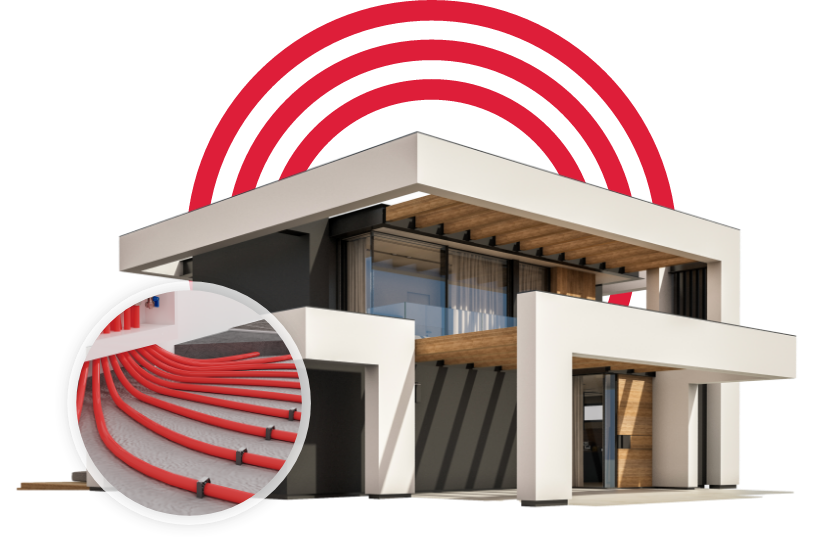






When installing underfloor heating system pipes, careful planning and meticulous documentation are essential. Foundation safety must comply with building codes, ensuring material compatibility and proper thermal expansion considerations. Coordinated installation starts with level ground preparation and accurate sensor placement. Pressure testing is essential for leak detection before flooring installation. Using high-quality materials supports the system’s longevity. Avoid common errors like inadequate insulation or poor documentation. Explore further to discover additional insights and best practices for a successful installation.
Key Takeaways
- Ensure accurate measurements and maintain traceability to prevent installation errors and inefficiencies in the heating system.
- Use high-quality materials and conduct moisture testing to prevent future leaks and ensure system longevity.
- Secure pipes effectively using pipe-positioning foil and anchor mesh to prevent displacement during screed application.
- Conduct thorough pressure testing before flooring installation to identify and rectify potential leaks early on.
- Strategically position sensors for optimal temperature control and incorporate expansion joints to accommodate thermal movement.
Introduction
What critical factors should be considered when installing an underfloor heating system? Foundational safety is paramount, necessitating adherence to building codes and regulations. Material compatibility must also be assessed to ensure the selected pipes and components work synergistically with the floor coverings and insulation. Consideration of thermal expansion is crucial, as materials may expand and contract with temperature fluctuations, potentially compromising system integrity. Additionally, sensor placement should be strategically determined to optimize temperature control and energy efficiency. Finally, planning for long-term maintenance is essential; thorough documentation of the installation layout will facilitate future repairs and troubleshooting, ensuring sustained system performance and reliability.
Careful Planning and Documentation
Effective installation of an underfloor heating system hinges on meticulous planning and thorough documentation. Accurate measurements must be taken to ensure proper layout and installation, as well as to maintain measurement traceability throughout the project. This documentation should reflect the actual pipe layout, including dimensions and placement specifics, to prevent future damage during renovations. The use of quality materials is imperative, as substandard components can compromise system performance and longevity. Furthermore, professional oversight is crucial to validate that all procedures align with established standards, thereby minimizing the risk of errors. By prioritizing careful planning and comprehensive documentation, the likelihood of successful and efficient installation is significantly enhanced.
Coordination and Installation Order
How can proper coordination and installation order enhance the effectiveness of an underfloor heating system? A meticulous approach ensures optimal thermal performance and longevity. Key elements include ground prep, where a clean, level surface is vital, and the strategic sequence of installation. Manifolds should be placed first, followed by pipe securing and wiring routing. Sensor placement is critical for accurate temperature regulation. Expansion joints must be integrated to accommodate thermal movement, preventing potential damage. Below is a table summarizing essential steps in coordination and installation order:
| Step | Action | Purpose |
| 1. Ground Prep | Ensure clean, level surface | Avoid hot/cold spots |
| 2. Manifold Setup | Install distribution components | Facilitate efficient flow |
| 3. Pipe Securing | Fasten pipes securely | Prevent displacement during screed |
| 4. Wiring Routing | Organize electrical connections | Ensure safety and reliability |
| 5. Sensor Placement | Position sensors accurately | Optimize system performance |
Subfloor and Insulation Preparation
Proper subfloor and insulation preparation is fundamental for the successful installation of an underfloor heating system. Inadequate leveling can lead to thermal inefficiencies and potential leakage risks, underscoring the importance of a meticulously prepared substrate. Summary pitfalls include material mismatch, where the insulation must be compatible with the heating system to ensure optimal performance. Additionally, sensor placement is critical; sensors should be positioned to accurately reflect the room’s temperature. To accommodate thermal expansion, designers should incorporate expansion joints, particularly in larger areas. Ensuring proper insulation not only enhances heat distribution but also mitigates the risk of future damage, promoting long-term system reliability. Thus, thorough preparation establishes a robust foundation for the entire underfloor heating system.
Pipe Selection and Layout Precautions
What considerations must be taken into account when selecting pipes and planning their layout for underfloor heating systems? Pipe selection is critical to ensure compatibility with the heating system and floor coverings. Adequate layout precautions must be taken during subfloor prep, ensuring proper insulation alignment to avoid thermal inefficiency. Additionally, the spacing of pipes should reflect the heating demand and room dimensions. Expansion joints are essential in larger areas to accommodate thermal expansion, preventing damage. The following table summarizes key factors in pipe selection and layout:
| Factor | Importance |
| Pipe Material | Affects thermal conductivity |
| Insulation Type | Influences heat retention |
| Layout Design | Ensures even heat distribution |
Securing and Protecting Pipes
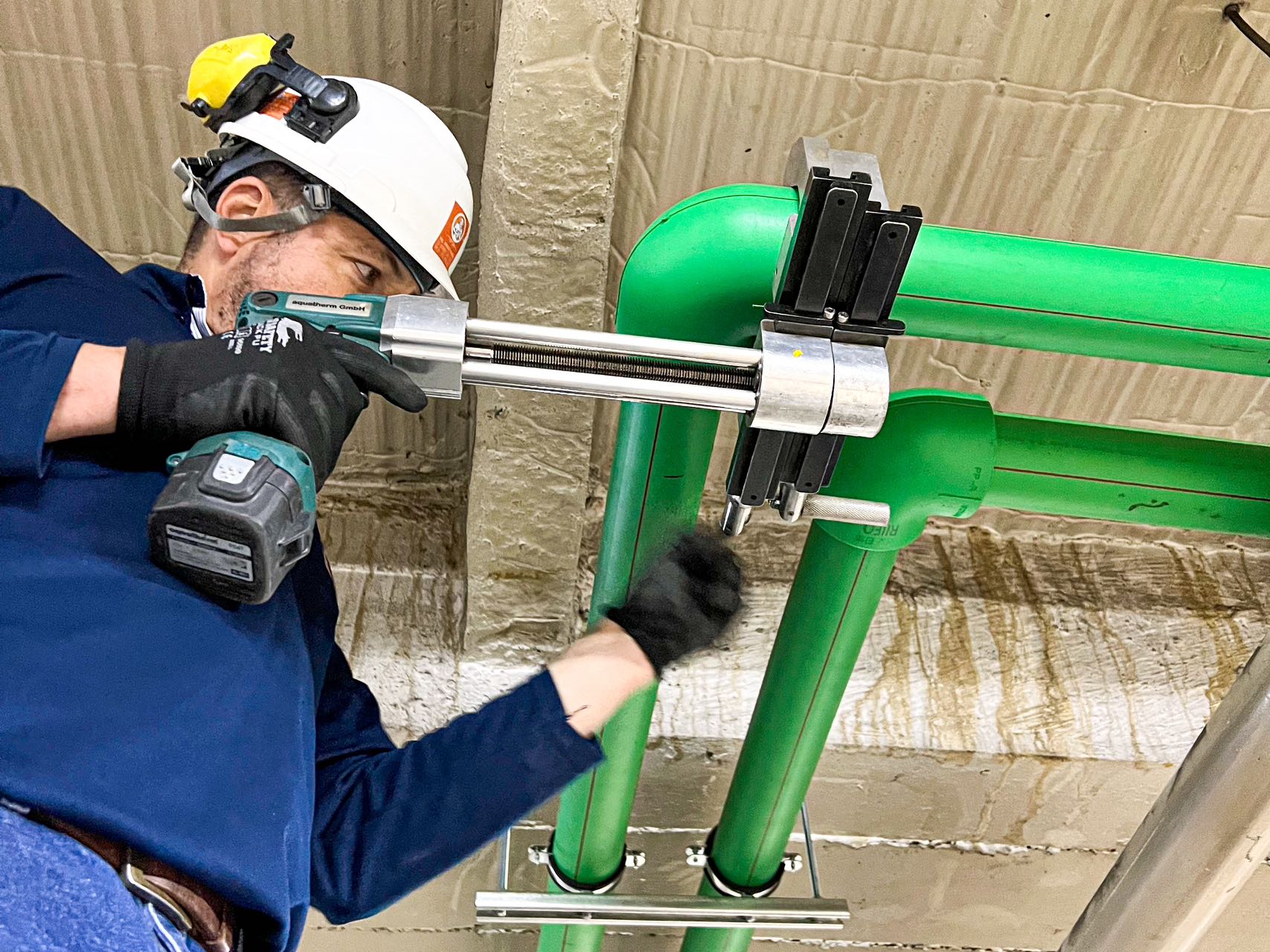
Ensuring the secure placement and protection of pipes in an underfloor heating system is essential for maintaining system integrity and efficiency. Securing pipes involves utilizing pipe-positioning foil combined with anchor mesh on insulation layers. This method provides stability during screed application, preventing displacement. Proper securing layout is critical; pipes must be anchored effectively to eliminate movement risks.
Protecting pipes, particularly copper components, requires additional plastic layers to prevent corrosion, while alternative materials should be considered to avoid direct contact with concrete.
Furthermore, securing insulation appropriately mitigates heat loss, enhancing energy efficiency. By meticulously addressing these aspects, installers can achieve a robust underfloor heating system, minimizing the potential for future maintenance issues.
Expansion Joints and Thermal Movement
The secure placement and protection of pipes are foundational to the longevity and efficiency of an underfloor heating system. Installation must account for thermal movement, which necessitates the incorporation of expansion joints throughout the system. These joints allow for the natural expansion and contraction of pipes, mitigating the risk of stress-induced damage. Thorough layout documentation is essential to ensure proper placement of expansion joints, particularly in large or irregularly shaped spaces. Additionally, substrate leveling is crucial to maintain uniform support for the heating elements, preventing uneven thermal distribution. Effective pipe protection strategies further enhance system resilience against thermal fluctuations, ultimately contributing to a more reliable and efficient underfloor heating installation.
Screed Application and Drying
How can the proper application and drying of screed influence the performance of an underfloor heating system? Correct screed application ensures ideal insulation levels and even heat distribution, greatly impacting the system鈥檚 efficiency. The screed thickness must be consistent and appropriate, accommodating the specified floor height and cable spacing to prevent hot and cold spots. A well-applied moisture barrier is essential to mitigate water ingress, which can compromise the screed and heating elements. Additionally, improper curing of the screed can lead to cracking, potentially damaging the embedded pipes. Consequently, following manufacturer guidelines for drying times is vital to maintain the integrity and performance of the underfloor heating system, ensuring a reliable and effective heating solution.
Flooring Compatibility
Following the proper application and drying of screed, the selection of compatible flooring materials markedly influences the performance of an underfloor heating system. Inappropriate floor coverings can significantly hinder thermal efficiency and system responsiveness.
To ensure optimal performance, the following considerations should be addressed:
- The choice of flooring materials is crucial for maximizing the efficiency of underfloor heating systems.
- Thermal Conductivity: Choose materials with high thermal conductivity to maximize heat transfer.
- Moisture Testing: Conduct moisture testing on substrates to prevent damage and ensure stability.
- Expansion Joints: Integrate expansion joints as necessary to accommodate thermal movement in flooring.
- Electrical Grounding: Ensure proper electrical grounding for smart thermostats and heating components to enhance safety and efficiency.
Attention to these factors will support a reliable and effective underfloor heating system.
Pressure Testing and Commissioning
Why is pressure testing and commissioning essential for underfloor heating systems? This process ensures the integrity and functionality of the system before flooring installation. Conducting pressure tests with water verifies that no leaks are present, while documenting system performance is crucial for future maintenance. The pressure testing phase identifies potential issues, allowing for immediate rectification before the screed is applied. Commissioning further involves validating heat distribution and ensuring that the system operates according to design specifications. Proper pressure management, coupled with thorough commissioning, enhances system reliability and longevity, minimizing the risk of post-installation failures. Employing rigorous pressure testing techniques, detailed documentation, and systematic commissioning protocols ultimately guarantees optimal performance and energy efficiency in underfloor heating systems.
Intelligent Control and Zoning
What constitutes effective intelligent control and zoning in underfloor heating systems? The integration of advanced control systems enhances energy efficiency and occupant comfort. Key considerations include:
- Pre-install inspection: Ensuring all components are suitable and correctly positioned before installation.
- Moisture barriers: Properly placed barriers protect the system from water damage, crucial for sensor longevity.
- Cord routing: Organized cable management minimizes interference and facilitates maintenance while maintaining aesthetic appeal.
- Alarm placement: Strategically located alarms monitor system performance and detect failures early, enhancing reliability.
Additionally, color coding of wires can simplify troubleshooting and future modifications. By addressing these elements, one can achieve a highly responsive and efficient underfloor heating system tailored to specific residential or commercial environments.
Common Mistakes to Avoid
Understanding the common mistakes to avoid during the installation of underfloor heating systems is vital for ensuring peak performance and longevity. One significant error is neglecting thorough documentation, which serves as a roadmap for future maintenance and troubleshooting. Inaccurate installation measurements, such as improper spacing and depth, lead to inefficient heating and potential damage. The use of substandard materials can compromise system reliability, while improper insulation jeopardizes heat distribution. Additionally, failing to pressure test systems can result in costly leaks. Addressing these issues, rather than diverting attention to irrelevant topics or unrelated concepts, is essential. Avoiding stray thoughts regarding off-topic ideas and non-applicable notions will enhance the overall effectiveness of the installation process.
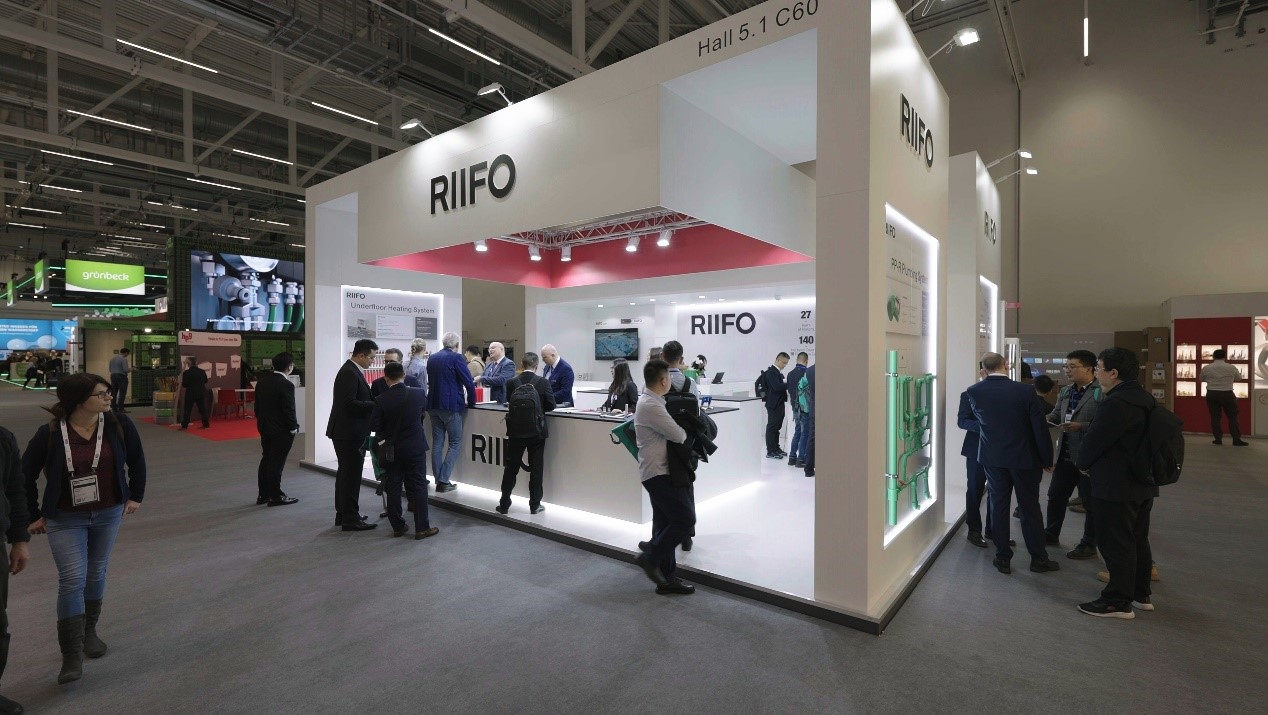
Riifo Product Advantage
How can consumers ensure the reliability and efficiency of their underfloor heating systems? Selecting Riifo products offers distinct advantages that address common installation concerns without veering into irrelevant topics or unrelated concepts. Key benefits include:
- 25-Year Warranty: Assurance of long-term reliability and quality.
- Product Liability Insurance: Protection of legal rights, reflecting a commitment to safety.
- Local Warehouse Convenience: Quick access to products, minimizing wait times and enhancing customer service.
- North America Focus: Tailored solutions that meet regional needs and logistics.
These features eliminate extraneous notions regarding product reliability, ensuring that consumers receive optimal performance from their systems. Riifo’s dedication to quality and customer satisfaction mitigates the risk of potential failures linked to unused subjects or off-topic ideas.
Frequently Asked Questions
# What Are the Best Practices for Maintaining Underfloor Heating Systems?
Effective maintenance tips for underfloor heating systems include regular system inspections, ensuring optimal insulation efficiency, monitoring heat distribution, and implementing strategies to enhance pipe longevity. These practices are essential for sustaining performance and reliability over time.
# How Can I Troubleshoot Underfloor Heating Performance Issues?
To troubleshoot underfloor heating performance issues, one should focus on detecting leaks, bleeding air from the system, calibrating thermostats accurately, balancing zones effectively, and conducting pressure tests to ensure optimum operation and efficiency.
# What Types of Flooring Are Most Compatible With Underfloor Heating?
Flooring types compatible with underfloor heating include tile, stone, and certain engineered woods. Installation considerations necessitate a materials compatibility check to ensure optimal heat transfer and system efficiency, minimizing potential performance issues during operation.
# How Do I Choose the Right Thermostat for My System?
Choosing the right thermostat involves evaluating thermostat compatibility with the heating system, ensuring optimal sensor placement, implementing effective zoning strategies, performing power load calculations, and utilizing advanced thermostat programming to enhance energy efficiency and comfort.
# What Should I Do if My Underfloor Heating System Fails?
Upon failure, 70% of underfloor heating issues stem from faulty wiring or leaks. Conduct leak inspections, perform insulation checks, address pump alerts, and verify zone valves to restore system functionality efficiently and effectively.
Conclusion
In conclusion, meticulous attention to detail is paramount when installing underfloor heating system pipes. A staggering 70% of underfloor heating failures stem from improper installation practices, underscoring the necessity of adhering to recommended precautions. By prioritizing careful planning, accurate measurements, and thorough documentation, installers significantly enhance the system’s efficiency and longevity. Ultimately, a well-executed installation not only prevents future complications but also creates a consistently warm and comfortable living environment for occupants.