








Selecting piping for commercial gas systems involves various crucial factors. Material performance must align with operating pressure, temperature, and corrosion environments. Consideration for weldability, installation ease, and regulatory compliance is imperative. Common materials include carbon steel, stainless steel, and multilayer piping systems, each with specific characteristics. The choice directly impacts safety, longevity, and operational efficiency. Understanding these dynamics is essential for informed decisions. Further insights on application considerations and material benefits await exploration.
Key Takeaways
- Consider operating pressure and temperature to ensure material performance and system integrity in commercial gas systems.
- Evaluate corrosion resistance based on environmental exposure to prolong the lifespan of piping materials.
- Assess weldability to maintain joint integrity and facilitate ease of installation during piping assembly.
- Comply with regulatory standards and safety guidelines to prevent leaks and structural failures in gas systems.
- Explore multilayer piping options, like Riifo, for enhanced reliability, flexibility, and reduced maintenance requirements.
Introduction
The selection of appropriate piping materials is critical in commercial gas projects, as it directly impacts system safety, reliability, and operational efficiency.
Inadequate material choices can lead to significant risks, including leaks, structural failures, and compliance issues with industry standards.
Hence, a thorough understanding of material properties and application requirements is essential to mitigate these risks effectively.
Why correct piping choice is crucial in commercial gas projects?
How critical is the selection of piping materials in ensuring the safety and efficiency of commercial gas systems? The choice of piping directly impacts operational integrity, cost-effectiveness, and longevity. A well-consired selection aligns with specific project requirements, notably:
- Temperature strategy: Materials must withstand operational temperatures without degradation.
- Pressure envelopes: Piping must accommodate the expected pressure conditions to prevent failures.
- Welding procedures: Compatibility with welding processes ensures structural integrity and minimizes defects.
- Corrosion environments: Resistance to corrosive agents is essential for maintaining system reliability and safety.
Common risks of poor material selection
Poor material selection in commercial gas systems can lead to significant operational risks, including leaks, failures, and safety hazards. The improper choice of piping materials may compromise the integrity of the supply chain, resulting in increased maintenance costs and potential downtime. Inadequate fatigue analysis can exacerbate issues, particularly in high-stress environments, increasing the likelihood of catastrophic failures. Furthermore, the absence of appropriate color coding in system design may lead to confusion during maintenance, complicating emergency shutoff procedures. Utilizing advanced solutions like nanocoatings can mitigate some risks associated with corrosion and wear, yet they cannot substitute for sound material selection. Ultimately, the repercussions of poor choices can jeopardize system safety and reliability, necessitating meticulous evaluation during the selection process.
Key Factors in Gas Piping Material Selection
When selecting materials for gas piping, several critical factors must be considered, including operating pressure and temperature, corrosion resistance, and overall strength.
Additionally, installation ease and maintenance requirements play a significant role in the decision-making process, alongside adherence to regulatory compliance and safety standards.
Analyzing these elements ensures the selection of appropriate materials that meet operational demands and enhance system reliability.
Operating Pressure & Temperature
Determining the appropriate piping material for commercial gas systems requires careful consideration of operating pressure and temperature, as these factors substantially influence material performance and safety. A thorough temperature assessment and evaluation of the pressure envelope are critical to ensure the selected material meets operational demands.
Key considerations include:
- Material durability: Essential for maintaining integrity under varying conditions.
- Corrosion nuance: Understanding the potential for degradation in specific environments is vital.
- Weldability criteria: Different materials exhibit varying ease of welding, affecting installation quality.
- Mechanical properties: High-pressure and high-temperature applications necessitate materials with enhanced strength characteristics.
These factors collectively guide engineers in selecting suitable piping materials that ensure reliable gas transport while adhering to safety standards.
Corrosion & Environmental Resistance
How can the choice of piping material considerably impact corrosion resistance and environmental durability in commercial gas systems? Selecting the appropriate material is critical to mitigating specific corrosion mechanisms, particularly in aggressive environments such as sour service or high-chloride areas. Factors such as temperature compatibility influence the effectiveness of corrosion-resistant alloys and coatings, which can significantly enhance the material lifecycle. Additionally, weldability challenges must be addressed to ensure the integrity of joints, as improper welding can lead to localized corrosion. Implementing effective coating protocols can further protect against corrosion while maintaining system reliability. A thorough understanding of these parameters ensures the longevity and safety of gas systems, ultimately influencing maintenance requirements and operational efficiency.
Strength & Service Life
What factors contribute to the strength and service life of piping materials in commercial gas systems? The selection process hinges on specific characteristics that ensure operational reliability and longevity.
Key considerations include:
- Temperature stability: Essential for maintaining functionality across varying thermal conditions.
- Yield strength: Critical in high-pressure applications, influencing the material’s ability to withstand stress without deformation.
- Weldability considerations: Important for ensuring joint integrity and minimizing fabrication complications.
- Corrosion environments: Material choice must address potential corrosive agents to prevent premature degradation.
These factors collectively inform the choice of materials such as carbon steel, stainless steel, or specialized alloys, ensuring that the piping system meets both performance and safety standards throughout its intended service life.
Installation & Maintenance
When evaluating the installation and maintenance aspects of piping materials for commercial gas systems, several critical factors emerge that markedly influence performance and longevity. Temperature considerations dictate the selection of materials capable of withstanding operational extremes without compromising integrity.
Corrosion resistance is essential to prevent degradation in aggressive environments, necessitating the use of appropriate coatings or alloys.
Weldability guidelines play a pivotal role in ensuring joint integrity, particularly when working with materials like duplex stainless steel that require controlled welding procedures.
Additionally, material strength must be aligned with system demands to prevent failure.
Finally, fabrication challenges can impact installation efficiency, making it imperative to assess the ease of handling and assembling chosen materials within the project scope.
Regulatory Compliance & Safety
Ensuring compliance with regulatory standards is paramount in the selection of piping materials for commercial gas systems. Adherence to these standards not only guarantees safety but also optimizes system performance.
Key considerations include:
- Flexibility constraints that may affect installation layouts.
- Strict welding procedures that must be followed to ensure joint integrity and system reliability.
- Appropriate CRA selection for corrosive environments, ensuring long-term durability.
- Ensuring coating compatibility to mitigate corrosion risks in various conditions.
Moreover, proper erection sequencing must be planned to accommodate material properties and industry regulations. Overall, understanding these factors is essential for achieving compliance while maximizing safety and efficiency in gas systems.
Common Materials Used in Commercial Gas Systems
The selection of materials for commercial gas systems encompasses a range of options, including various forms of steel, polyethylene, and multilayer systems. Carbon, galvanized, and stainless steel pipes offer distinct advantages in terms of strength and durability, while polyethylene (PE) provides flexibility and corrosion resistance. Additionally, multilayer piping systems, such as PEX-AL-PEX and Riifo Gas Piping, present innovative solutions that combine the benefits of different materials to enhance performance in diverse applications.
# Steel (Carbon, Galvanised, Stainless)
What factors contribute to the selection of steel materials in commercial gas systems? The choice of steel—carbon, galvanised, or stainless—depends on critical considerations that ensure optimal performance and safety in gas transport.
- Temperature considerations dictate material behavior under varying thermal conditions.
- Pressure envelopes necessitate materials with high yield strength for effective containment.
- Corrosion environments require careful selection to prevent deterioration, especially in aggressive media.
- Weldability concerns and fabrication challenges influence the ease of installation and long-term joint integrity.
Each of these factors plays a pivotal role in determining the appropriate steel type, ensuring that the piping system meets stringent operational standards while maintaining reliability throughout its lifecycle.
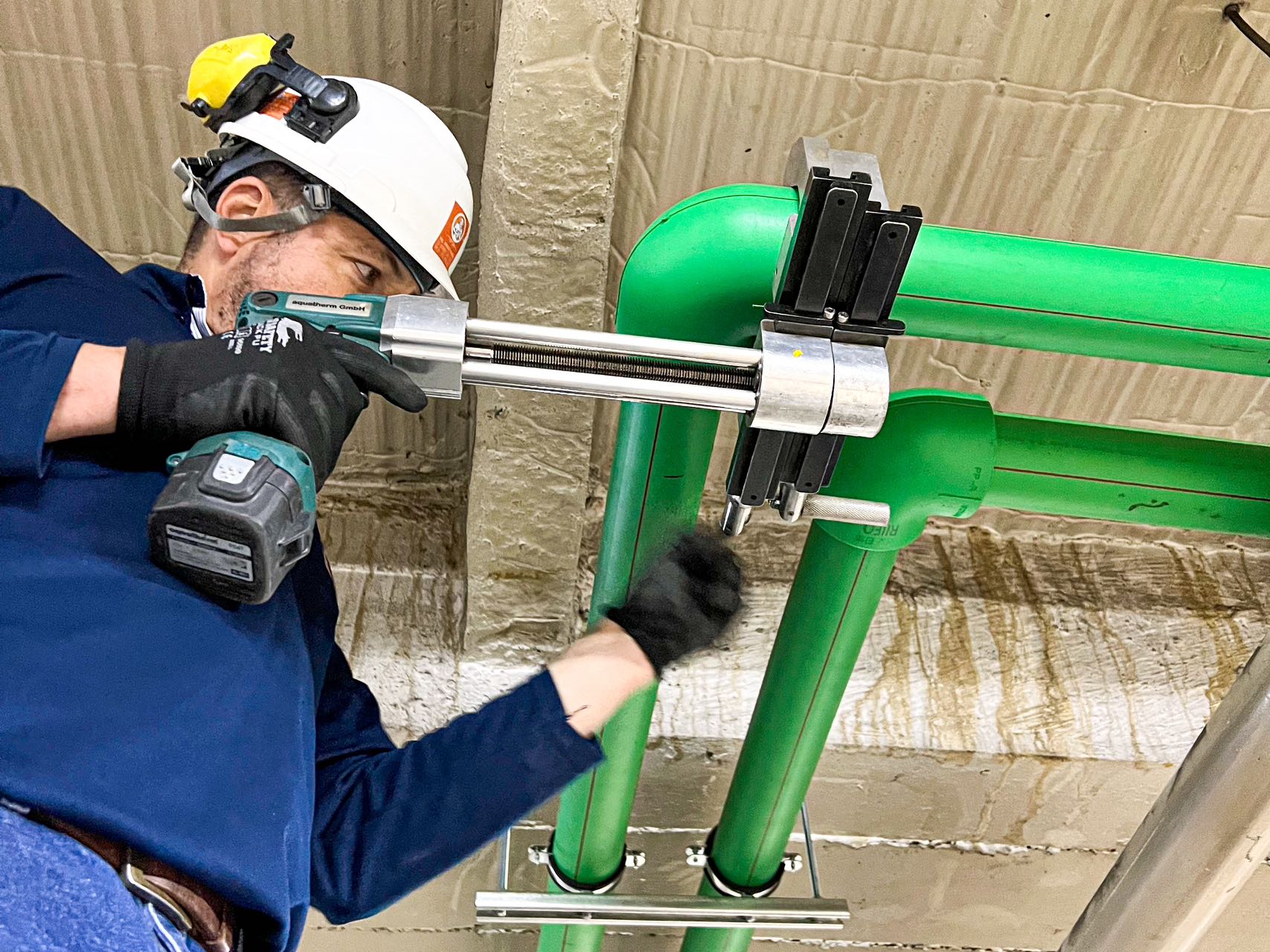
# Multilayer (PEX-AL-PEX, Riifo Gas Piping System)
How does the multilayer piping system, such as PEX-AL-PEX, enhance the performance of commercial gas systems? This innovative structure combines the benefits of plastic and metal, ensuring superior performance in various applications.
Key advantages include:
- Vibration Damping: Reduces noise and stress on joints, prolonging system life.
- Thermal Expansion Management: Minimizes expansion issues, maintaining joint integrity across temperature variations.
- Chemical Compatibility: Resists degradation from aggressive gases and ensures system reliability.
- Flow Optimization: Smooth inner surfaces enhance gas flow efficiency, reducing pressure drops.
Utilizing PEX-AL-PEX systems can significantly improve operational efficiency, ensuring safe and reliable gas transport in commercial environments. These characteristics make multilayer piping a compelling choice for modern gas systems.
Application Considerations for Commercial Projects
When considering the application of piping materials for commercial gas projects, the intricacies of system requirements become paramount. Critical factors include temperature routing, which must align with the thermal behavior of the selected materials, particularly in high-pressure environments. Similarly, pressure envelopes dictate material strength and integrity, necessitating careful evaluation of weldability challenges when joining components. For applications involving cryogenic compatibility, materials must exhibit resilience against extreme conditions to prevent failure. Corrosion allowance optimization is also essential, as it ensures long-term durability and mitigates maintenance concerns. Ultimately, a comprehensive understanding of these considerations is vital for engineers and project managers to select the most appropriate piping solutions that meet safety and performance standards in commercial gas systems.
Cost and Lifecycle Assessment
What factors must be considered in the cost and lifecycle assessment of piping materials for commercial gas systems? Evaluating these elements is crucial for optimizing performance and minimizing long-term expenses.
Key considerations include:
- Corrosion strategy: Material selection must account for environmental factors that contribute to degradation.
- Coating selection: Protective coatings can significantly enhance lifespan and reduce maintenance costs.
- Weld procedure: The complexity of welding techniques affects installation efficiency and future repair needs.
- Material failure: Anticipating potential failures through material testing informs risk management and economic planning.
Integrating lifecycle economics into decision-making ensures that initial costs are balanced against durability and maintenance, ultimately leading to more sustainable and cost-effective operational outcomes.
Why Riifo Multilayer Gas Piping is the Ideal Choice
Why is Riifo multilayer gas piping considered the ideal choice for commercial applications? This piping solution is backed by a robust 25-year warranty that ensures long-term reliability, enhancing customer confidence in its performance.
Furthermore, Riifo provides comprehensive product liability insurance, safeguarding customers’ legal rights and reflecting the company’s commitment to safety and quality.
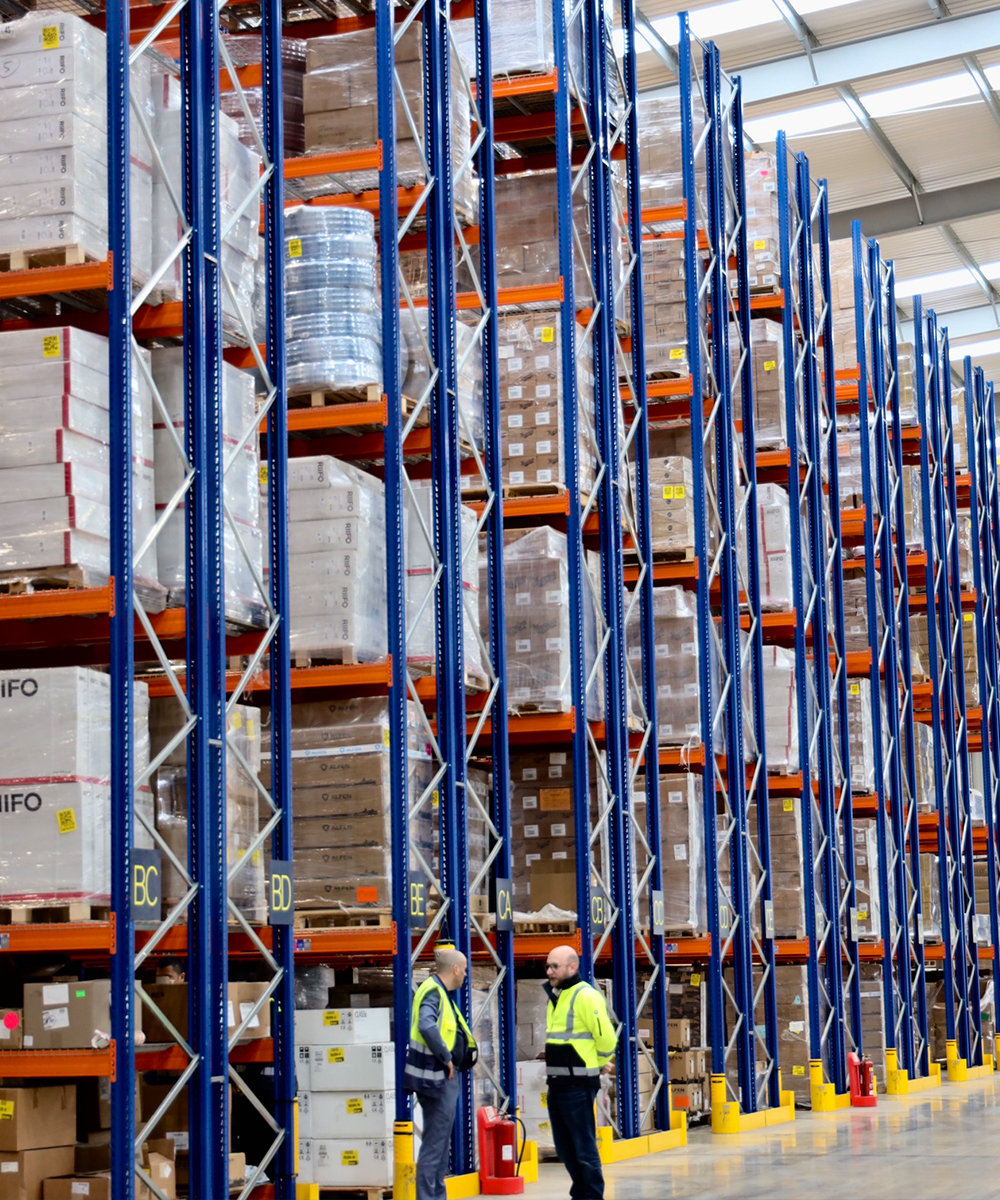
The establishment of a local warehouse facilitates convenient access to products, minimizing wait times and thereby improving the overall customer experience.
Focused on the North American market, Riifo meets regional demands effectively, ensuring logistical efficiency.
Collectively, these factors demonstrate Riifo’s dedication to customer satisfaction, positioning its multilayer gas piping as an optimal solution for commercial gas systems.
Frequently Asked Questions
How Do Weather Conditions Affect Gas Piping Installation?
Weather conditions considerably influence gas piping installation; weather changes affect temperature grading, while wind erosion can undermine soil stability. Additionally, humidity effects and precipitation impacts may complicate excavation and installation processes, necessitating careful planning and execution.
What Are the Environmental Impacts of Different Piping Materials?
Environmental impacts of piping materials encompass lifecycle emissions, sustainability assessments, and production footprints. Evaluating recyclability informs material selection, influencing ecological footprints and long-term viability, essential for optimizing performance while minimizing adverse environmental effects.
Are There Specific Certifications Required for Gas Piping Installers?
Certified installers of gas piping must complete training programs and adhere to license requirements. Ongoing continuing education ensures compliance with evolving standards, reinforcing their expertise and maintaining safety in gas system installations across various applications.
What Are the Common Mistakes to Avoid During Installation?
Common mistakes during installation include neglecting code compliance, overlooking material compatibility, insufficient leak detection measures, and inadequate attention to installation safety protocols. Addressing these factors is essential for ensuring system integrity and operational reliability.
How Can I Ensure the Long-Term Reliability of My Gas Piping System?
Ensuring long-term reliability of gas piping requires meticulous attention to material compatibility, proactive corrosion prevention, regular system maintenance, and effective leak detection strategies, creating a robust framework that safeguards against failures and extends operational lifespan.
Conclusion
In the intricate tapestry of commercial gas systems, the selection of piping material emerges as a pivotal thread, weaving together safety, efficiency, and compliance. As industry professionals navigate the labyrinth of choices, understanding the nuanced interplay of factors—such as temperature, pressure, and corrosion resistance—becomes paramount. Ultimately, embracing innovative solutions like Riifo multilayer gas piping may not only enhance system performance but also fortify the resilience of gas infrastructure against the test of time, securing a sustainable future.