HDPE pipes, crafted from high-density polyethylene, are valued for their exceptional durability, corrosion resistance, and lightweight nature. They feature advanced jointing methods, such as butt fusion, ensuring leak-proof connections. Their applications span various sectors, including construction, agriculture, and utilities, showcasing versatility and environmental sustainability. With a service life exceeding 50 years and recyclability, HDPE pipes contribute markedly to eco-friendly initiatives. To uncover more about the extensive benefits and specific applications, additional insights await.
Key Takeaways
- HDPE pipes are widely used for their durability, chemical resistance, and lightweight design, making them suitable for various industries.
- Advanced jointing techniques like butt fusion and electrofusion create leak-proof connections, enhancing system reliability.
- These pipes are environmentally friendly, recyclable, and have low maintenance costs, supporting sustainable practices.
- HDPE offers superior strength-to-density ratios compared to other materials, providing flexibility and ease of installation.
- Ideal for applications in construction, agriculture, mining, energy, and telecommunications due to their resilience and long service life.
Introduction
High-Density Polyethylene (HDPE) pipes are increasingly favored across various industries due to their superior durability, chemical resistance, and lightweight properties. The material’s ability to withstand harsh environmental conditions and its versatility in applications—from water supply to gas distribution—contribute to its growing adoption.
Additionally, the environmental benefits of recyclability and lower long-term maintenance costs enhance HDPE’s appeal in modern infrastructure solutions.
Why HDPE is gaining popularity across industries
The increasing adoption of HDPE pipes across various industries can be attributed to their superior properties and performance characteristics. Their flexibility and lightweight nature facilitate advanced pipe jointing techniques, such as butt fusion and electrofusion, which ensure leak-proof connections.
Additionally, innovative installation techniques minimize labor costs and enhance efficiency. HDPE’s resistance to environmental factors and chemicals contributes to its longevity, while its recyclability aligns with growing sustainability demands, notably reducing environmental impact.
Moreover, material certification guarantees adherence to international standards, ensuring reliability and safety in critical applications. These attributes collectively position HDPE as a preferred choice for water supply, gas transportation, and industrial applications, meeting both functional and environmental requirements
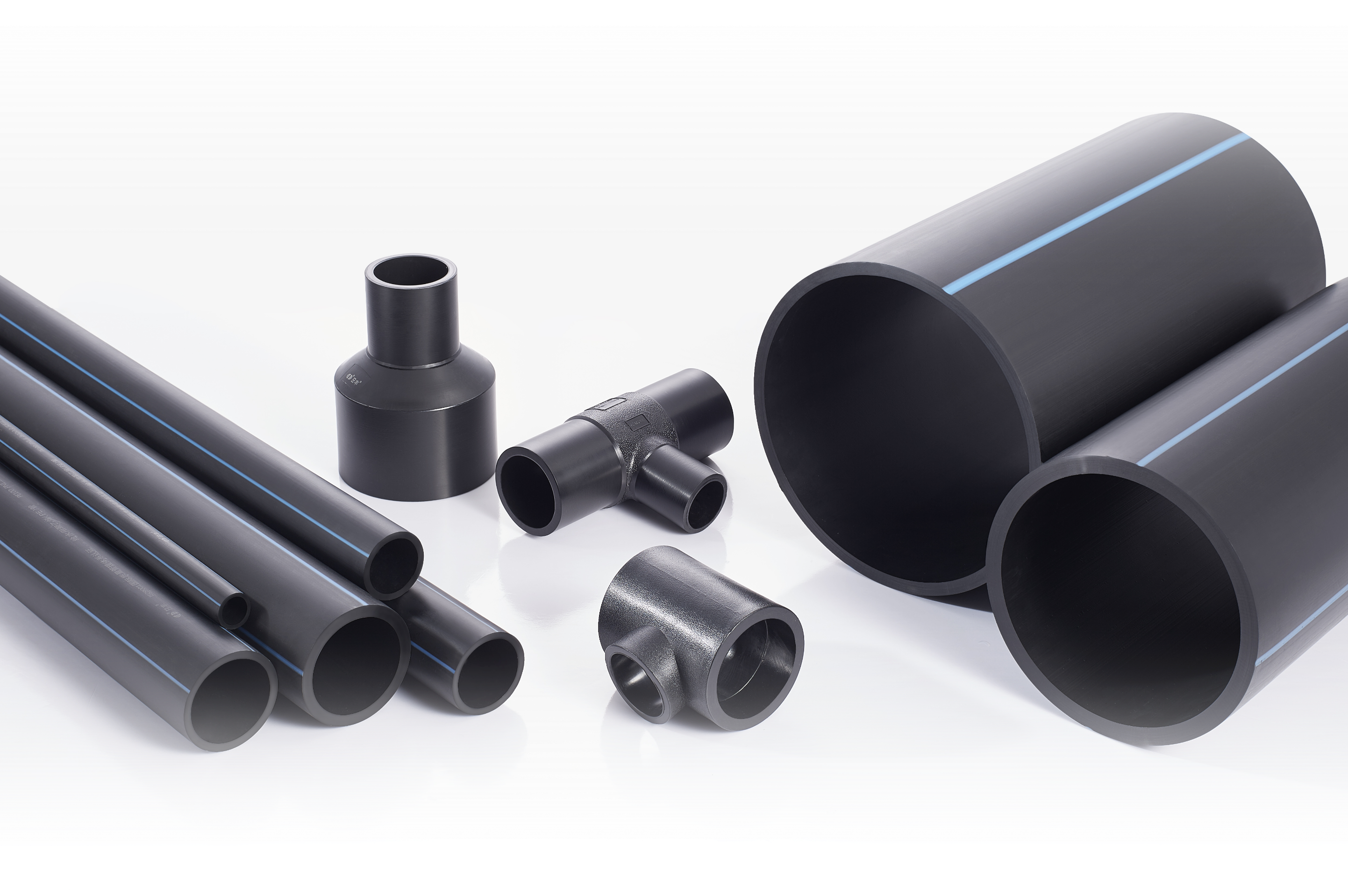
What is HDPE and How Are HDPE Pipes Made?
High-Density Polyethylene (HDPE) is a thermoplastic polymer characterized by its high strength-to-density ratio and excellent chemical resistance, distinguishing it from other materials such as polyethylene (PE), polyvinyl chloride (PVC), and cast iron.
The manufacturing process of HDPE involves polymerization of ethylene monomers, resulting in a material that can withstand elevated temperatures and harsh environments, with classifications such as PE4710 and PE100-RC defining its performance standards.
These properties contribute to the versatility and reliability of HDPE pipes in various applications, ensuring durability and longevity across multiple sectors.
Definition of HDPE and how it compares to PE, PVC, and cast iron.
What sets HDPE apart in the domain of thermoplastic materials is its unique composition and properties. High-Density Polyethylene (HDPE) is distinguished by its superior strength-to-density ratio compared to Polyethylene (PE) and Low-Density Polyethylene (LDPE), making it suitable for rigorous applications.
In contrast to Polyvinyl Chloride (PVC), which is rigid, HDPE offers enhanced flexibility, facilitating easier installation and reduced manufacturing costs.
When compared to cast iron, HDPE’s lightweight nature enables simpler handling and installation, notably lowering installation costs.
Moreover, HDPE exhibits remarkable resistance to environmental factors, enhancing its durability and contributing to minimal environmental impact.
With established recycling protocols and adherence to HDPE pipe standards, it supports sustainable practices, reinforcing its position as a preferred choice in modern piping systems.
Key properties of HDPE material (density, structure, temperature tolerance).
Characterized by its distinct molecular structure, HDPE possesses a high strength-to-density ratio that enhances its performance in various applications. This thermoplastic material typically exhibits a density range of 0.93 to 0.97 g/cm³, which contributes to its lightweight nature while maintaining robustness.
Temperature tolerance is another key property, with HDPE capable of withstanding temperatures up to 80°C, making it suitable for a variety of environments.
Its environmental impact is minimized through effective recycling techniques, aligning with growing market demands for sustainability. Compliance with regulatory standards ensures its reliability in critical applications.
Additionally, ongoing technological innovations continue to improve HDPE properties, facilitating market growth and expanding its applicability across diverse sectors.
Manufacturing process and PE classifications (e.g., PE4710, PE100-RC).
The manufacturing process of HDPE pipes involves the polymerization of ethylene monomers, which creates a thermoplastic polymer with exceptional strength and flexibility. This process is followed by extrusion, where the molten HDPE is shaped into pipes.
Various PE classifications, such as PE4710 and PE100-RC, denote the material’s pressure rating and resistance to slow crack growth, ensuring compliance with stringent quality standards.
The pipes are designed for efficient installation, accommodating jointing methods like butt fusion and electrofusion, which facilitate leak-proof connections. Additionally, advanced installation tools aid in pipe bending and alignment, enhancing the overall integrity of the system.
These manufacturing techniques contribute to HDPE pipes’ durability and suitability for diverse applications.
Key Features and Benefits of HDPE Pipes
HDPE pipes exhibit exceptional corrosion and chemical resistance, making them suitable for diverse applications in harsh environments.
Their leak-free joints, achieved through advanced heat fusion techniques, enhance system integrity and reliability.
Additionally, the lightweight nature and flexibility of HDPE facilitate ease of installation, while UV and abrasion resistance contribute to their longevity and performance in outdoor settings.
# Corrosion and Chemical Resistance
A remarkable feature of HDPE pipes is their exceptional corrosion and chemical resistance, which makes them highly suitable for a wide range of applications.
The inherent chemical durability of HDPE results from its molecular structure, which employs robust resistance mechanisms, allowing the material to withstand aggressive substances, including acids and alkalis, without the need for protective coatings. This property not only enhances corrosion prevention but also considerably reduces maintenance costs associated with traditional piping materials.
Additionally, HDPE’s resilience contributes positively to the environmental impact by minimizing the risk of leakage and contamination. Its longevity further supports sustainable practices, ensuring that infrastructure investments yield long-term benefits while mitigating environmental degradation.
# Leak-Free Joints via Heat Fusion
Maximizing the integrity of piping systems is achieved through the implementation of leak-free joints via heat fusion techniques. These advanced fusion methods ensure superior joint integrity, which is critical for reliable HDPE pipe systems.
The following benefits highlight the importance of heat fusion in achieving paramount performance:
- Leak Prevention: Eliminates potential failure points in piping systems.
- Welding Quality: Ensures consistent and robust connections that withstand pressure fluctuations.
- Joint Integrity: Creates homogeneous joints that maintain the physical properties of the pipe.
- Durability: Enhances the longevity of the installation by minimizing maintenance needs.
- Compatibility: Suitable for various HDPE pipe sizes and configurations, ensuring flexible applications.
These attributes collectively underscore the significance of heat fusion in modern piping solutions.
# Flexibility and Impact Resistance
When considering the essential characteristics of modern piping materials, flexibility and impact resistance emerge as significant advantages of high-density polyethylene (HDPE) pipes.
HDPE pipes exhibit remarkable flexibility, accommodating various installation techniques that reduce the necessity for fittings and align with evolving market trends favoring efficiency.
Their superior impact resistance enables them to withstand harsh environmental conditions, ensuring compliance with stringent regulatory standards.
Additionally, HDPE’s resilience contributes to a lower environmental impact, as it minimizes the risk of leaks and failures.
The availability of diverse pipe color options further enhances their applicability across different sectors, allowing for customized solutions that meet specific project requirements while maintaining structural integrity and performance over extended service periods.
# Lightweight and Easy to Install
Although many piping materials present challenges related to weight and installation complexity, HDPE pipes stand out due to their lightweight nature and ease of installation. This characteristic not only facilitates efficient handling but also notably reduces labor costs.
The adoption of HDPE pipes aligns with current market trends focused on sustainability and regulatory standards, minimizing environmental impact. Key benefits include:
- Simplified transportation due to reduced weight
- Faster installation processes, enhancing project timelines
- Compatibility with custom fabrication for specific applications
- Improved recycling processes, supporting circular economy initiatives
- Compliance with stringent regulatory standards, ensuring safety and reliability
The combination of these features renders HDPE pipes an ideal choice for diverse applications across various industries.
# UV and Abrasion Resistance
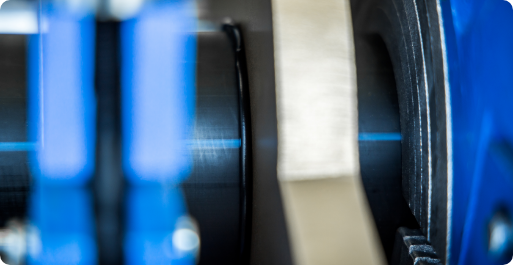
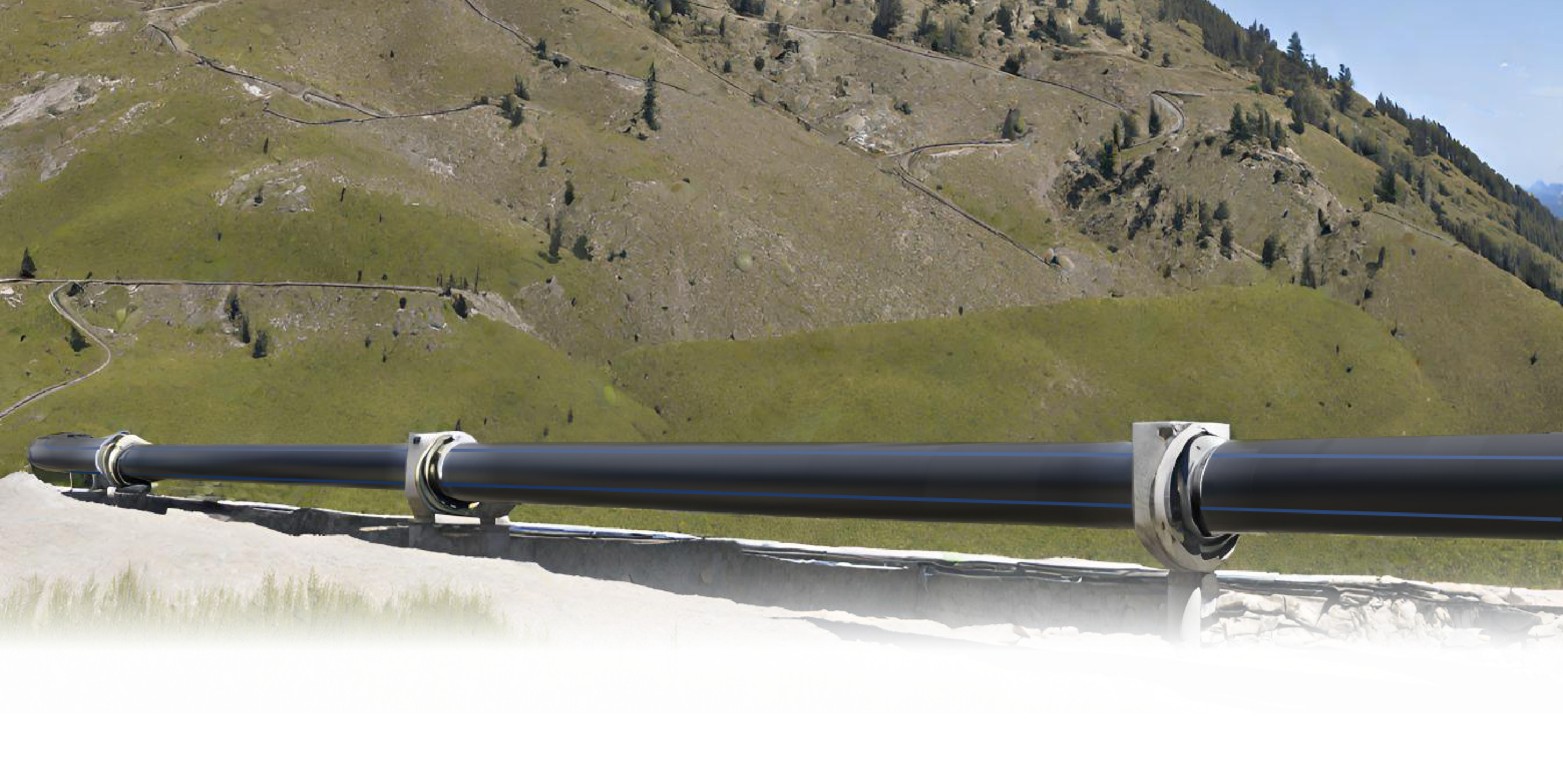
HDPE pipes exhibit exceptional UV and abrasion resistance, making them suitable for outdoor applications and environments subject to wear and tear. Their inherent UV stability guarantees minimal degradation when exposed to sunlight, maintaining structural integrity over extended periods. This weatherproof property is critical for installations in harsh climates, where environmental exposure can compromise the performance of inferior materials.
Additionally, HDPE’s abrasion resistance allows it to withstand mechanical wear from soil movement, gravel, and other abrasive elements. These characteristics contribute to outdoor durability, facilitating reliable operation in diverse applications such as irrigation, drainage, and gas distribution.
Consequently, HDPE pipes effectively combine longevity with resilience, providing a robust solution for challenging environmental conditions.
# Longevity and Recyclability
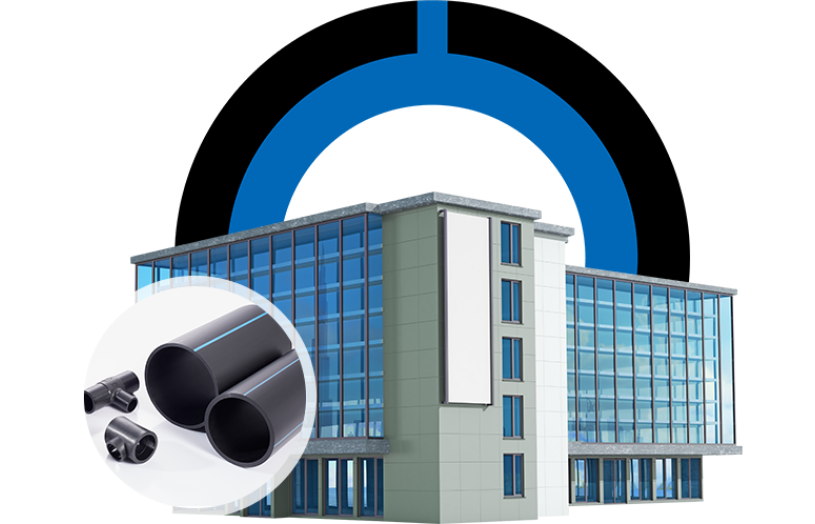
The longevity and recyclability of HDPE pipes represent significant advantages in modern infrastructure applications. These pipes are engineered for extended service life, typically exceeding 50 years with minimal maintenance, thus reducing overall lifecycle costs.
Moreover, their recyclability enhances sustainability benefits, aligning with contemporary waste management strategies.
Key features include:
- Durable material that withstands harsh environmental conditions.
- Recycling processes that allow for repurposing without loss of quality.
- Various reuse methods, including remanufacturing into new products.
- Reduced environmental impact, supporting eco-friendly construction practices.
- Contribution to sustainability, promoting a circular economy in the piping industry.
These factors position HDPE pipes as a leading solution in sustainable infrastructure development.
# High Pressure and Temperature Endurance
High-pressure and temperature endurance are critical attributes of HDPE pipes, facilitating their use in a variety of demanding applications. These pipes exhibit superior pressure ratings, enabling them to withstand significant internal and external pressures without deformation.
Their excellent heat fusion capabilities ensure robust, leak-proof joints, which are essential in high-pressure environments. Additionally, HDPE pipes possess favorable thermal expansion characteristics, allowing them to accommodate temperature fluctuations without compromising structural integrity.
The insulation properties of HDPE contribute to minimized thermal conductivity, reducing energy losses in fluid transport. This combination of features makes HDPE pipes an ideal choice for industries requiring reliable performance under extreme pressure and temperature conditions, ensuring enhanced system longevity and operational efficiency.
Main Application Fields of HDPE Pipes
HDPE pipes are extensively utilized across various sectors due to their superior durability and chemical resistance.
In municipal and civil infrastructure, they serve essential roles in water supply and sewerage systems.
In industrial applications, they facilitate the transport of slurries and hazardous materials.
Additionally, HDPE pipes are integral to agricultural irrigation and energy sectors, demonstrating versatility in addressing diverse operational requirements.
Municipal and Civil Infrastructure
In municipal and civil infrastructure, the utilization of HDPE pipes has become increasingly prevalent due to their superior durability and chemical resistance. These pipes play a pivotal role in urban planning and infrastructure modernization, enhancing water conservation and public health initiatives.
Key attributes include:
- Flexibility: Allows for adaptable installation, accommodating urban topography.
- Chemical Resistance: Ensures longevity in diverse environmental conditions.
- Leak-proof Connections: Promotes efficient water management and climate resilience.
- Lightweight Nature: Facilitates transportation and installation, reducing labor costs.
- Recyclability: Supports sustainable practices within municipal projects.
The integration of HDPE pipes considerably contributes to the robustness and sustainability of urban infrastructure, addressing the challenges posed by climate change and population growth.
Industrial and Process Applications
How do industrial sectors leverage the unique properties of HDPE pipes in their operations? Industries utilize HDPE pipes for their exceptional chemical resistance, durability, and flexibility, which meet stringent quality standards across various applications.
Installation techniques such as butt fusion and electrofusion ensure leak-proof connections, enhancing system reliability. The lightweight nature of HDPE facilitates ease of transportation and installation, minimizing labor costs and environmental impact.
Market trends indicate a growing preference for HDPE due to its recyclability and long service life, aligning with sustainability goals. Additionally, safety considerations are paramount; HDPE pipes are resistant to corrosion and adverse environmental conditions, making them ideal for transporting hazardous materials while maintaining operational integrity.
Agricultural Irrigation
Utilization of HDPE pipes in agricultural irrigation exemplifies their versatility and efficiency across various sectors. These pipes are increasingly favored due to their sustainable manufacturing innovations and minimal environmental impact.
Key features include:
- Compliance with regulatory standards ensuring safe agricultural practices.
- Advanced installation techniques that facilitate quick and efficient deployment.
- Excellent resistance to chemicals and UV radiation, extending service life.
- Flexibility that accommodates varied terrain, reducing the need for fittings.
- Contribution to market growth by enabling efficient water management in farming.
The integration of HDPE pipes into irrigation systems not only enhances productivity but also supports sustainable agricultural practices, making them an essential component in modern farming infrastructure.
Mining and Slurry Transport
While mining operations demand robust and reliable infrastructure, HDPE pipes have emerged as a preferred solution for slurry transport due to their exceptional properties. These pipes exhibit remarkable chemical resistance and durability, fulfilling rigorous industry regulations and pipe standards. They are lightweight, simplifying installation techniques and minimizing environmental impact during transport and setup. Quality assurance protocols ensure that HDPE pipes meet stringent criteria for performance in harsh mining conditions. Their leak-proof connections enhance operational safety, effectively managing slurry movement and reducing maintenance needs.
| Feature | Description |
| Durability | Resistant to harsh chemicals |
| Flexibility | Allows for easy installation |
| Weight | Lightweight for easier handling |
| Environmental Impact | Recyclable and eco-friendly |
| Compliance | Meets industry standards |
Energy and Utility Sectors
In what ways do HDPE pipes contribute to the efficiency and safety of the energy and utility sectors? HDPE pipes are essential in enhancing pipeline durability and providing reliable solutions for various applications. They adhere to stringent industry standards, ensuring safety and performance.
Key contributions include:
- Resilience: High resistance to environmental impact and corrosion.
- Installation Techniques: Innovative jointing methods, such as butt fusion and electrofusion, facilitate secure connections.
- Flexibility: Adaptable to various installation conditions, reducing the need for fittings.
- Longevity: Designed for extended service life with minimal maintenance.
- Sustainability: Manufactured from recyclable materials, mitigating environmental impact.
These attributes make HDPE pipes a preferred choice in the energy and utility sectors, promoting operational efficiency and safety.
Telecommunication and Cable Protection
The versatility of HDPE pipes extends considerably into the telecommunication sector, where they play a crucial role in cable protection. These pipes are designed to safeguard underground cables from environmental and physical damage, aligning with regulatory standards that guarantee system integrity.
The environmental sustainability of HDPE, being recyclable and made from non-toxic materials, enhances its appeal in modern infrastructure. Various pipe installation methods, such as trenchless technology, facilitate efficient deployment, minimizing surface disruption.
Additionally, adherence to pipe color coding conventions allows for easy identification of telecommunications infrastructure. Regular maintenance practices are essential to ensure long-term performance and reliability, making HDPE pipes an ideal choice for telecommunication applications where durability and flexibility are paramount.
Trenchless Installations
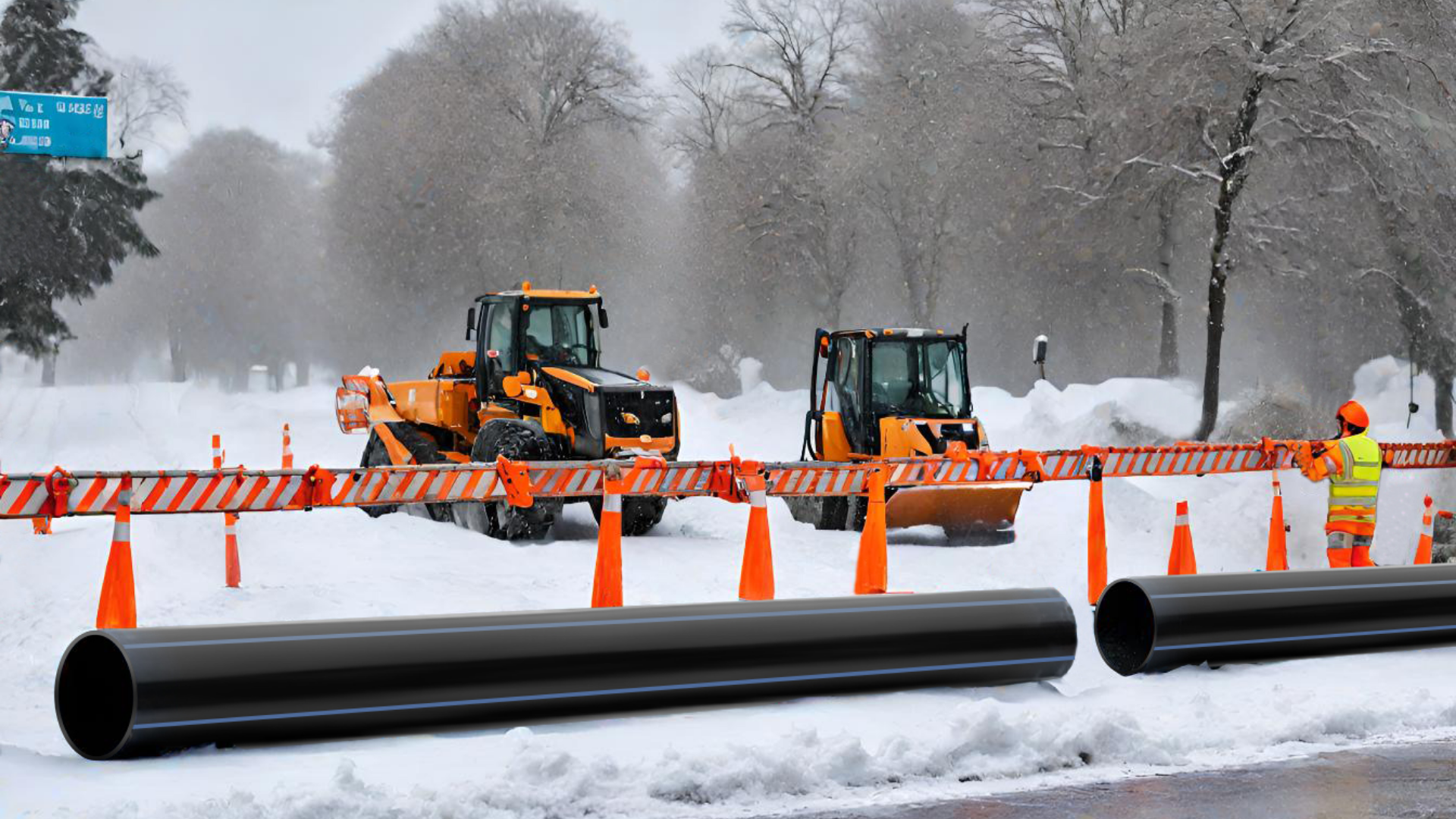
Utilizing trenchless installation techniques for HDPE pipes considerably enhances the efficiency and effectiveness of underground utility projects. These methods minimize surface disruption and are particularly advantageous in urban settings.
Key aspects of trenchless technology include:
- Pipe Bursting: A method for replacing old pipes by breaking them apart while simultaneously installing new HDPE pipes.
- Directional Drilling: A precise technique for installing pipes by creating a borehole along a predetermined path, reducing excavation.
- Reduced Environmental Impact: Minimal disturbance to existing infrastructure and ecosystems.
- Faster Installation: Accelerates project timelines, reducing labor costs.
- Versatile Applications: Applicable for water, sewer, gas, and cable installations, enhancing overall project adaptability.
These installation methods are integral for efficient underground repair and maintenance, positioning HDPE pipes as a preferred choice in modern infrastructure projects.
Comparison With Other Pipe Materials
The comparison of HDPE pipes with other materials such as PVC and cast iron reveals significant differences in properties and performance. HDPE demonstrates superior flexibility, higher temperature resistance, and enhanced chemical resilience compared to PVC.
While also being lighter and more corrosion-resistant than cast iron, which presents challenges in jointing and handling. Additionally, the cost-efficiency and lifecycle advantages of HDPE make it a compelling choice for various applications in modern infrastructure.
HDPE vs PVC (temperature, flexibility, chemical resistance)
How does the performance of HDPE compare to PVC in critical areas such as temperature resistance, flexibility, and chemical resistance? In various applications, HDPE exhibits superior characteristics compared to PVC, particularly under specific environmental conditions.
- Temperature Resistance: HDPE withstands temperatures up to 80°C, while PVC’s range is limited to 60-100°C.
- Flexibility: HDPE is more flexible, allowing for easier installation and adaptation to various configurations.
- Chemical Resistance: HDPE offers enhanced resistance to a broader range of chemicals, maintaining integrity without additional protective measures.
- Environmental Impact: HDPE is recyclable, promoting sustainability within regulatory standards.
- Market Growth: Manufacturing techniques for HDPE have evolved, supporting increased adoption due to its durability and reduced need for maintenance, contrasting with PVC.
HDPE vs Cast Iron (weight, corrosion, jointing)
When comparing HDPE pipes to cast iron pipes, significant differences in weight, corrosion resistance, and jointing methods emerge. HDPE pipes are considerably lighter, facilitating easier transportation and installation techniques, thereby reducing labor costs and time.
Regarding corrosion resistance, HDPE excels due to its chemical stability, making it less susceptible to environmental impact than cast iron, which can corrode over time.
Jointing methods also differ: HDPE employs butt welding and electro-fusion, ensuring leak-proof connections, while cast iron typically relies on mechanical joints that may require additional sealing measures.
Moreover, HDPE’s recyclability aligns with modern regulatory standards, supporting market growth and sustainable recycling processes, thereby enhancing its appeal in eco-conscious applications.
Cost-efficiency and lifecycle advantages
Cost-efficiency and lifecycle advantages of HDPE pipes compared to other materials, such as PVC and cast iron, are significant factors influencing their adoption in various applications. The following points highlight these advantages:
- Cost savings: Lower initial material costs and reduced installation expenses due to lightweight properties.
- Lifecycle benefits: Extended service life of over 50 years, minimizing replacement frequency.
- Installation efficiency: Quick and straightforward installation reduces labor costs and project timelines.
- Environmental impact: Recyclable material and reduced carbon footprint during production and transport.
- Maintenance costs: Minimal maintenance requirements due to corrosion resistance and leak-proof joints, leading to lower long-term expenses.
These attributes position HDPE pipes as a superior choice in terms of economic and environmental sustainability.
Frequently Asked Questions
How Do HDPE Pipes Perform in Extreme Weather Conditions?
In extreme weather conditions, HDPE pipes exhibit exceptional thermal expansion management, UV resistance, and flexibility performance, ensuring impact durability and weather resilience. Their properties allow them to withstand temperature fluctuations and harsh environmental factors effectively.
Can HDPE Pipes Be Recycled After Their Lifespan?
HDPE pipes can be recycled at the end of their lifespan, promoting sustainability benefits. However, challenges in the recycling process include contamination and sorting, which can hinder reuse methods and impact environmental outcomes.
What Is the Expected Lifespan of HDPE Pipes?
In the domain of durable solutions, HDPE pipes typically boast a lifespan exceeding 50 years, influenced by installation challenges, manufacturing standards, pipe diameter options, and welding techniques, all factored into thorough cost analysis for ideal performance.
Are There Any Specific Maintenance Requirements for HDPE Pipes?
Maintenance requirements for HDPE pipes include adhering to installation guidelines, conducting pressure testing to guarantee joint integrity, implementing cleaning procedures to prevent blockages, and employing proper storage methods to safeguard against environmental factors during transport and storage.
How Do HDPE Pipes Resist Root Intrusion in Landscaping?
HDPE pipes effectively resist root intrusion in landscaping due to their corrosion resistance, preventing underground growth from compromising pipe integrity. This durability guarantees long-term performance, safeguarding systems designed for efficient water management and environmental protection.
Conclusion
In summation, HDPE pipes stand as modern-day conduits of progress, akin to the robust aqueducts of ancient civilizations that heralded advancements in infrastructure. Their remarkable attributes—durability, chemical resistance, and eco-friendliness—position them as a cornerstone in various sectors from water supply to industrial applications. As industries endeavor for sustainability and efficiency, HDPE pipes emerge not merely as functional components, but as integral players in the quest for innovative and resilient piping solutions in an ever-evolving landscape.