
PPR (Random Copolymer Polypropylene) pipes have gained widespread popularity in modern plumbing systems due to their non-corrosive properties, lightweight design, and durability. These characteristics make them suitable for a variety of applications, from residential water supply systems to commercial and industrial projects. However, like any material, PPR pipes have their limitations, including susceptibility to thermal expansion, UV degradation, and lower mechanical strength compared to metal alternatives. This article provides a detailed analysis of the advantages and disadvantages of PPR pipes, along with insights into their maintenance requirements and long-term costs.
Key Takeaways
- Cost-Effectiveness and Durability: PPR pipes offer a lower initial investment compared to traditional materials like copper or stainless steel, while providing excellent long-term performance due to their resistance to corrosion and scaling.
- Ease of Installation: Their lightweight nature and heat-fusion jointing method reduce labor costs and installation time.
- Environmental Benefits: PPR pipes are fully recyclable and energy-efficient, aligning with sustainable construction practices.
- Limitations: PPR pipes are sensitive to temperature fluctuations, UV exposure, and physical impacts, which may restrict their use in certain environments.
- Long-Term Value: Despite higher upfront costs, PPR pipes often result in lower lifecycle costs due to minimal maintenance requirements.
The Popularity and Applications of PPR Pipes
PPR pipes have become a cornerstone in modern plumbing systems, widely adopted in residential, commercial, and industrial applications. Their versatility and performance make them a preferred choice for water supply systems, heating, and cooling installations.
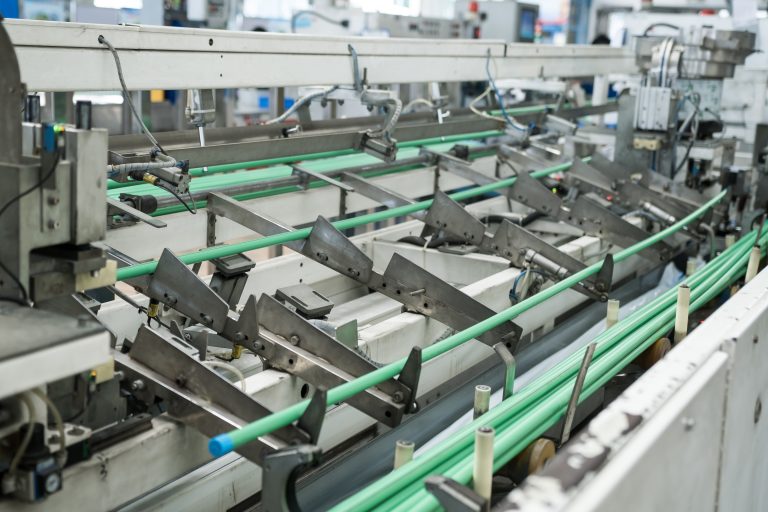
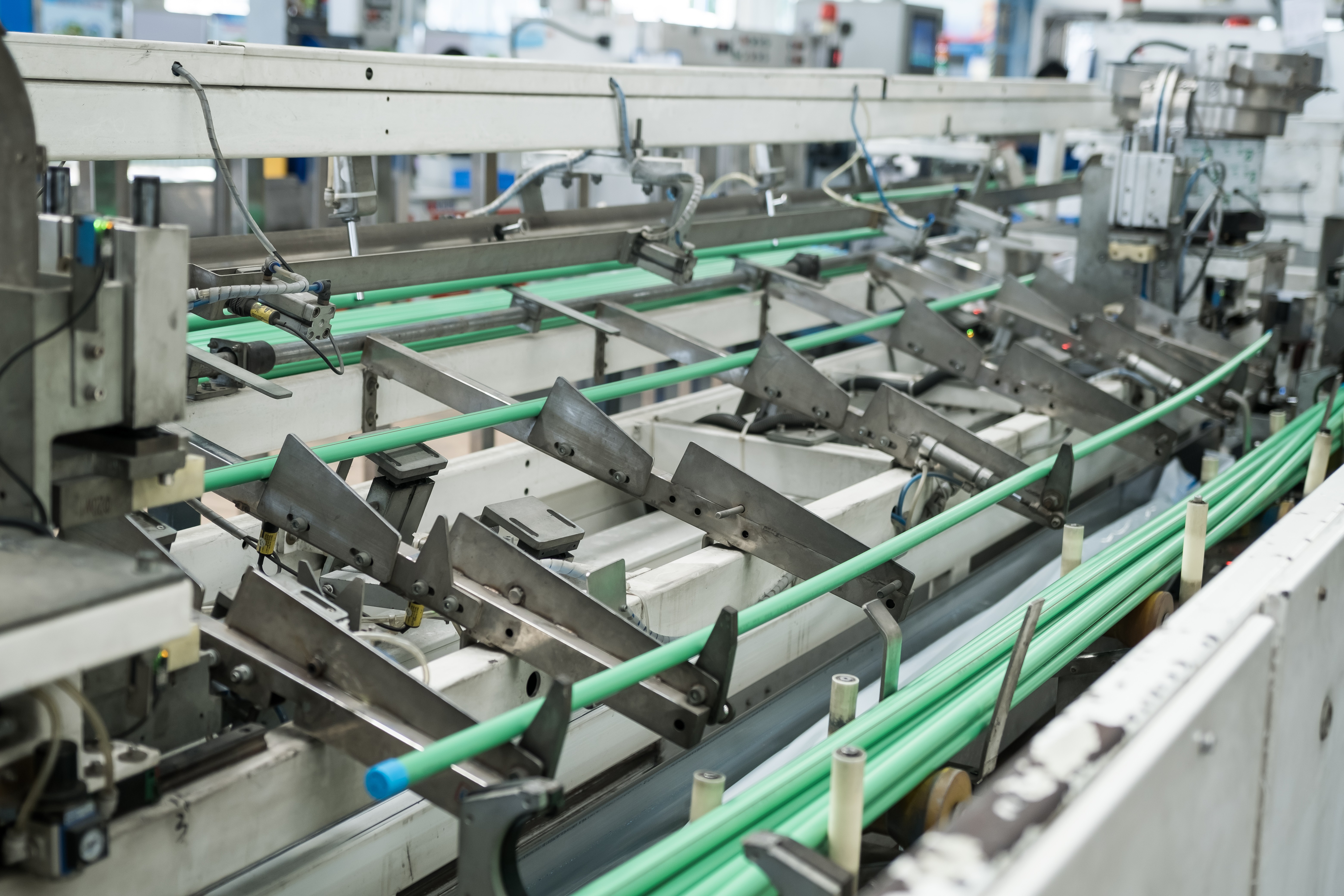
Riifo, a leader in the piping industry since 1996, has played a significant role in advancing the use of PPR pipes. With state-of-the-art manufacturing facilities in Foshan, Tianjin, Hubei, Shaanxi, and Chongqing, Riifo produces high-quality PPR pipes that meet international standards. The company’s Multilayer Plumbing System leverages the unique advantages of PPR pipes, such as their non-corrosive properties, lightweight design, and low thermal conductivity, to deliver durable and efficient solutions for diverse user needs.
Advantages of PPR Pipes: Why Are They Widely Used?
1. Cost-Effectiveness and Durability
PPR pipes strike an ideal balance between affordability and long-term performance. Unlike traditional materials like copper or stainless steel, PPR pipes require a lower initial investment while offering exceptional durability. This makes them a cost-effective solution for both small-scale residential projects and large commercial installations.
Case Study: In a recent project by Riifo, the use of PPR pipes reduced overall piping installation costs by 20%, while maintaining high performance over a decade of use.
2. Environmental Benefits and Sustainability
As the construction industry shifts toward eco-friendly practices, PPR pipes have gained prominence due to their recyclability and low environmental impact. Riifo emphasizes sustainability by producing PPR pipes that align with green building standards.
Energy Efficiency: The superior insulation properties of PPR pipes minimize heat loss in hot water systems, reducing energy consumption and operational costs.
3. Corrosion Resistance and Anti-Scaling Properties
PPR pipes are inherently resistant to corrosion and scaling, ensuring consistent water quality and system performance over time. This makes them ideal for both residential and industrial applications where water purity is critical.
Customer Feedback: Clients of Riifo have reported minimal maintenance requirements and no degradation in water quality even after years of use, showcasing the reliability of PPR pipes.
4. Easy Installation and Reduced Labor Costs
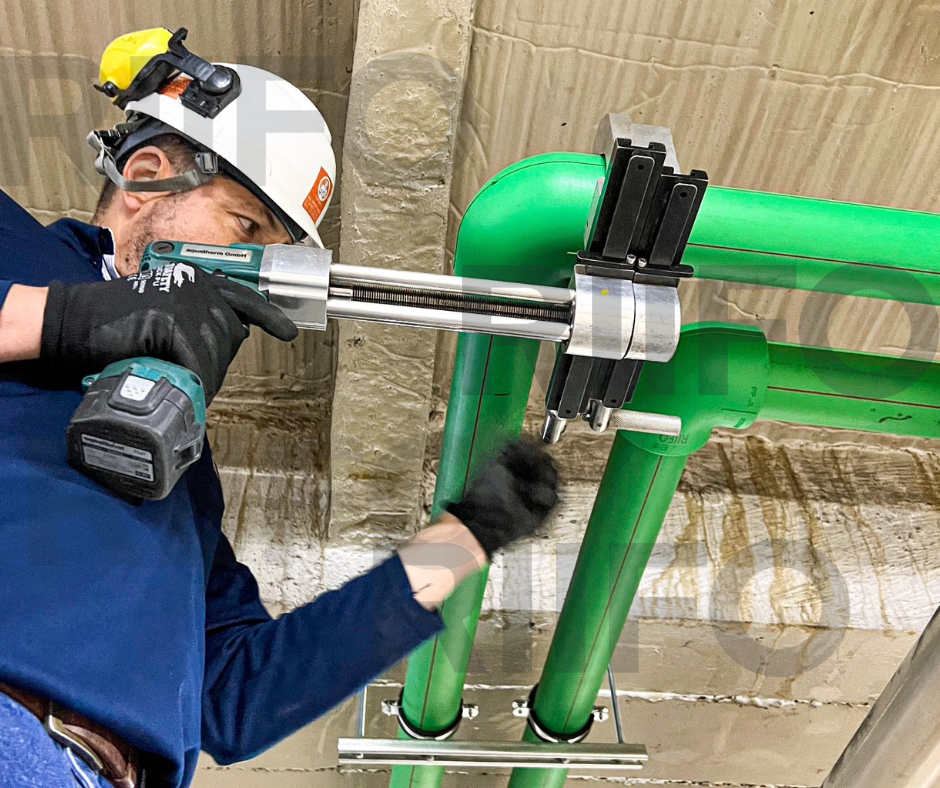
The heat-fusion method used for joining PPR pipes simplifies installation, significantly reducing labor time and costs. This seamless connection method also eliminates the risk of leaks, ensuring a robust and long-lasting system.
Riifo’s Advantage: The company enhances installation efficiency by providing specialized tools and technical support, ensuring optimal performance and customer satisfaction.
Disadvantages of PPR Pipes: Potential Issues to Be Aware Of
1. Thermal Expansion and Temperature Sensitivity
PPR pipes are prone to thermal expansion and contraction with temperature fluctuations, which can affect fittings and connections over time.
Mitigation Strategies: Proper design, the use of expansion joints, and correct installation techniques can minimize these effects, ensuring system stability and longevity.
2. UV Degradation
Prolonged exposure to UV radiation can cause PPR pipes to degrade, leading to discoloration, cracking, and reduced strength.
Protection Methods: To combat UV degradation, protective measures such as UV-resistant coatings or burying pipes underground are recommended.
3. Lower Mechanical Strength
Compared to metal pipes, PPR pipes have lower resistance to physical impacts, making them more susceptible to damage in high-pressure environments.
Installation Recommendations: Using protective sleeves, reinforced supports, or routing pipes through secure channels can mitigate this issue.
4. Chemical Resistance Limitations
PPR pipes are not suitable for transporting certain chemicals, such as oils or strong acids, which can cause material degradation.
Alternative Solutions: In specialized industries like petrochemicals, alternative materials such as stainless steel or PVC may be more appropriate.
Maintenance and Long-Term Costs of PPR Pipes
1. Long-Term Maintenance and Repairs
While PPR pipes are low-maintenance, improper installation or exposure to UV light can lead to higher repair costs over time.
Riifo’s Maintenance Solutions: The company offers comprehensive maintenance services, including regular inspections and system upgrades, to extend the lifespan of PPR pipes and minimize unexpected costs.
2. Comparison with Alternative Materials
When compared to materials like copper, aluminum, and stainless steel, PPR pipes offer a unique combination of affordability, ease of installation, and environmental benefits. However, their suitability depends on specific project requirements, such as load capacity and chemical exposure.
Conclusion and Recommendations
PPR pipes are an excellent choice for water supply and heating systems, offering a balance of cost-effectiveness, durability, and environmental benefits. However, their limitations in high-pressure or chemically aggressive environments must be carefully considered.
- Project Evaluation: Assess factors such as temperature fluctuations, UV exposure, and mechanical stress to determine if PPR pipes are suitable for your application.
- Expert Advice: As a leading provider of piping solutions, Riifo offers tailored recommendations to help customers maximize the benefits of PPR pipes while addressing potential challenges.
By understanding the advantages and disadvantages of PPR pipes, stakeholders can make informed decisions that ensure optimal performance, cost savings, and sustainability in their projects.