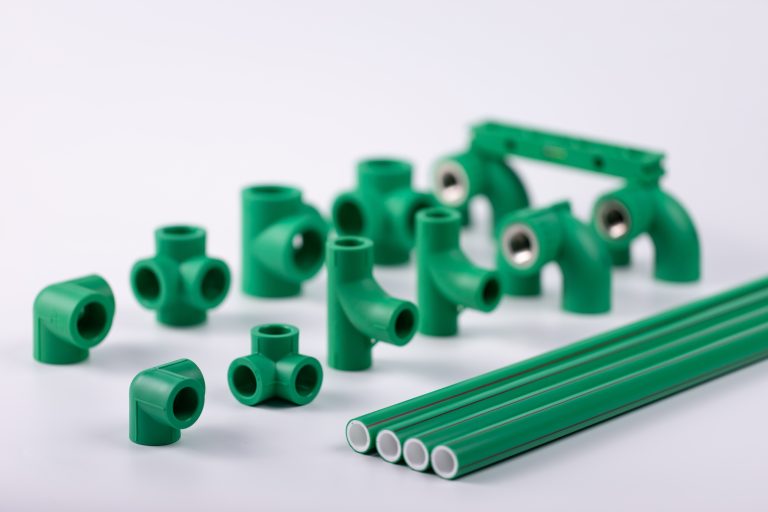
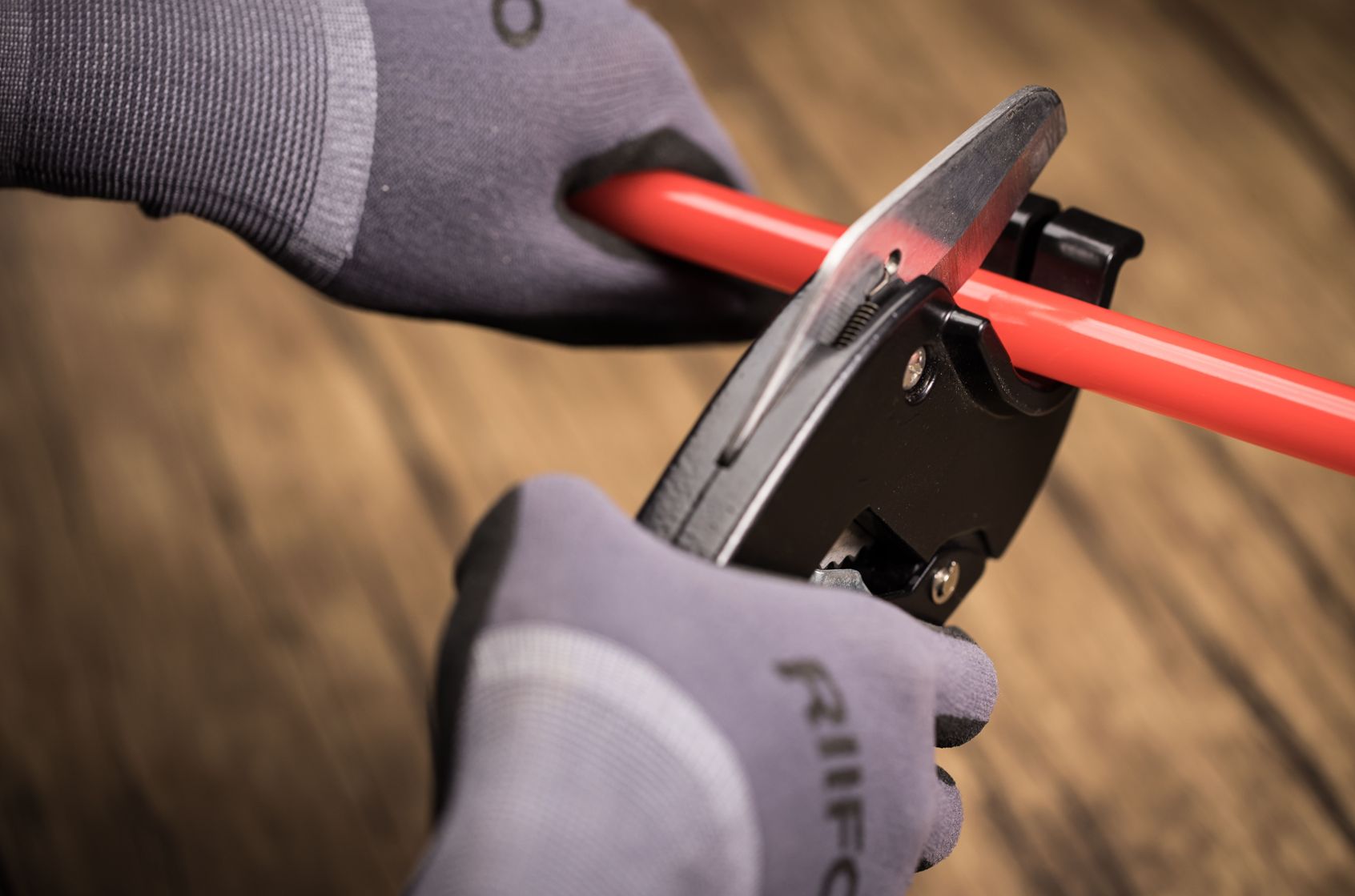
PPR pipes, made from Polypropylene Random Copolymer, are utilized across various industries due to their high durability and resistance to corrosion and chemicals. They serve key roles in construction, plumbing, industrial fluid transport, agricultural irrigation, and municipal water supply systems. Their lightweight nature simplifies installation, while their non-toxic composition guarantees safety in potable applications. With these advantages, PPR pipes emerge as a reliable choice for businesses requiring efficient and sustainable solutions. Further details on their benefits follow.
Key Takeaways
- PPR pipes are commonly used in construction for plumbing systems, supporting sustainable and reliable water transport.
- In industrial applications, they are essential for transporting aggressive fluids, ensuring hygiene in pharmaceuticals, and meeting sanitation standards in food processing.
- PPR pipes are ideal for agriculture, particularly in drip irrigation systems, enhancing soil moisture retention and crop yield.
- They play a vital role in municipal applications, utilized for water supply and wastewater treatment to safeguard public health.
- Their corrosion resistance and durability make PPR pipes suitable for various manufacturing processes, maintaining product integrity.
Introduction
In the domain of modern plumbing and fluid transport systems, PPR pipes, or Polypropylene Random Copolymer pipes, have emerged as a pivotal component due to their superior properties and extensive applications.
The evolution of PPR pipe innovations has led to diverse PPR fitting types, enhancing connectivity and adaptability in various systems. Their ease of installation, facilitated by advanced PPR installation techniques, guarantees efficiency and reduces labor costs.
A thorough PPR lifecycle analysis highlights their durability and minimal environmental impact, aligning with current PPR market trends that favor sustainable materials.
As industries increasingly recognize the benefits of PPR pipes, their role in residential, commercial, and industrial applications continues to expand, redefining standards in fluid transport technology.
What are PPR Pipes?
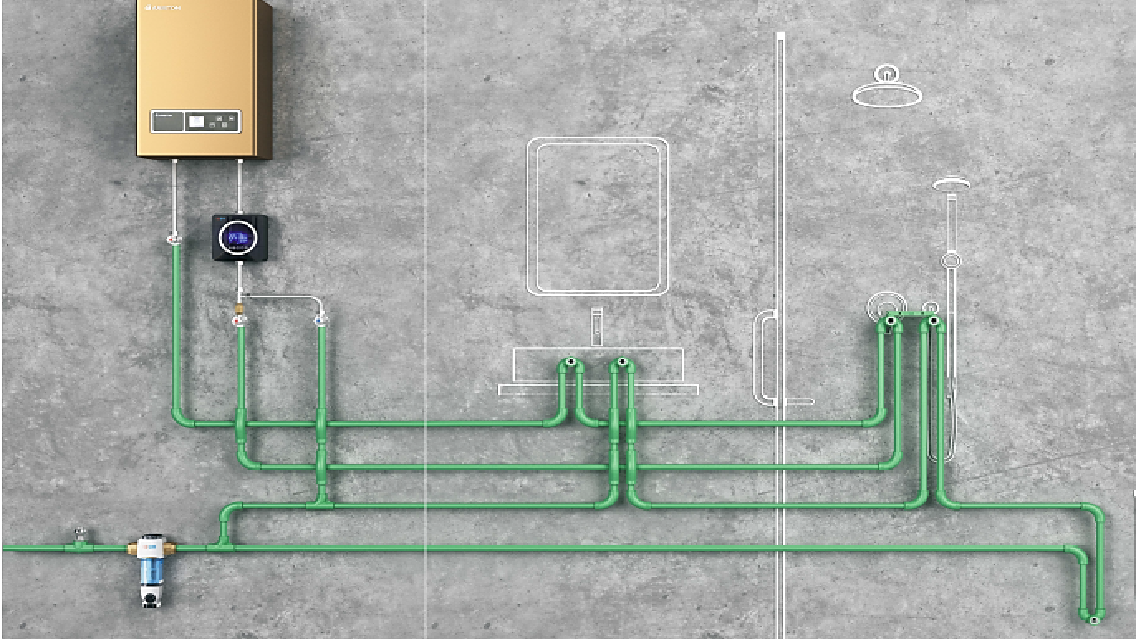
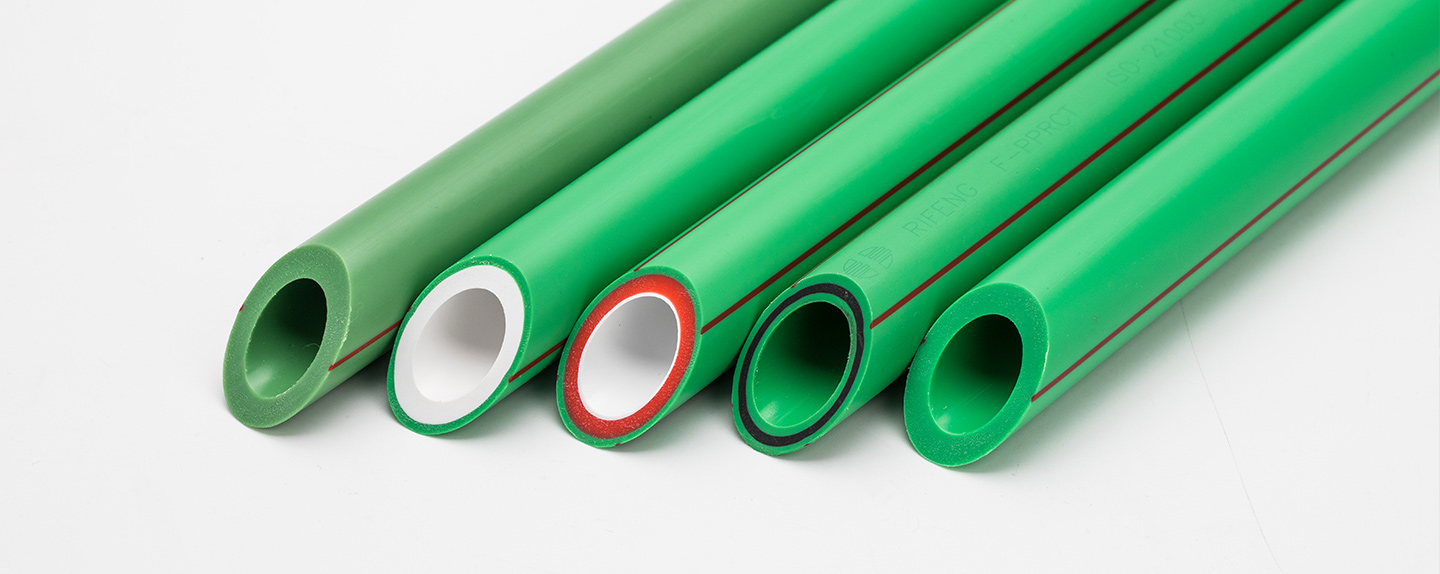
PPR pipes, composed of Polypropylene Random Copolymer, are engineered to provide high resistance to heat and chemicals, making them suitable for various applications in plumbing and industrial sectors.
Their technical features include a long lifespan of up to 50 years, low thermal conductivity, and the ability to withstand temperatures up to 95°C.
These attributes position PPR pipes as a reliable choice for both hot and cold water systems.
Definition & Material Composition
Characterized by their unique composition, PPR pipes, or Polypropylene Random Copolymer pipes, are thermoplastic materials that exhibit remarkable resistance to chemical corrosion and thermal degradation.
The PPR pipe benefits include a long lifespan of up to 50 years, making them a reliable choice for various applications. Their lightweight nature simplifies PPR pipe installation, while the absence of additional chemicals during joining enhances overall efficiency.
Innovations in PPR technology have led to enhanced durability and environmental friendliness. Comparatively, PPR pipes outperform traditional materials regarding maintenance and performance, particularly in harsh conditions.
The non-toxic composition guarantees safety in potable water systems, further solidifying their position as a preferred choice in modern plumbing solutions.
Technical Features
The technical features of Polypropylene Random Copolymer (PPR) pipes highlight their exceptional performance characteristics and versatility in various applications. These pipes offer numerous advantages, including a lifespan of up to 50 years and resistance to high temperatures. They are lightweight, making installation straightforward and cost-effective, while also requiring minimal maintenance.
| Feature | Description |
| PPR Pipe Advantages | High durability and corrosion resistance |
| PPR Pipe Lifespan | Up to 50 years in proper conditions |
| PPR Pipe Features | Lightweight, UV resistant, leak-proof |
| PPR Pipe Installation | Easy to handle and join without chemicals |
These properties guarantee that PPR pipes remain a reliable choice for plumbing and industrial applications.
Key Industries Using PPR Pipes
PPR pipes are increasingly utilized across various sectors due to their exceptional durability and chemical resistance.
Key industries such as construction and infrastructure, industrial applications, agriculture and irrigation, commercial and public facilities, as well as municipal water supply and wastewater treatment benefit from their efficiency and longevity.
The versatility of PPR pipes enables effective fluid transport and system integration, making them indispensable in modern engineering solutions.
Construction & Infrastructure
In the domain of construction and infrastructure, PPR pipes have emerged as a pivotal component due to their versatility and resilience. Their material properties, including high resistance to chemicals and temperature fluctuations, make them suitable for a variety of applications.
PPR fittings applications play a significant role in ensuring seamless integration within plumbing systems. Effective PPR installation techniques additionally enhance their reliability, ensuring long-term functionality.
Regular PPR pipe maintenance is essential for preserving flow efficiency and longevity, particularly in demanding environments.
Moreover, the current PPR market trends indicate a growing preference for sustainable and cost-effective plumbing solutions, reflecting an increasing recognition of PPR’s eco-friendly attributes. This underscores the industry’s shift towards utilizing PPR pipes in modern construction projects.
Industrial Applications
Utilizing PPR pipes has become essential across various industrial sectors due to their superior chemical resistance and thermal stability. The benefits of PPR pipes extend to their ease of installation, longevity, and minimal maintenance, making them ideal for diverse applications.
Key industries leveraging PPR pipes include:
- Chemical Processing: For transporting aggressive fluids safely.
- Pharmaceuticals: Ensuring hygienic transport of sensitive substances.
- Food and Beverage: Complying with strict sanitation standards.
- Construction: Supporting sustainable building practices with efficient plumbing systems.
Material comparisons reveal PPR’s advantages over traditional materials, while industry innovations continue to enhance installation techniques.
Ultimately, PPR pipes embody sustainability practices, contributing to eco-friendly operations and reduced environmental impact in industrial applications.
Agriculture & Irrigation
Agriculture and irrigation systems benefit greatly from the implementation of advanced piping solutions.
PPR pipes serve as an essential component in drip irrigation systems, delivering precise water quantities directly to plant roots, thereby enhancing crop management practices. Their durability and chemical resistance support effective pest control measures, minimizing harmful impacts on both crops and the environment.
Additionally, PPR pipes contribute substantially to water conservation efforts, reducing waste and promoting efficient usage in irrigation. By maintaining ideal moisture levels, these pipes support soil health, fostering a conducive environment for plant growth.
Commercial & Public Facilities
As commercial and public facilities increasingly prioritize efficiency and reliability in their plumbing systems, PPR pipes have emerged as an essential solution across various sectors.
Their material advantages and installation techniques provide significant PPR pipe benefits that align with current market trends.
- Durable and long-lasting, with a lifespan exceeding 50 years.
- Resistant to corrosion, ensuring safe transportation of water and chemicals.
- Lightweight and easy to install, reducing labor costs and installation time.
- Environmentally friendly, contributing to sustainable practices and minimizing environmental impact.
These attributes make PPR pipes an ideal choice for facilities aiming to enhance their infrastructure while ensuring compliance with safety standards and economic efficiency.
Municipal Water Supply & Wastewater Treatment
Municipal water supply and wastewater treatment systems represent essential infrastructures where the reliability and efficiency of materials can greatly impact public health and environmental sustainability. PPR pipes serve as a significant component in these systems, promoting water conservation and guaranteeing effective pipe maintenance. Their lightweight nature and ease of installation techniques facilitate rapid deployment, critical for urban planning initiatives.
The table below summarizes the key advantages of PPR pipes in municipal applications:
| Feature | Benefit |
| Corrosion Resistance | Enhances longevity |
| Low Thermal Conductivity | Reduces heat loss |
| Eco-friendly | Supports sustainable practices |
| Lightweight | Simplifies installation |
| Long Lifespan | Guarantees infrastructure resilience |
Why PPR Pipes are the Ideal Choice for B2B Applications
PPR pipes present a compelling option for B2B applications due to their cost efficiency and long-term durability, which greatly reduce overall operational expenses.
Their eco-friendly characteristics align with contemporary sustainability goals, making them a responsible choice for businesses.
Additionally, the safety features of PPR pipes, including chemical resistance and non-toxicity, guarantee reliable performance across various industrial environments.
Cost Efficiency
Cost efficiency emerges as a paramount consideration in the selection of piping systems for B2B applications.
PPR pipes demonstrate significant advantages in cost analysis, making them an ideal choice for various projects. Their lightweight construction facilitates installation savings, thereby reducing labor costs and time on site.
Additionally, the low maintenance costs associated with PPR pipes contribute to favorable lifecycle assessments, ensuring long-term economic viability. Furthermore, their durability and resistance to corrosion minimize the frequency of replacements, which aids in effective project budgeting.
- Long lifespan of up to 50 years
- Reduced installation and labor expenses
- Minimal maintenance and repair requirements
- Sustainable material, enhancing overall efficiency
Durability & Long-Term Investment
Durability stands as a fundamental attribute in the evaluation of piping systems for B2B applications, particularly when considering long-term investments.
PPR pipe longevity is notable, with lifespans of up to 50 years under varying conditions, making them a reliable choice. Advanced PPR installation techniques facilitate seamless integration, reducing the risk of failure during operation.
In addition, PPR system maintenance is minimal due to their corrosion-resistant properties and smooth inner surfaces, which prevent blockages and scaling.
Recent PPR pipe innovations continue to enhance performance, aligning with evolving PPR market trends that prioritize durability and efficiency.
Consequently, businesses investing in PPR pipes can expect robust returns characterized by reduced downtime and lower replacement costs, solidifying their position in contemporary infrastructure solutions.
Eco-Friendly Features
While considering sustainable materials for B2B applications, the eco-friendly features of PPR pipes present a compelling case for adoption in various industries.
These pipes are designed with environmental sustainability in mind, promoting energy conservation and waste reduction through their lifecycle.
- Composed of recyclable materials, minimizing landfill impact
- Non-toxic and safe for potable water, supporting eco-friendly practices
- Long-lasting durability reduces the need for frequent replacements
- Efficient manufacturing process that conserves energy resources
The integration of PPR pipes in industrial applications not only aligns with eco-friendly practices but also enhances operational efficiency.
Their recyclability and low environmental footprint make them a responsible choice for businesses looking to contribute positively to environmental sustainability.
Safety
Given the increasing emphasis on safety in industrial applications, PPR pipes emerge as a highly suitable choice due to their non-toxic and inert nature.
These pipes comply with rigorous safety standards, ensuring they are safe for transporting potable water and various chemicals. Their installation guidelines emphasize adherence to best practices, which further enhances risk management during deployment.
PPR pipes also feature a robust quality assurance process, minimizing the likelihood of leaks and failures. In emergency scenarios, their reliability is paramount, as they can withstand extreme conditions without compromising structural integrity.
In conjunction with established emergency protocols, PPR pipes provide peace of mind, making them an ideal choice for B2B applications where safety is non-negotiable.

PPR Pipe Applications in B2B Sectors
PPR pipes demonstrate significant utility across various B2B sectors, including water treatment, construction, and agriculture.
Their inherent properties, such as corrosion resistance and high-temperature tolerance, make them suitable for applications in temperature control and heating systems, as well as in manufacturing and food processing environments.
Water Treatment & Environmental Protection
As industries increasingly prioritize sustainability, the utilization of PPR pipes in water treatment and environmental protection applications has gained significant traction.
These pipes are essential in developing robust water filtration systems and implementing effective pollution reduction methods, meeting stringent environmental compliance standards.
- Ideal for chemical resistance applications, ensuring longevity in harsh environments.
- Facilitate the adoption of sustainable practices in industrial processes.
- Support the efficient transport of treated water, minimizing resource waste.
- Enhance system performance by reducing maintenance needs through their durability.
The integration of PPR pipes not only aligns with eco-friendly initiatives but also promotes operational efficiency, enabling businesses to fulfill their environmental responsibilities effectively while safeguarding water resources.
Construction Industry
The construction industry increasingly relies on PPR pipes for various applications due to their superior durability, corrosion resistance, and thermal stability. Their extensive use in plumbing and infrastructure projects not only enhances performance but also supports environmentally sustainable practices. PPR pipes deliver significant benefits, including reduced installation time and costs, thanks to their lightweight nature and straightforward installation techniques. In addition, their exceptional thermal performance guarantees minimal heat loss, making them ideal for hot and cold water systems.
| PPR Pipe Benefits | Applications |
| Corrosion Resistance | Plumbing Systems |
| Thermal Stability | Infrastructure Projects |
| Environmental Impact | Irrigation Systems |
| Long Lifespan | Heating Systems |
Temperature Control & Heating Systems
Increasingly, industries are recognizing the advantages of utilizing PPR pipes in temperature control and heating systems.
These pipes offer exceptional properties that contribute greatly to system optimization and energy conservation.
- Enhanced thermal insulation minimizes heat loss, improving heating efficiency.
- High-temperature resistance allows for effective temperature regulation up to 95°C.
- Lightweight construction simplifies installation and reduces labor costs.
- Long lifespan guarantees reliability and reduces maintenance costs.
Through their superior chemical resistance and low thermal conductivity, PPR pipes provide a sustainable solution for both commercial and industrial applications.
This combination not only promotes energy efficiency but also guarantees the longevity of heating systems, making them a preferred choice for modern infrastructure.
Agriculture & Irrigation
Utilizing PPR pipes in agriculture and irrigation presents significant advantages due to their durability and resistance to various environmental factors.
These pipes are particularly suited for drip irrigation systems, allowing precise water delivery directly to plant roots, which enhances soil moisture retention and promotes ideal crop production.
The lightweight and corrosion-resistant properties of PPR pipes facilitate easy installation and longevity, making them ideal for sustainable farming practices.
Additionally, their ability to withstand harsh chemicals ensures they maintain integrity over time, supporting effective water conservation efforts.
In a sector increasingly focused on efficiency and environmental sustainability, PPR pipes stand out as a reliable solution for modern agricultural irrigation needs, aligning with the goals of enhancing productivity while minimizing resource waste.
Manufacturing & Food Processing
As industries seek efficient solutions for fluid transportation, PPR pipes emerge as a critical component in manufacturing and food processing sectors. Their unique properties align with stringent industry standards, ensuring both food safety and operational efficiency.
- Exceptional chemical resistance, suitable for various aggressive substances
- Long lifespan enhances reliability in demanding manufacturing processes
- Low thermal conductivity minimizes heat transfer, maintaining product integrity
- Lightweight design simplifies installation, optimizing supply chain logistics
PPR pipes facilitate the secure transfer of liquids in food production and processing, contributing to sustainable practices.
Their durability and low maintenance requirements further reinforce their value, establishing them as indispensable in enhancing operational workflows within these critical sectors.
Advantages of Choosing PPR Pipes for Your Business Projects
The advantages of selecting PPR pipes for business projects encompass improved project efficiency and reliable durability, contributing to streamlined operations.
With adherence to industry standards and certifications, these pipes guarantee compliance and safety in various applications.
Additionally, their energy-efficient and sustainable properties align with modern environmental goals, making PPR pipes a prudent choice for diverse commercial and industrial needs.
Improved Project Efficiency
Choosing PPR pipes for business projects considerably enhances project efficiency through their lightweight design and ease of installation. This efficiency is vital for project management, allowing teams to optimize resource allocation and streamline workflows while maintaining efficiency metrics.
- Furthermore, the quick installation reduces labor costs and minimizes project timelines, contributing to effective risk assessment and performance optimization.
- Reduces overall installation time, enhancing project timelines.
- Minimizes labor costs due to straightforward assembly.
- Lightweight nature simplifies transport and handling.
- Contributes to sustainable practices, appealing to modern project standards.
Utilizing PPR pipes not only fosters a more efficient project execution but also aligns with contemporary demands for environmental responsibility and operational excellence.
Reliable Durability
While evaluating the long-term viability of piping options for business projects, PPR pipes stand out due to their exceptional durability and resistance to various environmental factors.
The PPR pipe longevity, with a lifespan exceeding 50 years, guarantees that businesses can invest with confidence. Their lightweight design facilitates installation efficiency, allowing for rapid deployment and reduced labor costs.
Additionally, PPR pipes are renowned for their thermal insulation properties, minimizing heat loss during fluid transfer. The exceptional chemical resistance of PPR materials further enhances their reliability in diverse applications, safeguarding against corrosion and degradation.
Consequently, choosing PPR pipes for business projects not only meets operational needs but also aligns with sustainable practices, making them a pragmatic solution for modern infrastructure.
Industry Standards & Certifications
PPR pipes are recognized not only for their durability and thermal efficiency but also for their compliance with industry standards and certifications, which further solidifies their reliability in business projects.
Adherence to established regulations guarantees that these pipes meet stringent quality assurance protocols, making them a preferred choice for various applications.
- PPR pipe certifications guarantee safety and performance.
- Compliance with industry regulations minimizes risks during installation.
- Guarantees long-term reliability through consistent quality assurance.
- Installation guidelines provide clarity for precise application.
Energy-Efficiency & Sustainability
When businesses prioritize energy efficiency and sustainability in their projects, PPR pipes emerge as a compelling solution due to their superior thermal insulation properties and long lifespan.
These pipes contribute to energy efficient systems by minimizing heat loss during fluid transfer, which directly impacts operational costs. As a sustainable material, PPR is recyclable and non-toxic, aligning with green technologies that promote eco-friendly practices.
The lightweight nature of PPR considerably reduces transportation emissions, further supporting waste reduction initiatives. Additionally, PPR pipes are resistant to corrosion and scaling, enhancing their longevity and reducing the need for replacements.
Consequently, their overall environmental impact is markedly positive, making them an ideal choice for businesses committed to sustainable development in their projects.
How Riifo Can Support Your Business
Riifo offers tailored solutions that align with the specific needs of businesses utilizing PPR pipes, ensuring ideal application and performance.
The company’s reliable supply chain and delivery assurance facilitate consistent project timelines, while their technical support and installation training enhance user competency and efficiency.
Additionally, Riifo’s commitment to quality and after-sales support reinforces long-term partnerships, promoting sustained operational excellence.
Tailored Solutions
A thorough range of tailored solutions is vital for businesses seeking to optimize their plumbing and piping systems.
Riifo provides specialized support through various approaches:
- PPR pipe innovations that enhance system efficiency and longevity.
- Custom installation techniques designed to fit unique project requirements seamlessly.
- Extensive piping system integration for improved operational coherence.
- Detailed environmental impact assessments to guarantee compliance and sustainability.
Reliable Supply Chain & Delivery Assurance
The optimization of plumbing and piping systems extends beyond tailored solutions to encompass a robust supply chain and reliable delivery mechanisms.
Riifo excels in supply chain logistics, ensuring that PPR pipe products are readily available to meet fluctuating demand. Their commitment to delivery optimization minimizes delays, thereby enhancing overall project timelines.
Efficient inventory management practices are employed to maintain appropriate stock levels, reducing the risk of shortages or overstocking. Additionally, Riifo fosters strong vendor relationships, facilitating seamless transportation efficiency and dependable sourcing.
This extensive approach not only safeguards the integrity of plumbing projects but also reinforces customer trust, enabling businesses to operate with confidence in their supply chain processes.
Technical Support & Installation Training
Providing thorough technical support and installation training is essential for guaranteeing the successful implementation of PPR pipe systems.
Riifo offers extensive resources that enhance user confidence and proficiency in handling PPR products.
- Tailored training programs covering installation methods and best practices.
- Detailed user manuals that facilitate effective product integration.
- Expert-led sessions on troubleshooting techniques to address common installation challenges.
- Ongoing support to guarantee adherence to industry standards and regulations.
Quality & After-Sales Support
Riifo prioritizes quality and after-sales support, ensuring that businesses receive extensive assistance throughout their engagement with PPR pipe systems. The company implements rigorous quality assurance protocols, fostering customer satisfaction through reliable product performance.
Riifo offers thorough technical training, equipping clients with essential knowledge for ideal installation and maintenance practices. This proactive approach enhances the longevity of the systems and reduces operational risks.
Additionally, Riifo provides a robust product warranty, assuring clients of the durability and reliability of their investment. Their dedicated after-sales service team remains accessible, ready to address any inquiries or concerns post-installation.
This commitment to excellence solidifies Riifo’s position as a trusted partner in the PPR pipe industry, empowering businesses to thrive.
Frequently Asked Questions
Can PPR Pipes Be Used for Underground Installations?
PPR pipes are suitable for underground installations due to their advantages, including corrosion resistance and durability. Soil conditions impact performance, and trenchless installation methods enhance efficiency in underground plumbing systems, ensuring long-lasting functionality.
How Do PPR Pipes Compare to PVC Pipes?
In the great debate of piping materials, PPR advantages shine through. While PVC disadvantages include lower durability and higher installation complexity, PPR offers superior longevity, cost-effectiveness, and easier handling, making it a preferred choice for various applications.
Are PPR Pipes Suitable for Drinking Water Applications?
PPR pipes comply with drinking water safety standards, meeting health regulations for water quality. Their plumbing certifications guarantee reliability in potable applications, making them an ideal choice for delivering safe drinking water in various installations.
What Is the Lifespan of PPR Fittings?
The PPR fittings lifespan typically extends up to 50 years, influenced by environmental factors. Their durability and minimal maintenance requirements enhance PPR fittings advantages, making them a reliable choice in various applications while ensuring longevity.
How Are PPR Pipes Joined Together During Installation?
PPR pipe bonding employs heat fusion techniques, utilizing joint types like sockets and elbows. Installation procedures guarantee system compatibility, while repair methods facilitate maintenance, reinforcing the durability and effectiveness of PPR piping systems across various applications.
Conclusion
In conclusion, PPR pipes stand out as a superior choice for a myriad of applications due to their durability, chemical resistance, and lightweight design. As businesses seek reliable and efficient plumbing solutions, opting for PPR pipes is a decision that can pay dividends in the long run. By embracing these versatile pipes, companies can guarantee they are not just scratching the surface, but investing in infrastructure that supports sustainable growth and operational efficiency.