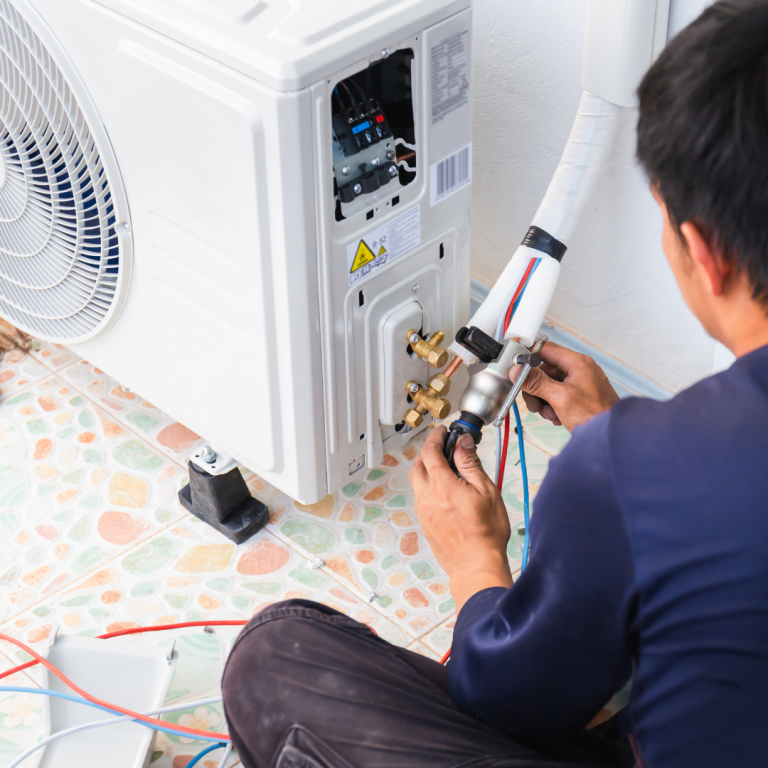
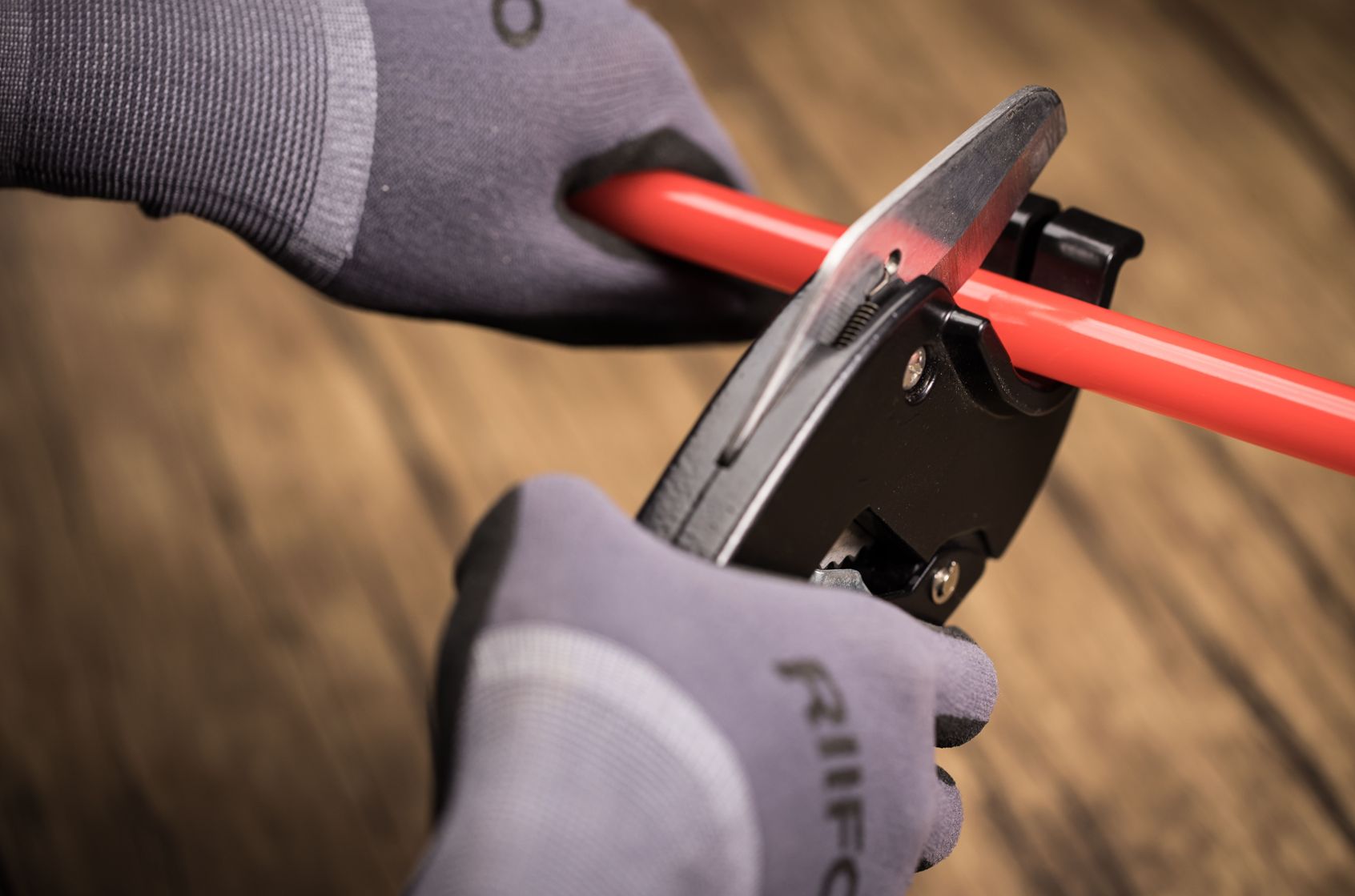
Bulk procurement of refrigerant piping enhances efficiency and cost-effectiveness in large-scale HVAC projects. It reduces unit costs and mitigates risks by standardizing materials and streamlining logistics. Key considerations include compatibility with existing systems, proper pipe sizing, and regulatory compliance. RIIFO, known for reliability, offers a 25-year warranty and local warehousing, ensuring faster access and reduced lead times.
Effective bulk purchasing strategy maximizes project execution and maintains control over timelines and budgets. Discover further advantages and strategic insights.
Key Takeaways
- Ensure compatibility of materials with existing systems and refrigerants for efficiency and performance.
- Choose suppliers that comply with ASHRAE and ISO certifications to ensure quality and reliability.
- Opt for volume pricing and consolidated shipments to reduce costs and streamline logistics.
- Specify proper pipe sizing and technical requirements to maintain system efficiency and prevent pressure drops.
- Develop a comprehensive specification checklist to validate compliance and integration with HVAC systems.
Why Bulk Procurement of Refrigerant Piping Matters for Large Projects
In large-scale construction and engineering projects, bulk procurement of refrigerant piping is a strategic decision that can greatly enhance operational efficiency and project execution.
By leveraging the advantages of a bulk purchase of refrigerant piping systems, projects can benefit from reduced unit costs and improved consistency across installations.
The integration into a refrigerant piping supply chain on a large scale guarantees risk mitigation through fewer supplier changes and standardization, thereby reducing mismatches.
Additionally, an hvac piping bulk order facilitates streamlined logistics and accelerated installation processes.
Kit-based supplies, optimized packaging, and fewer order lines contribute to a seamless rollout, aligning with global project strategies.
Such an approach empowers stakeholders to maintain control over project timelines and budgets, optimizing overall project outcomes.
Key Factors to Consider Before Bulk Purchasing Refrigerant Piping Systems
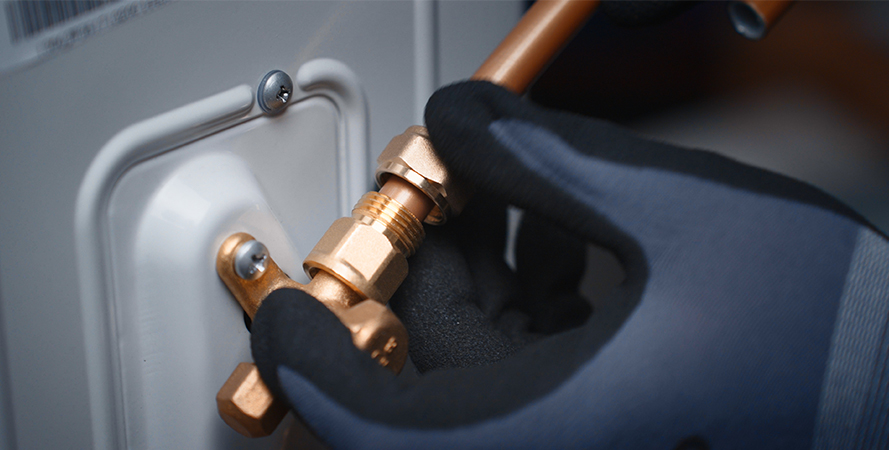
Before bulk purchasing refrigerant piping systems, it is vital to assess the material type to guarantee compatibility with existing systems and refrigerants.
Proper pipe sizing and adherence to technical specifications are essential to maintain system efficiency and prevent pressure drops.
Additionally, evaluating long-term reliability and adherence to industry compliance standards can mitigate future operational risks and secure regulatory alignment.
Material Type & System Compatibility
When evaluating material types for refrigerant piping systems, both the mechanical performance and refrigerant compatibility (R410A, R32) must be considered carefully.
Traditional copper piping is valued for its durability and thermal conductivity, but modern HVAC projects increasingly adopt multilayer solutions like PEX-AL-PEX, which offer excellent flexibility, stable pressure resistance, and reduced risk of chemical reaction with new-generation refrigerants.
High-quality PEX-AL-PEX systems, such as those used in Riifo’s multilayer piping technology, provide strong corrosion resistance, lower thermal expansion, and easier installation—making them suitable for bulk procurement in commercial and multi-block developments.
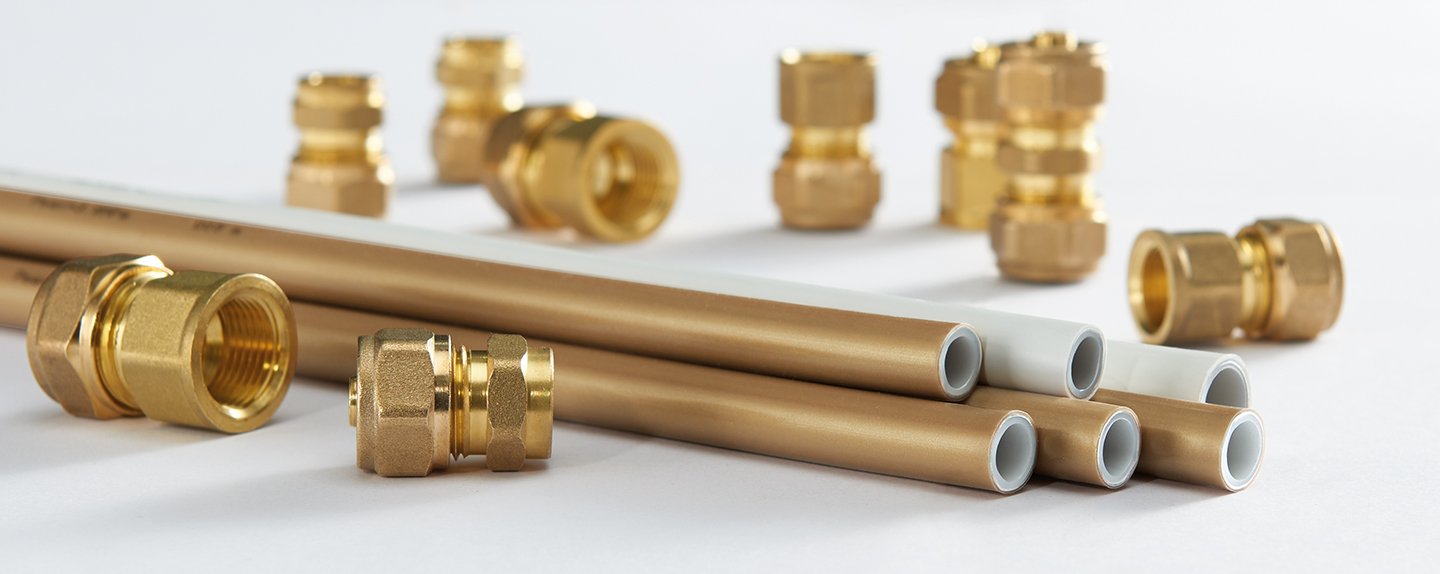
Advanced materials such as aluminum or engineered composites can also be used depending on project requirements, each offering different performance in corrosion resistance, mechanical strength, and cost efficiency.
Selecting the optimal system ultimately requires balancing material properties, installation efficiency, refrigerant compatibility, and lifecycle longevity for the specific HVAC application.
Pipe Sizing & Technical Requirements
A vital aspect in the design and implementation of refrigerant piping systems is guaranteeing ideal pipe sizing and adherence to technical requirements. Properly sized refrigerant pipes are essential for system efficiency, especially in large-scale projects involving the refrigerant piping supply chain. Key considerations include standard diameters, thickness, and pressure ratings, which must align with system tonnage, line length, and equipment type. Accurate assessment prevents operational inefficiencies and costly retrofits.
| Key Factor | Consideration |
| Standard Diameters | Match to system tonnage |
| Thickness | Guarantees adequate pressure handling |
| Pressure Ratings | Align with equipment specifications |
| Line Length | Influences pipe size selection |
| Equipment Type | Dictates specific pipe requirements |
Professionals engaged in refrigerant pipe wholesale and large volume refrigerant pipes procurement must meticulously evaluate these parameters to maintain control over project outcomes.
Long-Term Reliability & Compliance
Guaranteeing long-term reliability and compliance in refrigerant piping systems requires a meticulous evaluation of technical certifications and adherence to regulatory standards.
When considering a refrigerant piping system bulk order, industry professionals must prioritize compliance with ASHRAE and ISO certifications to guarantee system integrity and performance. Additionally, commercial refrigerant piping procurement demands a thorough understanding of country-specific compliance requirements, securing alignment with local regulations.
In the refrigerant piping supply chain, careful selection of materials and suppliers is critical for large-scale projects like the riifo air conditioning piping system. Confirming that all components meet rigorous quality assurance standards mitigates risks and enhances system longevity.
Extensive due diligence, coupled with strategic procurement practices, guarantees that the infrastructure remains reliable and compliant over its operational lifespan.
How Bulk Purchasing Reduces Total Project Cost
Bulk purchasing in refrigerant piping systems projects considerably lowers the total project cost through several key mechanisms.
Primarily, volume pricing enables procurement at a lower unit cost, effectively reducing overall expenditure. Additionally, consolidated shipments lead to reduced freight costs, minimizing the financial burden of transportation.
Volume pricing and consolidated shipments significantly lower costs in refrigerant piping system projects.
This approach also streamlines project timelines by ensuring that materials are readily available, which mitigates installation delays and eases scheduling complexities. Moreover, standardization across project phases enhances installation efficiency by reducing the need for extensive training and specialized labor.
These factors collectively contribute to a more economically viable and strategically coherent project execution. By leveraging economies of scale, bulk purchasing empowers stakeholders to maintain tighter control over both budgetary allocations and project timelines.
Logistics, Packaging, and Supply Chain Requirements for Large Orders
Efficient delivery planning for large refrigerant piping orders necessitates a thorough understanding of lead times, transportation logistics, and coordination with suppliers to guarantee timely arrival.
Proper storage and handling protocols are critical to maintaining the integrity of materials, requiring climate-controlled environments and adherence to specific stacking and lifting guidelines.
Supply chain management must integrate inventory control systems and real-time tracking to mitigate risks of delays and damages during transit.
Delivery Planning
Effective delivery planning for refrigerant piping systems, especially for large orders, necessitates a thorough understanding of logistics, packaging, and supply chain intricacies.
Strategic decisions such as batch versus full-shipment delivery can greatly impact project timelines and cost-efficiency. For multi-site construction projects, precise coordination of delivery windows is essential to minimize on-site disruptions and guarantee seamless integration into the overall construction schedule. This demands a robust communication framework between suppliers, logistics providers, and project managers.
- Batch Delivery: Offers flexibility in managing site-specific inventory demands and aligns with phased construction timelines.
- Full-Shipment Delivery: Enhances cost-efficiency through economies of scale but requires adequate on-site storage solutions.
- Coordinated Delivery Windows: Mitigates risks of project delays and guarantees timely availability of materials across multiple locations.
Such meticulous planning is vital for maintaining project control.
Storage and Handling
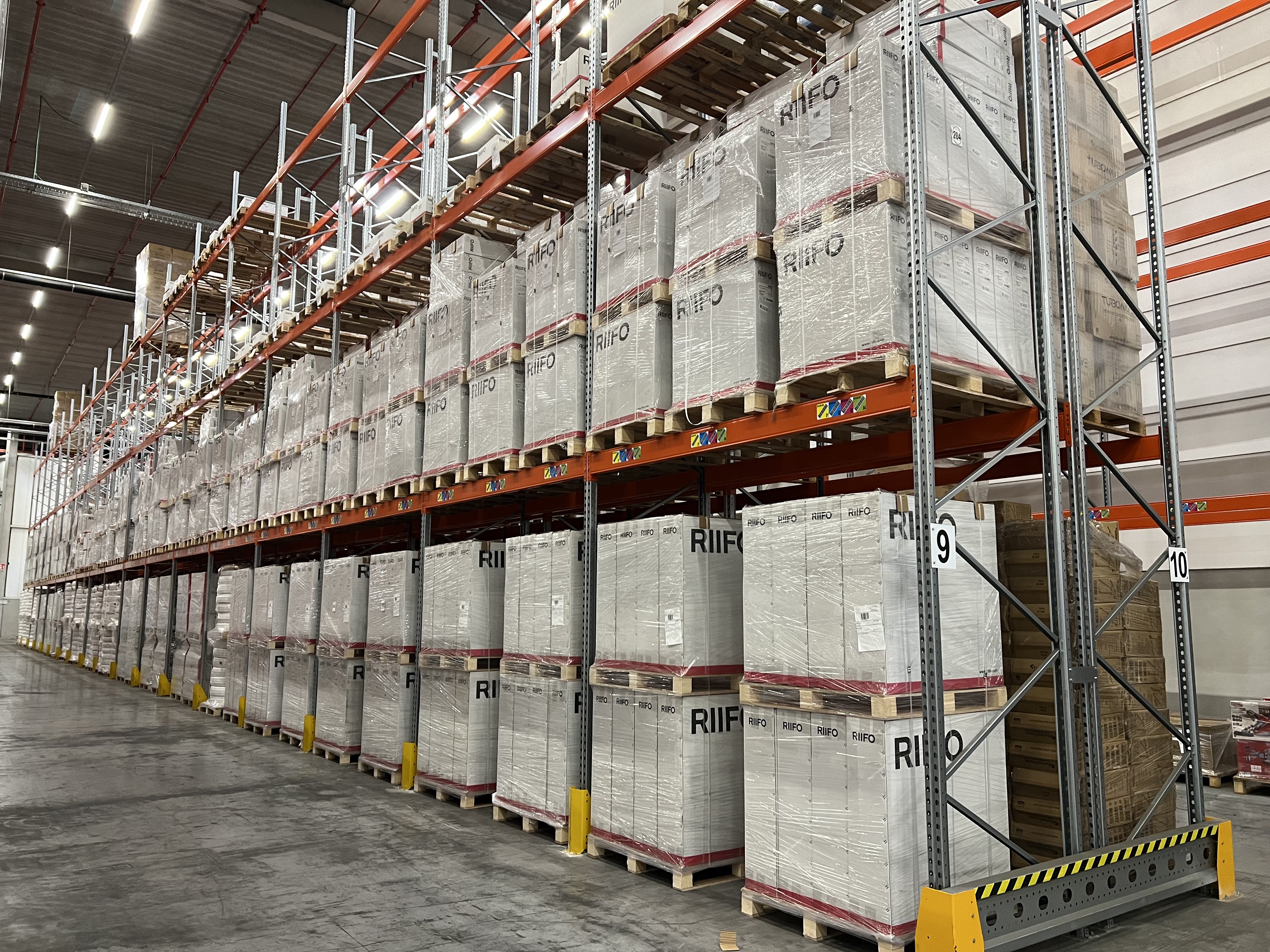
In the domain of refrigerant piping systems, the storage and handling of large orders necessitate a keen focus on logistical, packaging, and supply chain requirements to guarantee material integrity and project success. Ensuring protection against UV radiation, moisture ingress, and deformation is crucial. Palletisation and bundling are essential for efficient transportation and storage, reducing handling time and risk of damage. Warehouse specifications must accommodate the distinct needs of refrigerant piping, maintaining conditions that preserve their integrity.
| Requirement | Importance |
| UV and Moisture Protection | Prevents degradation and maintains quality |
| Palletisation and Bundling | Enhances handling efficiency |
| Warehouse Conditions | Secures ideal storage environment |
Precision in logistics and strategic packaging decisions are essential for successful execution of large-scale HVAC projects.
Risk Mitigation When Buying Refrigerant Piping in Bulk
When procuring refrigerant piping in bulk, mitigating risks is essential to maintaining project integrity and ensuring system reliability. Stakeholders must prioritize supplier selection to avert compromising project stability. A rigorous vendor assessment process is vital, emphasizing quality assurance and compliance with industry standards.
Key considerations include:
- Avoiding low-quality suppliers that may lead to compromised system performance.
- Ensuring thorough warranty provisions and robust after-sales service for long-term support.
- Reducing installation failures by maintaining consistency in materials and fittings, thereby ensuring seamless integration and functionality.
These measures, when diligently executed, safeguard against unforeseen challenges, ensuring the refrigerant piping system’s operational efficiency and durability.
Such diligence not only fosters a dependable HVAC system but also aligns with strategic procurement objectives, optimizing long-term project outcomes.
Specification Checklist for Bulk Refrigerant Piping Purchases
Although often overlooked, developing a thorough specification checklist is essential for ensuring the success of bulk refrigerant piping purchases. It begins with accurately identifying required pipe types and quantities, ensuring alignment with project demands.
Approved fittings, elbows, and connectors must be specified, alongside insulation preferences, whether pre-insulated or non-insulated solutions. Critical documentation, including test reports, certificates, and warranty files, must be compiled to validate compliance with industry standards and project specifications.
Each component’s integration into the larger HVAC system should be considered, ensuring compatibility and performance reliability. By establishing this detailed checklist, stakeholders maintain control over procurement processes, mitigating risks associated with non-compliance or material mismatch, ultimately optimizing project efficiency and system performance.
Why RIIFO Is Ideal for Bulk Refrigerant Piping Procurement
Having established the importance of a thorough specification checklist for bulk refrigerant piping purchases, attention turns to the advantages of selecting RIIFO for such procurement.
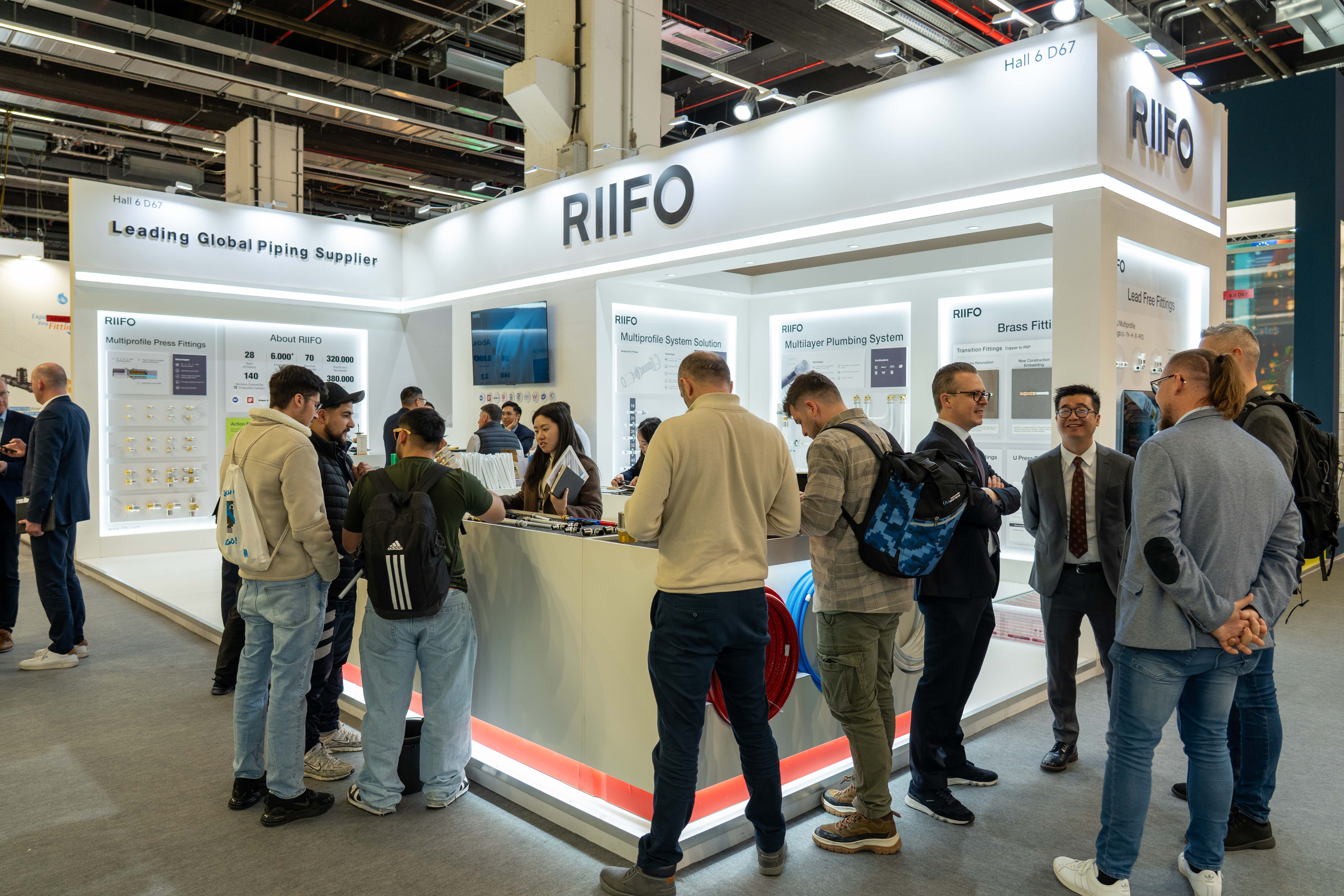
RIIFO offers a compelling combination of long-term reliability and customer assurance through its 25-year product warranty, which underscores product durability and quality assurance.
Additionally, RIIFO enhances consumer protection by providing extensive Product Liability Insurance, safeguarding customers’ legal rights and guaranteeing peace of mind.
Moreover, the strategic placement of local warehouses ensures expedited access to piping systems, reducing lead times and improving operational efficiency for large-scale HVAC projects.
Key benefits of choosing RIIFO include:
- 25-Year Warranty: Guarantees longevity and reliability.
- Product Liability Insurance: Protects customer interests and rights.
- Local Warehousing: Facilitates quick product accessibility.
Frequently Asked Questions
How Do Tariffs Impact the Cost of Bulk Refrigerant Piping?
Tariffs greatly influence bulk refrigerant piping costs by increasing material expenses due to import duties. This impacts budget forecasting, necessitating strategic procurement adjustments and supply chain optimization to mitigate financial exposure and maintain project cost-effectiveness.
What Are the Environmental Regulations for Refrigerant Piping Systems?
Environmental regulations for refrigerant piping systems focus on minimizing leaks, promoting energy efficiency, and guaranteeing compliance with standards like ASHRAE 15 and EPA Section 608, which govern installation, maintenance, and disposal procedures to prevent environmental harm and guarantee system integrity.
Are There Financing Options Available for Bulk Purchases of Refrigerant Piping?
Financing facilities frequently facilitate funding for bulk purchases of refrigerant piping. Various vendors offer flexible payment plans, leasing options, and competitive interest rates. Buyers benefit from these financial frameworks, ensuring cost efficiency and capital conservation in HVAC endeavors.
How Do You Ensure Quality Control in Large-Scale Refrigerant Piping Orders?
Quality control in large-scale refrigerant piping orders is guaranteed through rigorous supplier audits, adherence to ASHRAE standards, non-destructive testing (NDT) procedures, batch sampling, and thorough documentation of manufacturing processes, ensuring compliance with industry specifications and performance reliability.
What Are the Most Common Installation Challenges With Bulk Refrigerant Piping?
The most common installation challenges include misalignment during brazing, inadequate insulation leading to thermal loss, and improper support spacing causing structural strain. Ensuring precise alignment, adequate insulation, and correct hanger placement mitigates these issues effectively.
Conclusion
Bulk purchasing of refrigerant piping systems offers significant advantages: cost efficiency, streamlined logistics, and enhanced supply chain management. By considering key factors, managing risks, and ensuring specifications align with project needs, stakeholders can optimize their HVAC projects. RIIFO emerges as an ideal partner, providing reliability, quality, and competitive pricing. Informed decisions, strategic procurement, and meticulous planning result in successful outcomes, robust infrastructure, and long-term satisfaction. Embrace bulk procurement for superior project execution and sustainable growth.