





NewsDec 25, 2025

Precautions for Installing PPR Pipes

Precautions for Installing PPR Pipes

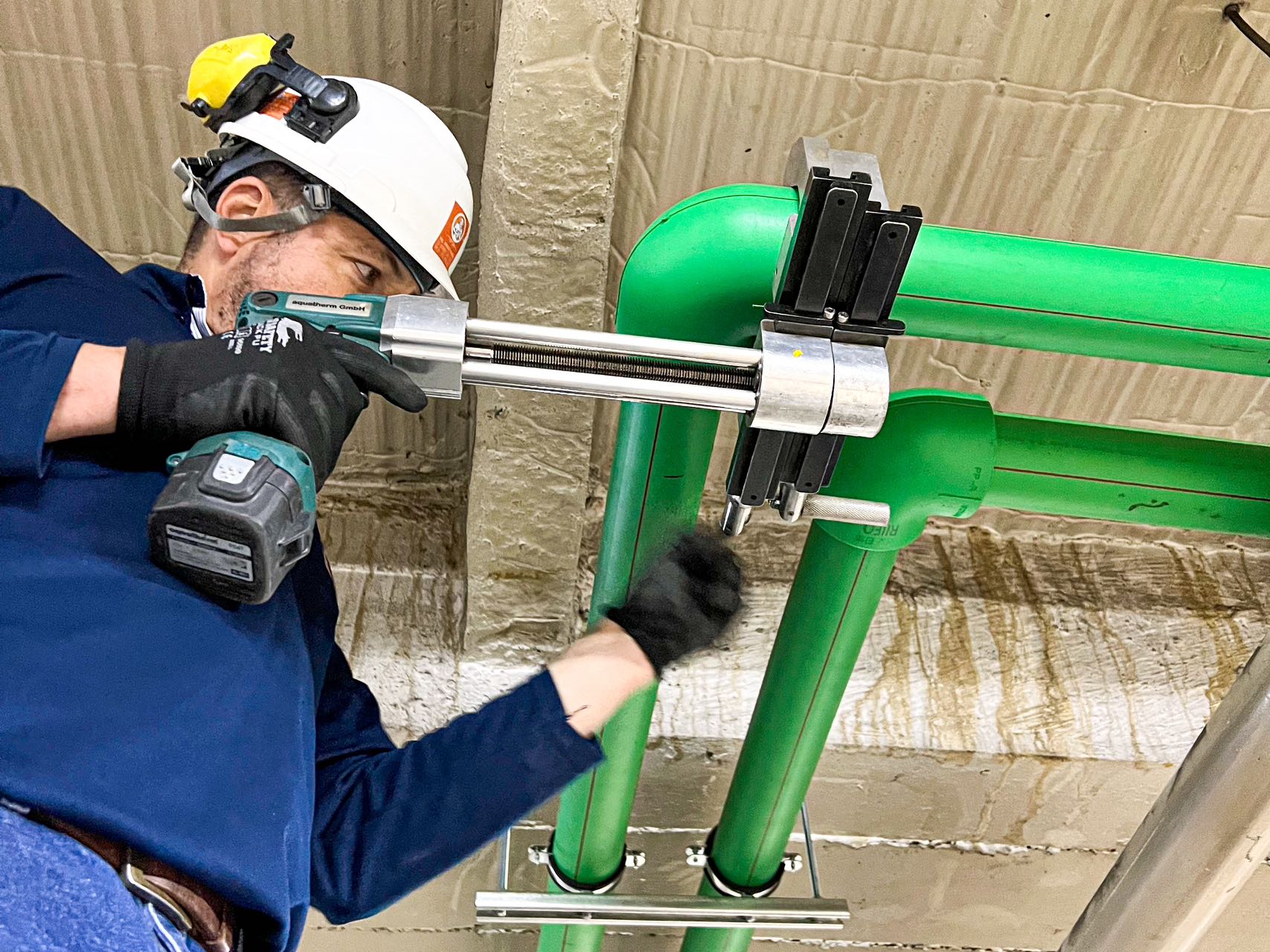
When installing PPR pipes, it essential to assure material quality and compliance with manufacturer specifications. Proper fusion techniques, precise alignment, and adherence to safety protocols minimize risks. Workers must maintain a clean environment, handle tools accurately, and monitor ambient temperatures. Additionally, implementing UV protection and considering thermal expansion with loops enhances system durability. Successful transitions between different materials require compatible fittings. Understanding these precautions leads to a thorough grasp of effective installation practices.

Key Takeaways

  • Ensure proper storage of PPR pipes in a clean, dry area to prevent warping and damage before installation.
  • Adhere to fusion timing and guidelines for precise pipe alignment to maintain joint integrity and prevent leaks.
  • Incorporate expansion loops in long runs to accommodate thermal expansion and prevent stress at joints.
  • Verify compatibility of transition fittings when connecting PPR to other materials to ensure system integrity.
  • Conduct thorough pressure testing and leak inspections post-installation to validate joint performance and safety.

Introduction

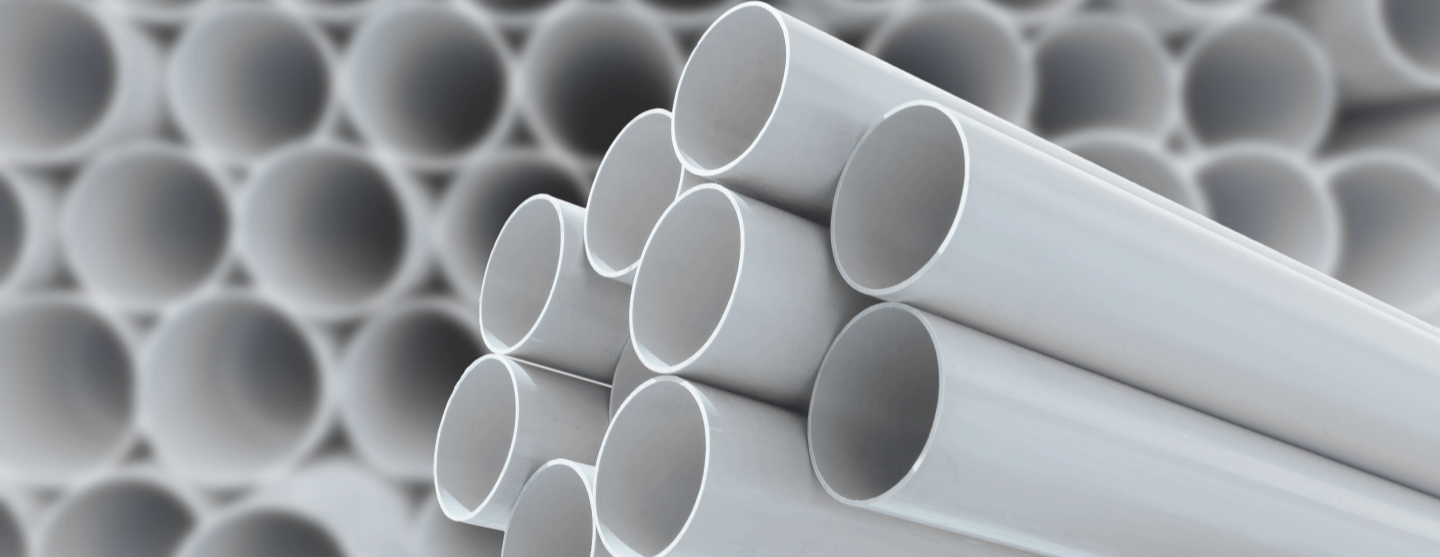
PPR (Polypropylene Random Copolymer) pipes are essential components in modern plumbing and heating systems due to their superior chemical resistance and durability. Proper installation of these pipes is crucial to ensure safety, longevity, and compliance with relevant regulations and standards. Adhering to best practices during installation not only maximizes performance but also minimizes potential hazards associated with improper use.

Importance of PPR (Polypropylene Random Copolymer) pipes in plumbing and heating systems

In what ways do modern plumbing and heating systems benefit from the use of advanced materials? PPR (Polypropylene Random Copolymer) pipes exemplify such materials through their superior extrusion quality and robust performance in diverse applications.

Their resistance to corrosion and chemical degradation assures longevity in both potable water and heating systems. Additionally, precise pigment selection and color customization allow for aesthetic integration while maintaining functionality.

Drainage considerations are critical; PPR pipes accommodate smooth flow, minimizing blockages and enhancing system efficiency. Rigorous batch verification processes further guarantee consistency and reliability, ensuring that each pipe meets stringent standards.

Collectively, these attributes underscore the importance of PPR pipes in contemporary plumbing and heating infrastructures, promising both safety and durability.

Why proper installation is critical for safety, durability, and compliance

How can proper installation impact the overall integrity of plumbing systems? The meticulous installation of PPR pipes is essential for ensuring safety, durability, and compliance with regulatory standards. Adhering to installation protocols not only secures the functionality of the system but also mitigates potential hazards.

Key considerations include:

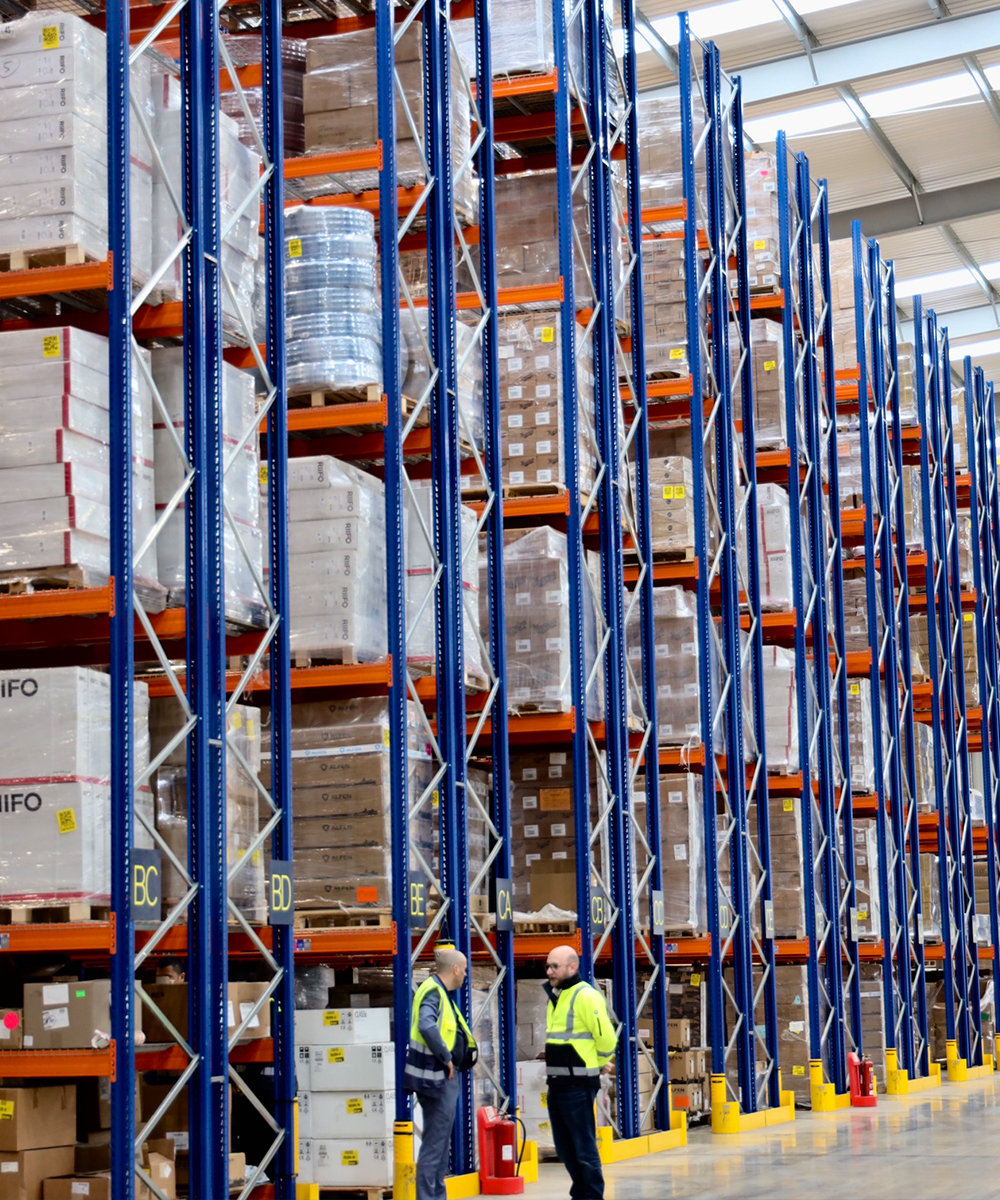
PPR storage that prevents exposure to detrimental conditions prior to installation.

Fusion alignment that guarantees optimal joint integrity, preventing leaks or failures.

Pipe support that maintains system stability and minimizes stress on joints.

Temperature control that accommodates thermal expansion and contraction, thus preserving system longevity.

Surface protection measures further enhance the resilience of PPR installations against environmental factors, ensuring compliance with safety standards.

Material Quality and Compliance

What parameters define the quality and compliance of piping materials in plumbing installations? High-quality PPR pipes must adhere to stringent manufacturer specifications, including pressure ratings and temperature limits. Compliance with standards ensures effective PPR fusion processes, which are transition for joint integrity. UV protection is crucial to prevent degradation from sunlight exposure, as PPR materials can become brittle over time. Additionally, considerations for pipe expansion due to thermal fluctuations necessitate the use of expansion loops or appropriate fittings. Transition fittings must be compatible with existing systems to maintain system integrity. Finally, precise welding alignment is essential during installation to achieve optimal fusion and prevent leaks, thereby ensuring the durability and safety of the plumbing installation.

Construction Environment Requirements

Ensuring optimal construction environment requirements is critical for the successful installation of PPR pipes. Adhering to stringent fusion guidelines and precise pipe alignment enhances the integrity of the installation. Additionally, proper management of the construction environment includes:

Establishing effective electrical grounding to prevent static discharge during fusion processes.

Implementing protocols for waste disposal to minimize environmental impact and maintain site cleanliness.

Ensuring the proper application of closing seals to prevent leaks and maintain system integrity.

Monitoring ambient temperature to avoid extreme conditions that can affect material properties.

These measures collectively contribute to a robust installation process, safeguarding the performance and longevity of PPR piping systems. Mastery of these requirements is essential for professionals in the field.

Worker Safety Precautions

In any construction scenario, worker safety precautions must be prioritized to mitigate potential hazards associated with PPR pipe installation. Proper PPR storage is crucial; materials should be kept in a clean, dry area to prevent damage. Workers must use appropriate cutting tools to ensure precise cuts, reducing the risk of injury. Adherence to fusion timing is essential, as improper timing can lead to joint failure, posing safety risks. Additionally, understanding the compatibility of fittings is vital to prevent leaks and ensure structural integrity. Workers should also be trained to manage thermal expansion through the installation of expansion loops, thereby minimizing potential stress on joints and promoting a safe working environment throughout the installation process.

Piping Layout and Installation

How can an effective piping layout optimize the performance and longevity of PPR installations? A well-planned layout enhances fluid flow and minimizes stress on joints, which is crucial for PPR systems. Key considerations include:

PPR storage: Ensure pipes are stored in a controlled environment to prevent warping.

Cutting accuracy: Achieve precise cuts to ensure proper fit during fusion, reducing the risk of leaks.

Fusion timing: Adhere to specified fusion times to ensure optimal joint integrity and performance.

Temperature handling: Account for the thermal expansion of PPR by incorporating expansion loops in long runs, which mitigates stress on the system.

Implementing these practices ensures a robust and reliable PPR installation, ultimately extending its service life.

Fixing, Support, and Thermal Expansion

What considerations are essential for maintaining the integrity of PPR piping systems during installation?

Ensuring installation quality is paramount, particularly in the context of pipe support and thermal expansion. Adequate pipe supports must be installed to prevent sagging and mitigate stress at joints, which are critical during joint testing. Additionally, provisions for thermal expansion should be accounted for; PPR pipes expand as temperatures rise, necessitating the installation of expansion loops or offsets. Proper spacing between supports is crucial, and supports should allow for movement. Although UV protection is addressed in subsequent discussions, it is vital to install PPR piping systems in shaded or protected environments to safeguard against potential degradation from ultraviolet exposure during installation.

UV and Environmental Protection

When considering the installation of PPR piping systems, the impact of ultraviolet (UV) radiation and environmental factors on material integrity cannot be overlooked. Prolonged UV exposure can lead to significant brittleness and degradation of PPR materials, necessitating effective outdoor protection strategies. To safeguard the integrity of PPR pipes, the following precautions should be implemented:

Utilize insulation wrapping to shield pipes from UV rays.

Apply a specialized UV-resistant coating to enhance surface durability.

Incorporate expansion loops to accommodate thermal expansion and contraction.

Ensure proper placement of pipes in shaded or underground locations when feasible.

These measures are essential in maintaining the longevity and functionality of PPR systems, particularly in outdoor applications where environmental exposure is inevitable.

Mixed-Material Transitions

In the context of PPR piping systems, the integration of different materials presents unique challenges that require careful consideration. Achieving splicing compatibility is vital when transitioning from PPR to other substances, such as PVC or copper, necessitating the use of appropriate fittings. Color customization may be essential for aesthetic alignment, and potential users should ensure that samples are available for evaluation prior to installation. Catalog references from trusted manufacturers provide critical specifications to guide selection and installation practices. Additionally, supplier warranties play a crucial role in safeguarding against material failure, emphasizing the importance of sourcing components from reputable suppliers. Mastery of these elements ensures a reliable, long-lasting piping system that meets all performance criteria.

Pressure Testing and Inspection

How can the integrity of PPR piping systems be ensured during installation? Effective pressure testing and rigorous inspection protocols are essential in achieving reliable performance. PPR testing should be performed to validate pressure levels and ensure joint integrity, minimizing the risk of leaks.

Conduct thorough leak inspection post-installation to identify potential failures.

Implement pressure validation procedures in accordance with local codes and standards.

Document all safety measures and inspection results meticulously to support future maintenance.

Ensure that all joints are inspected for proper fusion and alignment, as inadequate connections can lead to system failures.

Protection, Marking, and Maintenance

What measures are essential for the protection, marking, and maintenance of PPR piping systems? Effective strategies include implementing UV mitigation techniques to prevent PPR aging, particularly for outdoor installations. Utilizing protective coatings and wraps can significantly enhance outdoor protection against ultraviolet exposure. Furthermore, color customization can serve both aesthetic and functional purposes, aiding in the identification of specific pipe functions.

Proper storage conditions are critical; PPR pipes should be kept in clean, dry environments, shielded from direct sunlight and extreme temperatures to maintain integrity. Regular inspections and maintenance ensure early detection of potential issues, reinforcing the system’s longevity and reliability. Such measures are vital for sustaining optimal performance in PPR piping systems.

Frequently Asked Questions

Can PPR Pipes Be Used for Compressed Air Systems?

PPR pipes, while known for durability and heat resistance, are not recommended for compressed air systems due to safety concerns. PPR quality control and appropriate installation tools must be prioritized for optimal performance in other applications.

What Is the Lifespan of PPR Pipes in Various Conditions?

The lifespan of PPR pipes varies significantly based on factors such as material aging, temperature effects, and pressure limits. Installation variance can also influence durability, with optimal conditions extending service life beyond typical expectations.

How Do I Identify Counterfeit PPR Products?

Identifying counterfeit PPR products requires rigorous material verification, assessing supplier authenticity, and ensuring compliance with labeling standards. Additionally, warranty coverage should be scrutinized, as legitimate products typically offer comprehensive guarantees against manufacturing defects and performance issues.

Are There Specific Adhesives Recommended for PPR Joints?

Specific adhesives for PPR joints include solvent cement, ensuring adhesive compatibility. Proper bonding techniques involve selecting appropriate primers and allowing adequate joint curing time to achieve optimal strength and durability in the connections.

What Are the Consequences of Improper Installation Techniques?

Approximately 30% of all plumbing failures stem from improper handling and installation errors. Such mistakes can lead to joint failures, inadequate thermal expansion management, and insufficient pressure testing, ultimately compromising system integrity and performance.

Conclusion

In conclusion, adhering to established precautions during the installation of PPR pipes ensures durability, efficiency, and compliance.

By prioritizing material quality and compliance, maintaining a controlled construction environment, and emphasizing worker safety, installers can enhance system integrity. Additionally, careful attention to piping layout, UV protection, and mixed-material transitions further optimizes performance.

Lastly, implementing rigorous pressure testing and ongoing maintenance safeguards the system against future complications, ultimately fostering a reliable plumbing solution that meets industry standards.