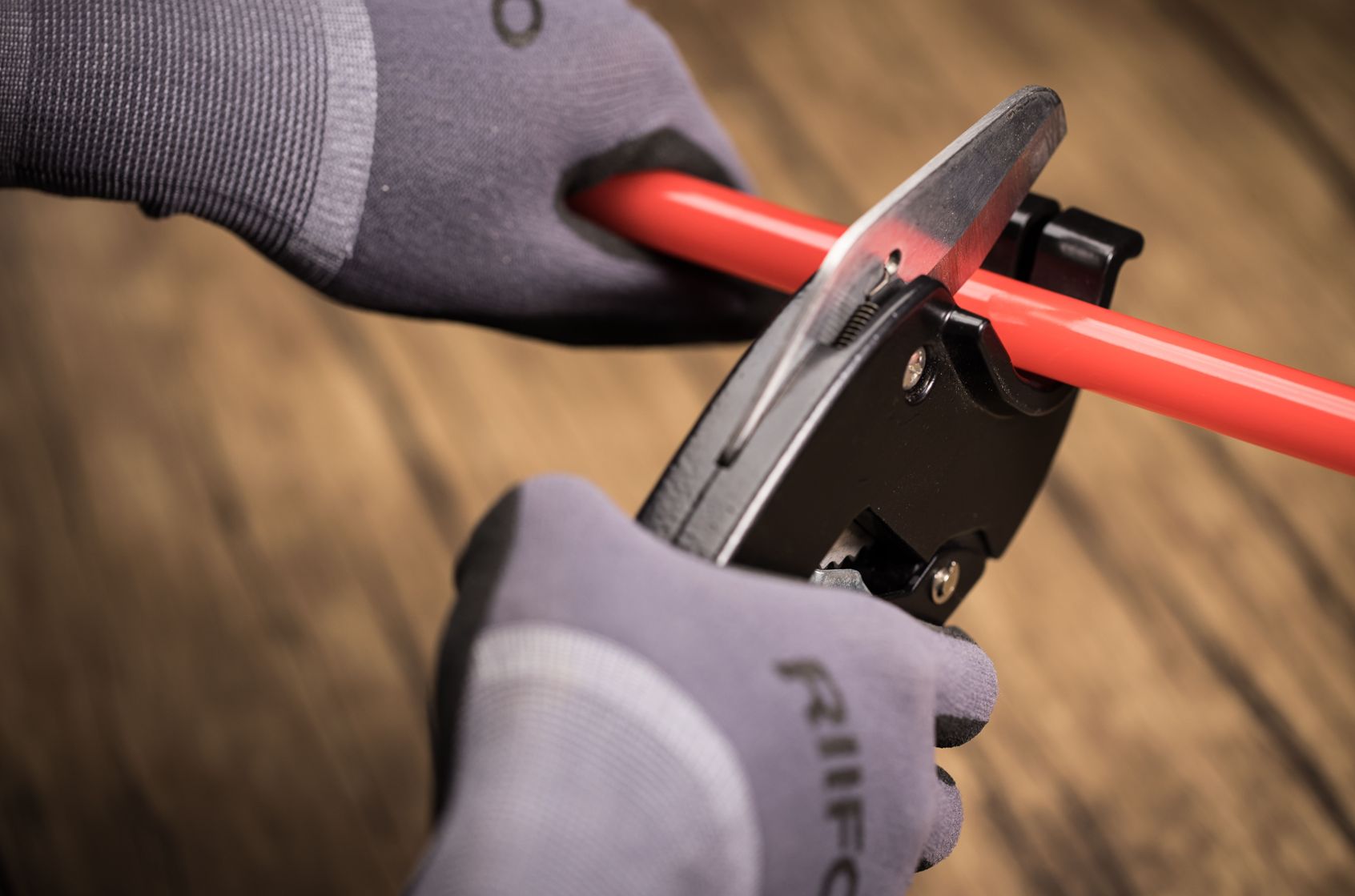
PVC drainage pipes are lightweight and easy to install, offering excellent chemical resistance. In contrast, cast iron provides superior structural strength and fire safety, while HDPE’s flexibility adapts well to shifting ground conditions. Concrete pipes are durable but heavy and complex to install. Each material has unique cost implications, durability factors, and environmental impacts. Understanding these differences is vital for selecting the appropriate pipe for specific applications and performance requirements. Further insights await in the detailed discussion that follows.
Key Takeaways
- PVC pipes are lightweight and easy to install, unlike heavier materials like cast iron and concrete, which require more handling effort.
- PVC offers excellent chemical resistance, while materials like concrete have moderate resistance and may not perform well in aggressive environments.
- PVC is more flexible than cast iron and concrete, making it suitable for shifting ground conditions and confined spaces.
- PVC’s recyclability supports sustainability, but cast iron utilizes 100% postconsumer recycled content, emphasizing environmental considerations.
- Installation costs for PVC can be higher due to fittings, whereas corrugated pipes generally have a lower cost and easier installation.
Overview of Common Drainage Pipe Materials
An analysis of common drainage pipe materials reveals distinct characteristics and applications associated with PVC, cast iron, HDPE, and concrete.
Each material exhibits unique properties regarding strength, durability, and installation requirements, influencing their suitability for various drainage systems.
Understanding these differences is critical for selecting the appropriate material for specific drainage needs.
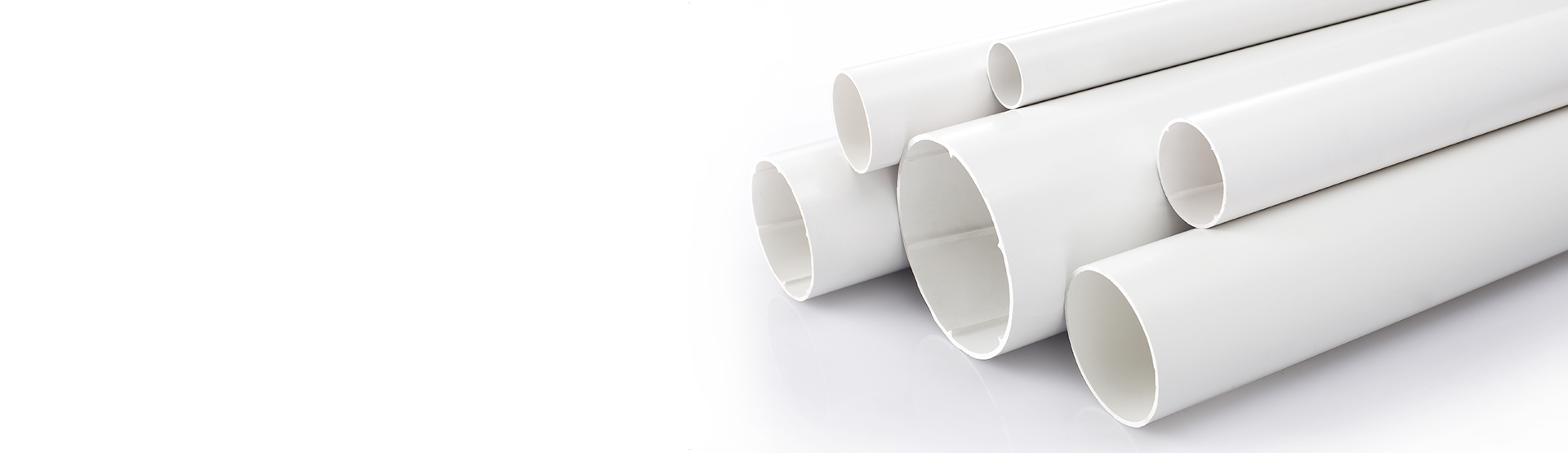
PVC (Polyvinyl Chloride)
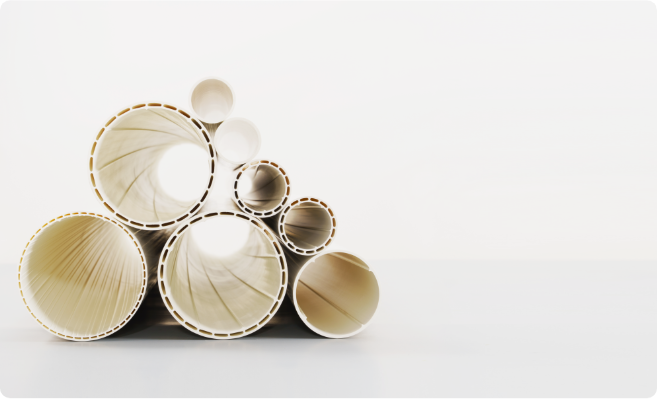
PVC (Polyvinyl Chloride) serves as a predominant choice among drainage pipe materials due to its advantageous properties and versatility in various applications. It exhibits significant resistance to corrosion and chemical degradation, making it suitable for a wide range of environments.
However, PVC disadvantages include limited flexibility compared to corrugated alternatives, which offer enhanced adaptability in challenging installations. Installation challenges arise from the need for fittings to navigate turns, increasing labor and material costs.
Additionally, the environmental impact of PVC production and disposal raises concerns among sustainability advocates. While the corrugated advantages of lower material usage and ease of installation are compelling, the decision between PVC and corrugated pipes ultimately hinges on specific project requirements and environmental considerations.
Cast Iron
Cast iron represents a traditional yet robust choice in the landscape of drainage pipe materials, renowned for its high structural strength and durability. This material exhibits excellent corrosion resistance, primarily due to its graphite content, enhancing its longevity in various environmental conditions.
However, cast iron lacks the pipe flexibility found in modern alternatives, making it more susceptible to installation challenges, particularly in dynamic soil conditions. Additionally, thermal expansion is less pronounced than in plastic counterparts, allowing for more straightforward installation without the need for extensive supports.
The environmental impact of cast iron is mitigated by its composition, utilizing 100% postconsumer recycled content. Overall, cast iron’s reliability remains significant, particularly for underground applications requiring structural integrity.
HDPE
High-Density Polyethylene (HDPE) has emerged as a preferred material in the drainage pipe industry due to its superior resistance to corrosion and chemical degradation.
Known for its corrugated durability, HDPE pipes provide exceptional strength while maintaining pipe flexibility, allowing them to adapt to shifting soil conditions without compromising structural integrity.
The material’s recyclability enhances its appeal, aligning with sustainable construction practices and minimizing environmental impact.
Installation ease is another significant advantage, as HDPE pipes are lightweight and can be deployed quickly in various configurations, reducing labor costs.
Their robust performance in challenging conditions makes HDPE an ideal choice for diverse drainage applications, combining longevity and efficiency with a commitment to environmental responsibility.
Concrete
Concrete is a widely utilized material in the construction of drainage pipes, recognized for its strength and durability. Despite its robust attributes, concrete presents certain challenges, including thermal expansion and increased installation complexity. Its chemical resistance is moderate, making it suitable for various environments, although not ideal for highly corrosive conditions. Additionally, concrete pipes offer noise reduction benefits, contributing to less acoustic disturbance in urban settings. However, the environmental impact of concrete production and its heavy weight can complicate transportation and handling.
| Property | Advantages | Disadvantages |
| Chemical Resistance | Moderate, suitable for many applications | Not suitable for aggressive chemicals |
| Installation Challenges | Strong structural integrity | Heavy and cumbersome to install |
| Environmental Impact | Long lifespan | High carbon footprint |
| Noise Reduction | Effective acoustic dampening | Potentially increased weight |
| Thermal Expansion | Relatively stable under temperature changes | Requires careful design |
Cost Comparison
When comparing the costs of drainage pipe materials, Smooth Wall PVC and corrugated plastic pipes demonstrate significant differences that can impact project budgeting.
Key factors influencing the overall cost include:
- Pipe Stiffness: Smooth Wall PVC typically offers higher stiffness, which can reduce the need for additional support.
- Installation Complexity: The requirement for fittings in PVC increases labor and material costs.
- Environmental Impact: PVC may entail higher initial costs due to production processes, despite being recyclable.
- Fire Safety: Smooth Wall PVC’s combustibility can necessitate additional protective measures, influencing overall expenses.
- Material Recyclability: While corrugated pipes are easier to recycle, the end-of-life considerations for PVC can affect long-term cost evaluations.
These elements must be carefully analyzed to ensure accurate budgeting for drainage projects.
Durability and Performance
Although various drainage materials exhibit distinct durability and performance characteristics, the comparison between Smooth Wall PVC and corrugated plastic pipes reveals critical differences that influence their applications.
Smooth Wall PVC provides exceptional corrosion resistance, making it suitable for harsh chemical environments, while corrugated plastic pipes offer notable pipe flexibility, allowing them to accommodate natural ground settlements.
The installation ease of corrugated pipes, requiring minimal manpower and heavy equipment, contrasts with the more complex installation demands of PVC, which necessitates fittings for turns.
Moreover, both materials boast a degree of material recyclability, although environmental impact assessments may vary.
Ultimately, the choice of drainage material hinges on specific project requirements, including performance expectations and sustainability considerations.
Installation & Maintenance
Effective installation and maintenance of drainage systems are crucial for ensuring peak performance and longevity. To achieve ideal results with PVC drainage pipes, practitioners must adhere to specific guidelines and techniques:
- Guarantee proper pipe installation to prevent misalignments.
- Follow established maintenance requirements to mitigate potential failures.
- Employ effective repair techniques for swift resolution of issues.
- Utilize adequate support systems to counteract external loads.
- Implement reliable joint sealing methods to enhance system integrity.
The careful execution of these practices not only extends the lifespan of the drainage system but also considerably reduces operational disruptions. Recognizing the importance of these elements facilitates informed decisions in both installation and ongoing maintenance efforts.

Longevity and Life Expectancy
Longevity and life expectancy of drainage systems are critical factors influencing material selection and overall project sustainability. PVC pipes exhibit exceptional corrosion resistance, allowing for prolonged use in various chemical environments, thereby enhancing their life expectancy.
Their installation ease contributes to reduced labor costs and expedited project timelines. However, considerations regarding fire safety arise due to PVC’s combustibility, necessitating protective measures in specific applications.
Moreover, the environmental impact of PVC production and disposal, while mitigated by material recycling capabilities, remains a point of contention. In contrast, alternative materials may offer longer lifespans or lower environmental footprints but can lack the same level of installation ease.
Consequently, a thorough analysis of these factors is essential for optimal material selection.
Environmental Considerations
Environmental considerations play a essential role in the selection of drainage materials, particularly when evaluating the sustainability and long-term impacts of PVC pipes compared to alternatives. Key factors include:
Recyclability benefits: PVC can be recycled, reducing landfill contributions.
Chemical resistance: PVC’s resilience against various chemicals minimizes leaching into the environment.
Installation ease: Lightweight PVC allows for quicker installation with less resource expenditure.
Environmental impact: The manufacturing process of PVC involves energy-intensive practices, raising concerns over carbon emissions and resource usage.
Longevity: PVC’s durability extends its lifecycle, potentially reducing the need for replacements.
Understanding these aspects is critical for engineers and decision-makers when balancing performance with environmental stewardship in drainage solutions.
Ideal Applications
When considering the ideal applications for drainage materials, the specific properties of each option must be evaluated to guarantee best performance.
PVC drainage pipes excel in environments requiring chemical resistance and pipe flexibility, making them suitable for industrial and residential applications. Their lightweight nature facilitates easier handling, though installation challenges may arise due to the need for fittings.
Conversely, cast iron pipes, known for their fire safety and structural integrity, are preferable in high-temperature environments, supporting efficient underground drainage.
Additionally, the recyclability of PVC contributes positively to its environmental impact, aligning with sustainable design practices.
Ultimately, the selection of drainage materials must balance performance characteristics with application requirements to achieve the desired results.
Which Pipe Should You Choose?
Selecting the appropriate drainage pipe involves careful consideration of material properties, intended use, and environmental conditions. The decision-making process should encompass various factors, including:
Choosing the right drainage pipe requires thoughtful evaluation of materials, usage, and environmental conditions for optimal performance.
- Installation techniques that ensure proper alignment and support
- Pipe flexibility, which can affect handling and installation in confined spaces
- Repair methods that facilitate maintenance and longevity
- Color coding compliance to adhere to industry standards and enhance identification
- Regulatory standards that dictate material suitability and performance metrics
- Evaluating these criteria will guide the selection of either PVC or alternative drainage materials, guaranteeing ideal performance based on specific project requirements.
Understanding these elements empowers professionals to make informed decisions, balancing performance, cost, and compliance with established guidelines.
Frequently Asked Questions
How Do PVC Pipes Perform in Extreme Weather Conditions?
PVC pipes exhibit moderate performance in extreme weather conditions, with limited UV resistance and susceptibility to thermal expansion. They generally lack freeze tolerance, can degrade under prolonged sun exposure, and may require reinforcement against wind durability challenges.
Are There Alternative Materials to PVC for Specific Drainage Needs?
Alternative materials for drainage systems include cast iron and corrugated plastic, each presenting unique cost considerations, environmental impacts, flexibility options, and varying degrees of chemical resistance, necessitating thorough evaluation to determine suitability for specific applications.
Can PVC Pipes Be Recycled After Their Lifespan?
As a phoenix rises from the ashes, PVC pipes can indeed be recycled through various processes, addressing sustainability concerns. Effective disposal methods and reuse options considerably mitigate their environmental impact, promoting responsible material management in construction.
What Are the Common Installation Mistakes With PVC Pipes?
Common installation mistakes with PVC pipes include improper trench preparation, inadequate support installation, misalignment of pipes, ineffective joint sealing, and improper solvent welding techniques, which can lead to leaks and reduced system performance over time.
How Does Soil Type Affect PVC Pipe Performance?
Soil type profoundly influences PVC pipe performance through soil stability, permeability concerns, compaction effects, erosion impact, and mineral interference. Each factor alters drainage efficiency and structural integrity, necessitating careful assessment during installation and design.
Conclusion
In the intricate landscape of drainage solutions, selecting the right material is akin to choosing the foundation of a sturdy bridge; it determines not only the structure’s integrity but also its long-term functionality. PVC drainage pipes present a compelling option due to their cost-effectiveness and performance characteristics, yet traditional materials like cast iron and corrugated plastic also have their merits. Ultimately, the choice hinges on specific project needs, environmental considerations, and desired longevity, guiding stakeholders toward ideal solutions.