PPR pipes are high-performance plumbing solutions made from Polypropylene Random Copolymer. They exhibit exceptional durability, corrosion resistance, and cost-effectiveness with a lifespan often exceeding 50 years. Available in various types and fittings, PPR pipes are easy to install and maintain. Their compatibility with different applications and environments makes them suitable for both residential and industrial use. Exploring this guide will provide further insights into the benefits, installation processes, and future applications of PPR pipes.
Key Takeaways
- PPR pipes, made from Polypropylene Random Copolymer, offer high durability, corrosion resistance, and longevity, often exceeding 50 years in plumbing applications.
- Available in various types and fittings, PPR-C pipes provide versatility and enhanced resistance to temperature fluctuations for diverse project needs.
- Installation involves accurate measurement, heat fusion for joints, and compatibility checks to ensure a leak-free plumbing system.
- Routine maintenance, including inspections and non-corrosive cleaning, is essential for identifying issues and enhancing the longevity of PPR pipes.
- PPR pipes are eco-friendly, being recyclable and produced through sustainable manufacturing processes, reducing overall environmental impact.
Introduction to PPR Pipes and Fittings
PPR pipes, composed of Polypropylene Random Copolymer, are increasingly recognized for their application in plumbing systems due to their robust characteristics.
Their advantages, including high durability, corrosion resistance, and cost-effectiveness, make them a preferred choice over traditional materials such as PVC and copper.
This section will explore the fundamental properties of PPR pipes and the rationale behind selecting them for various plumbing applications.
What Are PPR Pipes?
Polypropylene Random Copolymer (PPR) pipes represent a significant advancement in plumbing technology, offering a robust and versatile solution for fluid conveyance in various applications.
The history of PPR pipes dates back to the 1980s, when innovations in polymer chemistry led to their manufacturing. These pipes meet stringent PPR pipe standards, ensuring safety and efficiency in water supply systems.
Their longevity, often exceeding 50 years, is attributed to superior resistance to corrosion and temperature extremes, making them suitable for diverse environments.
PPR pipe innovations continue to enhance their performance, including improved fusion techniques for seamless connections and enhanced insulation properties, thereby solidifying their position as a reliable choice in modern plumbing infrastructure.
Why Choose PPR Pipes?
Why opt for PPR pipes in plumbing applications? PPR pipes offer significant sustainability benefits, as they are recyclable and reduce environmental impact compared to traditional materials.
A cost comparison reveals that PPR is often more economical than copper or steel, making it appealing for budget-conscious projects.
Installation techniques are straightforward, allowing for quick assembly with minimal labor costs.
Performance metrics indicate that PPR pipes exhibit superior resistance to corrosion, temperature extremes, and pressure, aligning with industry standards for durability and safety.
Their long lifespan and low maintenance requirements further enhance their appeal, providing a reliable solution for both residential and commercial plumbing needs.
Types of PPR Pipes and Fittings
The classification of PPR pipes and fittings is essential for understanding their applications and performance characteristics.
Specifically, PPR-C pipes, along with various common fittings, serve distinct roles in plumbing systems, influencing both installation techniques and system efficiency.
Additionally, the APL Apollo PPR-C pipes exemplify quality and versatility, catering to a wide range of plumbing requirements.
PPR-C Pipes
PPR-C pipes, a prominent category within the domain of PPR piping systems, are recognized for their superior structural integrity and versatility.
These pipes exhibit significant PPR pipe advantages, such as enhanced resistance to temperature fluctuations and corrosion, making them suitable for diverse PPR pipe applications.
The PPR pipe market has seen a surge in demand for these pipes due to their lightweight nature and ease of PPR pipe installation.
Additionally, PPR-C pipes are available in both single-layer and triple-layer formats, catering to varying project requirements.
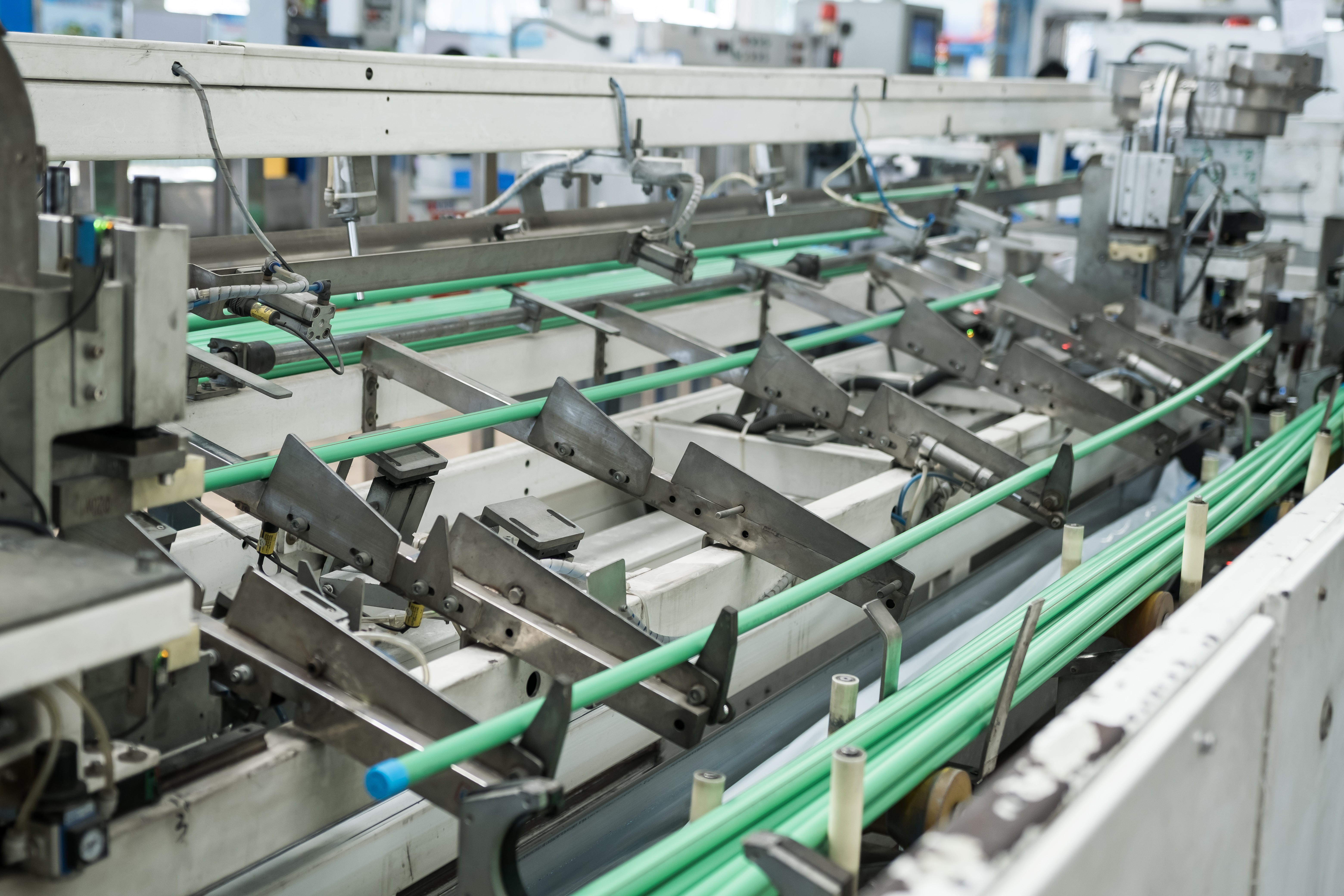
Leading PPR pipe manufacturers emphasize quality in their production, ensuring that these pipes maintain long-lasting performance and reliability in both residential and industrial plumbing systems, solidifying their place in modern infrastructure.
Common PPR Fittings
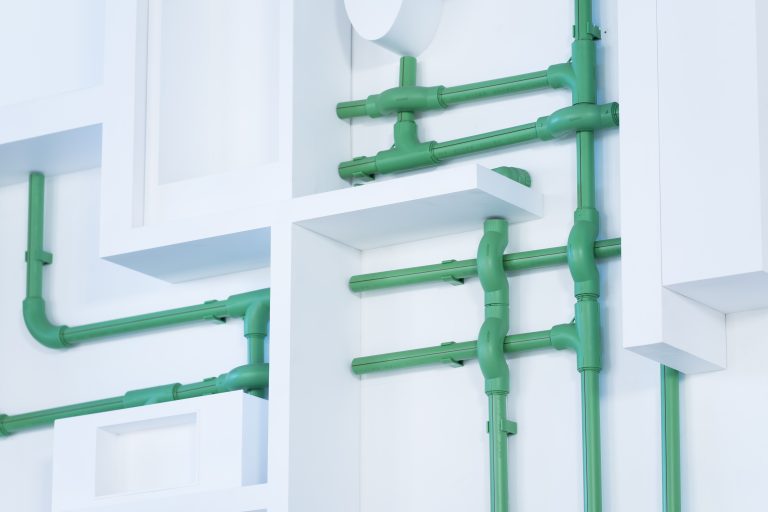
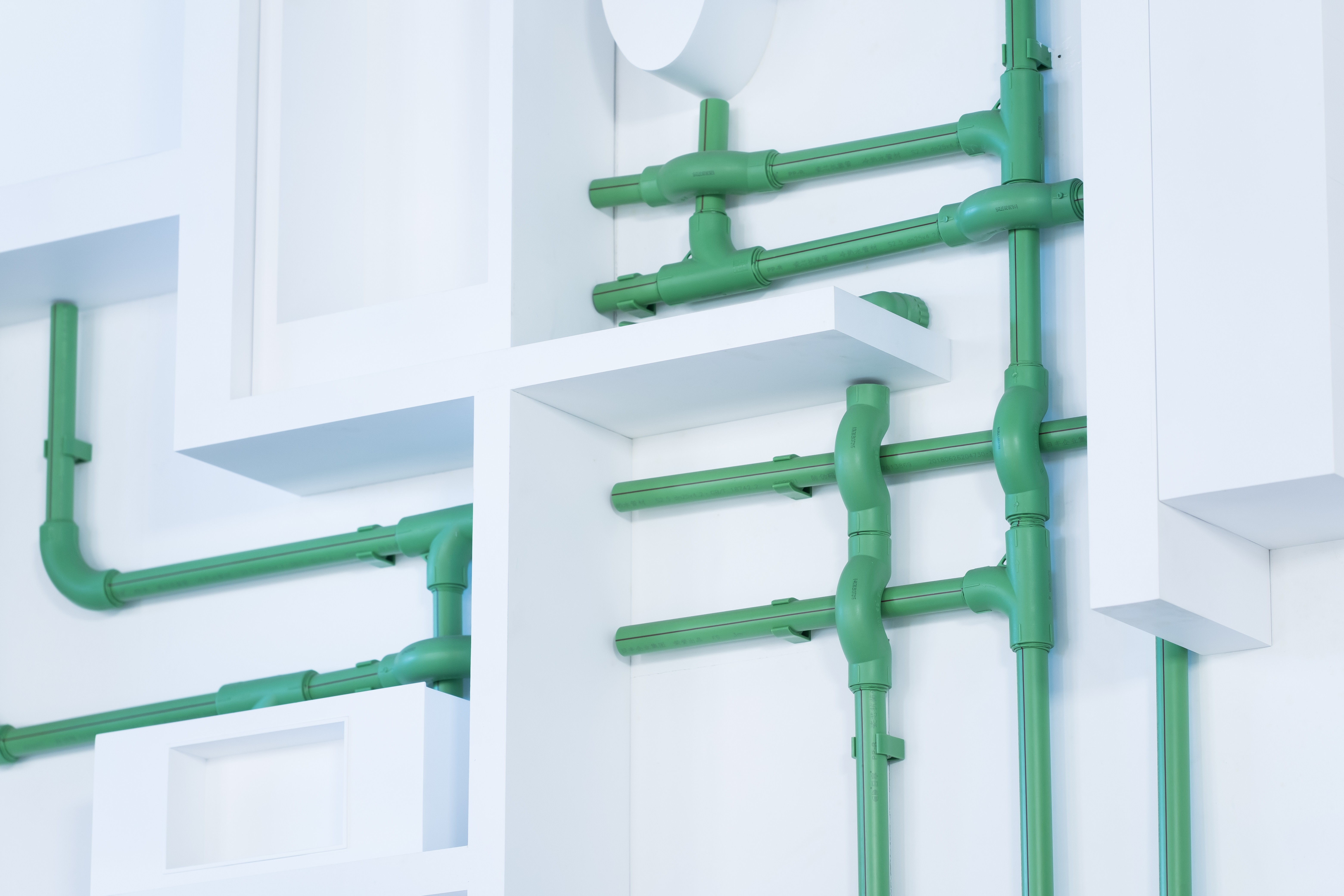
Common PPR fittings are essential components in plumbing systems, facilitating the efficient transport and management of fluids. Various fitting types, including elbows, tees, couplings, reducers, end caps, and valves, serve specific functions in fluid dynamics.
Installation tips emphasize the importance of proper alignment and fusion welding techniques to guarantee leak-proof joints. Compatibility issues may arise when integrating PPR fittings with other materials, necessitating careful selection to avoid potential failures.
A cost comparison reveals that while initial expenses may be higher than alternatives, long-term savings in maintenance practices and longevity make PPR fittings a preferred choice. Ultimately, understanding these aspects enhances the effectiveness and reliability of plumbing systems, assuring peak performance in diverse applications.
APL Apollo PPR-C Pipes
APL Apollo PPR-C pipes represent a robust solution for plumbing applications, offering a range of sizes from 20mm to 110mm to accommodate various project requirements.
These pipes are renowned for their durability, making them ideal for both residential and commercial plumbing needs. The advantages of PPR pipes include high resistance to corrosion and temperature fluctuations, ensuring a long lifespan with minimal maintenance.
Installation is straightforward, utilizing heat fusion techniques that create seamless joints for maximum flow efficiency. Additionally, APL Apollo PPR-C pipes are designed to withstand high pressure, further enhancing their reliability in diverse environments.
Their versatility aligns well with various PPR pipe applications, confirming their place as a preferred choice among plumbing professionals.
Factors to Consider When Choosing PPR Fittings
When selecting PPR fittings, it is essential to assess the specific project requirements to guarantee compatibility with the intended application.
Additionally, the fittings must meet temperature and pressure compatibility standards to maintain system integrity under operational conditions.
Adhering to established quality standards further assures reliability and longevity of the fittings in various plumbing systems.
Project Requirements
What factors should project managers consider when selecting PPR fittings?
Project specifications play a significant role, as they dictate the necessary dimensions and types of fittings required.
Installation guidelines must be followed to guarantee peak performance and compliance with safety standards.
Material compatibility is essential to prevent chemical reactions that could compromise the system’s integrity.
A thorough cost analysis should be conducted to evaluate not only the initial investment but also long-term maintenance expenses.
Finally, the environmental impact of chosen materials cannot be overlooked; selecting eco-friendly options contributes to sustainability efforts.
Temperature and Pressure Compatibility
Temperature and pressure compatibility is essential for guaranteeing the reliability and longevity of PPR fittings in various plumbing applications. When selecting PPR fittings, one must consider temperature resistance and pressure ratings, as improper compatibility can lead to system failures. Thermal expansion is another critical factor, which can affect the integrity of the fittings over time. Insulation properties also play a role in maintaining performance under varying conditions. Understanding the application limits of PPR fittings guarantees they function effectively within their designed parameters.
| Factor | Consideration |
| Temperature Resistance | Must align with application needs |
| Pressure Ratings | Should meet system specifications |
| Thermal Expansion | Account for dimensional changes |
Quality Standards
Quality standards play a significant role in the selection of PPR fittings, influencing their performance and longevity in various plumbing systems.
When evaluating PPR pipe sustainability, factors such as material durability and environmental impact emerge as critical metrics.
Additionally, reviewing installation challenges is paramount; fittings must guarantee compatibility with existing piping to prevent leaks under pressure.
Temperature variations can affect the integrity of fittings, necessitating a thorough understanding of performance metrics that dictate their operational limits.
Ultimately, the relationship between PPR fitting compatibility and the overall effectiveness of the plumbing system is essential.
Adhering to stringent quality standards not only enhances system reliability but also provides peace of mind for users concerned about long-term functionality.
Installation Process: How to Properly Install PPR Pipes and Fittings
Although the installation of PPR pipes and fittings may seem straightforward, it requires meticulous attention to detail to guarantee a secure and leak-free system.
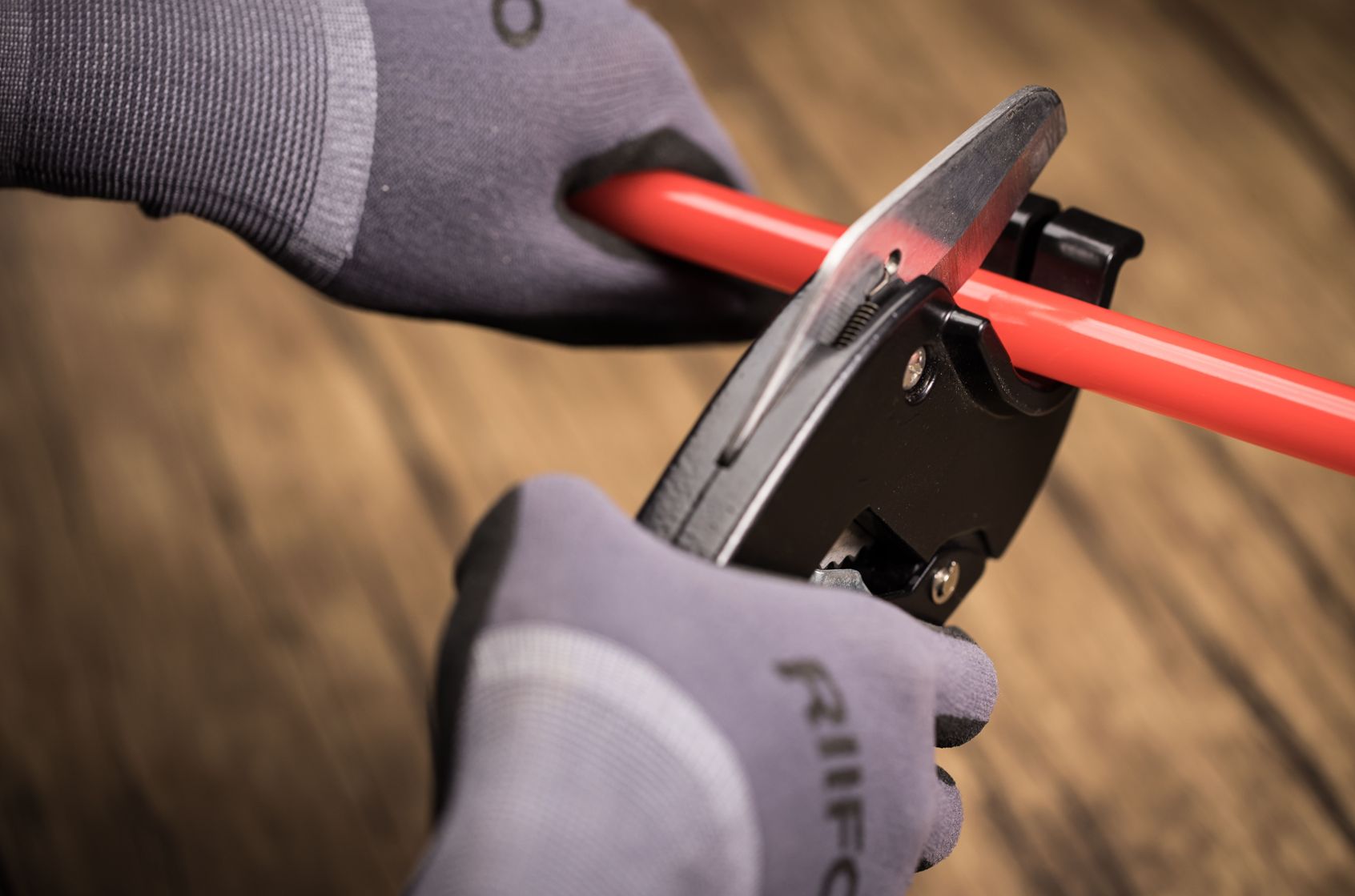
Proper PPR installation tips include ensuring compatibility among PPR pipe types and fittings, such as elbows, tees, and couplings. The process begins with accurately measuring and cutting the pipes, followed by thorough cleaning of the ends.
Heat fusion is recommended for joints, ensuring a solid bond that capitalizes on PPR pipe advantages, including durability and resistance to corrosion.
Additionally, conducting pressure tests post-installation is essential to verify system integrity.
Regular PPR pipe maintenance further enhances longevity and performance, establishing a reliable plumbing infrastructure that meets both residential and commercial needs.
Maintenance and Care for PPR Pipes
Effective maintenance and care of PPR pipes are critical to guarantee their longevity and ideal performance.
Regular routine inspections should be conducted to identify potential issues, while cleaning and preventative measures can mitigate the risk of blockages or damage.
Long-term care involves adhering to manufacturer guidelines and monitoring the system for signs of wear or degradation.
Routine Inspections
Regular routine inspections of PPR pipes are vital for guaranteeing their longevity and optimal performance.
These inspections play a significant role in preventive maintenance, helping to identify potential issues before they escalate. System monitoring allows for timely leak detection and performance assessments, safeguarding the integrity of plumbing systems.
Key components of routine inspections include:
- Visual checks for signs of wear or damage
- Monitoring joint integrity to prevent leaks
- Assessing pipe alignment and stability
- Verifying insulation effectiveness
- Testing pressure levels to ascertain peak function
Cleaning and Preventative Measures
Maintaining the cleanliness and functionality of PPR pipes is essential for ensuring their long-term performance and reliability. Effective cleaning techniques involve using non-corrosive cleaners, ensuring the removal of debris and buildup that could impair flow.
Implementing regular preventative maintenance, including periodic flushing, can greatly enhance pipe longevity. Establishing thorough inspection routines allows for early detection of potential issues, enabling timely interventions.
Care tips such as avoiding exposure to extreme temperatures and using proper insulation further contribute to the durability of PPR systems. By adhering to these guidelines, users can foster a proactive approach to the maintenance of PPR pipes, ensuring they remain efficient and effective in their designated applications.
Long-Term Care
Long-term care of PPR pipes involves a systematic approach to maintenance that guarantees peak performance and longevity.
Ensuring the reliability of PPR pipe longevity requires diligent attention to several key aspects:
Regular inspection for wear or damage to avoid costly repairs.
Adhering to installation tips that maximize the efficacy of fusion techniques.
Monitoring temperature and pressure conditions to prevent failures.
Evaluating the environmental impact of usage and disposal.
Conducting periodic cost analysis to assess efficiency and sustainability.
PPR Pipe Performance in Various Conditions
PPR pipes demonstrate notable performance across varying environmental conditions, particularly in their resistance to heat and cold, which allows for application in both hot and chilled water systems.
Their inherent chemical resistance enables safe transportation of various fluids without degradation, making them suitable for diverse industrial applications.
Additionally, the corrosion resistance of PPR pipes guarantees longevity and reliability, considerably reducing maintenance needs over time.
Resistance to Heat and Cold
When subjected to extreme temperatures, the performance of piping materials is essential for ensuring system reliability and longevity. PPR pipes exhibit commendable resistance to both heat and cold, making them suitable for various applications. Their thermal expansion capabilities allow for adaptability, while their insulation properties minimize heat absorption and energy loss.
Key attributes include:
- Freeze resistance that safeguards against bursting in frigid conditions.
- Robust performance during temperature extremes, ensuring system integrity.
- Longevity that reduces the need for frequent replacements.
- Low thermal conductivity which enhances energy efficiency.
- Versatility in applications across residential, commercial, and industrial sectors.
Together, these factors solidify PPR pipes as a reliable choice for plumbing projects facing challenging thermal conditions.
Chemical Resistance
Chemical resistance is a critical factor in determining the suitability of piping materials for various applications. PPR pipes exhibit exceptional chemical durability, making them ideal for transporting corrosive substances in diverse environments. Their material properties guarantee minimal environmental impact, contributing to sustainable plumbing solutions.
| Chemical Agent | Resistance Level | Typical Applications | Market Trends |
| Acids | Moderate | Industrial waste | Increasing demand |
| Bases | High | Chemical processing | Expanding usage |
| Organic Solvents | Low | Laboratory settings | Niche applications |
| Salts | High | Water treatment systems | Growing interest |
Proper installation techniques enhance the performance of PPR pipes, aligning with evolving market trends that prioritize longevity and reliability in plumbing projects.
Corrosion Resistance
Corrosion resistance plays a pivotal role in the longevity and reliability of piping systems, particularly in harsh environments. PPR pipes exhibit superior corrosion resistance benefits, outperforming metal alternatives in diverse applications. Rigorous corrosion resistance testing guarantees compliance with established corrosion resistance standards, proving their durability.
Key advantages include:
Extended lifespan, reducing replacement costs.
Enhanced safety for potable water transport.
Minimal maintenance requirements, saving time and resources.
Flexibility in installation, adapting to various conditions.
Environmental sustainability, reducing waste from replacements.
A thorough corrosion resistance comparison with other materials highlights PPR pipes as a preferred choice in plumbing projects.
Their robust performance in corrosive environments solidifies their status as a reliable solution for modern plumbing needs.
Advanced Applications of PPR Pipes
Advanced applications of PPR pipes extend beyond traditional plumbing, encompassing critical roles in industrial systems where durability and chemical resistance are paramount.
Their sustainability attributes, including long lifespan and recyclability, contribute to reduced environmental impact, aligning with modern eco-friendly practices.
Additionally, ongoing innovations in PPR technology suggest emerging uses that could redefine the capabilities of piping in diverse sectors.
Use in Industrial Systems
In industrial systems, PPR pipes demonstrate significant versatility and reliability, making them an ideal choice for a wide range of applications.
Their robust characteristics lend themselves well to:
- Efficient fluid transport, guaranteeing seamless operations
- Reliable performance in pressure systems, enhancing safety
- Effective chemical handling, safeguarding against corrosion
- Cost-effective solutions, reducing long-term operational expenses
- Lightweight design, facilitating easier installation and maintenance
These PPR pipe applications are particularly advantageous in industrial plumbing, where the demands for durability and resistance are paramount.
Sustainability and Environmental Benefits
As industries increasingly prioritize sustainability, PPR pipes emerge as a preferred choice due to their environmentally friendly properties and long-term viability.
Manufactured from sustainable materials, PPR pipes offer an eco-friendly alternative to traditional plumbing solutions. Their production involves eco-friendly manufacturing processes that minimize energy consumption and waste reduction.
PPR pipes exhibit high energy efficiency, reducing the overall carbon footprint during use. A thorough lifecycle assessment demonstrates that these pipes last considerably longer than alternatives, decreasing the frequency of replacements and associated environmental impact.
Their durability and resistance to corrosion further contribute to a sustainable plumbing infrastructure.
Innovative Future Uses
While the traditional applications of PPR pipes in plumbing and industrial systems are well-established, emerging innovations indicate potential for advanced uses in various sectors.
Future technologies are steering PPR pipes toward transformative roles, including:
Smart plumbing systems that monitor water flow and leaks in real-time.
Eco-friendly solutions for sustainable agriculture irrigation.
Advanced materials that enhance thermal efficiency in building designs.
Integration with renewable energy systems for efficient heat exchange.
PPR pipes utilized in electric vehicle charging infrastructure.
These innovative applications underscore the versatility of PPR pipes, extending their impact beyond conventional plumbing.
As industries embrace these advancements, PPR pipes are poised to become integral to modern infrastructure, fostering a more sustainable and connected future.
Common Troubleshooting Issues with PPR Pipes
Common troubleshooting issues with PPR pipes include leakages and pressure loss, which can greatly impact system efficiency.
Additionally, the thermal expansion and contraction of PPR materials may lead to misalignment or stress at joints.
Failures in fittings and connections can further compromise the integrity of the plumbing system, necessitating careful inspection and maintenance.
Leakages and Pressure Loss
Leakages and pressure loss in PPR pipes can considerably compromise the efficiency and reliability of plumbing systems, necessitating careful troubleshooting.
Effective leak detection methods include visual inspections and acoustic sensors, while pressure testing techniques help identify weak points. To mitigate issues, pipe insulation options should be considered to minimize thermal expansion.
Additionally, system design considerations are vital for ensuring ideal flow rates.
- Inefficient water flow
- Increased utility bills
- Risk of structural damage
- Water quality concerns
- Frustration and stress
Flow rate analysis further assists in diagnosing problems. By addressing these issues promptly, one can restore system integrity and maintain the longevity of PPR piping systems.
Pipe Expansion and Contraction
As temperatures fluctuate, the phenomenon of pipe expansion and contraction becomes a notable concern in the performance of PPR piping systems.
Pipe expansion occurs when temperatures rise, leading to increased length, while thermal contraction follows a temperature drop, causing pipes to contract. These changes can introduce pressure fluctuations within the system, potentially compromising joint integrity if not properly managed.
Installation challenges arise when fittings and supports do not accommodate these movements, resulting in stress at critical junctions. To mitigate issues, planners should consider thermal expansion coefficients during installation, ensuring adequate space for movement.
Fittings and Connections Failures
While the durability of PPR pipes is widely recognized, failures at fittings and connections can undermine system integrity. Common issues often arise from improper installation or material selection, leading to costly repairs and system downtime.
Key factors to take into account include:
- Fitting alignment techniques to guarantee proper connections.
- Connection durability analysis to evaluate potential weak points.
- Leak detection methods for early identification of issues.
- Installation troubleshooting tips to rectify common errors.
- Sealing compound options that enhance joint integrity.
Addressing these concerns proactively can greatly reduce the likelihood of failures, guaranteeing a reliable plumbing system that meets performance expectations.
Employing best practices in installation and maintenance is essential for long-lasting functionality.
Why Choose PPR Pipes from RIIFO?
When selecting PPR pipes for various plumbing projects, choosing Riifo stands out as a strategic decision due to the brand’s commitment to quality and sustainability.
Riifo offers PPR pipe benefits such as excellent durability, resistance to temperature fluctuations, and low maintenance requirements, making them ideal for both residential and commercial applications.
Riifo’s PPR pipes provide unmatched durability and low maintenance, perfect for any plumbing project.
The company provides extensive installation techniques to guarantee secure fittings and connections. In addition, Riifo emphasizes cost comparison, delivering competitive pricing without compromising performance.
Their focus on environmental impact aligns with modern plumbing needs, as PPR pipes are recyclable and energy-efficient.
Frequently Asked Questions
Can PPR Pipes Be Recycled After Use?
PPR pipes can be recycled, benefiting waste management and sustainability practices. Their material properties allow for reprocessing, reducing environmental impact. The recycling process involves grinding, melting, and reforming, contributing to a circular economy in plastic usage.
What Tools Are Required for PPR Pipe Installation?
In PPR pipe installation, essential tools include cutting tools for precision, fitting methods for secure joints, sealing solutions to prevent leaks, installation tips for efficiency, and safety precautions to guarantee a safe work environment.
How Long Do PPR Pipes Typically Last?
The lifetime expectancy of PPR pipes typically ranges from 25 to 50 years, influenced by durability factors such as environmental impact, following installation guidelines, and adhering to maintenance tips to guarantee peak performance throughout their lifespan.
Are There Any Restrictions on PPR Pipe Sizes?
In the intricate dance of plumbing, PPR pipe diameters vary based on applications. While standards dictate sizing for fittings, advantages include flexibility, enabling tailored solutions. Understanding these restrictions guarantees peak performance and longevity in diverse systems.
Can PPR Pipes Be Used for Gas Lines?
PPR pipes can be used for gas lines, adhering to specific PPR pipe standards. While they offer advantages like corrosion resistance, disadvantages include potential safety concerns, necessitating careful consideration of PPR pipe applications in such contexts.
Conclusion
To summarize, PPR pipes emerge as a robust solution, akin to a resilient river flowing through diverse terrains, showcasing durability and adaptability. Their seamless integration into plumbing projects—be it residential, commercial, or industrial—provides a steadfast foundation, much like the unyielding roots of a mighty tree. With proper installation and maintenance, these pipes promise longevity and reliability, ensuring that the lifeblood of water systems flows uninterrupted, ultimately enhancing the efficiency and sustainability of plumbing infrastructure.