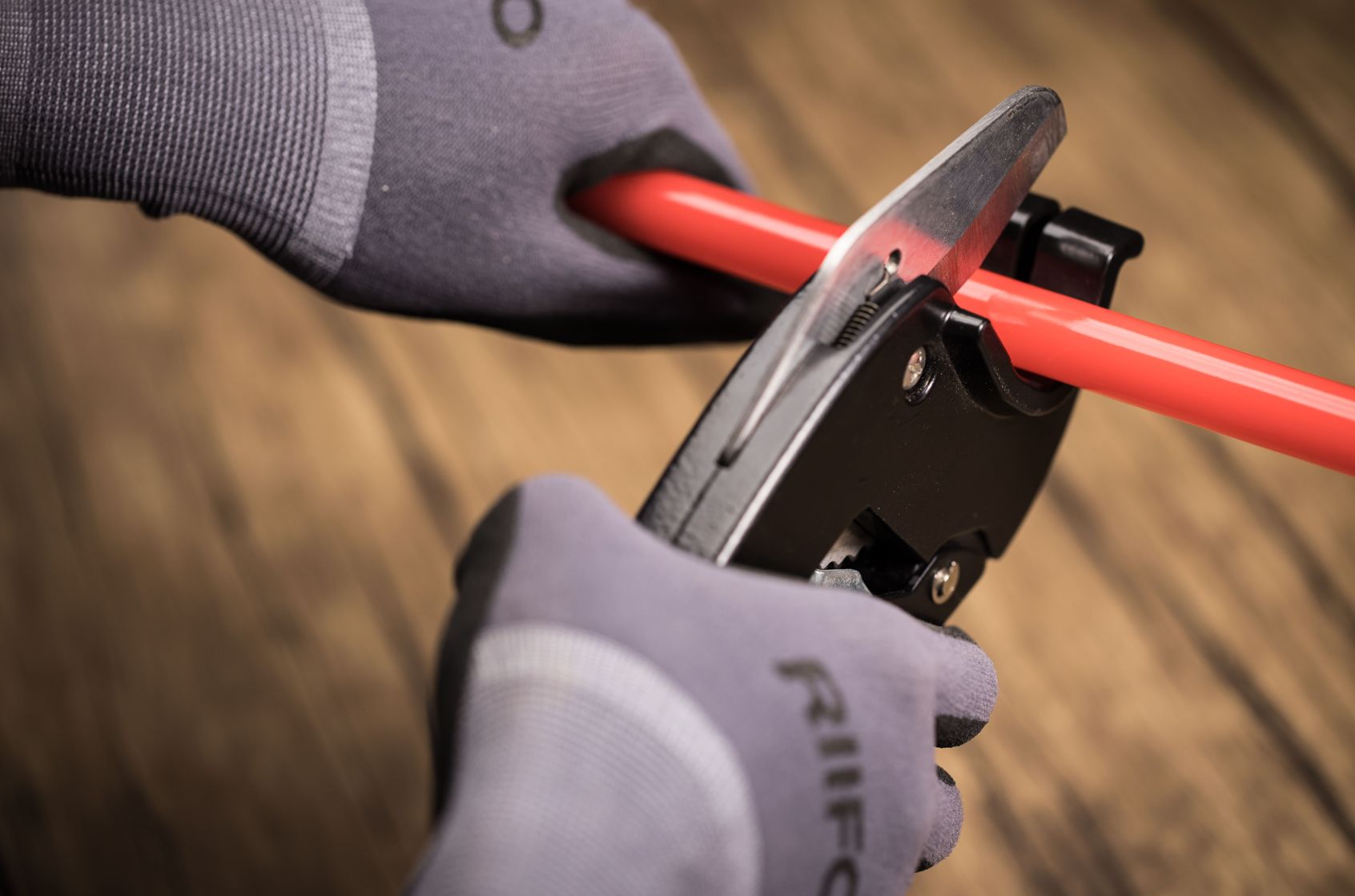
Key considerations when installing commercial air conditioning piping include proper sizing to ensure optimal fluid flow and minimize energy waste. Selecting the right materials, such as copper or steel, is crucial for durability and heat transfer. An efficient layout enhances airflow and temperature control, while effective insulation reduces thermal loss. Proactive maintenance planning is essential for system longevity and performance. By incorporating these elements, one can achieve a highly efficient HVAC system that meets both immediate and future needs.
Key Takeaways
- Ensure piping is properly sized to optimize fluid flow and minimize energy waste in the HVAC system.
- Implement a zoning strategy to enhance temperature control tailored to varying occupancy patterns across the building.
- Choose suitable pipe materials, like copper for thermal conductivity or Riifo’s thermoplastics for corrosion resistance and cost-effectiveness.
- Plan for proper insulation to minimize thermal loss, improving overall system performance and energy efficiency.
- Regular maintenance and lifecycle planning are essential for sustaining system functionality and addressing future replacements.
Why piping is the backbone of commercial HVAC efficiency?
Why is piping considered the backbone of commercial HVAC efficiency? The effectiveness of HVAC systems hinges on precise system sizing and a well-implemented zoning strategy. Properly sized piping facilitates optimal fluid flow, minimizing energy waste while ensuring adequate heating and cooling performance. Adherence to installation best practices is critical, as misalignment or inadequate support can lead to system inefficiencies and premature wear. Moreover, proactive maintenance planning, including regular inspections and timely repairs, is essential for sustaining optimal functionality. Implementing robust energy monitoring systems allows for real-time analysis, enabling swift identification of inefficiencies and further enhancing performance. Collectively, these elements underscore the pivotal role of piping in achieving high-efficiency commercial HVAC operations.
Assess Building and System Requirements
Evaluating building and system requirements is essential for ensuring peak HVAC performance in commercial spaces. A comprehensive analysis of space sizing facilitates the determination of appropriate cooling capacities tailored to the specific dimensions of the environment. Implementing an effective zoning strategy allows for targeted temperature control, optimizing energy efficiency based on varying occupancy patterns throughout the facility. Layout considerations must also be meticulously planned to enhance airflow and maintain uniform climate conditions across diverse areas.
Moreover, anticipating future expansion needs ensures that the HVAC system remains adaptable, accommodating potential changes in occupancy and spatial organization. This structured approach is crucial for achieving both immediate comfort and long-term operational efficacy in commercial air conditioning systems.
Choosing the Right Pipe Materials
The selection of pipe materials in commercial air conditioning systems is critical for performance and efficiency.
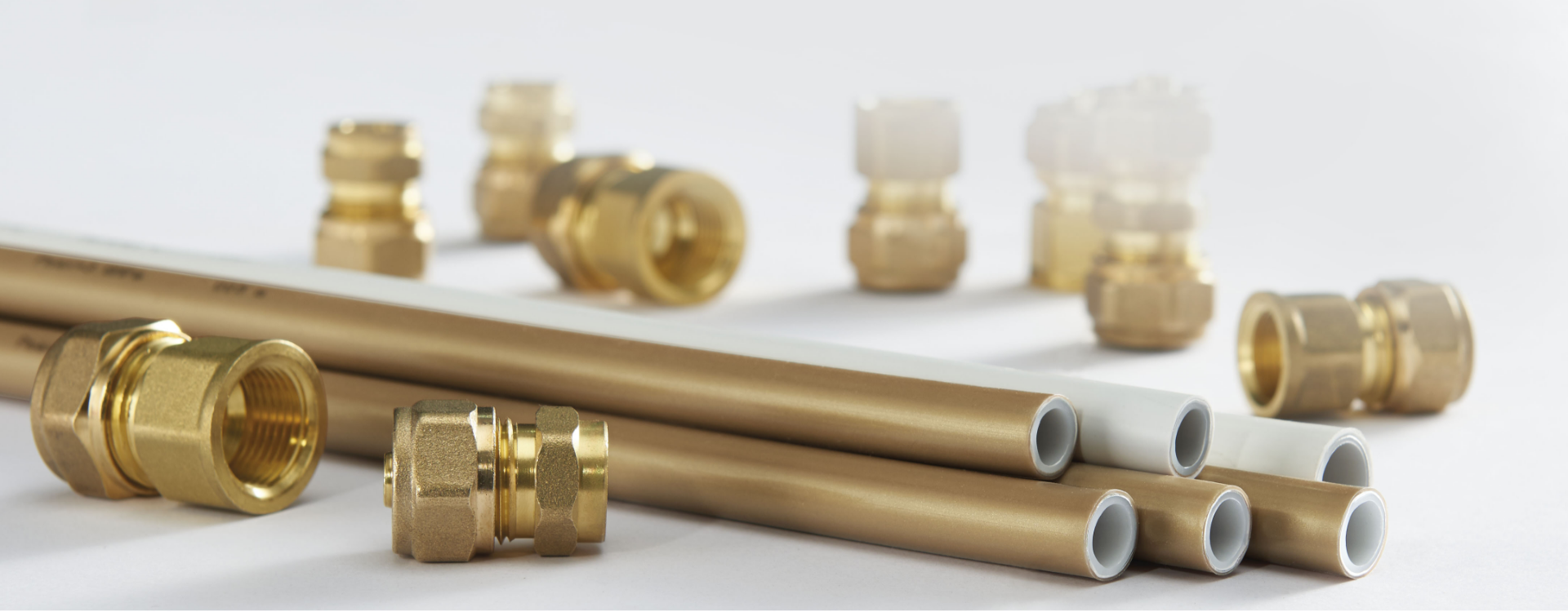
Common options include copper, known for its excellent thermal conductivity; steel, which provides strength in high-pressure applications; and Riifo’s thermoplastics and multilayer pipes, offering corrosion resistance and cost-effectiveness.
Each material’s suitability depends on specific system requirements, temperature ranges, and operational demands.
#Copper
Copper stands out as a premier choice for piping materials in commercial HVAC systems due to its excellent thermal conductivity and reliability. Its superior heat transfer capabilities enhance system efficiency, making it ideal for transporting refrigerants and hot water.
Copper durability ensures a long service life, reducing the need for frequent replacements. Moreover, its corrosion resistance contributes to maintaining the integrity of the system over time, especially in environments exposed to moisture.
The material’s compatibility with refrigerants is another key advantage, allowing seamless integration in various applications. Additionally, copper piping maintains joint integrity, minimizing the risk of leaks and pressure drops.
#Steel
Steel piping presents a robust alternative for commercial HVAC systems, particularly in high-pressure applications where strength and durability are paramount. Its structural integrity makes it suitable for transporting both heating hot water and refrigerants. Installation best practices dictate that proper support and alignment are essential to prevent sagging and stress, which ensures longevity. Maintenance planning should incorporate routine inspections to identify potential leaks and insulation strategy to minimize thermal loss. Additionally, effective condensate management is critical to prevent water damage and maintain system efficiency. By adhering to these guidelines, steel piping can provide reliable performance and enhance the overall durability of commercial air conditioning systems.
#Riifo’s Thermoplastics & Multilayer Pipes
How can the integration of thermoplastics and multilayer pipes enhance the efficiency and reliability of commercial HVAC systems? Riifo’s innovative materials offer distinct advantages, particularly when aligned with their commitment to quality and customer satisfaction.
- RIIFO Warranty: The 25-year warranty underscores the long-term reliability and performance of their piping solutions.
- Product Liability: Comprehensive product liability insurance safeguards customer interests, reflecting a commitment to safety and reliability.
- Local Warehouse: RIIFO focus ensures quick access through local warehouses, minimizing wait times and enhancing service efficiency.
These factors collectively contribute to customer benefits, including increased operational efficiency and peace of mind, establishing Riifo as a leading choice in HVAC piping solutions.

Insulation and Condensate Management
Effective insulation and condensate management play critical roles in the performance of commercial air conditioning systems. The effectiveness of insulation directly impacts energy efficiency, while proper condensate management mitigates moisture-related issues. Key considerations include:
- Insulation Effectiveness: High-quality insulation minimizes thermal loss and enhances system performance by maintaining desired temperatures.
- Leak Prevention: Securing joints and connections is essential to prevent refrigerant leaks, which can compromise system efficiency and increase operational costs.
- Vibration Control: Implementing measures to control vibration is crucial in managing thermal expansion and ensuring long-term system integrity.
Maintenance and Lifecycle Planning
Following the importance of insulation and condensate management, maintenance and lifecycle planning emerges as a key aspect in ensuring the longevity and efficiency of commercial air conditioning systems.
Effective space planning and zoning strategy are crucial for optimizing performance and energy use.
Service scheduling must be meticulously organized to allow for routine inspections and timely interventions, which can prevent costly failures.
Maintenance budgeting should account for both immediate needs and long-term forecasts, facilitating proactive investments in system components.
Lifecycle forecasting aids in anticipating equipment replacements and upgrades, thereby aligning financial resources with operational demands.
Collectively, these strategies ensure that the air conditioning systems operate efficiently, ultimately enhancing indoor comfort and minimizing operational disruptions.
Frequently Asked Questions
#1 How Do Temperature Fluctuations Affect Pipe Material Selection?
Temperature fluctuations notably influence pipe material selection, necessitating careful consideration of insulation requirements and the installation of expansion joints to accommodate thermal expansion. Choosing the appropriate material guarantees optimal performance and longevity under varying temperature conditions.
#2 What Are Common Mistakes During HVAC Piping Installation?
Common mistakes during HVAC piping installation include improper routing, insulation gaps, insufficient support, and improper soldering. Such oversights transform precision engineering into a comedic disaster, undermining system efficiency and longevity while inviting costly repairs.
#3 How Can I Identify Issues in Existing Piping Systems?
Identifying issues in existing piping systems involves detecting insulation gaps, evaluating leaks, assessing support strain, examining joint integrity, and identifying corrosion. These analyses ensure optimal performance and longevity of the HVAC infrastructure in commercial settings.
#4 What Is the Average Lifespan of Commercial HVAC Piping?
The average lifespan of commercial HVAC piping can exceed decades, contingent on pipe material, thermal expansion management, and corrosion risk. Regular pressure testing ensures optimal performance, extending longevity and minimizing costly replacements in dynamic environments.
#5 How Does Local Climate Influence HVAC Piping Decisions?
Local climate markedly influences HVAC piping installation decisions for commercial systems. Factors such as temperature extremes and humidity levels dictate material selection, insulation needs, and system design, ultimately impacting efficiency, durability, and operational performance in varying climates.
Conclusion
In the intricate tapestry of commercial HVAC systems, the installation of air conditioning piping serves as the vital thread weaving together efficiency and comfort. By meticulously assessing building requirements, selecting appropriate materials, and designing a thoughtful layout, businesses can fortify their indoor climate. Coupled with diligent maintenance and innovative approaches, these elements coalesce to create a resilient framework. Ultimately, this harmonized system not only nurtures occupant satisfaction but also cultivates long-term sustainability and cost-effectiveness, ensuring a cooler future.