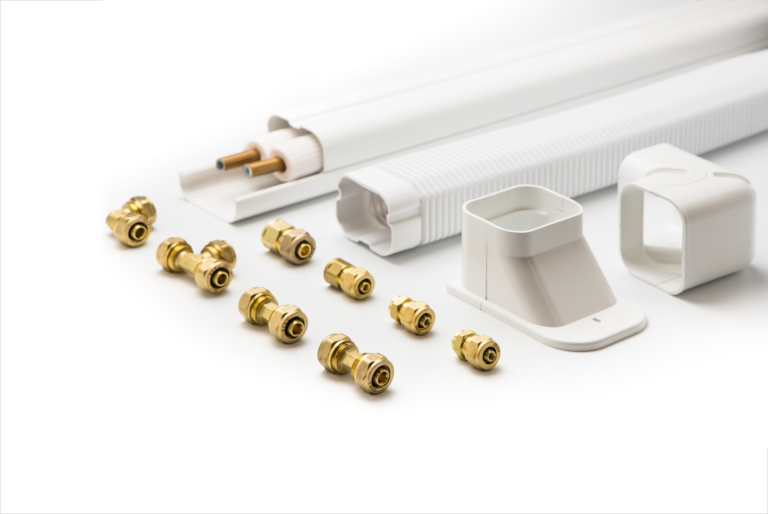

Choosing the right air conditioning piping system is critical for HVAC performance and efficiency. It is essential to consider the system type and its specific piping requirements. Various materials are available, including copper, steel, aluminum, and PEX-AL-PEX, each with unique benefits. Evaluate insulation needs to improve thermal efficiency and ensure corrosion protection for underground installations. Assessing these factors will enhance longevity and performance, while further exploration can uncover additional insights into optimizing your piping choices.
Key Takeaways
- Assess the specific HVAC system requirements, including pressure, temperature, and compatibility with existing components for optimal performance.
- Select piping materials based on durability, corrosion resistance, and insulation needs; consider options like copper, steel, aluminum, or PEX-AL-PEX.
- Evaluate insulation strategies to prevent energy loss and maintain fluid temperatures, particularly for underground installations that require added protection.
- Implement cathodic protection measures for underground piping to mitigate corrosion risks and ensure long-term system integrity.
- Consider zoning strategies to enhance temperature control and improve energy efficiency, influencing both piping and duct design.
Why AC piping systems are critical to HVAC performance?
Why are AC piping systems critical to HVAC performance? The efficiency and longevity of HVAC systems heavily depend on the design and integrity of their piping.
Proper cathodic protection is essential for underground piping to mitigate corrosion, ensuring durability and reliability. Additionally, insulation importance cannot be overstated, as it prevents energy loss and maintains optimal fluid temperatures. In ducted systems, well-designed piping facilitates effective air distribution, enhancing overall system performance. Furthermore, zoning benefits allow for tailored temperature control, optimizing energy consumption and comfort across different areas of a building.
By integrating these elements, HVAC professionals can ensure systems operate at peak efficiency, delivering consistent performance and reducing operational costs.
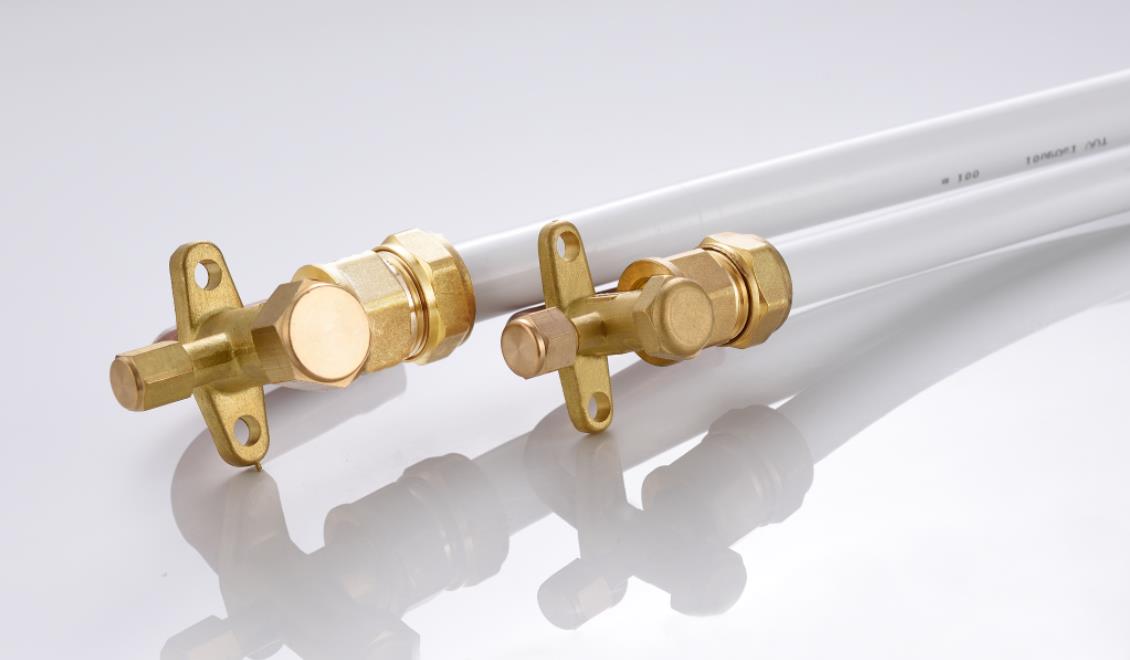
The Role of Piping in AC Systems
How does the choice of piping influence the efficiency and functionality of air conditioning systems?
- The selection of piping material is crucial for enhancing the efficiency and functionality of air conditioning systems.
- The selection of piping material is critical for maintaining optimal performance and longevity.
- For underground piping, implementing cathodic protection is essential to prevent corrosion, ensuring system integrity over time.
While PVC is cost-effective, its limitations in temperature resistance make it unsuitable for liquid transport in HVAC applications.
In contrast, CPVC offers superior heat tolerance, accommodating higher temperature environments.
The choice of piping directly impacts the system’s durability and operational efficiency, influencing factors such as energy consumption and maintenance needs.
Understanding these dynamics is vital for ensuring reliable air conditioning performance and minimizing long-term operational costs.
Linking System Type to Piping Requirements
Selecting the appropriate piping for various air conditioning system types is essential for ensuring optimal performance and efficiency. The choice of piping must consider factors such as cathodic protection for underground piping to prevent corrosion, ensuring longevity.
Insulation impact is critical, as inadequate insulation can lead to energy loss and reduced system efficiency.
Additionally, duct design significantly influences airflow and temperature distribution, necessitating careful planning in conjunction with piping layout.
Zoning considerations allow for tailored temperature control across different areas, impacting the sizing and configuration of both ducts and piping.
A comprehensive understanding of these interconnections ensures that the selected piping system aligns with the specific requirements of the chosen air conditioning type, maximizing system effectiveness.
Types of Piping Materials for AC Systems
The selection of piping materials for air conditioning systems is critical to ensure optimum performance and longevity.
Common options include copper, steel, aluminum, PVC, CPVC, and flexible refrigerant lines, each offering distinct properties that influence their suitability for various applications.
Understanding the characteristics and limitations of these materials is essential for effective system design and installation.
Copper Pipes
Copper piping serves as a reliable choice for smaller pipes in HVAC systems, particularly in the transportation of water within air conditioning units. Typically available in sizes up to 12 inches, copper piping is favored for its durability and performance, especially in designs requiring efficient ductwork. Proper joint sealing is critical to prevent leaks, emphasizing the importance of installation precision.
While copper offers advantages, consideration for underground protection is essential when installed below ground, where corrosion can occur. Compared to alternatives like PVC and CPVC, which also have specific applications, copper piping remains a resilient option. Additionally, insulation importance cannot be overstated, as it enhances system efficiency and protects piping from environmental stressors.
Steel Pipes
Steel piping presents a robust and cost-effective solution for larger HVAC systems, particularly suitable for applications requiring higher pressure tolerance and temperature variation. Its durability and strength make it an ideal choice for both above-ground and underground installations, necessitating careful consideration of cathodic protection and underground insulation techniques.
Key advantages include:
- Resistance to Corrosion: Proper weatherproofing extends the lifespan of steel pipes.
- Grooved Joints: These facilitate easier installation and reduce the risk of leaks.
- Pressure and Temperature Stability: Steel pipes handle diverse operating conditions effectively.
- Load Calculations: Accurate assessments ensure optimal system performance and energy efficiency.
Incorporating these features enhances system reliability, making steel piping a preferred option in complex HVAC projects.
Aluminium Pipes
Why consider aluminum piping for HVAC systems? Aluminum pipes offer a lightweight, corrosion-resistant alternative for air conditioning applications. Their inherent properties facilitate efficient ductwork condition management, particularly in environments susceptible to moisture.
When employed for underground piping, aluminum requires proper cathodic protection to enhance corrosion prevention, extending the lifespan of the system.
Additionally, aluminum’s compatibility with insulation sealing technologies ensures effective thermal performance, minimizing energy losses.
Its resistance to oxidation also contributes to maintaining system integrity over time.
Thus, aluminum piping serves as a robust choice for HVAC systems, marrying durability with efficiency, and ultimately supporting superior air conditioning performance in diverse applications.
PVC & CPVC Pipes
When considering the types of piping materials for air conditioning systems, PVC and CPVC pipes present distinct advantages and limitations. PVC is often used for venting applications, while CPVC is suitable for higher temperatures, making it more versatile for various HVAC needs. However, both materials have specific considerations:
PVC limitations include its restricted temperature range, rendering it less suitable for hot liquids.
CPVC temperatures can withstand up to 200 degrees Fahrenheit, enhancing its utility in hot environments.
Underground piping installations require proper cathodic protection to prevent corrosion.
Grooved joints facilitate easier installation and maintenance but must be carefully sealed to prevent leaks, ensuring system integrity.
These factors are crucial for selecting the appropriate piping material for air conditioning systems.
Flexible Refrigerant Lines (Rubber/Thermoplastic)
Flexible refrigerant lines, composed of rubber or thermoplastic materials, serve a critical role in air conditioning systems by enabling efficient transport of refrigerants between indoor and outdoor units. These lines provide advantages such as lightweight construction and ease of installation, particularly in applications requiring trench routing or underground installation. To enhance environmental durability, proper pipe coating is essential, especially when subjected to corrosive elements. Additionally, cathodic protection methods can be applied to mitigate corrosion risks in underground settings.
| Property | Rubber Lines | Thermoplastic Lines |
| Temperature Range | Moderate | Wider |
| Flexibility | High | Moderate |
| Installation Ease | Simple, requires clamps | Simplified connections |
| Cost | Generally lower | Cost-effective |
| Durability | Standard | High resistance to chemicals |
Multilayer Composite Pipes (PEX-AL-PEX)
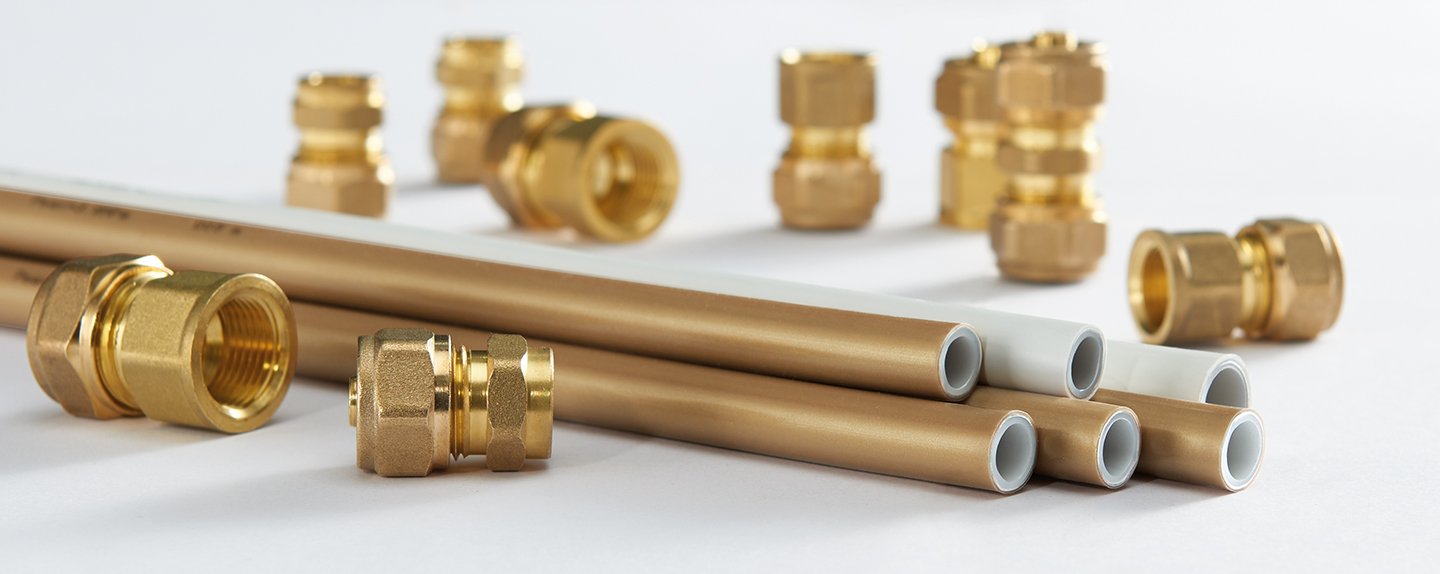
Multilayer composite pipes, often referred to as PEX-AL-PEX, offer a versatile solution for air conditioning systems due to their unique construction, which combines layers of polyethylene and aluminum. This design provides enhanced durability and flexibility, making them suitable for various applications, including underground piping where cathodic protection is essential.
Key benefits of PEX-AL-PEX include:
- Resistance to corrosion, unlike traditional plastic piping such as PVC and CPVC
- Capability to withstand high pressures and temperatures
- Improved ductwork condition due to minimized thermal expansion
- Compatibility with existing HVAC systems, allowing seamless integration
These characteristics position multilayer composite pipes as a superior choice for modern air conditioning installations, ensuring longevity and efficiency in performance.
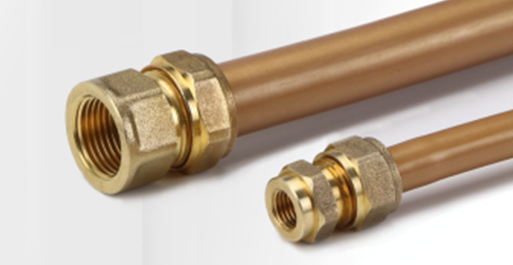
Key Considerations in Choosing AC Piping
What factors should be considered when selecting an air conditioning piping system? Key considerations include the type of piping material, particularly for underground installations where cathodic protection is crucial to prevent corrosion. The impact of insulation on thermal efficiency must also be evaluated, as it directly influences energy consumption and system performance. Ensuring duct integrity is essential; compromised ducts can lead to significant energy losses and reduced comfort.
Furthermore, zoning strategies should be implemented to enhance temperature control across different areas, optimizing energy use. Each of these elements plays a vital role in determining the overall effectiveness and longevity of an air conditioning system, making informed choices critical for successful implementation.
Riifo’s Solution for Air Conditioning Piping
Selecting the appropriate air conditioning piping system can dramatically affect the overall performance and longevity of HVAC installations. Riifo offers a robust solution characterized by its dedication to quality and customer satisfaction.
Key features include:
- RIIFO Warranty: A comprehensive 25-year warranty ensuring product reliability.
- RIIFO Insurance: Product Liability Insurance that safeguards customer interests.
- Local Warehouse: Convenient access that minimizes wait times for essential components.
- Customer-Centric Approach: A commitment to enhancing user experience through direct support and quality assurance.
These elements together reflect Riifo’s emphasis on quality commitment, making it a preferred choice for HVAC professionals aiming for efficiency and durability in their projects.
Frequently Asked Questions
What Factors Influence the Lifespan of AC Piping Systems?
Factors influencing AC piping system lifespan include material costs, corrosion risk, installation ease, insulation needs, pressure ratings, thermal expansion, compatibility issues, code compliance, and lifecycle waste associated with recyclable materials.
How Do Temperature Fluctuations Affect Piping Material Choices?
Temperature fluctuations considerably influence piping material choices, with approximately 30% of HVAC failures attributed to thermal stress. Climate resistance is critical; materials must incorporate expansion joints to accommodate these changes, ensuring durability and system efficiency.
Are There Environmental Impacts Associated With Different Piping Materials?
Different piping materials exhibit varying environmental impacts. Lifecycle assessments reveal that materials with high recycled content minimize ozone depletion and enhance sustainability. Evaluating material sustainability is crucial for reducing ecological footprints in HVAC applications.
How Can I Identify Leaks in My AC Piping System?
Identifying leaks in an AC piping system involves leak detection methods such as pressure testing. Effective leak repair requires utilizing various sealing methods to assure integrity and prevent further system inefficiencies, enhancing overall performance.
What Maintenance Is Required for Different Types of AC Piping?
Maintenance for AC piping involves understanding maintenance basics, ensuring material compatibility, adhering to installation practices, following safety protocols, and considering cost implications. Regular inspections and timely repairs optimize system longevity and performance, preventing costly failures.
Conclusion
In the intricate world of HVAC, the choice of air conditioning piping can make or break system performance. As homeowners and contractors weigh their options, the stakes grow higher鈥攚ill they invest wisely and ensure comfort, or risk inefficiency and costly repairs? Each material and configuration holds promises and pitfalls. Ultimately, the right decision hinges on meticulous evaluation and understanding, leaving one lingering question: will the chosen piping system rise to the challenge, or will it falter under pressure?