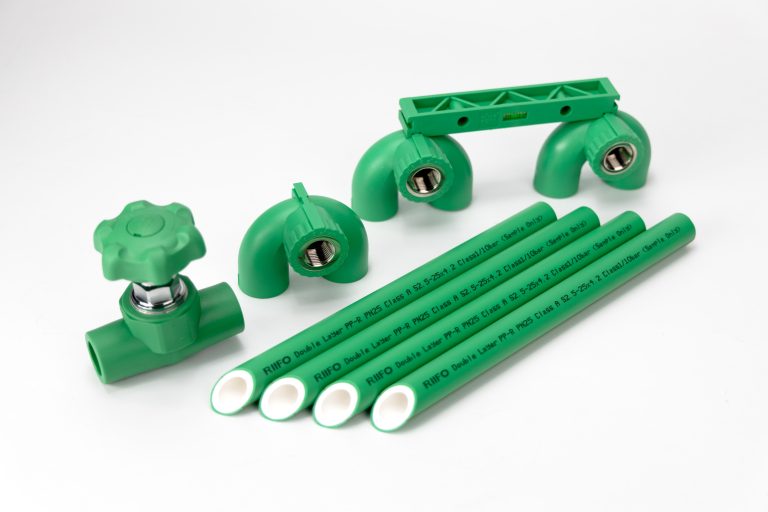
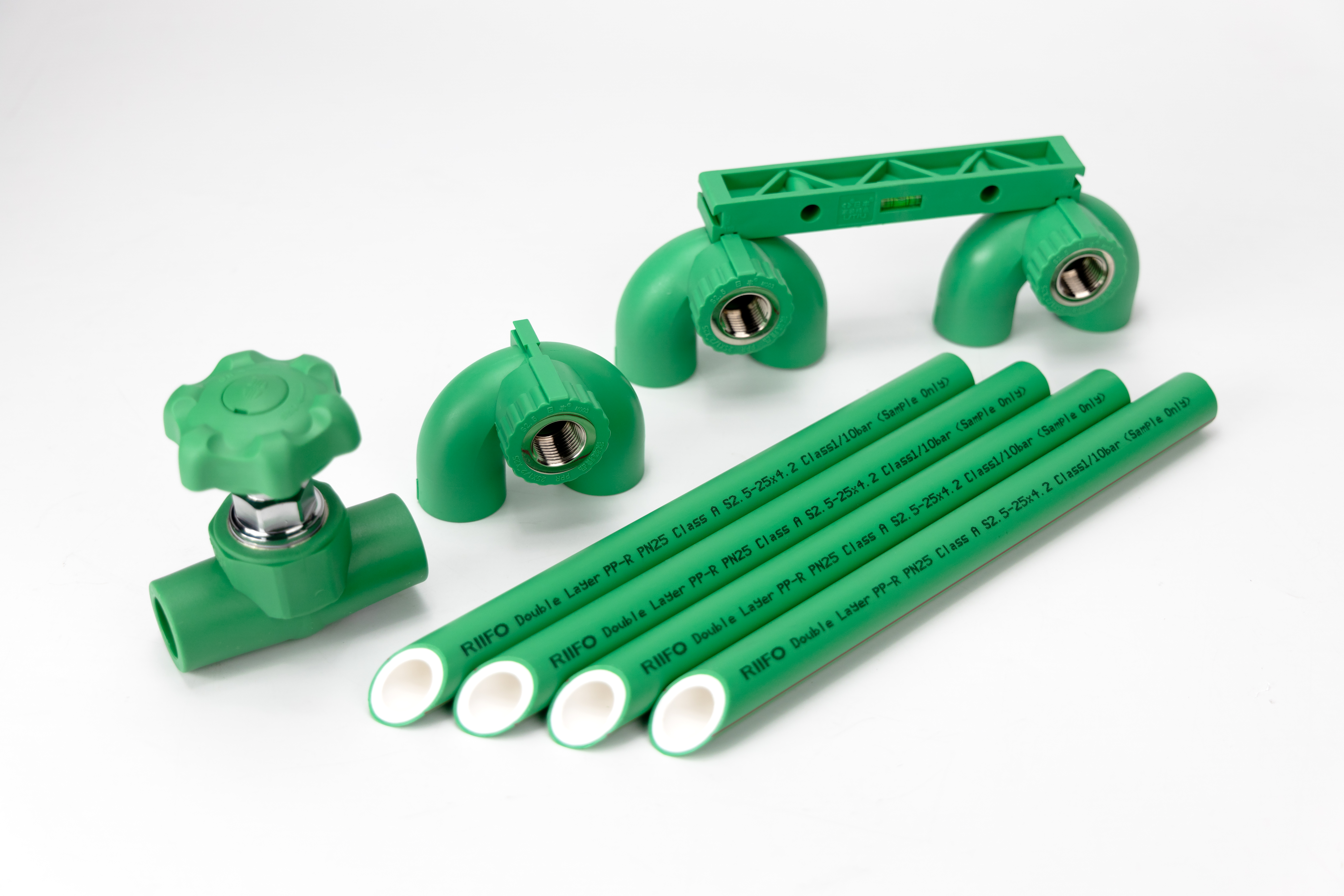
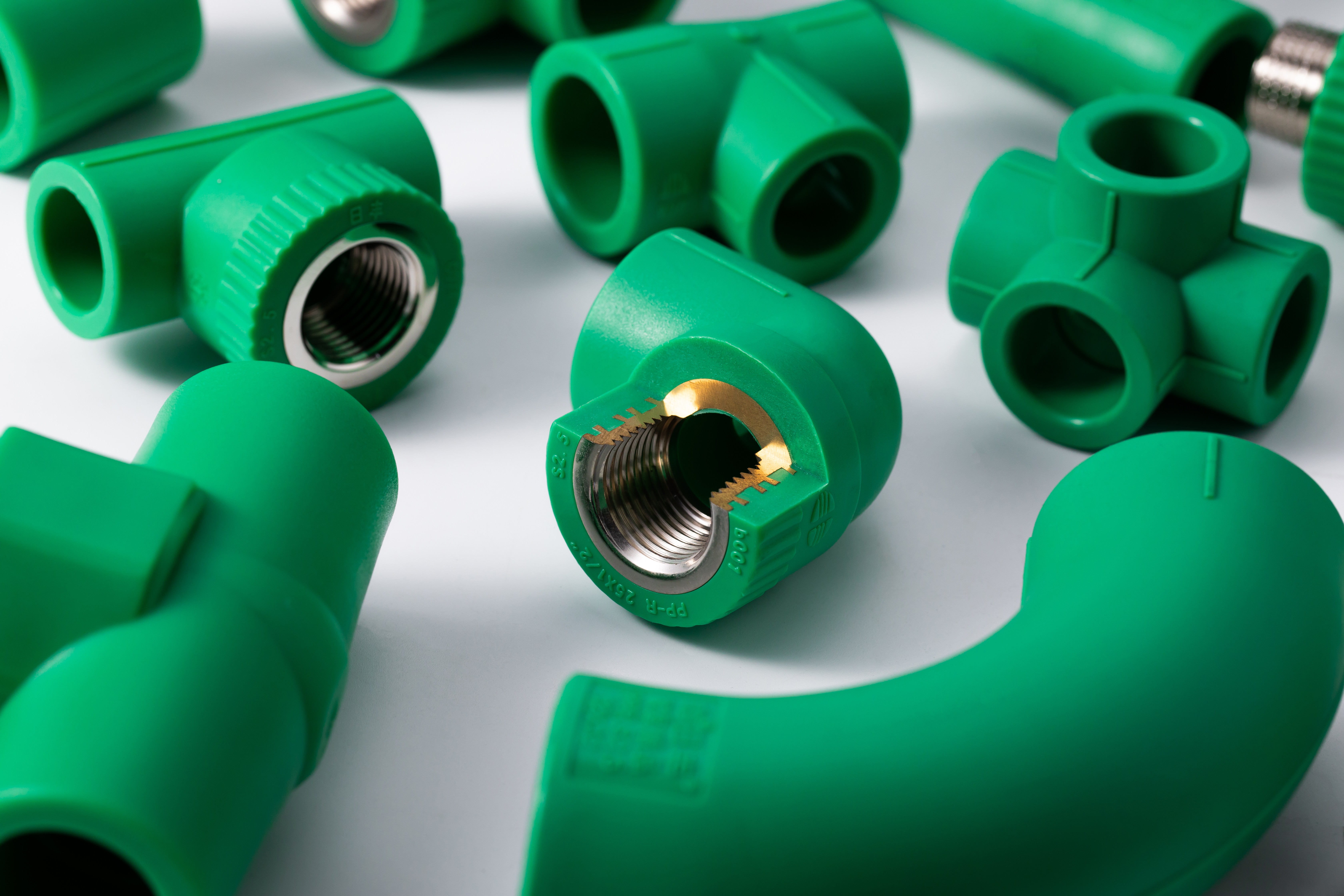

Corrosion-resistant PP-R pipes greatly enhance plumbing system durability by offering superior longevity and minimal maintenance demands. Their homogeneous molecular structure effectively resists chemical attacks and deterioration common in traditional materials. This resilience translates into fewer repairs, reduced lifecycle costs, and a robust system devoid of leaks due to seamless joints. By preventing corrosion-related failures, PP-R pipes foster reliability and longevity. Additional insights into their manufacturing advances and sustainable practices reveal further benefits for modern plumbing systems.
Key Takeaways
- PPR pipes possess exceptional corrosion resistance, eliminating the common issues faced by traditional plumbing materials such as scaling and joint failures.
- Their homogeneous molecular structure safeguards against chemical attacks, ensuring long-lasting performance in various environments.
- Seamless joints in PPR systems enhance integrity and prevent leaks, contributing to overall durability and reliability.
- With a lifespan often exceeding 50 years, PPR pipes significantly reduce the need for frequent repairs and replacements.
- Their lower lifecycle costs and minimal maintenance requirements yield substantial long-term savings for property owners.
Intriguing Introduction
Though often overshadowed by traditional materials, PPR pipes have emerged as a compelling option in modern plumbing and piping systems due to their exceptional durability and corrosion resistance.
Their design markedly enhances corrosion prevention, thereby reducing maintenance costs and increasing longevity. Installation techniques, such as heat fusion, create seamless joints that further bolster the system’s integrity, which is critical in material comparisons against alternatives like metal and PVC.
The seamless joints of PPR pipes enhance system integrity, significantly improving corrosion prevention and longevity compared to traditional materials.
A thorough cost analysis reveals that while initial investments may be comparable, the lower lifecycle costs associated with PPR pipes yield substantial savings over time.
Additionally, their environmental impact is minimal, as they are recyclable and free from harmful chemicals, aligning with contemporary sustainability efforts in construction and plumbing.
The Weakest Link in Plumbing Systems
Traditional plumbing materials often serve as the weakest link in systems due to their susceptibility to corrosion and mechanical failure.
The degradation of these materials not only compromises the integrity of infrastructure but also necessitates frequent repairs and replacements, resulting in increased costs.
This persistent issue has underscored the pressing need for a more resilient alternative, leading to the adoption of corrosion-resistant PP-R pipes in modern plumbing applications.
Common failures in traditional materials
When evaluating plumbing systems, the vulnerabilities of conventional materials become evident, often serving as the weakest link in overall system integrity.
Common plumbing issues such as corrosion, scaling, and joint failures frequently arise from outdated materials that do not meet the evolving industry standards. These failures can lead to costly repairs and downtime, highlighting the urgent need for innovative material solutions.
Installation challenges, including improper joining techniques and inadequate support, further exacerbate these vulnerabilities, compromising system performance.
As industry standards evolve, embracing future plumbing technologies that prioritize durability and resistance can mitigate these risks. Shifting to advanced materials, such as corrosion-resistant PP-R pipes, can greatly enhance the longevity and reliability of plumbing systems, ultimately addressing these traditional material shortcomings.
Impact of corrosion on infrastructure
As corrosion persists as a major concern in plumbing infrastructure, its detrimental impact manifests through compromised material integrity, leading to increased maintenance costs and reduced system reliability.
Various corrosion mechanisms—such as galvanic, pitting, and uniform corrosion—accelerate deterioration, subsequently shortening the infrastructure lifespan. This deterioration necessitates frequent repairs, thereby inflating repair costs that can burden both property owners and service providers.
Implementing effective preventive measures, including regular inspections and protective coatings, can mitigate these risks. Furthermore, judicious material selection is vital; opting for corrosion-resistant materials like PP-R pipes can greatly enhance longevity and reduce the overall financial impact.
Recognizing these dynamics is essential for maintaining robust plumbing systems that withstand the test of time.
Why the industry needed an upgrade
Corrosion has long posed significant challenges to plumbing systems, highlighting vulnerabilities that necessitate an industry-wide upgrade. Traditional materials often succumb to environmental impacts, resulting in frequent failures and costly repairs.
This prompted a shift towards plumbing innovations such as PPR pipe applications, which exhibit superior resistance to corrosion and chemical degradation. Enhanced installation techniques, including heat-fusion joining, guarantee robust connections that mitigate leak risks associated with weaker materials.
Furthermore, material comparisons reveal that PPR pipes offer extended service life and lower maintenance requirements, positioning them as a cost-effective solution.
The industry’s change to PPR is a response to the pressing need for durability, reliability, and sustainability in modern plumbing systems, ultimately improving overall system integrity and performance.
Science Behind Corrosion Resistance
The science behind the corrosion resistance of PP-R pipes lies in their chemical resilience and structural properties.
Unlike metals and traditional plastics, PP-R material effectively withstands aggressive environmental factors, preventing degradation and ensuring longevity.
This inherent durability minimizes maintenance needs and enhances the overall performance of plumbing systems.
Chemical resilience of PP-R material
Chemical resilience in PP-R material arises from its unique molecular structure and the incorporation of specialized additives. This chemical composition guarantees excellent resistance to aggressive substances, thereby enhancing thermal stability and longevity. The manufacturing processes employed in creating PP-R pipes include rigorous quality control, which contributes to their overall durability and minimizes environmental impact. A detailed lifecycle assessment demonstrates that these pipes maintain their integrity over time, reducing the need for frequent replacements.
| Property | Description | Importance |
| Chemical Composition | Polypropylene with additives | Enhances resistance to chemicals |
| Thermal Stability | High resistance to thermal changes | Maintains structural integrity |
| Environmental Impact | Low toxicity and recyclable materials | Supports sustainability efforts |
| Manufacturing Processes | Strict quality control measures | Guarantees product reliability |
| Lifecycle Assessment | Long service life | Reduces overall costs |
Resistance to external factors
While various materials succumb to environmental factors leading to degradation, PP-R pipes exhibit exceptional resistance to external influences that contribute to corrosion. This resilience is particularly advantageous in diverse PPR applications, where exposure to moisture and chemicals is prevalent.
Effective installation techniques, such as heat fusion, guarantee seamless joints that minimize vulnerabilities. Additionally, the environmental impact of PP-R pipes is mitigated through their non-toxic composition and recyclability.
Regular maintenance practices, including visual inspections and pressure testing, are essential for identifying potential issues before they escalate. A thorough cost analysis indicates that the long-lasting durability of PP-R systems markedly reduces replacement and repair expenses, reinforcing their position as a superior choice for both residential and industrial plumbing systems.
Contrast with metal and traditional plastics in handling aggressive environments
PP-R pipes demonstrate a significant advantage over metal and traditional plastic materials when confronted with aggressive environmental conditions.
Unlike metals, which are susceptible to corrosion mechanisms such as oxidation and pitting, PP-R pipes maintain structural integrity and performance metrics under exposure to moisture and chemicals.
Material comparisons reveal that conventional plastics may degrade under similar conditions, while PP-R’s homogeneous molecular structure resists chemical attack.
Effective installation techniques further enhance their resilience, ensuring seamless joints that prevent leaks.
Lifecycle assessments indicate that PP-R pipes exhibit lower maintenance costs and extended service life, making them a superior choice in corrosive environments.
Therefore, the unique properties of PP-R pipes solidify their role as a durable solution in plumbing systems.
The Long-Term Edge of PP-R Pipes
The long-term advantages of PP-R pipes are primarily derived from their exceptional lifespan, which often exceeds 50 years under ideal conditions.
These pipes are engineered to withstand diverse environmental factors, including fluctuating temperatures and aggressive chemicals, ensuring consistent performance across various applications.
Consequently, their durability minimizes the need for frequent replacements, contributing to overall cost efficiency in plumbing systems.
Lifespan Explained
How does the lifespan of PPR pipes contribute to their appeal in various applications? The longevity of PPR pipes, often exceeding 50 years, is a critical factor in their selection for plumbing systems.
Effective installation techniques, such as heat fusion, play a pivotal role in achieving this durability, ensuring robust joints that minimize the risk of failure.
Cost comparisons reveal that while initial expenses may be higher, long-term savings from reduced maintenance and replacements are significant.
User testimonials frequently attest to the reliability of PPR systems, aligning with global standards for quality.
Future trends indicate a growing preference for these pipes in sustainable construction, highlighting their role in efficient and durable plumbing solutions.
How they handle diverse conditions
Longevity in PPR pipes is further enhanced by their ability to withstand diverse environmental conditions, making them an ideal choice for various applications.
Their versatility is evident in several key aspects:
- Temperature Resistance: Capable of handling high-temperature fluids, suitable for both hot and cold water.
- Chemical Stability: Resists aggressive chemicals, ensuring reliability in industrial PPR applications.
- Installation Techniques: Employing heat-fusion for seamless joints minimizes failure risks.
- Maintenance Practices: Regular inspections and proactive care sustain performance and longevity.
These factors collectively address environmental impacts while reinforcing the importance of plumbing innovations.
Consequently, PPR pipes emerge as superior solutions, emphasizing the need for precise installation techniques and diligent maintenance to maximize their lifespan across multiple applications.
Maintenance Revolution in Plumbing
The integration of PP-R pipes in plumbing systems considerably reduces the frequency of maintenance interventions due to their inherent corrosion resistance and durability.
This reduction not only enhances operational efficiency but also translates into substantial economic benefits over time, as lower maintenance costs contribute to overall system affordability.
Consequently, the adoption of PP-R technology represents a pivotal shift towards more sustainable plumbing solutions.
How PP-R pipes minimise intervention
Although many plumbing materials require frequent maintenance due to issues like corrosion and scaling, PP-R pipes are engineered to minimize such interventions considerably. The inherent properties of these pipes contribute to their long-term reliability and reduced upkeep.
PPR pipe advantages include resistance to corrosion and scaling, which prolongs service life.
Effective installation techniques guarantee strong, seamless joints, preventing leaks.
High chemical compatibility allows PP-R pipes to withstand various substances without degradation.
Enhanced system efficiency reduces the likelihood of clogs, thereby lowering maintenance demands.
Economic benefits
Minimizing maintenance interventions directly correlates with significant economic benefits in plumbing systems, particularly when utilizing PP-R pipes.
A thorough cost analysis demonstrates that the longevity of PP-R pipes, often exceeding 50 years, results in substantial financial savings over time. These pipes’ resistance to corrosion and scaling reduces the frequency of replacements, optimizing budget considerations and lowering lifecycle costs.
Furthermore, the efficient installation process minimizes labor expenses, further enhancing investment benefits. The economic impact of choosing PP-R pipes extends beyond initial costs, fostering long-term reliability and performance.
A Sustainable Plumbing Solution
The adoption of corrosion-resistant PP-R pipes presents significant environmental advantages, primarily through their reduced carbon footprint during production and use.
Their durability minimizes the frequency of replacements, aligning with principles of a circular economy that prioritize resource efficiency and waste reduction.
Additionally, the recyclability of PP-R materials further enhances their sustainability profile, making them a favorable choice for modern plumbing solutions.
Environmental advantages
Sustainability emerges as a paramount consideration in modern plumbing solutions, with PPR pipes standing out for their environmental advantages. These pipes exemplify eco-friendly practices and contribute to environmental sustainability through several key aspects:
- Resource Conservation: PPR pipes utilize renewable materials, minimizing the depletion of finite resources.
- Longevity: Their extended service life reduces the frequency of replacements, promoting efficient use of materials.
- Recyclability: PPR pipes can be recycled, aligning with green technology principles and reducing landfill waste.
- Non-Toxicity: Composed of non-toxic materials, they guarantee safe transport of potable water without harmful chemical leaching.
Through these attributes, PPR pipes represent a sustainable plumbing solution that optimizes resource conservation and supports eco-friendly initiatives within the construction industry.
Carbon footprint considerations
While evaluating plumbing solutions, it becomes essential to contemplate the carbon footprint associated with the materials and processes used. The integration of PP-R pipes aligns with sustainable practices, contributing to significant carbon footprint reduction throughout their lifecycle.
Lifecycle analysis of these eco-friendly materials reveals lower energy consumption during production and installation compared to traditional plumbing alternatives. Additionally, their durability minimizes the need for frequent replacements, further decreasing resource management demands.
The reduced maintenance and operational costs associated with PP-R systems underscore their sustainability. By prioritizing such materials, stakeholders can enhance environmental stewardship while ensuring robust plumbing infrastructure.
Consequently, the adoption of PP-R pipes represents a strategic move toward more sustainable plumbing solutions.
Circular economy potential
As PPR pipes gain traction in modern plumbing, their alignment with circular economy principles presents a compelling case for sustainable infrastructure.
These pipes embody resource efficiency through their longevity and reduced maintenance requirements, ultimately leading to significant waste reduction. Their potential for recycling initiatives further enhances their sustainability profile:
- Sustainable materials: Constructed from recyclable polymers, PPR pipes can be repurposed at the end of their lifecycle.
- Waste reduction: Their durability minimizes the frequency of replacements, generating less waste.
- Resource efficiency: Long service life and lower energy consumption during production contribute to efficient resource use.
- Recycling initiatives: Established frameworks for recycling PPR support a circular economy, reducing environmental impact.
Thus, PPR pipes offer a forward-thinking solution for sustainable plumbing systems.
The Role of Advanced Manufacturing
Advanced manufacturing techniques play a critical role in the development of high-performance PP-R pipes by enabling material innovations that enhance durability and corrosion resistance.
These innovations focus on optimizing the molecular structure of the resin and incorporating advanced additives, which collectively improve the pipes’ mechanical properties and lifespan.
Material innovations
Innovations in material science have greatly enhanced the manufacturing processes of PPR pipes, leading to improvements in performance characteristics and overall durability.
These advancements guarantee compliance with stringent material standards and industry regulations, fostering trust in the long-term viability of PPR systems.
Key innovations include:
Enhanced molecular structures for improved resistance to mechanical stress.
- Advanced installation techniques that guarantee seamless, reliable joints.
- Rigorous performance testing protocols that validate durability under various conditions.
- Ongoing research into future innovations aimed at increasing efficiency and sustainability.
As the industry evolves, these material innovations will continue to shape the landscape of plumbing systems, solidifying PPR pipes as a superior choice for both residential and industrial applications.
Frequently Asked Questions
How Do PP-R Pipes Compare to Traditional Metal Pipes?
PP-R pipes exhibit advantages over traditional metal pipes, including installation ease, enhanced longevity benefits, and lower maintenance costs. Conversely, metal pipes face drawbacks such as susceptibility to corrosion and higher overall expenses, highlighting significant cost comparisons.
Can PP-R Pipes Be Used for Outdoor Installations?
PP-R pipes, designed for outdoor durability and UV resistance, require adherence to specific installation guidelines and environmental considerations. Their robust properties guarantee long-term performance, making them suitable for various outdoor plumbing applications without compromising integrity.
What Are the Signs of Corrosion in Plumbing Systems?
Corrosion indicators in plumbing systems include discoloration, rust formation, and leaks. Regular plumbing maintenance, including leak detection and monitoring for material deterioration, is essential for effective rust prevention and ensuring long-term system integrity and performance.
Are There Specific Certifications for PP-R Pipes?
PP-R pipes require adherence to specific certifications that align with industry standards. Rigorous pipe testing guarantees material quality and performance rating, facilitating reliable installations and confirming compliance with international regulations for durability and safety in plumbing applications.
How Do Temperature Changes Affect PP-R Pipe Performance?
Temperature fluctuations act like a conductor, orchestrating thermal expansion in PP-R pipes. Adhering to installation guidelines and considering insulation requirements mitigate pressure fluctuations, thereby enhancing performance longevity and ensuring structural integrity throughout diverse environmental conditions.
Conclusion
To sum up, the adoption of corrosion-resistant PP-R pipes greatly enhances the durability of plumbing systems, ensuring longevity and reliability. With a lifespan that can exceed 50 years, these pipes not only mitigate the risks of rust and degradation but also contribute to considerable cost savings in maintenance and replacements. Remarkably, studies indicate that approximately 30% of plumbing failures are attributed to corrosion, underscoring the critical importance of selecting resilient materials like PP-R for sustainable infrastructure.