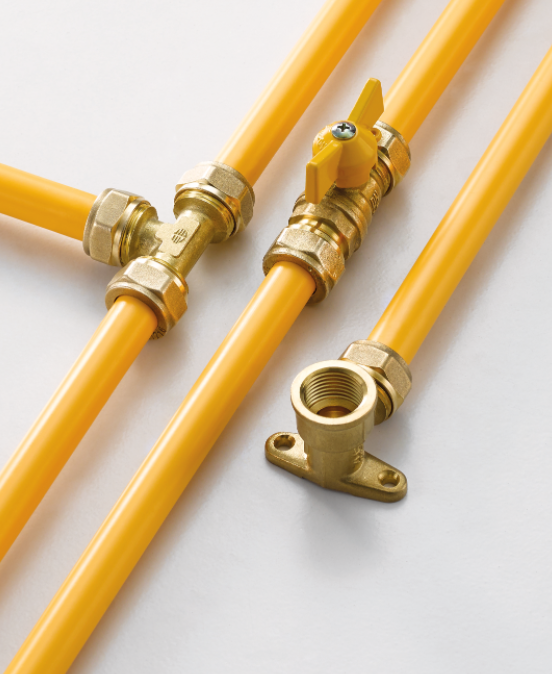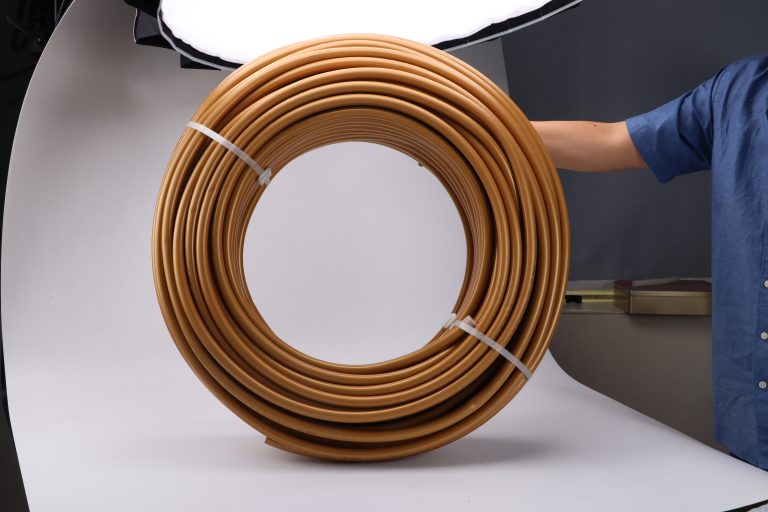

An air conditioning overflow pipe is a critical element in modern HVAC systems, safeguarding against water damage and mold growth. Proper sizing and gradient guarantee effective drainage, while strategic routing diverts excess condensate away from sensitive components. Quality materials enhance durability, and regular maintenance prevents blockages. Additionally, adhering to installation best practices reduces system failures. Those interested will further discover how overflow pipes integrate into thorough condensate management, guaranteeing both safety and compliance with industry standards.
Key Takeaways
- Overflow pipes prevent water damage and system failure by providing a backup path for excess condensate in HVAC systems.
- Ensure overflow pipes have a minimum gradient of 1/8 inch per foot for effective drainage.
- Use durable, environmentally resistant materials for overflow pipes to enhance system reliability.
- Conduct regular maintenance and inspections to prevent blockages and ensure proper overflow pipe function.
- Label and test overflow discharge points during commissioning for easy monitoring and performance verification.
Why Overflow Pipes Are Essential in Air Conditioning Systems
Overflow pipes play an essential role in air conditioning systems by serving as a significant safeguard against potential water damage and system failure.
In HVAC systems, the air conditioning overflow pipe, or hvac overflow drain, provides a backup pathway for excess condensate that might otherwise cause leaks. The secondary condensate drain is important in preventing ceiling leaks, mold growth, structural damage, and equipment shutdowns.
This redundancy protects not only the integrity of the facility but also guarantees compliance with many commercial building codes. Overflow piping is a critical risk-mitigation and safety mechanism, particularly in large AC systems.
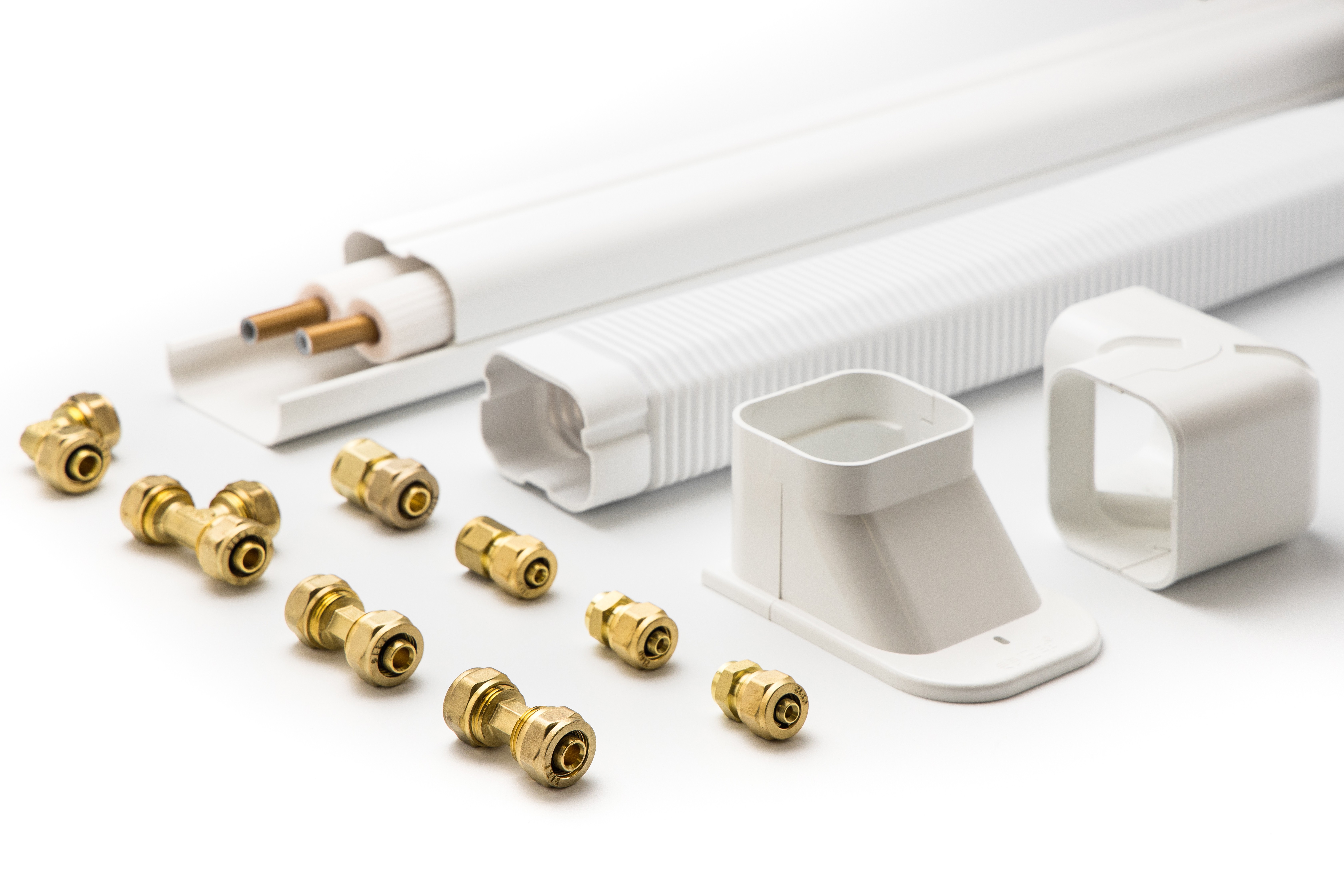
Key Specification Requirements for AC Overflow Pipes
The key specification requirements for AC overflow pipes include pipe size, gradient, and routing, as well as termination rules and material selection.
Proper pipe sizing guarantees adequate drainage capacity to handle potential overflow scenarios, while the pipe gradient and routing must facilitate efficient water flow away from the unit.
Additionally, termination rules dictate the appropriate discharge location to prevent water damage, and material selection must assure durability and resistance to environmental conditions.
# Pipe Size, Gradient, and Routing
Proper specification of pipe size, gradient, and routing is essential for the effective functioning of AC overflow systems.
The ac overflow line must adhere to a minimum recommended diameter to guarantee adequate emergency drainage. The emergency ac drain pipe should maintain a consistent gradient, with the required slope for emergency flow typically set at a minimum of 1/8 inch per foot.
This guarantees that gravity aids in the continuous flow of condensate, preventing backflow and stagnation. It is critical to avoid upward runs or trapped sections in the pipeline, which can impede drainage efficiency and increase the risk of overflow.
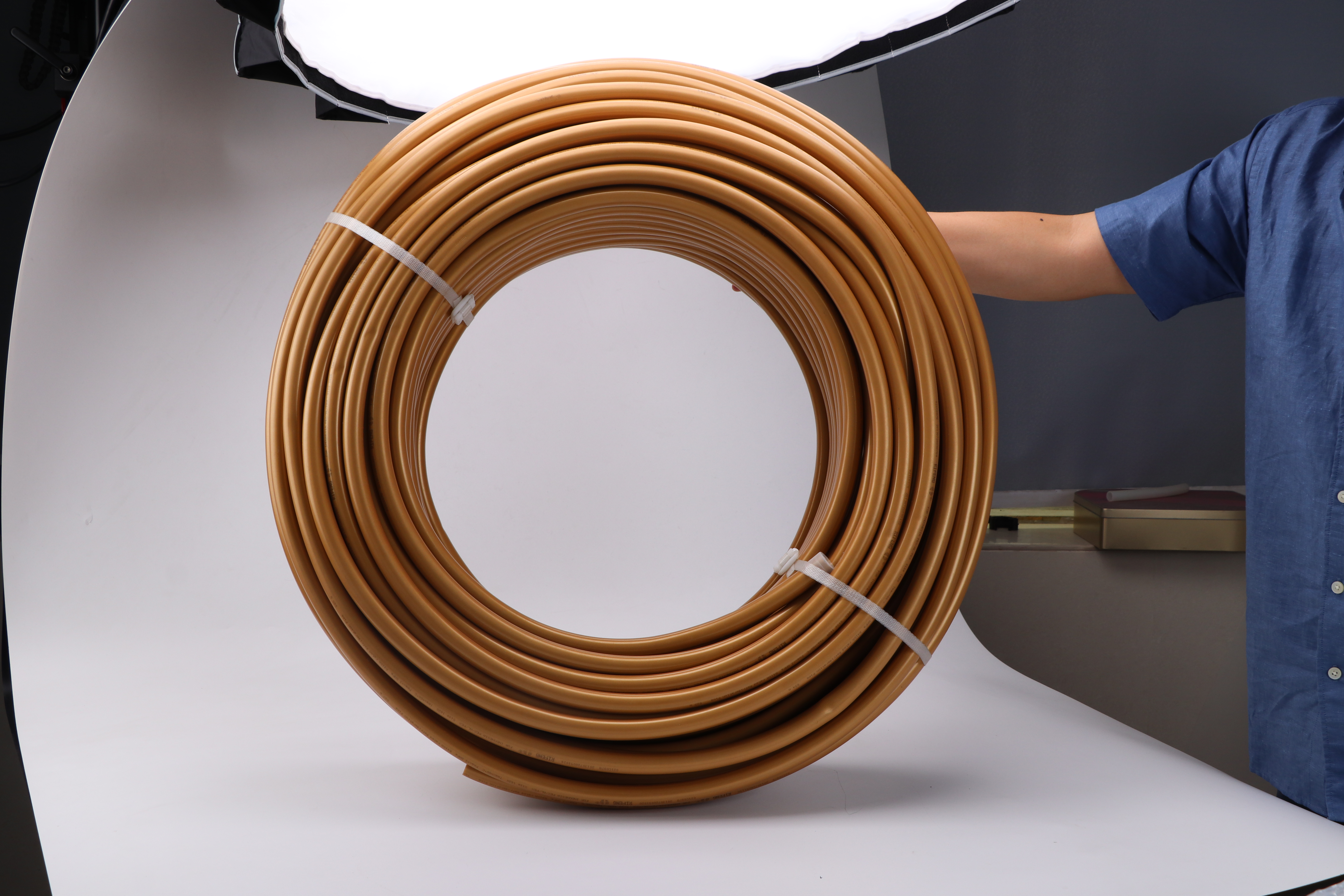
Properly designed and installed, these elements guarantee reliability and effectiveness in preventing potential water damage from AC systems.
# Termination Rules
Despite its critical role in preventing water damage, the termination of an AC overflow pipe must adhere to specific requirements to confirm its effectiveness. Termination rules confirm that the riifo air conditioning piping system operates seamlessly within the condensate management system. The pipe’s termination must be both visible and accessible for inspection, allowing for prompt identification and resolution of potential issues.
Additionally, it is essential that the termination maintains a safe distance from walls, walkways, and building foundations to prevent structural damage.
| Specification | Requirement |
| Visibility | Must be visible for inspection |
| Accessibility | Must be accessible for maintenance |
| Distance from Walls | Safe clearance required |
| Distance from Walkways | Safe clearance required |
Such meticulous attention to detail confirms the reliability and longevity of modern HVAC systems.
# Material Selection
When selecting materials for AC overflow pipes, several key specifications must be meticulously considered to guarantee peak performance and safety.
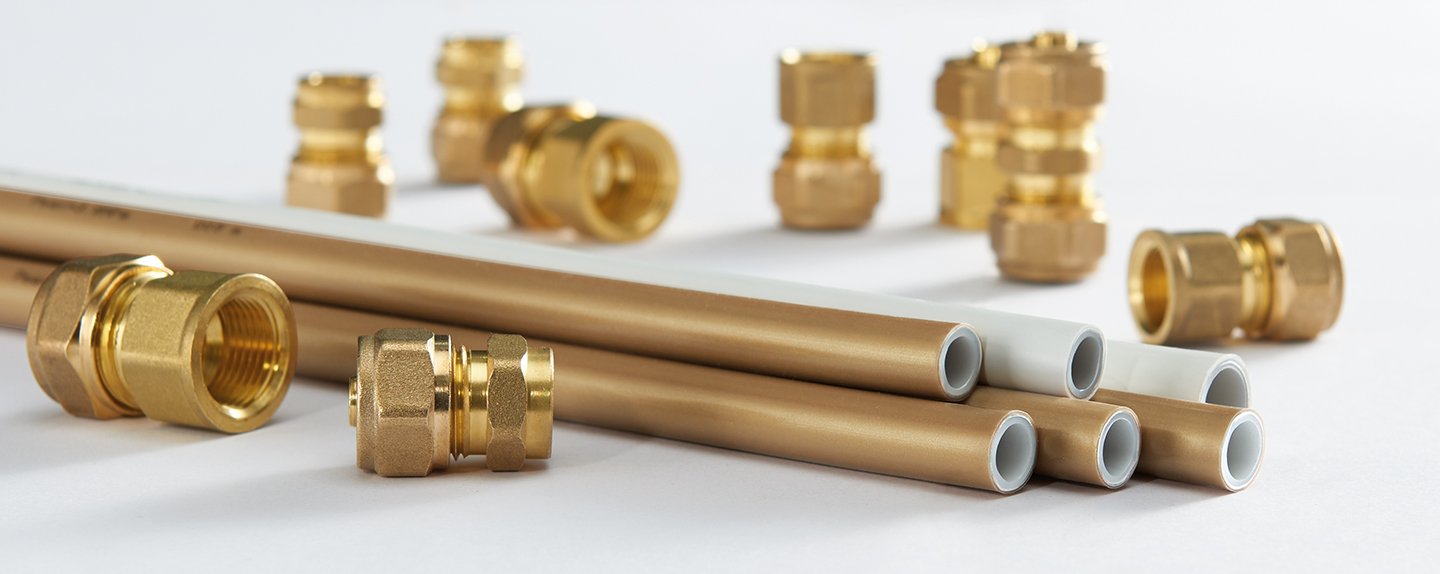
First, the choice of material can greatly impact the system’s longevity and functionality. PVC, CPVC, ABS, and flexible tubing are viable options due to their durability and ease of installation. Each material offers distinct advantages based on environmental conditions and system requirements.
Fire rating is vital, ensuring materials can withstand high temperatures without degrading. Corrosion resistance must also be prioritized to prevent leaks and maintain system integrity over time.
- PVC: Known for its durability and cost-effectiveness.
- CPVC: Offers higher temperature resistance than standard PVC.
- ABS: Provides excellent impact resistance.
- Flexible Tubing: Allows for easy installation in complex systems.
- Fire and Corrosion Resistance: Essential for long-term safety.
Installation Best Practices for Overflow Pipe Systems
In many HVAC systems, the installation of overflow pipe systems is vital to safeguard against water damage.
Best practices dictate planning overflow routes separately from primary condensate lines to guarantee efficient drainage. Proper support and securement of pipes are essential to prevent sagging, which may lead to blockages or leaks.
Clearly labeling overflow discharge points facilitates easy monitoring and maintenance, allowing for rapid responses to potential issues. Conducting water-flow tests during commissioning verifies the system’s performance and guarantees all components operate effectively.
These steps not only enhance the reliability of HVAC systems but also provide peace of mind, reducing the risk of costly water damage. Adhering to these practices empowers facility managers to maintain control over their HVAC systems’ integrity.
Common Problems and How to Prevent Overflow Pipe Failures
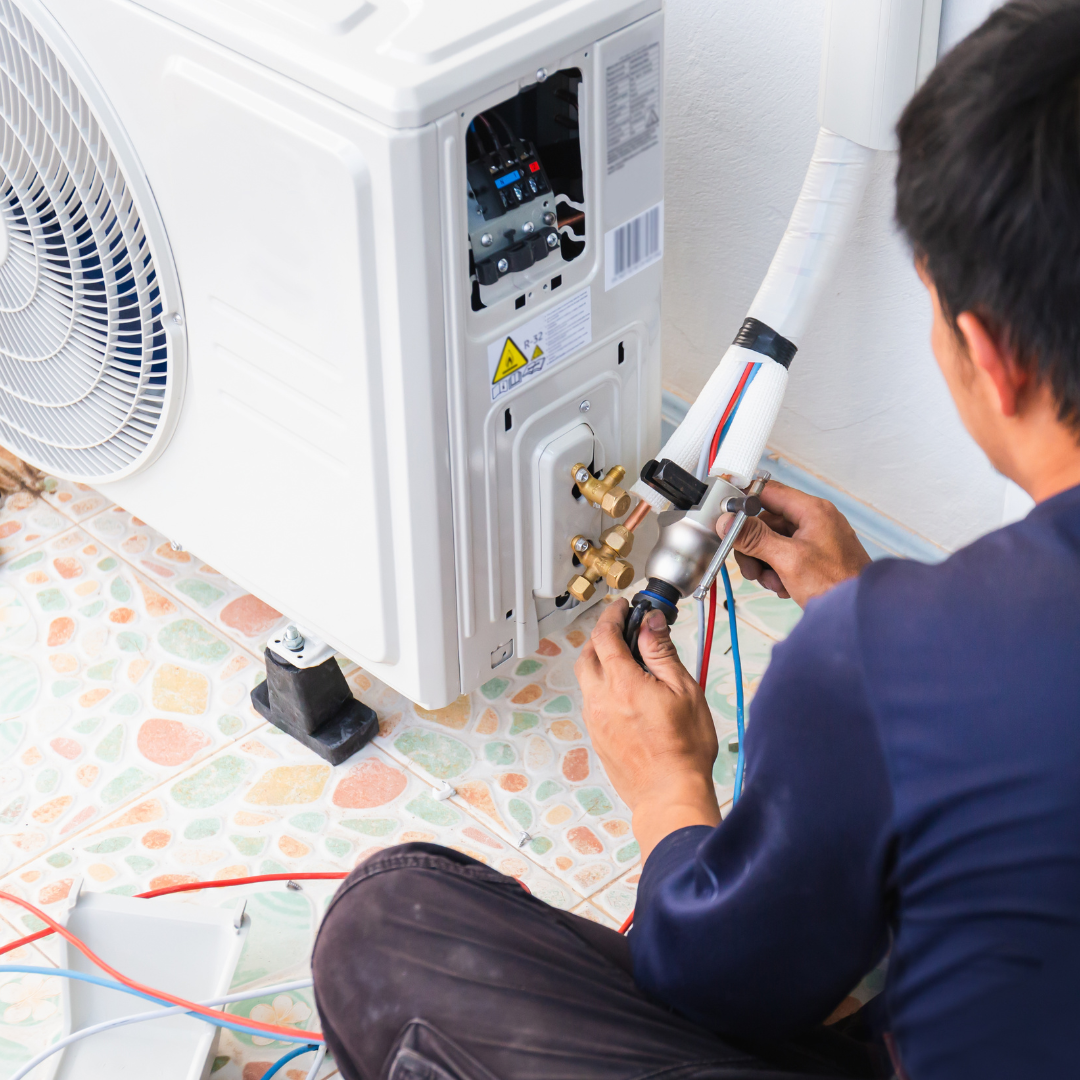
The intricacies of HVAC systems often reveal themselves through common problems associated with overflow pipe failures. Blockage due to dust, algae, insects, or construction debris is a frequent issue, compromising the system’s efficiency.
Improper slope or poor termination can result in damage, while hidden or inaccessible overflow routes pose additional challenges. Preventive measures are essential in mitigating these risks.
- Blockages lead to costly repairs and system malfunctions.
- Improper slope causes water backups, risking internal damage.
- Hidden overflow routes complicate maintenance and detection.
- Neglected maintenance schedules increase failure likelihood.
- Construction debris infiltrates systems, causing obstructions.
Implementing a rigorous preventive maintenance schedule and ensuring all components are correctly installed and accessible can effectively prevent overflow pipe failures.
Integration of Overflow Pipes with the Full Condensate Management System
Although often overlooked, integrating overflow pipes into the full condensate management system is a critical aspect of HVAC design. This integration guarantees peak performance and prevents potential water damage.
Overflow pipes act as a secondary safeguard, channeling excess condensate away from critical system components. They work in conjunction with primary drain lines and drip pans to manage unexpected surges in condensate production, often due to clogs or system inefficiencies.
Overflow pipes serve as a crucial backup, diverting excess condensate and preventing damage from unexpected surges.
Properly installed, overflow pipes reduce risk by providing a fail-safe mechanism. The design must accommodate the system’s specific capacity and environmental conditions, guaranteeing seamless operation.
Regular inspections and maintenance of these components are imperative to maintain system integrity and performance, avoiding costly repairs and downtime.
Why Riifo Is a Strong Choice for Integrated Overflow and Piping Solutions
Integrating overflow pipes into the full condensate management system enhances overall HVAC efficiency and reliability, and Riifo emerges as a commendable choice in this domain.
Riifo’s offerings are backed by a robust 25-year product warranty, instilling confidence in long-term performance and reliability. Their provision of product liability insurance underscores a commitment to safeguarding customer interests and guaranteeing safety.
The establishment of a local warehouse streamlines product accessibility, minimizing wait times and bolstering customer satisfaction. With a focus on high-quality manufacturing and customer-centric services, Riifo provides an unmatched level of trust and assurance to HVAC professionals and consumers alike.
- 25-year product warranty guarantees reliability
- Product liability insurance protects customer rights
- Local warehouse facilitates quick product access
- Commitment to quality enhances customer satisfaction
- Customer-centric approach fosters trust and loyalty
Frequently Asked Questions
How Often Should AC Overflow Pipes Be Inspected for Clogs?
AC overflow pipes should be inspected bi-annually to guarantee unobstructed flow. Regular inspections prevent water damage, maintain system efficiency, and mitigate mold growth. Technicians should check for debris, clogs, and proper drainage during routine HVAC maintenance.
What Are the Signs of a Malfunctioning Overflow Pipe in an AC System?
A malfunctioning overflow pipe in an AC system is indicated by water leakage, persistent dampness around the unit, unusual noises, and potential system shutdown. Addressing these signs promptly can prevent significant damage and guarantee peak system performance.
Can a Clogged Overflow Pipe Affect AC Cooling Performance?
Yes, a clogged overflow pipe can affect AC cooling performance by causing system shutdowns due to water damage risks. This disrupts cooling cycles, increases humidity levels, and may lead to further mechanical issues if unresolved.
Are There DIY Methods to Clear a Clogged AC Overflow Pipe?
Crafting solutions to alleviate a congested AC overflow pipe, one may employ a wet/dry vacuum or compressed air to delicately dislodge obstructions, promoting unimpeded flow and maintaining the system’s ideal performance without professional intervention.
What Materials Are Best for Durable AC Overflow Pipes?
PVC and CPVC are ideal for durable AC overflow pipes due to their corrosion resistance and pressure tolerance. Their ability to withstand diverse temperatures and chemical exposures guarantees reliable performance in HVAC systems, meeting industry specifications effectively.
Conclusion
In the domain of HVAC systems, the air conditioning overflow pipe is nothing short of a guardian against a deluge of water-related disasters. This essential component, when meticulously specified and diligently maintained, guarantees the seamless operation of your cooling system. By adhering to best practices and integrating robust solutions like those from Riifo, homeowners and facility managers can achieve unparalleled efficiency and longevity, preemptively averting the chaos of costly repairs and maintaining an oasis of indoor comfort.