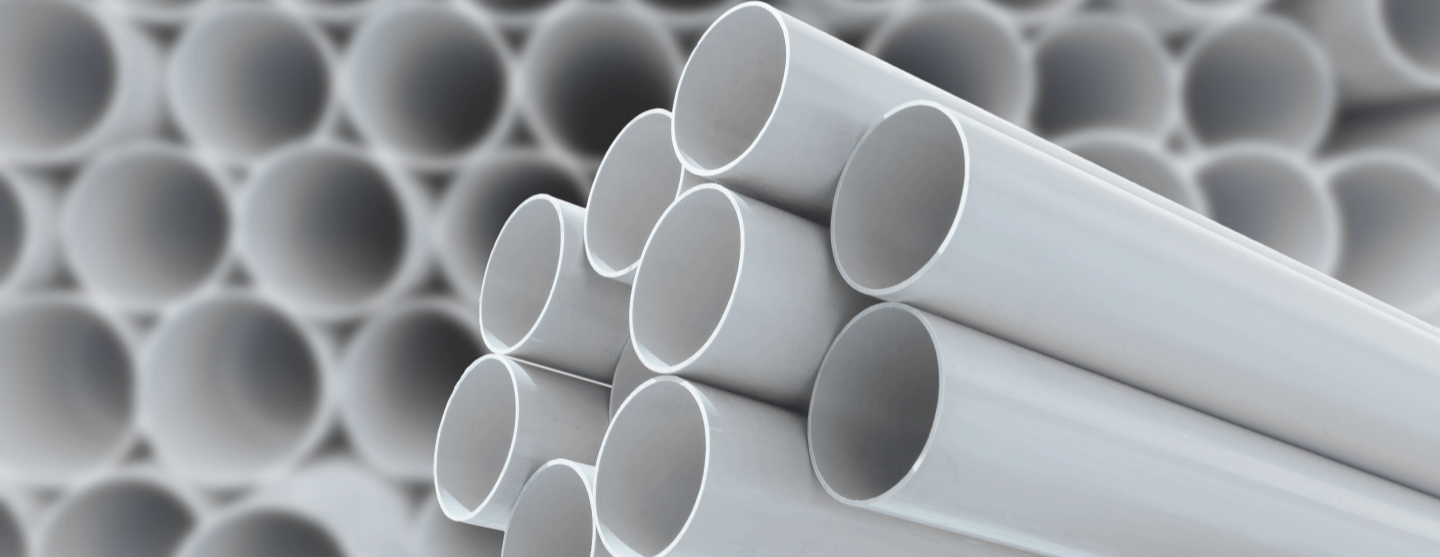








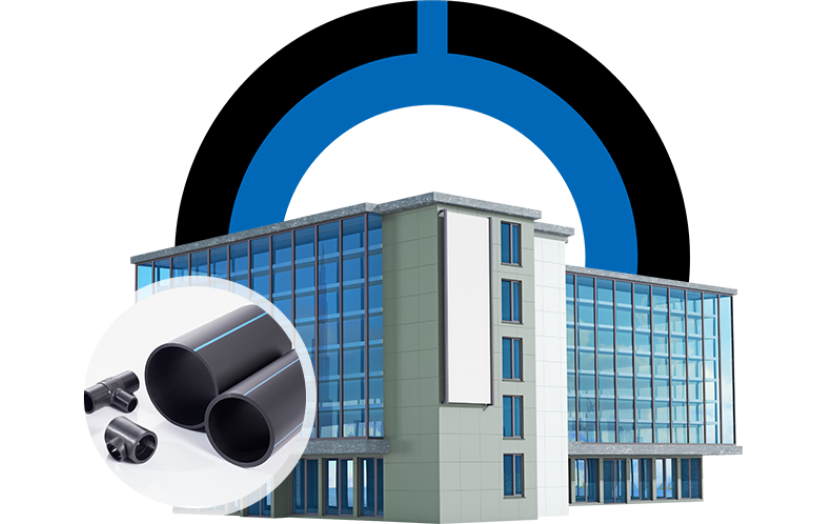



PVC conduit is commonly utilized in residential and commercial building wiring to protect electrical systems from damage and guarantee compliance with safety regulations. It is also ideal for underground installations, offering corrosion resistance and durability in harsh environments. Additionally, PVC is suitable for industrial machinery cabling, enhancing organization and maintenance efficiency. Its selection between rigid and flexible types depends on specific application needs and environmental conditions. More insights on these applications and considerations can provide valuable information.
Key Takeaways
- PVC conduit is ideal for residential and commercial electrical installations, providing protection and organization for wiring systems.
- It is suitable for underground applications, offering long-lasting performance against corrosion and minimizing soil contamination risks.
- PVC conduit is resistant to UV rays and harsh weather conditions, making it perfect for outdoor and buried cable protection.
- In industrial settings, it protects machinery wiring from chemical exposure and enhances maintenance accessibility.
- Rigid and flexible types of PVC conduit cater to various installation needs, ensuring compliance with safety and performance standards.
Introduction
What factors contribute to the widespread usage of PVC conduit in electrical installations? The material properties of PVC, including its lightweight and corrosion-resistant characteristics, make it an ideal choice for diverse environments.
- Installation techniques for PVC conduits are straightforward, allowing for efficient routing and securing, particularly in tight spaces. Environmental considerations are paramount, as PVC conduits are suitable for both indoor and outdoor applications, resisting moisture and UV exposure.
- PVC conduits offer easy installation and versatility, making them ideal for both indoor and outdoor electrical applications.
- Cost analysis reveals that PVC conduits are economically advantageous, providing a lower initial investment while maintaining durability over time.
- Adherence to safety protocols, including non-conductivity and flame-retardant properties, further underscores the reliability of PVC conduits in safeguarding electrical systems.
Collectively, these factors establish PVC conduit as a preferred solution in electrical installations.
Why Choose PVC Conduits?
Why is PVC conduit often the preferred choice for electrical installations? This material is favored due to its robust characteristics, which contribute to safety and performance. Its corrosion resistance ensures longevity in diverse environments, while its lightweight design simplifies installation processes. Additionally, PVC conduit exhibits excellent impact durability, providing reliable protection for electrical wiring. Cost effectiveness makes it an attractive option for both residential and commercial projects, reducing overall expenditure without compromising quality. Moreover, PVC’s UV protection enhances its suitability for outdoor applications, ensuring it withstands prolonged exposure to sunlight.
| Feature | Benefit | Application |
| Corrosion Resistance | Long-lasting installations | Coastal and industrial settings |
| Lightweight Design | Easier handling and installation | Complex routing |
| Impact Durability | Protects cables from damage | High-traffic areas |
| Cost Effectiveness | Reduces project expenses | Budget-conscious projects |
| UV Protection | Suitable for outdoor use | Sun-exposed installations |
Application 1: Building Wiring Systems
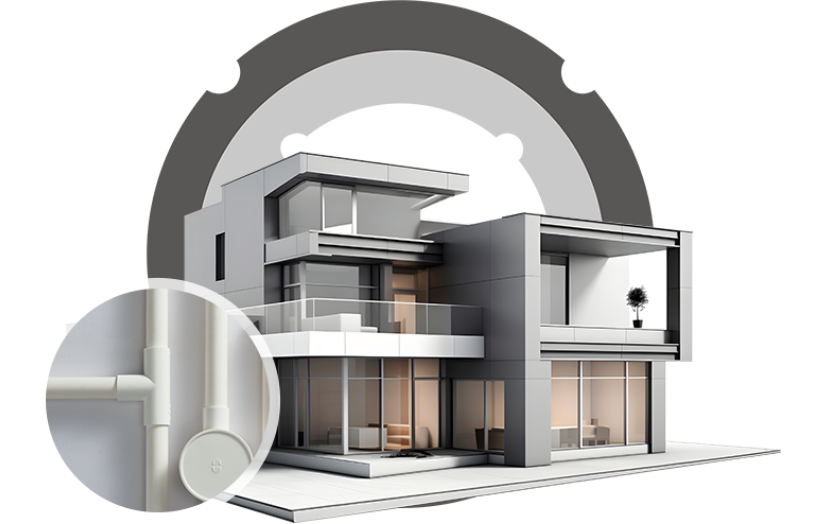
PVC conduits are widely employed in building wiring systems due to their favorable properties that enhance electrical safety and efficiency. Their lightweight and corrosion-resistant nature contributes to ease of installation, allowing for strategic routing in compliance with safety regulations.
A cost comparison indicates that PVC conduits often present a more economical option than metal alternatives, without compromising on product durability.
Installation tips include ensuring proper bends and supports, which can mitigate environmental impact, particularly in high-moisture settings. Moreover, adherence to applicable safety regulations is crucial to prevent electrical hazards.
Application 2: Underground Installations
Underground installations of PVC conduits are essential for protecting electrical wiring in both residential and commercial applications. The material’s corrosion resistance guarantees longevity in various soil types, while its compatibility with soil conditions minimizes degradation risks.
Installation tips include proper depth placement, typically 24 inches, and ensuring minimal bending to maintain structural integrity.
Environmental safety is enhanced through non-toxic PVC, which does not leach harmful substances into the soil.
A cost analysis reveals that while initial expenses may be higher than alternatives, long-term savings from reduced maintenance and replacement costs position PVC as a favorable choice.
This combination of attributes makes PVC conduits indispensable for reliable underground electrical infrastructure.
Application 3: Equipment & Machinery Cabling
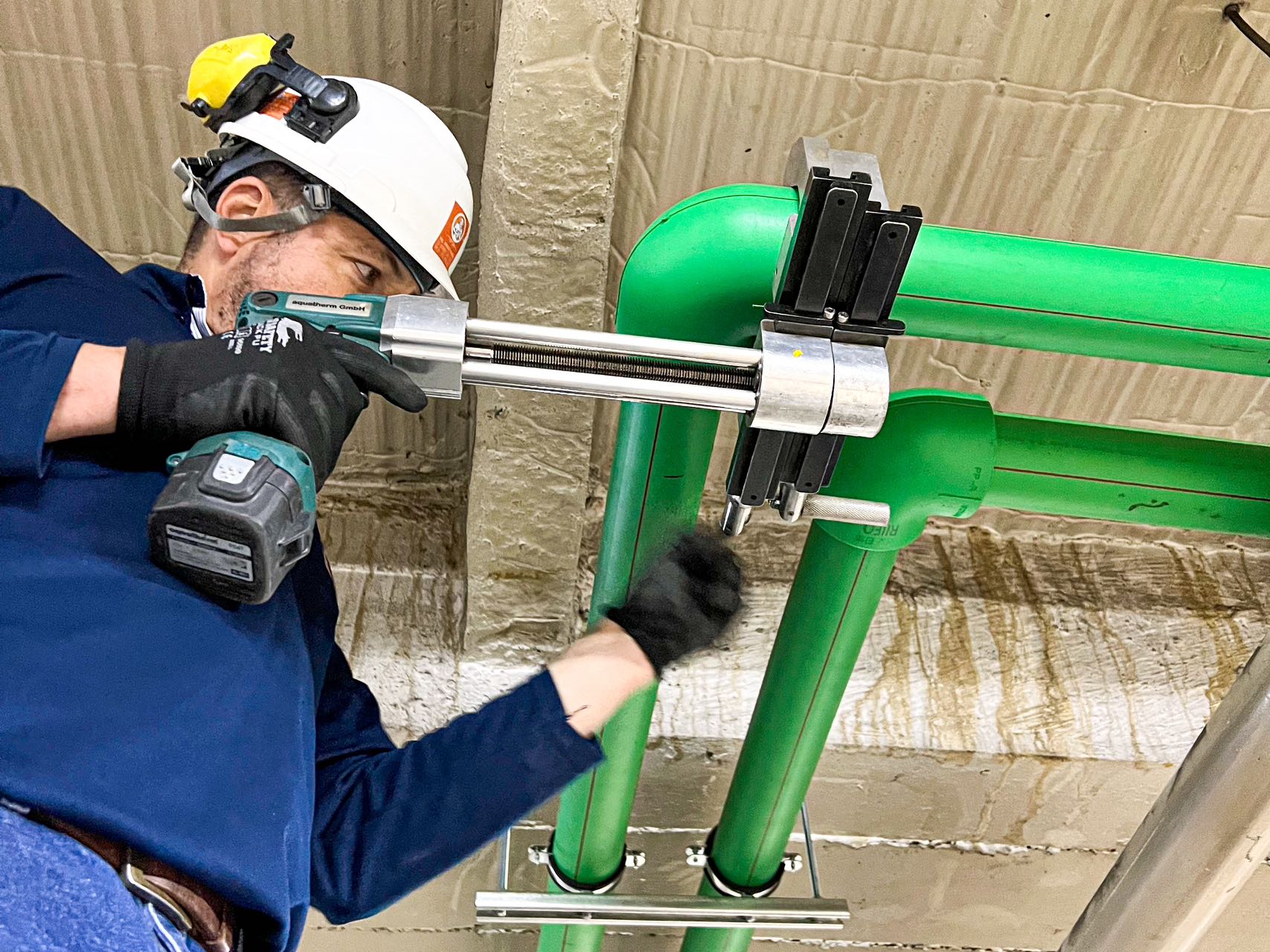
The protection of electrical wiring extends beyond underground installations to encompass equipment and machinery cabling, where PVC conduits play a significant role. In industrial settings, PVC conduits facilitate efficient maintenance strategies, ensuring that wiring remains accessible for routine inspections.
A thorough cost benefit analysis reveals that the initial investment in PVC conduits often leads to long-term savings through reduced maintenance and replacement costs. Moreover, these conduits exhibit a lower environmental impact compared to alternatives, as they are recyclable and non-toxic.
However, compatibility concerns with certain chemicals must be assessed to prevent potential degradation. Finally, aesthetic considerations should not be overlooked, as strategically placed PVC conduits can enhance the visual organization of electrical systems in machinery environments.
How to Choose: Rigid vs. Flexible
When selecting between rigid and flexible conduit options, it is essential to contemplate the specific requirements of the installation environment and application. Rigid conduits excel in providing structural integrity, making them suitable for installations with significant installation challenges.
While flexible conduits offer adaptability in confined spaces. A cost comparison reveals that flexible conduits often have lower initial costs, but it is important to assess long-term durability and maintenance requirements.
Flexible conduits provide adaptability in tight spaces, often with lower upfront costs, but long-term durability and maintenance must be considered.
Environmental impact considerations include the conduit’s resistance to moisture and chemicals. Moreover, fire safety considerations must be evaluated, as rigid conduits may provide enhanced protection against fire hazards compared to their flexible counterparts, depending on the application.
Therefore, the choice hinges on balancing these critical factors for ideal performance.
Relevant Standards and Certifications
Relevant standards and certifications play a crucial role in guaranteeing the safe and effective use of PVC conduit in electrical installations. Adhering to these guidelines guarantees that products meet essential safety and performance criteria.
Key considerations include:
- Standards compliance with national and international guidelines.
- Certification requirements from recognized bodies such as UL and CSA.
- Testing protocols to assess physical and chemical properties.
- Quality assurance measures to maintain product reliability and durability.
- Regulatory approvals ensuring compliance with local electrical codes.
These factors are critical for manufacturers and installers alike, as they enhance safety, promote longevity, and ensure that PVC conduit systems function as intended in various applications.
Why Choose Riifo’s PVC Conduit?
Choosing Riifo’s PVC conduit presents a compelling option for professionals seeking reliability and quality in electrical installations. This conduit is manufactured from eco-friendly materials, ensuring environmental sustainability without compromising performance.
Riifo’s PVC conduit offers reliability and eco-friendly performance for quality electrical installations.
Riifo’s commitment to innovative designs enhances adaptability across various applications, while installation tips provided by the manufacturer simplify the process, reducing labor costs.
A cost comparison reveals that the long-lasting durability of Riifo’s products offers superior value, supported by a 25-year warranty and product liability insurance that safeguard user interests.
Maintenance advice is readily available, promoting ideal performance over time.
Frequently Asked Questions
Can PVC Conduit Be Painted or Customized?
PVC conduit painting and customizing enhances aesthetics, allowing for decorative PVC conduit options. Employing PVC conduit stickers or applying specific PVC conduit color can improve visual appeal while maintaining functionality, provided compatibility with conduit material is guaranteed.
What Tools Are Needed for PVC Conduit Installation?
In conduit installation, essential tools symbolize precision and mastery: a cutting tool for shaping PVC, a bending device for seamless curves, securing straps for stability, and sealing compounds for joint integrity guarantee a robust, flawless assembly.
How Does Temperature Affect PVC Conduit Performance?
Temperature considerably influences PVC conduit performance, impacting thermal expansion and insulation properties. Adhering to temperature limits guarantees durability factors are met, while climate suitability determines the conduit’s longevity and effectiveness in various environmental conditions.
Is PVC Conduit Recyclable After Use?
PVC conduit is recyclable, presenting various recycling options that mitigate environmental impact. Proper disposal methods and reuse possibilities address sustainability concerns, ensuring responsible management of materials post-use while promoting circular economy principles within the construction industry.
Can PVC Conduit Be Used for Low-Voltage Applications?
“Better safe than sorry,” emphasizes the importance of fire safety in electrical wiring. PVC conduit is suitable for low-voltage applications, particularly in outdoor installations and residential wiring, and can effectively protect underground pathways from environmental hazards.
Conclusion
In brief, PVC conduit serves as an essential component in safeguarding electrical systems across diverse applications, from residential wiring to industrial machinery installations. Significantly, PVC conduits can withstand temperatures ranging from -40°F to 140°F, making them suitable for various environments. As the demand for durable and reliable electrical solutions rises, understanding the advantages and appropriate uses of PVC conduit becomes crucial for professionals in the field, ensuring both compliance and safety in their installations.