







NewsDec 25, 2025

Comparative Analysis of HDPE Pipes and Traditional Piping Materials

Comparative Analysis of HDPE Pipes and Traditional Piping Materials

HDPE pipes exhibit superior durability, flexibility, and resistance to corrosion compared to traditional materials like PVC, concrete, and steel. Their mechanical performance ensures minimal cracking and enhanced shock absorption under varying pressures. Additionally, HDPE’s lightweight nature facilitates easier installation, reducing costs and project timelines. While upfront costs may be higher, long-term savings from reduced maintenance and replacement are significant. This analysis highlights the advantages of HDPE, inviting further exploration into its applications and benefits.

Key Takeaways

  • HDPE pipes offer superior durability and flexibility compared to traditional materials like PVC, concrete, and steel, reducing repair needs and extending lifespan.
  • Unlike traditional pipes, HDPE is resistant to corrosion, rust, and chemical degradation, maintaining integrity under various environmental conditions.
  • HDPE’s lightweight nature and flexibility enable faster installation and lower labor costs, unlike heavier traditional piping materials requiring more resources.
  • Fusion techniques used in HDPE installations create leak-free joints, enhancing reliability compared to traditional methods that may be prone to leaks.
  • While HDPE may have a higher upfront cost, its lower maintenance and replacement frequency result in long-term economic benefits over traditional materials.

Introduction

The introduction of HDPE pipes marks a significant advancement in piping technology, offering distinct advantages over traditional materials. Manufactured under stringent manufacturing standards, HDPE pipes guarantee consistent quality across various applications.

Their versatility is further enhanced by compliance with regional regulations, making them suitable for a wide range of environments. Available in various pipe colors, HDPE allows for aesthetic design choices that can be tailored to fit specific project requirements.

The lightweight nature of HDPE facilitates the use of specialized installation tools, streamlining the installation process. Moreover, the flexibility and durability of HDPE pipes provide an ideal solution for modern infrastructure, challenging the historical dominance of conventional materials in numerous applications.


Overview of HDPE Pipes vs. Traditional Pipe Materials

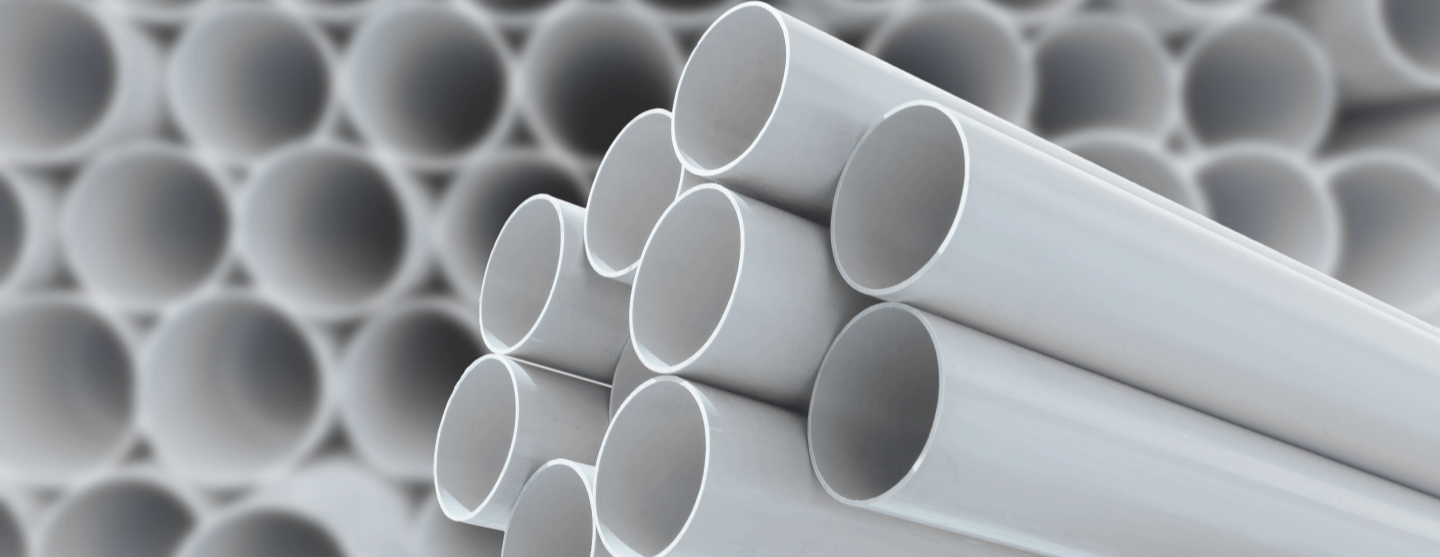
HDPE pipes, composed of high-density polyethylene, offer distinct advantages in durability and flexibility compared to traditional piping materials such as PVC, concrete, and steel.

While HDPE demonstrates superior resistance to corrosion and cracking, traditional materials often face limitations related to maintenance and environmental impact.

Analyzing the properties and applications of both HDPE and conventional materials reveals critical considerations for project selection and infrastructure development.

What Is HDPE Pipe?

A high-density polyethylene (HDPE) pipe represents a significant advancement in piping materials, offering a range of benefits compared to traditional options such as PVC, concrete, and metal pipes.

The HDPE manufacturing process utilizes advanced polymerization techniques that enhance its durability and flexibility.

Key characteristics include:

  • Corrosion Resistance: Unlike metal pipes, HDPE is impervious to rust and chemical degradation.
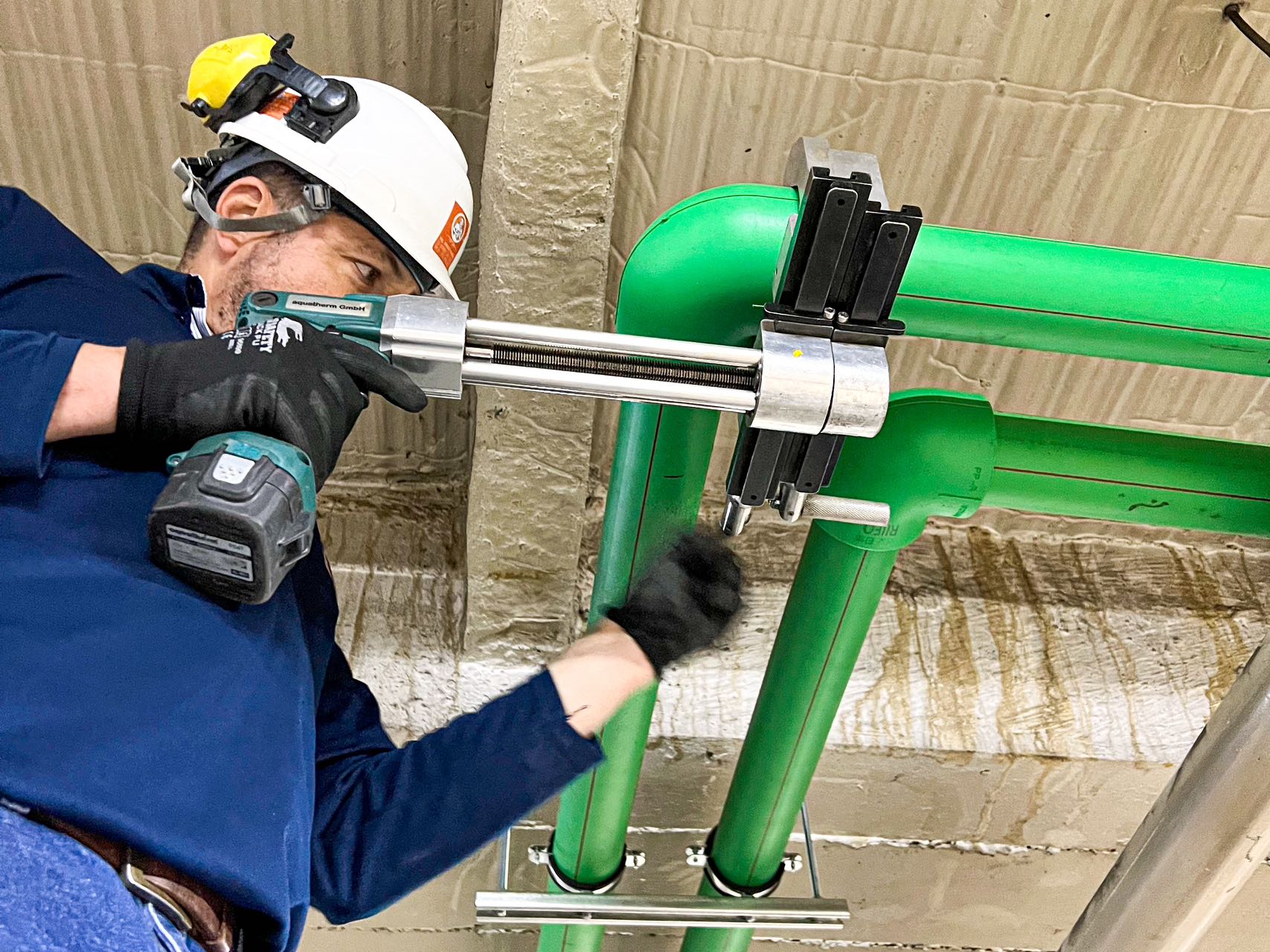
  • Installation Techniques: Fusion methods ensure leak-free joints, reducing installation complexity.
  • Regulatory Standards: HDPE pipes comply with stringent industry regulations, ensuring safety and reliability.
  • Market Trends: Increasing demand for sustainable materials positions HDPE as a preferred choice in various industries.

Common Traditional Piping Materials

In modern infrastructure, various traditional piping materials continue to be widely utilized, each with distinct characteristics and limitations. Common materials such as PVC, concrete, and steel exhibit diverse pipe material compatibility and performance under varying conditions.

PVC, while cost-effective, often suffers from brittleness and limited flexibility, which can complicate installation techniques. Concrete pipes offer high pressure resistance but are cumbersome, requiring rigorous maintenance practices due to susceptibility to cracking. Steel pipes, although strong, are prone to corrosion, necessitating adherence to stringent regulatory standards.

Market trends indicate a gradual shift towards alternative materials like HDPE, which provide superior durability and flexibility. Understanding these traditional materials is essential for making informed decisions in modern piping applications.

Performance Comparison: HDPE vs. Traditional Pipes

The performance comparison between HDPE and traditional piping materials reveals significant differences in durability, flexibility, weight, and jointing methods.

HDPE pipes demonstrate superior resistance to corrosion and ground movement. While also offering enhanced installation efficiency due to their lightweight properties.

Additionally, the seamless jointing techniques employed in HDPE systems minimize leakage risks, thereby optimizing flow efficiency compared to conventional alternatives.

Durability and Longevity

Durability and longevity are critical factors in the performance assessment of piping materials, particularly when comparing HDPE pipes to traditional materials such as metal and concrete.

HDPE pipes exhibit resistance to corrosion, markedly reducing pipe aging and enhancing service life.

Traditional metal pipes are vulnerable to material fatigue and corrosion, leading to frequent repairs and reduced repair longevity.

HDPE’s resistance to UV degradation ensures consistent performance even under prolonged sunlight exposure.

The structural integrity of HDPE pipes remains intact over time, while traditional materials often succumb to deterioration, necessitating replacements.

Flexibility and Ground Movement Resistance

Although traditional piping materials such as metal and concrete provide strength and rigidity, they often lack the flexibility required to withstand ground movement and seismic activity. In contrast, HDPE pipes exhibit exceptional pipe flexibility, enabling them to adapt to ground deformation and soil settlement without compromising structural integrity. This flexibility enhances seismic resilience, allowing HDPE to absorb shocks more effectively than its rigid counterparts.

Property HDPE Pipes
Pipe Flexibility High
Ground Movement Resistance Excellent
Installation Adaptability Superior
Seismic Resilience Enhanced

The ability of HDPE pipes to accommodate dynamic environmental conditions underscores their suitability for modern infrastructure applications where adaptability is paramount.

Weight and Installation Efficiency

Weight plays a critical role in determining the efficiency of installation processes for piping systems. HDPE pipes exhibit significant weight reduction compared to traditional materials, enhancing installation speed and handling ease. Their lightweight nature allows for streamlined transportation, directly decreasing transportation costs.

Additionally, the flexibility of HDPE contributes to site adaptability, enabling installation in various terrains without extensive machinery or labor.

  • Installation Speed: Reduced labor time due to lightweight characteristics.
  • Weight Reduction: Facilitates easier handling and manipulation on-site.
  • Handling Ease: Less physical strain on workers, minimizing safety risks.
  • Transportation Costs: Lower shipping costs due to lighter materials.


Jointing and Leakage Prevention

When it comes to jointing and leakage prevention, HDPE pipes demonstrate a significant advantage over traditional piping materials. Utilizing advanced fusion techniques such as butt fusion and electrofusion, HDPE achieves seamless, leak-free joints that exhibit superior joint strength.

This method enhances joint durability, ensuring long-term resistance to leaks, which is often a critical failure point in traditional systems relying on threaded connections or flanges. In contrast, traditional materials may require additional sealing methods, making them more susceptible to leakage.

Moreover, the installation methods for HDPE are streamlined and less labor-intensive, facilitating quicker deployment in various environments. Overall, HDPE provides a robust solution for leak prevention, establishing itself as a leader in modern piping applications.

Flow Efficiency

The flow efficiency of HDPE pipes considerably surpasses that of traditional piping materials due to their smooth internal surfaces and advanced design. This superior performance is characterized by several key factors:

  • Flow Rate: HDPE pipes facilitate higher flow rates, minimizing the need for additional pumping energy.
  • Pressure Loss: Lower pressure loss in HDPE systems enhances overall hydraulic capacity.
  • Flow Velocity: The optimized flow velocity in HDPE pipes reduces turbulence, promoting energy efficiency.
  • Pipe Roughness: HDPE’s minimal pipe roughness contributes to less friction, further augmenting flow efficiency.

These attributes collectively demonstrate that HDPE pipes provide significant advantages in hydraulic performance, making them a preferred choice for modern fluid transport applications.

Chemical and Corrosion Resistance

Flow efficiency in piping systems considerably impacts operational performance, particularly in environments where chemical exposure is a concern. HDPE pipes demonstrate superior chemical compatibility, exhibiting remarkable resistance longevity against a wide range of corrosive substances.

This inherent property notably enhances corrosion prevention, minimizing risks associated with material degradation over time. In contrast, traditional piping materials, such as steel and concrete, often necessitate protective coatings to mitigate corrosion, leading to increased maintenance and replacement costs.

The susceptibility of these materials to rust and chemical attack underscores their limitations in harsh environments. Consequently, HDPE pipes emerge as a preferred choice, offering durability and reduced lifecycle costs, thereby establishing an advantageous position in applications demanding robust chemical and corrosion resistance.

Surge and Impact Resistance

Although both HDPE and traditional piping materials are utilized in various applications, their performance under surge and impact conditions reveals significant differences. HDPE pipes exhibit superior characteristics in several critical areas:

  • Impact Resilience: HDPE’s inherent flexibility allows it to absorb shocks effectively without fracturing.
  • Shock Absorption: The material’s ability to dampen vibrations enhances overall system performance and longevity.
  • Pressure Handling: HDPE pipes maintain structural integrity under fluctuating pressure conditions, reducing the risk of failure.
  • Vibration Damping: This capability minimizes the transmission of stress, thereby protecting the piping system from dynamic loads.

In contrast, traditional materials often lack these properties, making them more susceptible to damage during surge conditions, ultimately compromising their performance and lifespan.

Cost-Effectiveness and Lifecycle Cost

When evaluating cost-effectiveness and lifecycle costs, HDPE pipes demonstrate significant advantages over traditional piping materials. A thorough cost comparison reveals that while the initial investment for HDPE may be higher, its long-term economic benefits are substantial.

HDPE’s durability translates to reduced maintenance costs, as it is resistant to corrosion and biological growth, minimizing the need for repairs or replacements over time. Lifecycle analysis indicates that the longevity of HDPE pipes contributes to lower total expenditure, as they outperform materials like steel and PVC in longevity and performance.

Therefore, the economic benefits of HDPE pipes, including reduced maintenance and replacement frequency, make them a more cost-effective option in the long run.

Environmental Sustainability

The environmental sustainability of piping materials is a critical consideration in modern infrastructure development, particularly as industries endeavor to minimize their ecological footprints. A comparative analysis reveals several key factors regarding HDPE versus traditional piping materials:

  • Biodegradability: HDPE is recyclable, reducing landfill contributions compared to non-recyclable traditional materials.
  • Environmental Impact: The production of HDPE requires less energy and resources, resulting in a lower carbon footprint.
  • Sustainability: HDPE’s longevity and resistance to corrosion contribute to reduced environmental degradation over time.
  • Eco-Friendliness: Unlike metal pipes, which can leach harmful substances, HDPE maintains integrity without adverse effects on surrounding ecosystems.

Ultimately, HDPE pipes present a more sustainable option, aligning with contemporary standards for environmental stewardship and responsible resource management.

Application-Based Considerations

As various industries evaluate their piping options, application-based considerations become crucial in determining the most suitable material for specific projects. Critical factors include pipe installation methods, where HDPE’s lightweight nature facilitates rapid deployment, particularly in challenging environments.

Pipe material compatibility is essential, as HDPE exhibits superior resistance to corrosion and chemicals, making it ideal for diverse applications. Aesthetic considerations may affect the choice, especially in visible installations, where traditional materials might be preferred.

Compliance with regulatory standards is paramount; HDPE must meet stringent criteria for safety and performance. Ultimately, the manufacturing processes for HDPE allow for cost-effective production, ensuring that it remains a feasible option against traditional materials like steel and concrete, which may incur higher long-term expenses.

Frequently Asked Questions

How Do HDPE Pipes Resist Environmental Degradation?

HDPE pipes exhibit exceptional chemical resistance and corrosion protection, minimizing environmental impact. Their flexibility advantages accommodate thermal expansion, enabling durability in diverse conditions, markedly reducing degradation risks compared to traditional materials in challenging environments and applications.

Can HDPE Pipes Be Welded Together Easily?

HDPE pipes can be welded easily using specialized welding techniques such as butt fusion and electrofusion. These methods guarantee high joint strength, simplify the installation process, and enable efficient repair methods with appropriate fusion equipment.

What Is the Lifespan of HDPE Pipes?

The lifespan of HDPE pipes, enhanced by material durability and chemical resistance, is considerably influenced by the manufacturing process and installation methods, resulting in exceptional cost-effectiveness and extended service life compared to many traditional piping solutions.

Are HDPE Pipes Resistant to UV Exposure?

HDPE pipes exhibit moderate UV resistance, offering weather durability against sunlight impact. However, prolonged exposure can lead to degradation effects, necessitating the use of UV-stabilized variants to enhance overall UV stability and prolong service life.

How Are HDPE Pipes Recycled at the End of Life?

HDPE pipes undergo a recycling process involving shredding, washing, and reprocessing, enhancing their reuse potential. These eco-friendly practices guarantee effective end-of-life management, optimizing disposal methods while minimizing environmental impact associated with traditional disposal techniques.

Conclusion

In conclusion, the comparative analysis of HDPE pipes and traditional piping materials reveals that while each option has its merits, HDPE pipes often come out on top regarding durability, flexibility, and environmental sustainability. As the saying goes, “the proof of the pudding is in the eating”; the long-term performance and lower maintenance needs of HDPE suggest that they are a forward-thinking choice for modern infrastructure projects. Engineers and stakeholders should carefully consider these factors when making material selections.

Trustpilot