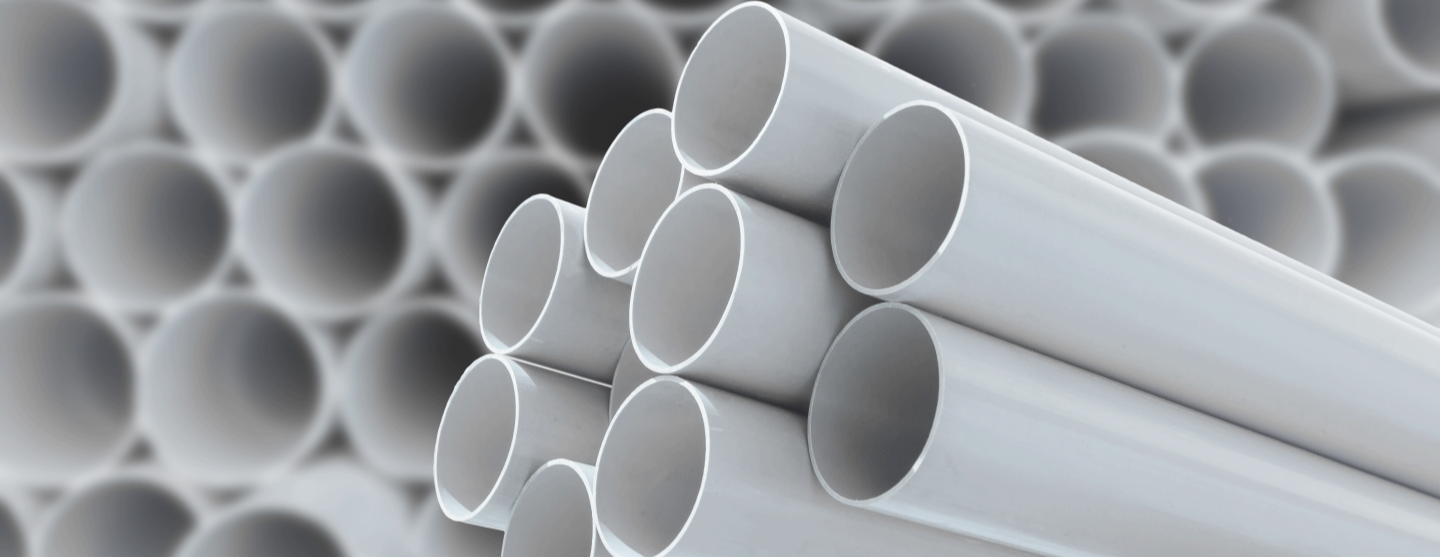





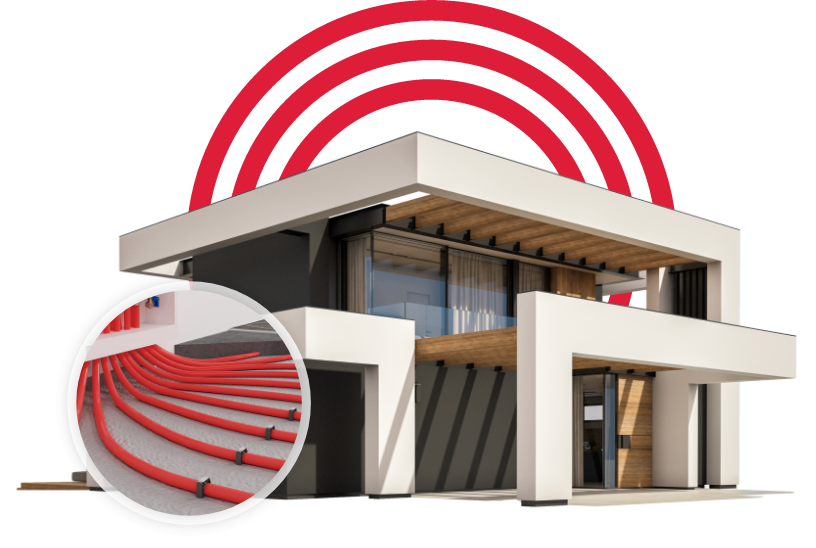
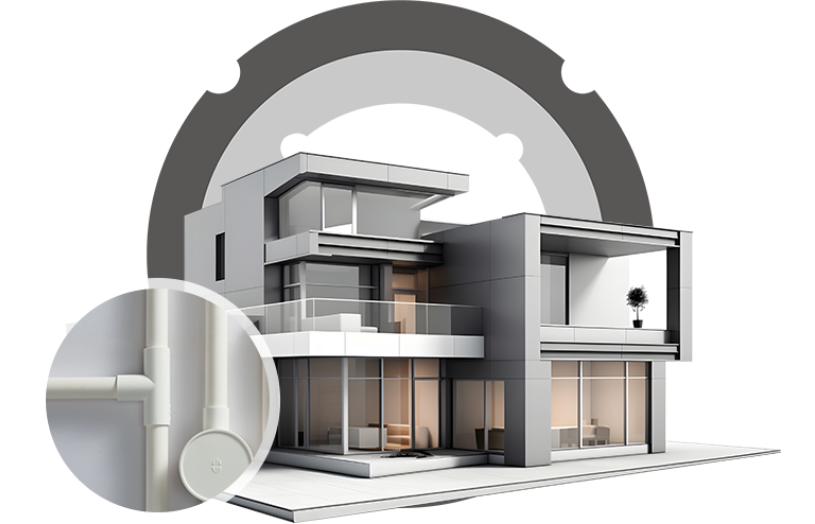



Multilayer piping systems integrate polymeric and metallic materials, offering strength and flexibility in plumbing applications. They excel in performance, with temperature resistances up to 95 ºC and pressure tolerances of 10 bar. These systems mitigate noise and are designed for easy installation, enabling architects to optimize plumbing layouts efficiently. Notably, multilayer pipes are recyclable and enhance energy efficiency, addressing modern sustainability goals. Further insight reveals the potential of these systems in eco-friendly plumbing solutions.
Key Takeaways
- Multilayer piping systems combine performance and sustainability, making them ideal for various plumbing applications, including residential and commercial use.
- Their unique composition of plastic and aluminum enhances energy efficiency, reducing heating costs and contributing to eco-friendly practices.
- The superior durability and resistance to biofilm and limescale ensure long-term hygiene and functionality in plumbing systems.
- Flexible installation techniques allow for easier bending around architectural features, minimizing the need for additional fittings and enhancing efficiency.
- Their 100% recyclability contributes to lower carbon footprints, aligning with the future focus on sustainable building materials and practices.
Introduction
The increasing demand for advanced piping solutions in construction, plumbing, and HVAC applications has led to the emergence of multilayer piping systems. These systems effectively combine performance, flexibility, and sustainability, addressing the diverse needs of modern infrastructure. As a result, multilayer pipes are becoming a preferred choice for professionals seeking efficient and durable solutions.
The growing role of advanced piping systems in modern construction, plumbing, and HVAC.
As advancements in material science and engineering continue to evolve, advanced piping systems are increasingly integral to modern construction, plumbing, and HVAC applications. These systems leverage material advancements to enhance performance, ensuring reduced environmental impact and improved cost efficiency. Industry trends indicate a shift towards multilayer piping solutions, which combine the benefits of metal and plastic, resulting in superior durability and flexibility. Future innovations in this domain promise to further optimize installation processes and sustainability metrics.
| Key Factor | Description |
| Material Advancements | Enhanced mechanical properties and corrosion resistance |
| Environmental Impact | 100% recyclable materials, reducing carbon footprints |
| Cost Efficiency | Lower installation costs and reduced maintenance expenses |
| Industry Trends | Increasing preference for multilayer systems over traditional materials |
| Future Innovations | Development of smart piping solutions for real-time monitoring |
Rise of multilayer piping as a solution that merges performance, flexibility, and sustainability.
While traditional piping materials have served their purpose for decades, the rise of multilayer piping systems signifies a transformative shift towards solutions that seamlessly integrate performance, flexibility, and sustainability.
These systems utilize innovative materials, combining layers of metal and plastic to achieve superior mechanical properties, including corrosion resistance and minimal thermal expansion.
Installation techniques have evolved, emphasizing efficiency with tools that reduce labor costs and risks associated with traditional methods.
Additionally, multilayer pipes are designed with environmental impact in mind, being fully recyclable and promoting sustainability in plumbing applications.
As market demands evolve, future trends indicate increasing adoption of these systems due to their cost efficiency and ability to meet the stringent requirements of modern construction and energy-efficient designs.
What Are Multilayer Pipes?
Multilayer pipes are advanced piping solutions comprising multiple layers of materials, typically integrating both polymeric and metallic components.
The structural makeup often includes an inner and outer layer of cross-linked polyethylene (PE-X) surrounding a central aluminum core, which enhances strength and flexibility.
Common types of multilayer pipes, such as Gerpex and Gaspex, cater to various applications, including heating, plumbing, and gas distribution, offering distinct advantages in performance and durability.
Definition and structural makeup
Characterized by their innovative design, multilayer pipes consist of three distinct layers: an outer layer of polyethylene (PE-RT), a central aluminum core, and an inner layer of polyethylene. This composite structure offers multiple multilayer pipe benefits, including enhanced strength, flexibility, and corrosion resistance.
Material innovations in multilayer pipes, such as the use of cross-linked polyethylene, contribute to their impressive performance under high temperatures and pressures. Installation techniques for these pipes are streamlined, reducing labor costs and time, while also mitigating safety risks associated with traditional welding methods.
As future trends in plumbing shift towards sustainability, multilayer pipes emerge as a cost-effective solution, combining durability with eco-friendly properties, ultimately optimizing both installation efficiency and long-term performance in various applications.
Common types
The landscape of piping solutions includes several common types of multilayer pipes, each designed to meet specific application requirements. Notable examples include Gerpex and Gaspex pipes, which integrate metal and plastic layers for enhanced performance and versatility.
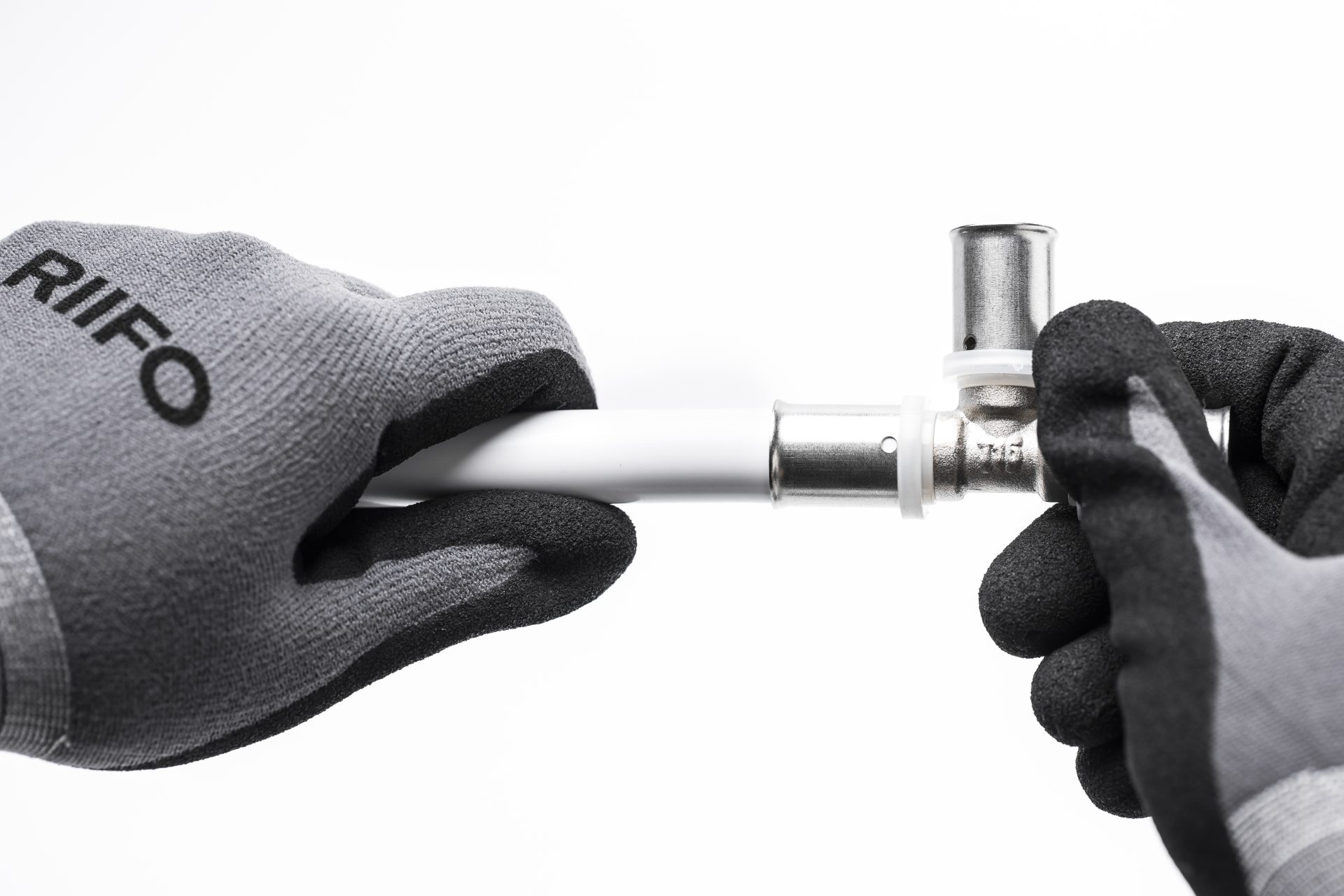
These multilayer pipe benefits include superior corrosion resistance, reduced thermal expansion, and effective oxygen diffusion prevention. Installation techniques are streamlined, utilizing press-fitting methods that reduce labor costs and on-site safety risks.
Material innovations continue to evolve, promoting eco-friendly options that align with current market trends. The environmental impact of multilayer pipes is minimized through their recyclability, while their durability guarantees long-term functionality, making them a preferred choice in modern plumbing systems.
Performance and Technical Advantages
The performance and technical advantages of multilayer piping systems are underscored by their mechanical strength and thermal resistance, which facilitate reliable operation under high-pressure and temperature conditions.
Additionally, the hygiene and internal durability of these pipes greatly reduce the risks of contamination and wear, ensuring long-term functionality.
Moreover, their acoustic properties enhance operational comfort by minimizing noise during fluid transport, positioning multilayer pipes as a superior choice for modern plumbing applications.
Mechanical Strength & Thermal Resistance
Multilayer piping systems exhibit superior mechanical strength, enabling them to withstand elevated pressures and temperatures, making them suitable for diverse applications.
In comparison to traditional materials such as PEX and PB, these systems demonstrate markedly lower thermal expansion characteristics, enhancing their stability and performance in fluctuating thermal environments.
This combination of attributes positions multilayer pipes as a robust solution for modern plumbing and heating systems.
Withstands high pressure and temperature
While many piping systems struggle under extreme conditions, multilayer pipes excel in environments characterized by high pressures and temperatures. Their impressive temperature resilience and pressure tolerance, combined with corrosion resistance, highlight the multilayer pipe benefits. Effective installation techniques further enhance their performance, making them a superior choice for demanding applications.
| Feature | Multilayer Pipes |
| Temperature Resistance | Up to 95 ºC |
| Pressure Tolerance | Up to 10 bar |
| Corrosion Resistance | High |
Lower thermal expansion vs. PEX and PB
Characterized by a lower thermal expansion coefficient, multilayer pipes present a significant advantage when compared to traditional materials such as PEX (cross-linked polyethylene) and PB (polybutylene).
This thermal performance comparison highlights multilayer pipes’ superior mechanical strength and longevity expectations.
Coupled with corrosion resistance benefits and installation efficiency tips, multilayer systems utilizing eco-friendly materials emerge as a preferred choice for modern plumbing applications.
Hygiene & Internal Durability
The inner layer of multilayer piping systems, typically composed of PE-RT or PE-X, exhibits exceptional resistance to biofilm and limescale formation, ensuring hygiene in potable water and heating applications.
This material’s inherent durability mitigates the risk of cracking, thereby enhancing the longevity of the piping system.
Consequently, these features collectively contribute to the overall performance and reliability of multilayer pipes in various installation environments.
Inner layer (PE-RT or PE-X) resists biofilm, limescale, and cracking.
Inner layers composed of PE-RT or PE-X are engineered to provide exceptional resistance against biofilm formation, limescale buildup, and cracking, thereby enhancing the overall durability and hygiene of multilayer piping systems.
These materials exhibit superior biofilm resistance and limescale prevention, ensuring internal hygiene is maintained.
Their cracking durability contributes to long-term reliability, highlighting the significant material benefits inherent in modern piping technology.
Suitable for potable water and heating systems.
Multilayer piping systems demonstrate significant advantages in applications involving potable water and heating systems, primarily due to their hygienic properties and internal durability.
These pipe innovations, enhanced by material advancements, guarantee plumbing efficiency through reduced limescale and biofilm adherence.
Employing advanced installation techniques, they promote sustainability practices by minimizing waste and maximizing longevity, ultimately providing a reliable solution for modern plumbing needs.
Acoustic & Operational Comfort
Multilayer piping systems are engineered to considerably reduce water flow noise, enhancing acoustic comfort within residential and commercial environments.
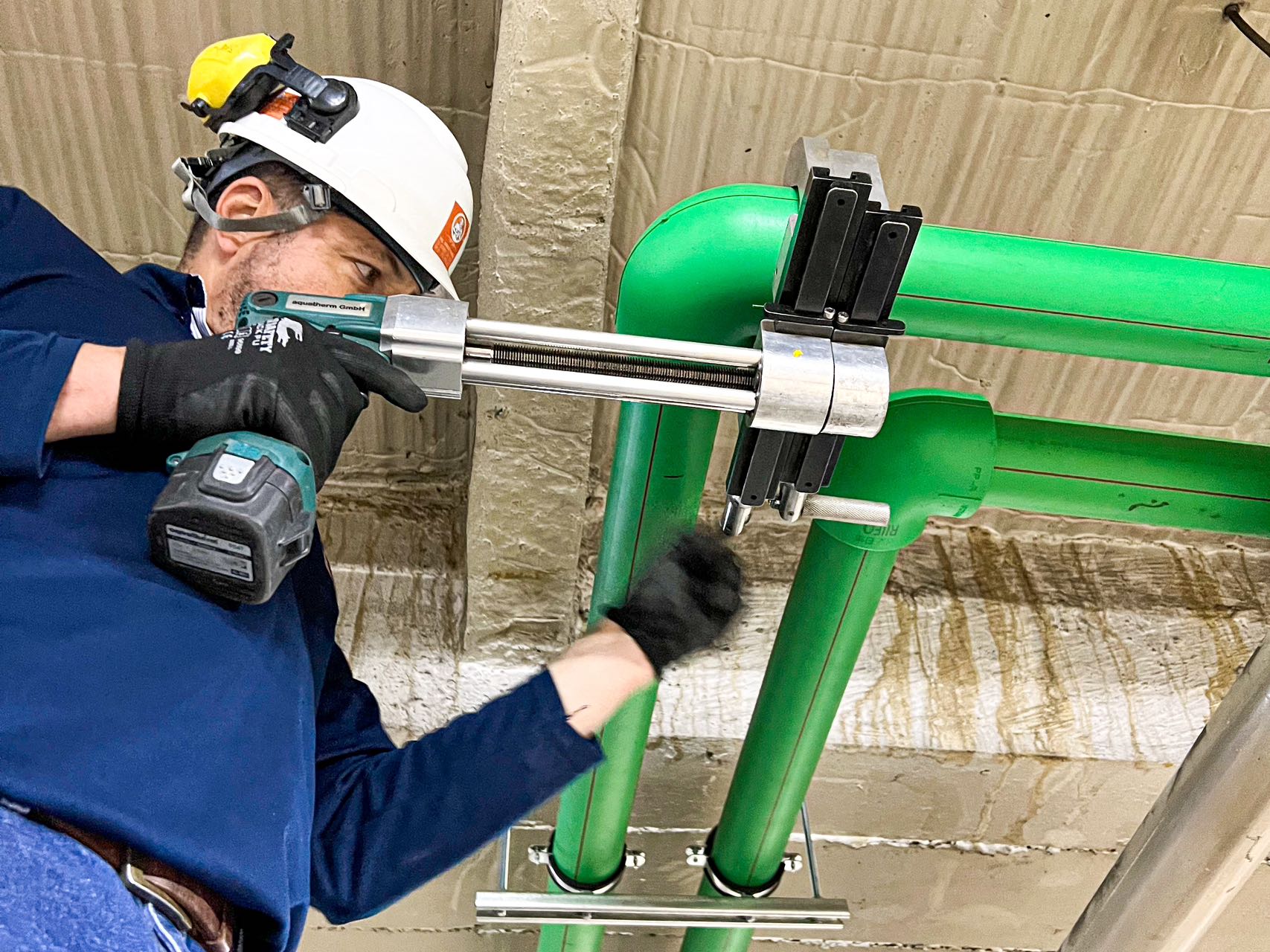
Their inherent flexibility allows for manual bending, facilitating installation along various architectural curves without compromising structural integrity.
This combination of acoustic insulation and adaptability contributes to improved operational comfort, making multilayer pipes an advantageous choice for modern plumbing applications.
Reduced water flow noise.
A significant advantage of modern piping systems is their inherent ability to minimize water flow noise, which contributes to enhanced acoustic comfort in residential and commercial environments.
This noise reduction is attributed to superior acoustic insulation properties, improving plumbing efficiency.
As a result, reduced water flow noise not only enhances user experience but also mitigates environmental impact, creating a more sustainable plumbing solution.
Easier to install along architectural curves (manual bending possible).
The ability to install piping systems along architectural curves with ease is a notable advantage in modern plumbing design.
Manual bending capabilities enhance architectural flexibility, allowing for seamless integration into complex structures.
This innovation improves installation efficiency by reducing the need for multiple fittings, thereby increasing design adaptability.
Such piping innovations not only streamline the process but also contribute to a more aesthetically pleasing and functional environment.
Wide-Ranging Applications
Multilayer piping systems exhibit extensive applicability across various sectors, including residential plumbing, commercial enterprises, and industrial operations.
Their design accommodates the specific demands of each environment, ensuring efficient transport of fluids while maintaining structural integrity under diverse conditions.
Additionally, their incorporation into gas supply systems underscores their versatility and compliance with regulatory standards, providing a secure solution for energy distribution.
Residential Plumbing
While considering the diverse needs of residential plumbing systems, multilayer piping solutions emerge as a versatile choice, adept at addressing various applications.
These systems effectively confront residential plumbing challenges such as corrosion, thermal expansion, and energy efficiency. With an emphasis on energy efficiency solutions, multilayer pipes minimize heat loss, contributing to lower utility bills.
Additionally, they enable the implementation of water conservation techniques, ensuring sustainable usage. The integration of smart plumbing technologies allows for real-time monitoring, enhancing overall system efficiency.
Moreover, these systems facilitate DIY plumbing tips, promoting ease of installation and maintenance. Consequently, multilayer piping not only meets contemporary residential requirements but also aligns with eco-friendly practices for a sustainable future in plumbing.
Commercial & Industrial Use
In commercial and industrial applications, multilayer piping systems stand out for their adaptability and performance across a wide range of operational demands.
These systems are increasingly utilized in industrial applications due to their superior mechanical properties, which support plumbing innovations and HVAC advancements.
The multilayer design allows for efficient heat retention and resistance to corrosion, making them ideal for diverse environments.
Careful material selection enhances durability while minimizing the environmental impact associated with traditional piping.
Additionally, the flexibility and lightweight nature of multilayer pipes simplify installation processes, reducing labor costs and time.
As industries evolve, multilayer piping systems are likely to play a pivotal role in optimizing efficiency and sustainability in plumbing systems.
Gas Supply Systems
Gas supply systems are essential infrastructure components that require reliable and efficient piping solutions to guarantee safe and effective gas distribution. Multilayer pipes, characterized by their corrosion resistance and lightweight nature, are increasingly adopted for gas distribution due to their enhanced safety features and installation versatility. Installation techniques such as press-fitting minimize risks associated with traditional methods, promoting gas distribution safety. The environmental impacts of multilayer pipes are also favorable, given their recyclable materials and lower carbon footprint.
| Feature | Benefit |
| Corrosion Resistance | Extends pipe lifespan |
| Lightweight | Easier handling and installation |
| Environmental Impact | 100% recyclable |
| Safety in Installation | Reduces risks of leaks |
Comparison with Traditional Pipe Materials
When evaluating piping options for modern applications, multilayer pipes present a compelling alternative to traditional materials such as copper and plastic.
The multilayer pipe benefits include superior mechanical strength, corrosion resistance, and lightweight properties, which facilitate installation techniques that minimize labor costs and time.
In cost comparison, multilayer systems often outperform copper, which is heavier and more expensive, while also avoiding the long-term maintenance costs associated with corrosion.
In addition, multilayer pipes are designed with environmental impact in mind, being 100% recyclable and contributing to reduced carbon footprints.
As industry innovations continue, future developments may enhance the efficiency and sustainability of multilayer piping systems, solidifying their role in eco-friendly plumbing solutions.
Multilayer Pipes and Sustainability
Sustainability in modern piping solutions is increasingly prioritized, and multilayer pipes exemplify an innovative approach to this challenge.
Constructed with eco-friendly materials, these pipes contribute greatly to sustainability practices by minimizing environmental impact. Their unique composition, featuring a combination of plastic and aluminum, enhances energy efficiency through better thermal insulation properties compared to traditional materials. This reduces energy consumption in heating systems, aligning with waste reduction goals.
Additionally, multilayer pipes are fully recyclable, further mitigating their ecological footprint. Their lightweight design not only simplifies transportation and installation but also decreases resource utilization during production.
Installation & Engineering Considerations
Effective installation and engineering considerations are vital for improving the performance of multilayer piping systems.
Successful implementation hinges on understanding installation techniques and addressing engineering challenges that may arise.
Material innovations enhance system efficiency and longevity.
Future trends focus on adaptability and flexibility in design.
Minimizing environmental impacts is essential for sustainable plumbing solutions.
Proper alignment guarantees ideal flow and reduces leak risks.
Thorough training for installers mitigates costly errors.
Why RIIFO?
Riifo offers an extensive product series designed to meet the diverse needs of multilayer piping systems.
This thorough range not only guarantees compatibility with various applications, but also adheres to stringent quality standards, enhancing durability and performance.
The focus on innovation and customer-centric solutions positions Riifo as a reliable choice in the competitive piping market.
Riifo’s extensive product series
With a commitment to quality and customer satisfaction, Riifo’s extensive product series exemplifies reliability and innovation in multilayer piping solutions.
This series offers a range of product features that enhance performance while guaranteeing safety and durability.
25-Year Warranty: Guarantees long-term reliability and peace of mind.
Product Liability Insurance: Safeguards user interests and legal rights.
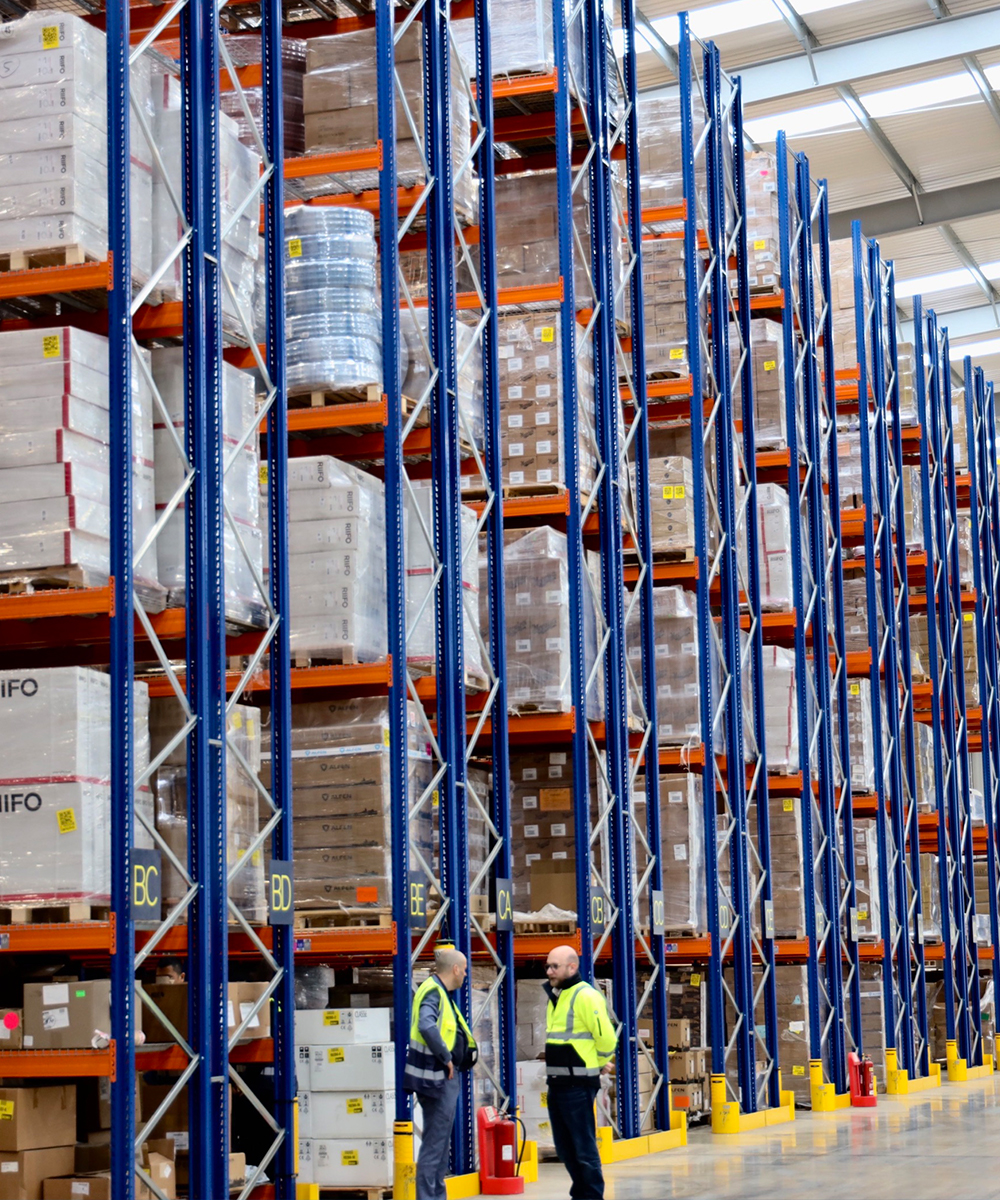
Convenient Local Warehouse: Minimizes wait times and enhances access to products.
Customer-Centric Approach: Focused on enhancing the overall customer experience.
Commitment to Quality: Continuous improvement and extensive warranty reflect assurance.
Installation tips and maintenance guidelines accompany these products, aligning with industry innovations to guarantee peak performance in diverse applications.
Frequently Asked Questions
How Do Multilayer Pipes Handle Freezing Temperatures?
Multilayer pipes exhibit excellent freeze resistance due to their thermal expansion characteristics and superior insulation properties. This design guarantees consistent water flow while minimizing burst prevention risks, making them ideal for cold environments.
Can Multilayer Pipes Be Reused or Repurposed?
Approximately 100 million tons of plastic are recycled annually. Multilayer pipes offer diverse recycling options, enabling repurposing ideas that yield environmental benefits and cost savings, while fostering design innovations for sustainable plumbing solutions.
What Certifications Do Multilayer Pipes Typically Have?
Multilayer pipes typically possess various safety certifications, adhering to certification standards and material compliance. Rigorous testing procedures confirm alignment with industry regulations, guaranteeing durability and performance under specified conditions, thereby enhancing overall system reliability and safety.
Are There Specific Maintenance Requirements for Multilayer Pipes?
What guarantees the longevity of piping systems? Regular leak detection, adherence to installation guidelines, monitoring thermal expansion, securing corrosion resistance, and maintaining joint integrity are essential for peak performance and durability in multilayer pipes.
How Do Multilayer Pipes Impact Water Taste and Quality?
Multilayer pipes enhance water quality by minimizing chemical leaching due to their specific material composition. Their design promotes taste retention, ensuring plumbing safety by mitigating contamination risks, hence providing a reliable solution for potable water systems.
Conclusion
To sum up, multilayer piping systems represent a transformative advancement in plumbing technology, offering enhanced performance and sustainability. For instance, a recent project involving a commercial building’s HVAC system utilized multilayer pipes, resulting in a 20% reduction in energy loss and improved thermal efficiency. As the industry continues to evolve, these versatile systems are poised to redefine plumbing practices, combining durability with eco-consciousness, thereby paving the way for a more sustainable future in construction and infrastructure.

.1.jpg)